





Why Choosing the Right Horse Breed for Riding Matters
Selecting the right horse breed for riding is one of the most important choices any rider can make, regardless of skill level or riding goals. Horses differ greatly in temperament, physical structure, movement, and trainability, and these differences directly affect comfort, safety, and enjoyment in the saddle. Many riders ask questions such as “Which horse breed is best for riding?”, “What is the most comfortable horse to ride?”, or “Which horse is best for beginners?” These questions reflect a deeper need to understand how breed characteristics influence the riding experience.
While training and individual personality always play a major role, certain horse breeds have been consistently recognized as superior riding horses due to centuries of selective breeding. These breeds were developed specifically to work closely with humans, carry riders for long hours, and adapt to varied environments. The best riding horse breeds combine physical balance, smooth movement, mental stability, and a cooperative attitude. They allow riders to develop confidence, improve skills, and enjoy riding without unnecessary difficulty.
What Makes a Horse Breed Ideal for Riding?
Before examining specific breeds, it is important to understand what qualities define a good riding horse. Comfort is one of the most critical factors. A horse with balanced conformation, a strong back, and well-angled shoulders will carry a rider more easily and reduce fatigue for both horse and rider. Smooth, rhythmic gaits also contribute to long-term comfort, particularly for trail riding or extended sessions.
Temperament is equally important. The best riding horse breeds tend to be calm, predictable, and willing to cooperate. Horses that remain level-headed in new environments and respond calmly to unexpected stimuli are safer and easier to ride. Intelligence and trainability also play a key role, as a horse that learns quickly and understands rider cues allows for clearer communication and faster progress.
Versatility is another defining trait. Many riders do not want a horse limited to one narrow discipline. Breeds that perform well in multiple riding styles, terrains, and activities provide greater long-term value. When a breed combines comfort, temperament, intelligence, and adaptability, it earns its reputation as an excellent riding horse.
American Quarter Horse
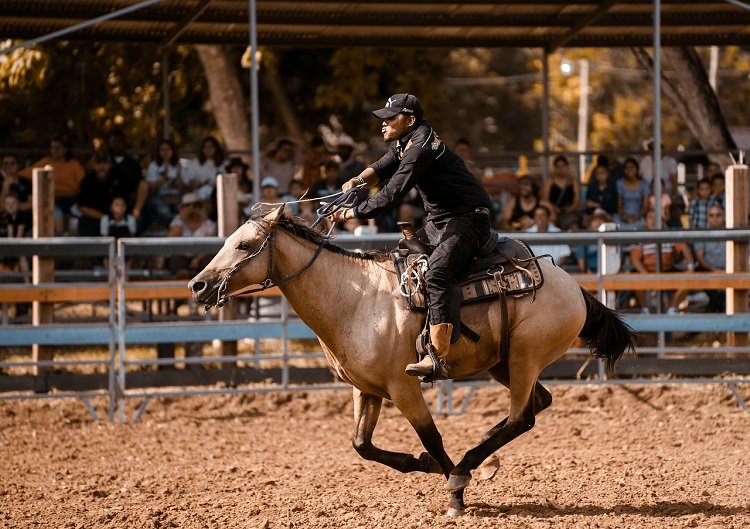
The American Quarter Horse is widely regarded as one of the best horse breeds for riding, particularly for beginners and recreational riders. Originally bred in the United States for ranch work and short-distance racing, this breed developed into an exceptionally versatile and dependable riding horse. Its muscular yet compact build provides outstanding balance and stability, which helps riders feel secure in the saddle.
Quarter Horses are especially valued for their calm and sensible temperament. They tend to remain relaxed in unfamiliar situations and are less reactive than many other breeds. This makes them ideal for riders who are still developing confidence or learning proper riding techniques. Their intelligence and willingness to work with humans allow them to respond well to consistent training and clear cues.
In terms of riding comfort, Quarter Horses offer smooth, efficient movement, particularly at slower gaits. This makes them excellent choices for trail riding, lessons, ranch riding, and general pleasure riding. Their versatility extends across western disciplines, English riding, and even light jumping. For riders seeking a reliable, all-purpose riding horse that can adapt to a wide range of activities, the American Quarter Horse remains one of the top choices worldwide.
Thoroughbred

The Thoroughbred is best known for its role in horse racing, but it is also one of the most capable riding horse breeds when properly trained. Bred for speed, stamina, and athleticism, Thoroughbreds possess long, powerful strides and a naturally forward movement that many riders find exciting and rewarding.
Physically, Thoroughbreds are built for endurance and efficiency. Their lean bodies, long legs, and deep chests support sustained effort and athletic performance. While they are generally more energetic than stock horse breeds, this energy can be an advantage for riders who enjoy responsive, engaging rides. Thoroughbreds are highly sensitive to rider cues, which allows skilled riders to refine their communication and develop advanced techniques.
Although some perceive Thoroughbreds as difficult, many retired racehorses transition successfully into riding careers. With proper training and patience, they excel in disciplines such as dressage, eventing, show jumping, and pleasure riding. Their intelligence and adaptability make them suitable for riders who are willing to invest time in building trust and understanding. For those seeking an athletic riding horse with potential for growth and performance, the Thoroughbred is an excellent choice.
Arabian Horse
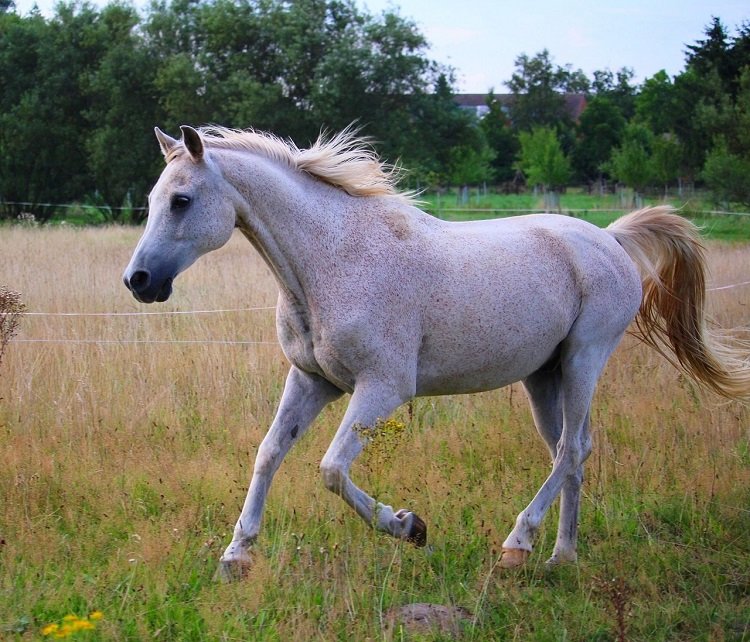
The Arabian horse is one of the oldest horse breeds in the world and has long been admired for its stamina, intelligence, and loyalty. Originally bred to carry riders across vast desert landscapes, Arabians are uniquely suited for long-distance riding and endurance activities. Their compact bodies, strong bones, and efficient movement allow them to travel great distances with minimal fatigue.
Arabians are known for their distinctive appearance, but their true value lies in their temperament and physical efficiency. They are highly intelligent and emotionally sensitive, often forming strong bonds with their riders. This sensitivity makes them responsive and communicative, allowing riders to develop a deep connection based on trust and understanding.
In riding contexts, Arabians excel in endurance riding, trail riding, and general pleasure riding. Their smooth gaits and balanced conformation contribute to rider comfort, especially during long rides. While they may be more alert than heavier breeds, their willingness to cooperate and strong work ethic make them reliable partners. Riders who value connection, stamina, and mental engagement often find the Arabian horse to be one of the most rewarding riding breeds available.
Morgan Horse

The Morgan horse is another breed renowned for its suitability as a riding horse. Developed in the United States as an all-purpose working horse, the Morgan was bred to perform a wide range of tasks, from farm labor to carriage driving and riding. This versatility remains one of the breed’s greatest strengths today.
Morgans are typically compact, strong, and well-balanced, making them comfortable to ride for extended periods. Their movement is smooth and rhythmic, which contributes to an enjoyable riding experience. They are also known for their exceptional temperament. Morgans are friendly, eager to please, and emotionally stable, making them well-suited for riders of varying experience levels.
Because of their adaptability, Morgans perform well in both English and western disciplines, as well as trail riding and recreational activities. They are often chosen by families and riders who want a single horse capable of participating in multiple activities. For those seeking a dependable, people-oriented riding horse with a positive attitude, the Morgan breed offers an excellent balance of comfort and versatility.
Tennessee Walking Horse
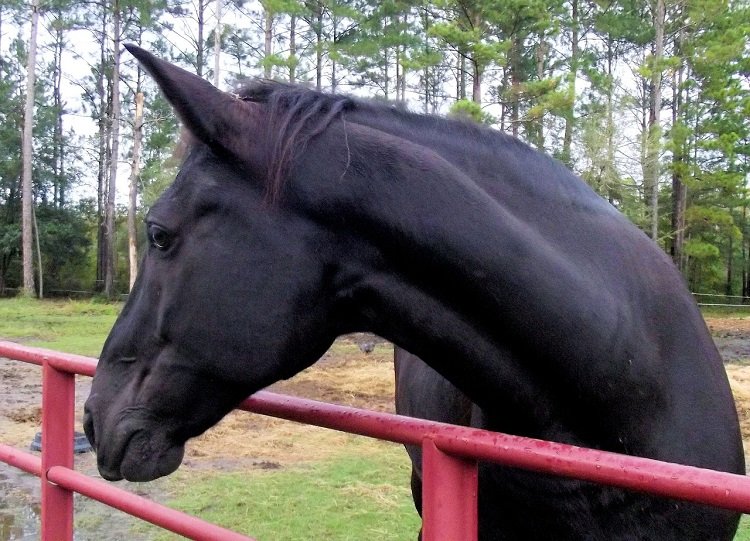
The Tennessee Walking Horse is widely recognized as one of the most comfortable riding horse breeds in the world. Developed in the southern United States, this breed was specifically bred to carry riders smoothly over long distances and uneven terrain. Its most famous characteristic is the running walk, a natural gait that minimizes bounce and provides an exceptionally smooth ride.
This unique movement makes the Tennessee Walking Horse especially appealing to riders who prioritize comfort, including older riders or those with physical limitations. The reduced impact on the rider’s body allows for longer riding sessions without discomfort. Beyond their gait, these horses are known for their calm and gentle temperament.
Tennessee Walking Horses are patient, tolerant, and generally easy to handle. They are well-suited for trail riding, leisure riding, and relaxed recreational use. While often associated with specific riding styles, they are adaptable and capable of meeting the needs of a wide range of riders. For individuals seeking a smooth, stress-free riding experience, this breed stands out as one of the best options available.
How to Choose the Best Horse Breed for Your Riding Goals
While breed characteristics provide helpful guidance, it is important to remember that individual horses vary widely. Training, handling, and care can significantly influence how a horse behaves under saddle. A well-trained horse from any of these breeds will generally outperform a poorly trained horse from even the most recommended breed.
Riders should consider their experience level, physical ability, and long-term goals when choosing a horse. Beginners often benefit from calm, predictable breeds such as the Quarter Horse or Morgan. Riders interested in endurance or long trail rides may prefer Arabians or Tennessee Walking Horses. Those pursuing athletic disciplines may find the Thoroughbred to be the best match.
Matching rider expectations with breed tendencies increases the likelihood of a successful and enjoyable partnership. Understanding what each breed offers helps riders make decisions that support both safety and satisfaction.