



Welcome to the Pet Breed Hub, where we dive deep into the charming world of the Mammals.
Table of Contents
ToggleMammals are a diverse class of animals, scientifically known as Class Mammalia. They are characterized by several key features that distinguish them from other animal classes:
Endothermy (Warm-Blooded): Mammals are endothermic, meaning they regulate their body temperature internally, allowing them to inhabit a wide range of environments.
Fur or Hair: All mammals have some form of fur or hair at some stage of their life. This hair serves various functions, including insulation, camouflage, and sensory purposes.
Mammary Glands: One of the defining characteristics of mammals is the presence of mammary glands in females, which produce milk to nourish their young. This feature is the source of the group’s name.
Live Births: Most mammals give birth to live young (viviparous), although there are exceptions, like the monotremes (e.g., platypus and echidnas), which lay eggs.
Three Middle Ear Bones: Mammals have three middle ear bones (malleus, incus, and stapes), which are involved in hearing. This distinguishes them from other vertebrates that typically have one or two.
Neocortex: Mammals have a well-developed brain, particularly the neocortex, which is responsible for higher-order brain functions like sensory perception, cognition, and generating motor commands.
Diverse Dentition: Mammals exhibit a wide variety of tooth structures, adapted to their specific diets. This includes incisors, canines, premolars, and molars.
Respiration and Circulation: Mammals have a diaphragm that aids in respiration and a four-chambered heart, which efficiently separates oxygenated and deoxygenated blood.
The class Mammalia includes more than 5,000 species, ranging from tiny bumblebee bats to the enormous blue whale. Mammals are found in almost every habitat on Earth, from deep oceans to high mountains, tropical forests to arctic tundras. They play vital roles in various ecosystems, including as herbivores, carnivores, and omnivores. Their diversity in form, function, and habitat is a testament to their evolutionary success.
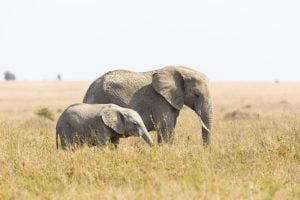
African Elephant (Loxodonta africana)
Scientific Name: Loxodonta africana
Life Span: 60–70 years
Weight: 2,200–6,000 kg
Height: 3.2-4.0 m
Location: Sub-Saharan Africa

Blue Whale (Balaenoptera musculus)
Scientific Name: Balaenoptera musculus
Life Span: 70–90 years
Weight: Up to 180 metric tons
Length: Up to 30 m
Location: Oceans worldwide
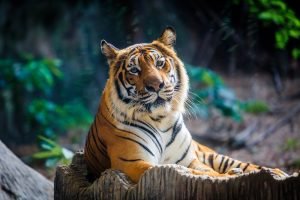
Bengal Tiger (Panthera tigris tigris)
Scientific Name: Panthera tigris tigris
Life Span: 8–10 years (wild), up to 20 years (captivity)
Weight: 180–258 kg
Height: 0.9–1.1 m at the shoulder
Location: India, Bangladesh, Nepal, Bhutan

Giant Panda (Ailuropoda melanoleuca)
Scientific Name: Ailuropoda melanoleuca
Life span: 15-20 years (wild), up to 30 years (captivity)
Weight: 75–135 kg
Height: 60–90 cm at the shoulder
Location: Central-western and southwestern China
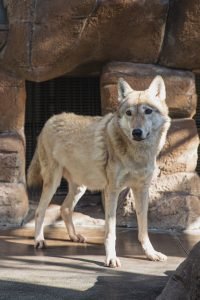
Gray Wolf (Canis lupus)
Scientific Name: Canis lupus
Life Span: 6–8 years (wild), up to 13 years (captivity)
Weight: 30–80 kg
Height: 60–85 cm at the shoulder
Location: North America, Eurasia

Koala (Phascolarctos cinereus)
Scientific Name: Phascolarctos cinereus
Life Span: 13-18 years
Weight: 4–15 kg
Height: 60–85 cm
Location: Eastern and southeastern Australia
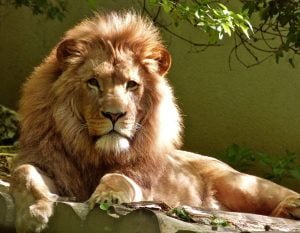
African Lion (Panthera leo)
Scientific Name: Panthera Leo
Life Span: 10–14 years (wild), up to 20 years (captivity)
Weight: 120–190 kg (males), 100–120 kg (females)
Height: 1.2 m at the shoulder
Location: Sub-Saharan Africa
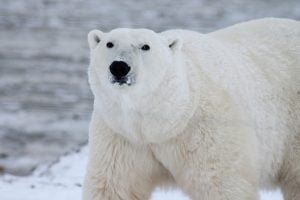
Polar Bear (Ursus maritimus)
Scientific Name: Ursus maritimus
Life Span: 15-18 years (wild), up to 30 years (captivity)
Weight: 350–700 kg
Height: 1.3–1.6 m at the shoulder
Location: Arctic Circle
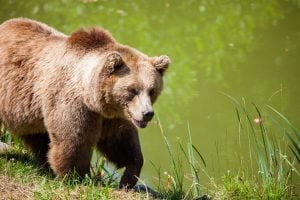
Grizzly Bear (Ursus arctos horribilis)
Scientific Name: Ursus arctos horribilis
Life Span: 20-25 years
Weight: 180–360 kg
Height: 1–1.5 m at the shoulder
Location: North America
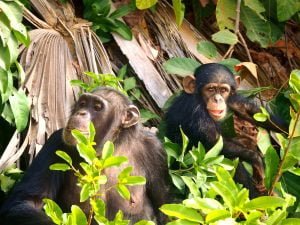
Chimpanzees (Pan troglodytes)
Scientific Name: Pan troglodytes
Life Span: 40–50 years
Weight: 40–65 kg (males), 32–47 kg (females)
Height: 1–1.2 m standing
Location: Central and West Africa
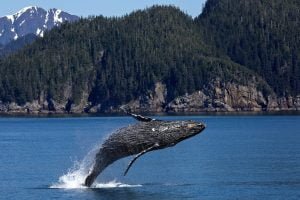
Humpback Whale (Megaptera novaeangliae)
Scientific Name: Megaptera novaeangliae
Life Span: 45–50 years
Weight: 25–30 metric tons
Length: 12-16 m
Location: All major oceans
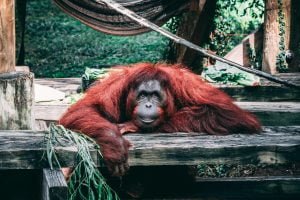
Orangutan (Pongo spp.)
Scientific Name: Pongo spp
Life Span: 30–40 years (wild), up to 50 years (captivity)
Weight: 40–90 kg (males), 30–50 kg (females)
Height: 1.2–1.5 m standing
Location: Borneo and Sumatra
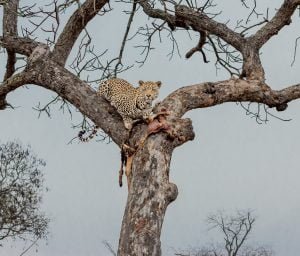
African Leopard (Panthera pardus pardus)
Scientific Name: Panthera pardus pardus
Life Span: 12–17 years
Weight: 30–65 kg
Height: 60–70 cm at the shoulder
Location: Sub-Saharan Africa
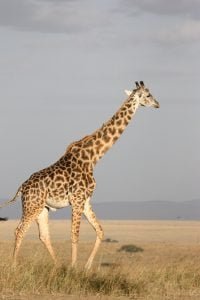 Giraffe (Giraffa camelopardalis)
Scientific Name: Giraffa camelopardalis
Life Span: 20–25 years
Weight: 800–1,200 kg
Height: 4.3–5.7 m
Location: Sub-Saharan Africa
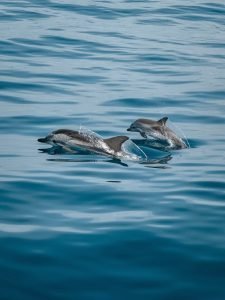
Bottlenose Dolphin (Tursiops truncatus)
Scientific Name: Tursiops truncatus
Life Span: 40–50 years
Weight: 150–650 kg
Length: 2-4 m
Location: Warm and temperate seas worldwide
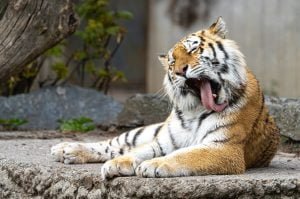
Siberian Tiger (Panthera tigris altaica)
Scientific Name: Panthera tigris altaica
Life Span: 15-20 years (wild), up to 25 years (captivity)
Weight: 180–306 kg
Height: 0.75–1.10 m at the shoulder
Location: Eastern Russia, North Korea and China
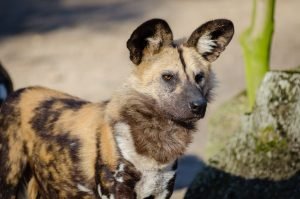
African Wild Dog (Lycaon pictus)
Scientific Name: Lycaon pictus
Life Span: 10–13 years
Weight: 18–36 kg
Height: 60–75 cm at the shoulder
Location: Sub-Saharan Africa
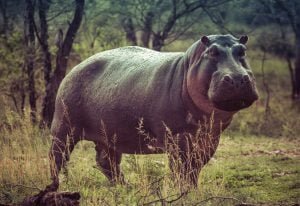
Hippopotamus (Hippopotamus amphibius)
Scientific Name: Hippopotamus amphibius
Life Span: 40–50 years
Weight: 1,500–3,200 kg
Height: 1.5 m at the shoulder
Location: Sub-Saharan Africa
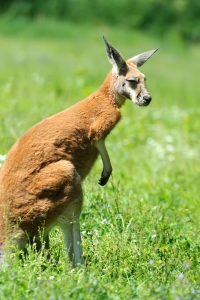
Red Kangaroo (Macropus rufus)
Scientific Name: Macropus rufus
Life Span: 12–18 years
Weight: 55–90 kg (males), 18–40 kg (females)
Height: Up to 1.8 m standing
Location: Australia
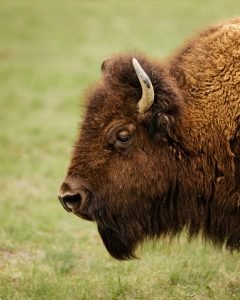
American Bison (Bison bison)
Scientific Name: Bison bison
Life Span: 12–20 years
Weight: 318–1,000 kg
Height: 1.5–1.8 m at the shoulder
Location: North America
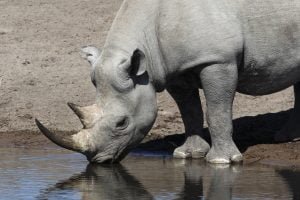
Rhinoceros (Rhinocerotidae spp.)
Scientific Name: Rhinocerotidae spp
Life Span: 35-50 years
Weight: 800–2,300 kg
Height: 1.5–2.0 m at the shoulder
Location: Africa, Southern Asia
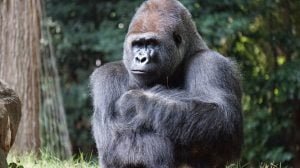
Mountain Gorilla (Gorilla beringei beringei)
Scientific Name: Gorilla beringei beringei
Life Span: 35–40 years
Weight: 135–220 kg (males), 70–100 kg (females)
Height: 1.5–1.8 m standing
Location: Central Africa (Uganda, Rwanda, DRC)
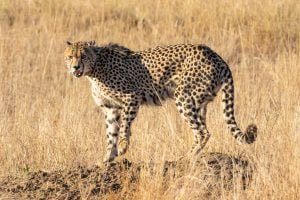
Cheetah (Acinonyx jubatus)
Scientific Name: Acinonyx jubatus
Life Span: 10–12 years (wild), up to 20 years (captivity)
Weight: 21–72 kg
Height: 70–90 cm at the shoulder
Location: Africa, Iran
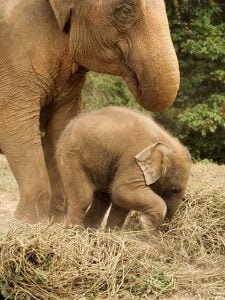
Asian Elephant (Elephas maximus)
Scientific Name: Elephas maximus
Life Span: 48–60 years
Weight: 2,000–5,000 kg
Height: 2–3 m
Location: South and Southeast Asia
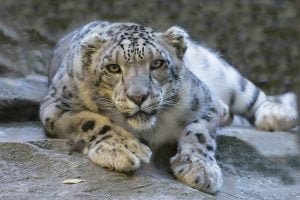
Snow Leopard (Panthera uncia)
Scientific Name: Panthera uncia
Life Span: 15–18 years (wild), up to 25 years (captivity)
Weight: 22–55 kg
Height: 60 cm at the shoulder
Location: Central and South Asia
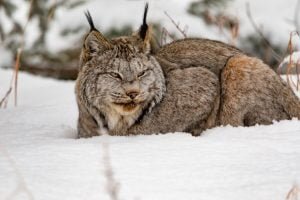
Canadian Lynx (Lynx canadensis)
Scientific Name: Lynx canadensis
Life Span: 10–14 years
Weight: 8–11 kg
Height: 48–56 cm at the shoulder
Location: Canada, Alaska, and some parts of the northern United States
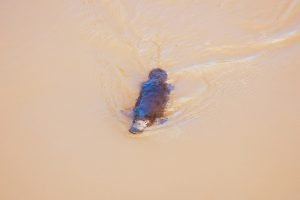
Platypus (Ornithorhynchus anatinus)
Scientific Name: Ornithorhynchus anatinus
Life Span: 13-17 years
Weight: 0.7–2.4 kg
Height: Not usually measured due to body shape
Location: Eastern Australia, Tasmania
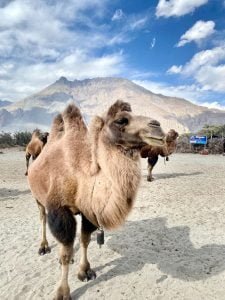
Bactrian Camel (Camelus bactrianus)
Scientific Name: Camelus bactrianus
Life Span: 40–50 years
Weight: 300–1,000 kg
Height: 1.8–2.3 m at the shoulder
Location: Central Asia
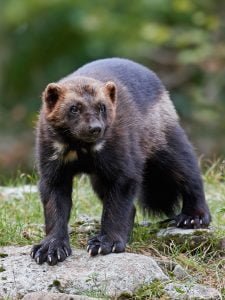
Wolverine (Gulo gulo)
Scientific Name: Gulo gulo
Life Span: 7–12 years (wild), up to 17 years (captivity)
Weight: 9–25 kg
Height: 30–45 cm at the shoulder
Location: Northern boreal forests and subarctic and alpine tundra
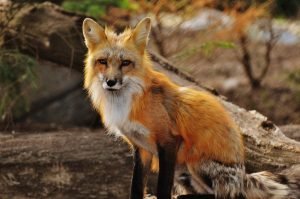
Red Fox (Vulpes vulpes)
Scientific Name: Vulpes vulpes
Life Span: 3–4 years (wild), up to 14 years (captivity)
Weight: 3.6–7.2 kg
Height: 35–50 cm at the shoulder
Location: Across the Northern Hemisphere

Manatee (Trichechus spp.)
Sickness Name: Trichechus spp
Life Span: 40–60 years
Weight: 400–550 kg
Length: 2.8–3.0 m
Location: West Africa, Amazon Basin, West India
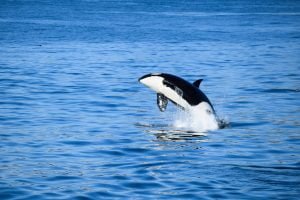
Orca (Killer Whale) (Orcinus orca)
Scientific Name: Orcinus orca
Life Span: 50-80 years
Weight: Up to 6 metric tons
Length: 6–8 m
Location: All oceans, from the Arctic and Antarctic to tropical seas
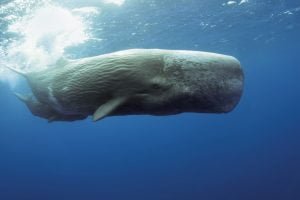
Sperm Whale (Physeter macrocephalus)
Scientific Name: Physeter macrocephalus
Life Span: 60-70 years
Weight: 35–45 metric tons
Length: 16–20 m
Location: Worldwide oceans

Narwhal (Monodon monoceros)
Scientific Name: Monodon monoceros
Life Span: Up to 50 years
Weight: 800–1,600 kg
Length: 4–5 m
Location: Arctic waters
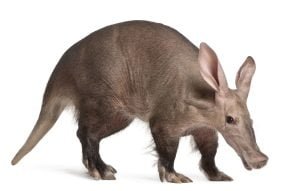
Aardvark (Orycteropus afer)
Scientific Name: Orycteropus afer
Life Span: 23 years
Weight: 40–65 kg
Length: 1.0–1.3 m (body), 45–60 cm (tail)
Location: Sub-Saharan Africa
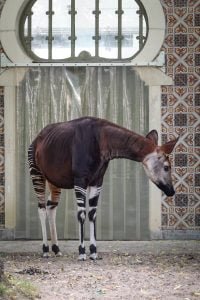
Okapi (Okapia johnstoni)
Scientific Name: Okapia Johnstoni
Life Span: 20–30 years
Weight: 200–350 kg
Height: 1.5 m at the shoulder
Location: Northeastern Democratic Republic of the Congo

Pangolin (Manidae spp.)
Scientific Name: Manidae spp
Life Span: 20 years
Weight: 2–35 kg (depending on species)
Length: 30–100 cm (excluding tail)
Location: Asia, Africa
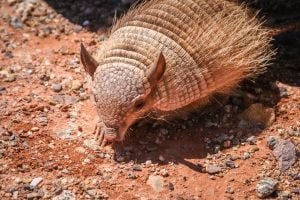
Armadillo (Dasypodidae spp.)
Scientific Name: Dasypodidae spp
Life Span: 12–15 years
Weight: 3–50 kg (depending on species)
Length: 30–100 cm (excluding tail)
Location: Americas
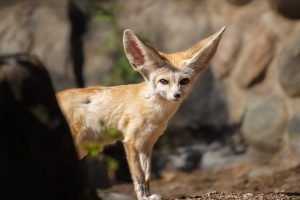
Fennec Fox (Vulpes zerda)
Scientific Name: Vulpes zerda
Life Span: Up to 14 years
Weight: 0.7–1.6 kg
Height: 20 cm at the shoulder
Location: Sahara Desert, North Africa
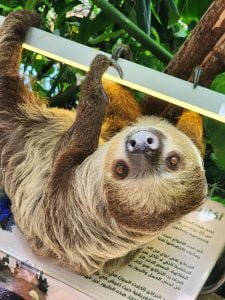
Sloth (Folivora spp.)
Scientific Name: Folivora spp.
Life Span: 20–30 years
Weight: 3.6–7.7 kg (depending on species)
Length: 50–70 cm
Location: Central and South America
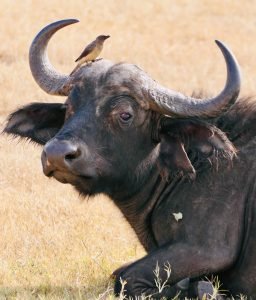
African Buffalo (Syncerus caffer)
Scientific Name: Syncerus caffer
Life Span: 20–30 years
Weight: 500–1,000 kg
Height: 1.0–1.7 m at the shoulder
Location: Sub-Saharan Africa
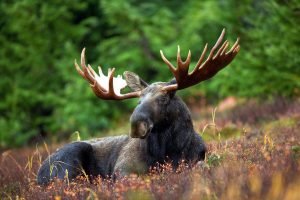
Moose (Alces alces)
Scientific Name: Alces alces
Life Span: 15–25 years
Weight: 380–700 kg
Height: 1.4–2.1 m at the shoulder
Location: Northern North America, Europe, and Asia
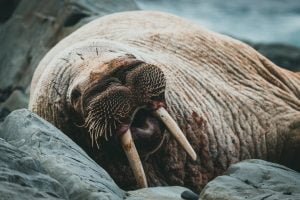
Walrus (Odobenus rosmarus)
Scientific Name: Odobenus rosmarus)
Life Span: 20–30 years
Weight: 600–1,500 kg
Length: 2.2–3.6 m
Location: Arctic Ocean and subarctic seas

Dugong (Dugong dugon)
Scientific Name: Dugong dugon
Life Span: 70 years
Weight: 250–420 kg
Length: 2.4–2.7 m
Location: Coastal waters of the Indian and western Pacific Oceans
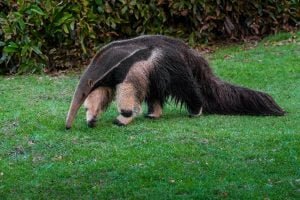
Giant Anteater (Myrmecophaga tridactyla)
Scientific Name: Myrmecophaga tridactyla
Life Span: 14–16 years
Weight: 18–39 kg
Length: 1.8–2.2 m (including tail)
Location: Central and South America
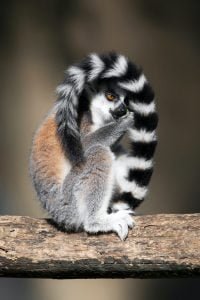
Ring-tailed Lemur (Lemur catta)
Scientific Name: Lemur catta
Life Span: 16–19 years
Weight: 2.2–3.5 kg
Height: 39–46 cm (body length)
Location: Madagascar

Beluga Whale (Delphinapterus leucas)
Scientific Name: Delphinapterus leucas
Life Span: 35–50 years
Weight: 1,400–1,600 kg
Length: 4–6 m
Location: Arctic and sub-Arctic waters
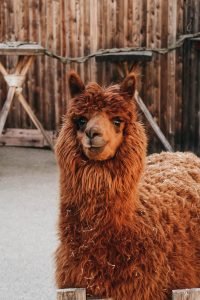
Llama (Lama glama)
Scientific Name: Lama glama)
Life Span: 15–25 years
Weight: 130–200 kg
Height: 1.7–1.8 m at the top of the head
Location: South America
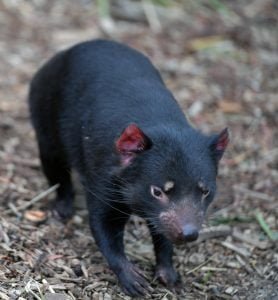
Tasmanian Devil (Sarcophilus harrisii)
Scientific Name: Sarcophilus harrisii
Scientific Name: Sarcophilus harrisii
Life Span: 5–6 years (wild), up to 8 years (captivity)
Weight: 4–12 kg
Height: 30 cm at the shoulder
Location: Tasmania, Australia

Spotted Hyena (Crocuta crocuta)
Scientific Name: Crocuta crocuta
Scientific Name: Crocuta crocuta
Life span: 12–25 years
Weight: 40–86 kg
Height: 70–92 cm at the shoulder
Location: Sub-Saharan Africa
FAQS About Mammals
1: What defines a mammal?
Mammals are characterized by warm-bloodedness, fur or hair, mammary glands, live births (mostly), three middle ear bones, a neocortex, diverse dentition, and a four-chambered heart.
2: How many species of mammals are there?
There are over 5,000 known species of mammals.
3: Do all mammals give birth?
Most mammals give live birth, but some, like the platypus and echidnas (monotremes), lay eggs.
4: What is the largest mammal?
The blue whale is the largest mammal and the largest animal ever, reaching lengths up to 30 meters.
5: What is the smallest mammal?
The bumblebee bat is one of the smallest mammals, weighing around 2 grams.
6: Can mammals live in water?
Yes, several mammals, like whales, dolphins, and manatees, are fully aquatic.
7: What do mammals eat?
Mammals have diverse diets, ranging from strictly herbivorous to carnivorous, and many are omnivores.
8: How long do mammals live?
Lifespans vary widely, from a few years for some rodents to over 200 years for some whale species.
9: Do all mammals have fur or hair?
Yes, all mammals have some form of fur or hair at some point in their lives.
10: Are bats the only mammals that can fly?
Yes, bats are the only mammals capable of sustained flight.
11: What is the most common mammal?
The most widespread and numerous mammal is the human, followed by animals like rats and mice.
12: How do mammals regulate their body temperature?
Mammals are endothermic, meaning they generate heat internally and maintain a constant body temperature.
13: What are the biggest threats to mammals?
The biggest threats include habitat loss, climate change, hunting, and pollution.
14: Are all mammals social animals?
Not all; social structures vary widely, from solitary to living in large groups or complex societies.
15: How do mammals communicate?
Mammals communicate in various ways, including vocalizations, body language, scent marking, and more.
16: Do mammals have a good memory?
Many mammals, especially those with larger brains like elephants and primates, have excellent memory.
17: Can mammals be found in every environment?
Mammals inhabit nearly every environment on Earth, from deep oceans to high mountains and arid deserts.
18: What is the most endangered mammal?
Several species are critically endangered, like the Javan rhino and Vaquita (a type of porpoise).
19: How do mammals benefit ecosystems?
Mammals play crucial roles as predators, prey, seed dispersers, and maintaining ecological balance.
20: Can mammals adapt to climate change?
While some mammals can adapt to changing conditions, rapid climate change poses a significant threat to many species.
References And External Links
National Geographic: Mammals:
National Geographic’s Mammals Page
A comprehensive resource for information on various mammal species, their habitats, behaviors, and conservation status.
Smithsonian National Museum of Natural History, North American Mammals:
Smithsonian’s North American Mammals
Offers detailed information on North American mammals, including an interactive map and a searchable database.
IUCN Red List of Threatened Species:
Provides conservation status and detailed species accounts for mammals worldwide, helping understand threats and conservation needs.
Animal Diversity Web (University of Michigan):
An online database of animal natural history, distribution, classification, and conservation biology at the University of Michigan.
BBC Wildlife: Mammals:
BBC Wildlife Magazine – Mammals
Offers articles, news, and facts about mammals, along with stunning wildlife photography.
ARKive: Mammals:
Provides multimedia resources about the world’s endangered species, including a rich section on various mammals.
Encyclopedia Britannica, Mammal:
A detailed and authoritative source of information on the taxonomy, characteristics, and behavior of mammals.