
Welcome to the Pet Breed Hub, your go-to destination for all things related to pet breeds! Today, we’re taking a flight into the fascinating world of the snowy owls. Let’s dive into a realm where feathers meet the sky!
Quick Facts
Scientific Name: Bubo scandiacus
Habitat: Arctic regions
Diet: Mainly rodents
Lifespan: 9 to 10 years
Record Ages: 28 years in captivity
Snowy Owl Habitat
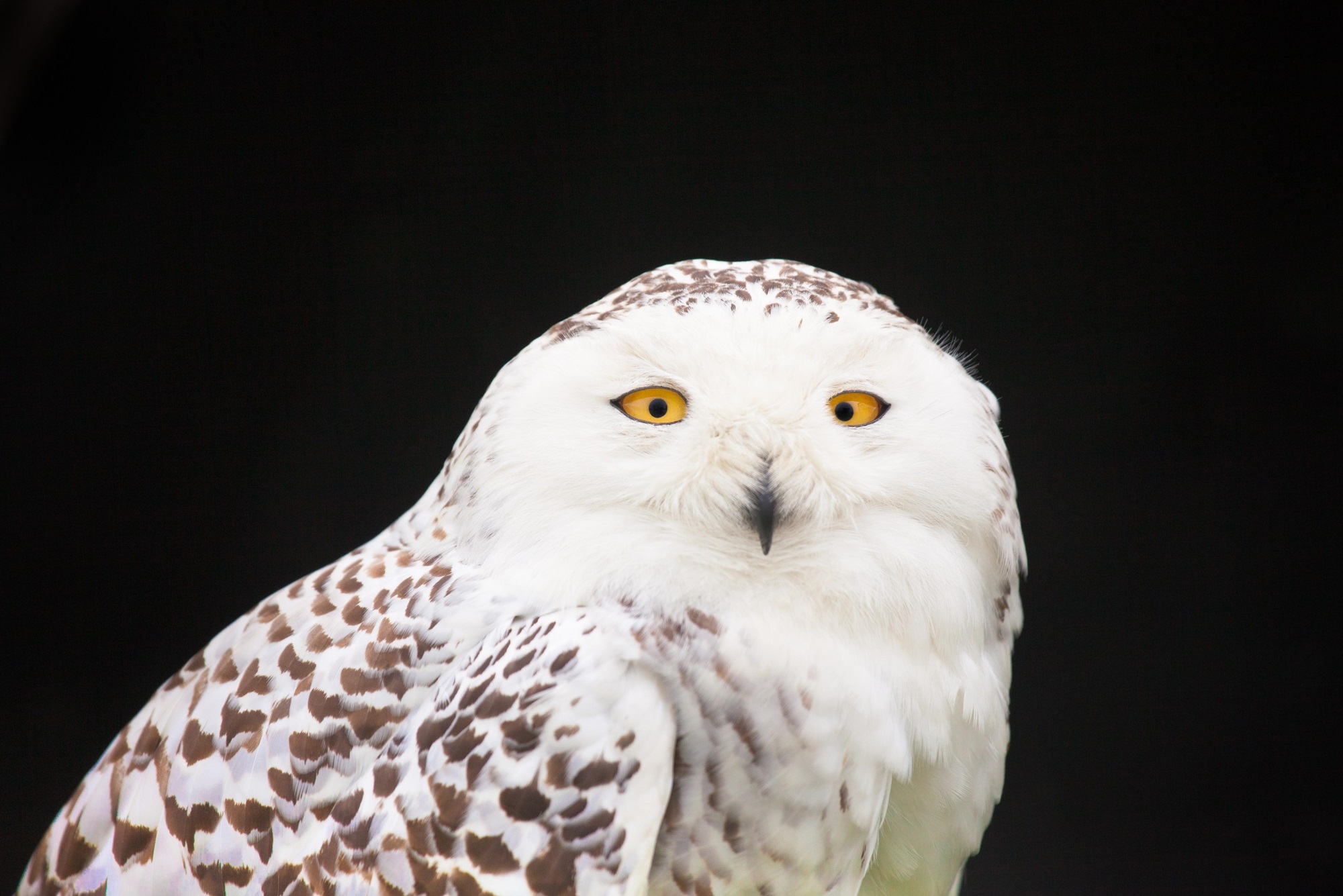
The Arctic Home
Location: Snowy owls make their homes in the chilly Arctic regions.
Landscape Features: They love wide, open spaces like tundra, coastal dunes, and fields.
Adaptations for the Cold
Insulation: Their thick feathers keep them cozy in freezing temperatures.
Color Camouflage: Their white plumage blends seamlessly with the snow—a perfect hideout!
Nesting Habits
Ground Nesters: Unlike many birds, Snowy Owls nest on the ground.
Nesting Sites: They choose slightly elevated areas to keep an eye out for predators and prey.
Seasonal Changes
Winter vs. Summer: Their habitat changes dramatically with the seasons, from endless daylight in summer to continuous nights in winter.
Nomadic Traits: Depending on food availability, they may travel great distances.
Protecting Their Habitat
Threats: Climate change and human activities are impacting their homes.
Conservation Efforts: Protecting Arctic environments is crucial for their survival.
Diet
Main Course: Rodents Galore
Lemmings: A Snowy Owl Favorite. Did you know a single owl can eat up to 1,600 lemmings a year?
Other Rodents: They also snack on voles and mice.
Supplementing the Feast
Birds and Fish: When rodents are scarce, they switch to birds and occasionally fish.
Variety is key: This diverse diet helps them survive in the harsh Arctic environment.
Hunting Skills
Stealth and Surprise: With silent flight, they swoop down on unsuspecting prey.
Sharp Vision: Their keen eyesight spots prey from great distances, even under snow.
Impact of Climate on Diet
Changing Prey Availability: Climate change affects prey populations, influencing the Snowy Owl’s diet.
Adaptability: Luckily, their varied diet allows them to adapt to these changes.
Lifespan
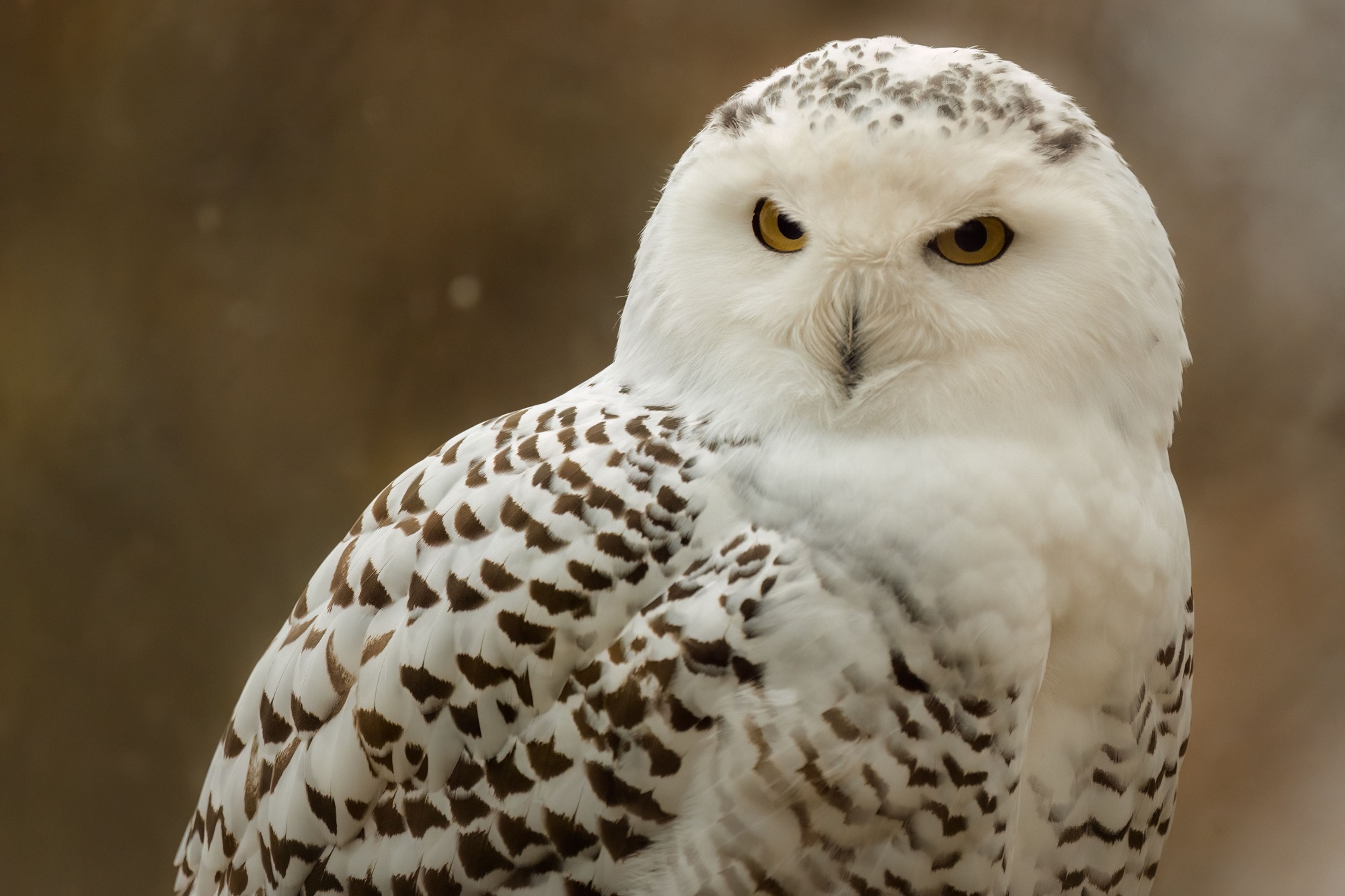
Average Years in the Arctic
In the Wild: Snowy Owls typically live around 9 to 10 years.
Record Ages: Some have been known to reach up to 28 years in captivity.
Factors Influencing Lifespan
Natural Predators: Few, but include Arctic foxes and wolves in their younger stages.
Human Impact: Sadly, human activities like habitat destruction can shorten their lives.
Survival Skills
Adaptability: Their ability to find food and thrive in harsh climates boosts their longevity.
Parental Care: Strong parental protection helps increase the survival rates of the young.
Conservation and Lifespan
Environmental Threats: Climate change and pollution pose significant risks.
Conservation Efforts: Protecting their habitats is key to extending their lives in the wild.
FAQs
1: What do Snowy Owls eat?
Mainly rodents like lemmings, but they also eat birds and fish.
2: How long do Snowy Owls live?
They usually live around 9 to 10 years in the wild.
3: Can Snowy Owls be kept as pets?
No, they are wild birds with specific needs that are difficult to meet in captivity.
4: Where do Snowy Owls live?
They primarily live in the Arctic regions, in open, treeless areas.
5: Do Snowy Owls migrate?
Yes, they are known to migrate based on prey availability.
6: What are the main threats to Snowy Owls?
Climate change, habitat destruction, and pollution are significant threats.
7: How do Snowy Owls hunt?
They hunt using their keen eyesight and silent flight to surprise prey.
8: Are Snowy Owls endangered?
They are currently listed as vulnerable due to environmental changes.
9: Do male and female Snowy Owls look different?
Yes, males are almost all white, while females have more black markings.
10: When do Snowy Owls breed?
They typically breed during the summer in the Arctic.
11: What does the snowy owl symbolize?
The Snowy Owl carries rich symbolism across various cultures and contexts. Here are some of the key symbolic meanings associated with this majestic bird:
Wisdom and Knowledge: In many cultures, owls are seen as symbols of wisdom. The Snowy Owl, with its serene and composed demeanor, amplifies this symbolism, often being associated with knowledge and intelligence.
Mystery and Magic: Due to their nocturnal habits and silent flight, owls have been linked to mystery and the mystical. The Snowy Owl, in particular, with its ethereal appearance, often features in tales and folklore as a magical or otherworldly creature.
Transition and Change: Owls are known for their ability to see in the dark, making them symbols of navigating through change and uncertainty. The Snowy Owl, a nomadic bird that adapts to the harsh conditions of the Arctic, embodies resilience and adaptability in the face of change.
Feminine Power: In some traditions, the Snowy Owl is seen as a symbol of feminine power and fertility, perhaps due to its nurturing behavior during the breeding season.
Purity and Guidance: The Snowy Owl’s white plumage is often associated with purity, light, and truth. In spiritual and metaphysical contexts, the bird is sometimes seen as a guide to uncover hidden truths and illuminate one’s journey.
Silent Observation and Stealth: The Snowy Owl’s hunting strategy of silent observation and stealth has led to its association with being able to see what others might miss and the idea of unspoken wisdom.
Protection and Vigilance: In some Native American cultures, the Snowy Owl is seen as a protector, warding off evil spirits with its presence.
12: What are the characteristics of a snowy owl?
The Snowy Owls (Bubo scandiacus) is a distinctive and captivating bird, notable for its unique characteristics that are well-adapted to its Arctic habitat. Here are some key features:
Appearance
Size: One of the largest species of owl, with a body length of about 20–28 inches and a wingspan of 4.2–4.8 feet.
Plumage: They have thick, white feathers with varying amounts of black or brown spotting and barring, which provides excellent camouflage in snowy environments.
Sexual Dimorphism: Males are generally whiter than females, who tend to have more dark markings.
Eyes
They have large, round, yellow eyes that are forward-facing, providing them with exceptional binocular vision.
Hearing
Snowy owls have a highly developed sense of hearing, which is crucial for locating prey under the snow.
Beak and Talons
Their beak is short, curved, and powerful, well-suited for tearing prey.
They have strong, sharp talons used for hunting and grasping prey.
Adaptations for Cold
Their feathered feet act as natural snowshoes and provide insulation against the cold.
Thick plumage offers additional protection from Arctic temperatures.
Hunting and Diet
Snowy owls are carnivorous, primarily preying on small mammals like lemmings. They also eat birds and fish.
They are daytime hunters (diurnal), which is unusual for owls.
Behavior
They are generally solitary and territorial birds.
During the breeding season, they can become more social and protective of their nesting area.
Flight
Their flight is powerful and direct, with deep wingbeats.
They are capable of long-distance flights, especially during migration.
Vocalization
Their calls include a range of hoots, barks, and whistles used for communication, particularly during the breeding season.
Breeding
Nesting usually occurs on the ground, where they lay a clutch of 3–11 eggs.
Both parents participate in rearing the young.
Conclusion
The Snowy Owl is a majestic creature that captivates our imaginations. By understanding and respecting these magnificent birds, we can ensure their survival for generations to come.
References And External Links
Google Scholar (scholar.google.com): For academic papers and scholarly articles on Snowy Owls.
Audubon Society (audubon.org): For bird conservation information, including details on Snowy Owls.
World Wildlife Fund (worldwildlife.org): For information on wildlife conservation efforts.
BirdLife International (birdlife.org): For detailed species profiles and conservation status.
National Geographic (nationalgeographic.com): For wildlife documentaries and articles on Snowy Owls.
Cornell Lab of Ornithology: All About Birds (allaboutbirds.org): For comprehensive information on bird species, including snowy owls,.
JSTOR (jstor.org): For accessing various research papers and journals.
The Sibley Guide to Birds (sibleyguides.com): For field guides and books on birds.
ResearchGate (researchgate.net): For scientific research articles and papers.
BBC Earth (bbcearth.com): For nature documentaries that may feature Snowy Owls.