
Welcome to the Pet Breed Hub. Today, we’re diving into the world of the Tennessee Walking Horse, the four-legged maestro known for its signature smooth gait. Saddle up as we embark on a journey through markdowns, lists, and captivating content. Let’s hoof it!
Breed Overview
| Aspect | Description |
|---|---|
| Origin | Tennessee, United States |
| Breed Purpose | Riding, Pleasure, Trail Riding, Show Competitions, and Endurance Riding |
| Average Height | 15 to 17 hands |
| Average Weight | 900 to 1,200 pounds |
| Physical Traits | Muscular build, sloping shoulders, refined head, distinctive running walk gait |
| Temperament | Gentle, Calm, Intelligent, and willing to Please |
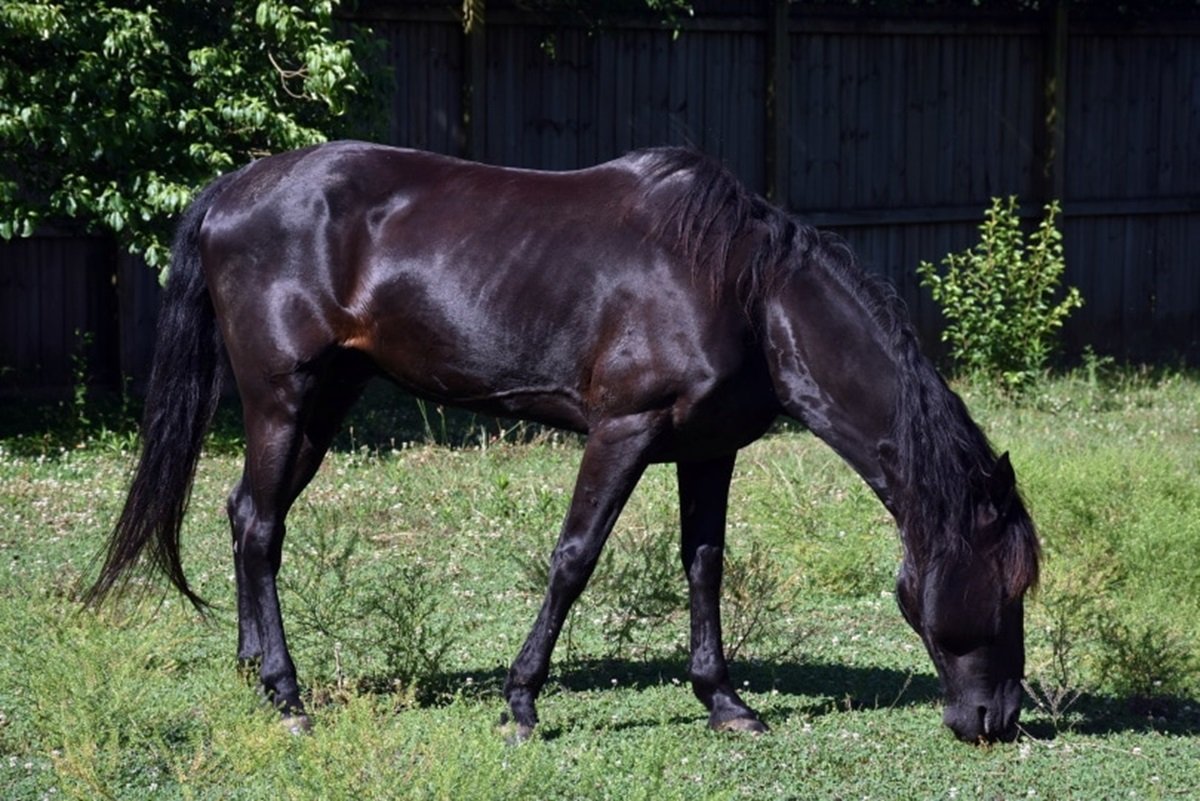
| Colors | Black, Bay, Chestnut, Roan, Palomino, and Gray, with various white markings or sabino patterns |
| Versatility | Suitable for various disciplines, including trail riding, pleasure riding, endurance riding, and competitions |
| Recognition | It is well-known globally for its smooth gaits and versatility |
Walking Horse: A Stroll Through History
Origins
The Tennessee Walking Horse, often revered as the epitome of elegance and grace, traces its roots back to the rolling hills of Tennessee, USA. It’s a tale as rich as molasses, filled with the spirit of the American South and the ingenuity of its people.
Early Influences
In the late 19th century, horse enthusiasts in Tennessee sought to create a breed that excelled in smoothness and stamina – qualities essential for long hours of plantation work and leisurely rides through the countryside. To achieve this, they crossed sturdy local horses with Spanish Mustangs, Canadian Pacers, and Narragansett Pacers. This unique blend of breeds laid the foundation for what would become the Tennessee Walking Horse.
The Birth of a Breed
By the early 20th century, the Tennessee Walking Horse had gained recognition for its exceptional gait – the “running walk.” This natural, four-beat gait is characterized by a smooth, gliding motion, providing riders with unparalleled comfort and style. The breed’s popularity soared, earning it a reputation as a versatile and dependable partner for riders of all disciplines.
Growth and Recognition
In 1935, the Tennessee Walking Horse Breeders’ Association was established to preserve and promote the breed’s unique qualities. Over the years, dedicated breeders and enthusiasts have worked tirelessly to refine and enhance the Tennessee Walking Horse, resulting in the development of distinct bloodlines and breeding standards. In 1950, the first Tennessee Walking Horse National Celebration was held in Shelbyville, Tennessee, solidifying the breed’s place in American equestrian culture.
Endurance and Legacy
Today, the Tennessee Walking Horse continues to captivate hearts and minds around the world. From the show ring to the trail, these majestic equines showcase their versatility, athleticism, and gentle disposition. With each hoofbeat, they carry on the legacy of their ancestors, embodying the spirit of the American South and the enduring bond between horse and rider.
Temperament & Intelligence

The Tennessee Walking Horse is renowned for its gentle and calm temperament, making it an excellent choice for riders of all levels, including beginners. Their amiable nature makes them easy to handle and train, often developing strong bonds with their owners.
Gentle Demeanor
Walking horses are known for their docile and easy-going temperament. They typically exhibit a calm demeanor, which contributes to their popularity as pleasure and trail-riding horses.
Versatility
Despite their size and strength, walking horses are remarkably gentle and sensitive. They excel in various disciplines, including pleasure riding, trail riding, endurance riding, and even competitive events such as dressage and show jumping.
Intelligent
These horses are highly intelligent and quick learners, making them relatively easy to train. They have a keen sense of their surroundings and are responsive to their rider’s cues, making them suitable for both novice and experienced riders.
Steady Temperament
Tennessee Walking horses are known for their steady temperament, which allows them to remain calm and composed even in challenging situations. This trait makes them dependable companions on long trail rides or in busy show environments.
Affectionate
Many owners of walking horses describe them as affectionate and loyal companions. They often form strong bonds with their owners and enjoy human interaction, whether it’s grooming sessions, trail rides, or simple companionship.
Adaptability
Tennessee Walking horses are adaptable to various environments and lifestyles. Whether kept in a pasture or a stable, they adjust well to their surroundings and thrive with regular exercise and mental stimulation.
Color, Grooming, Facts, and Abuse
Color Varieties
Diverse Coat Colors: Walking horses come in various coat colors, including black, bay, chestnut, palomino, roan, and grey. Some horses exhibit striking patterns such as pinto or tobiano, adding to their visual appeal.
Grooming Requirements
Regular Maintenance: Proper grooming is essential to maintaining the health and appearance of walking horses. This includes brushing their coat to remove dirt and debris, cleaning their hooves, and regularly trimming their mane and tail.
Interesting Facts
Distinctive Gait: The Tennessee Walking Horse is famous for its unique gait, known as the “running walk.” This smooth, four-beat gait provides a comfortable ride for both horse and rider.
Historical Significance: Developed in the southern United States during the late 19th century, the Tennessee Walking Horse was initially bred for its smooth gait, making it suitable for plantation owners and farmers who spent long hours in the saddle.
Abuse Concerns
Soring Controversy: Unfortunately, the Tennessee Walking Horse has been the subject of controversy due to the practice of “soring.” Soring involves the application of chemicals or mechanical devices to a horse’s legs to induce pain and produce an exaggerated gait in the show ring.
Legal Protections: In response to concerns about soring, the U.S. government passed the Horse Protection Act in 1970, which prohibits the practice of soring and mandates inspections at horse shows to ensure compliance with the law. However, enforcement of the law remains a challenge, and instances of soring still occur within the industry.
FAQs
1: What makes Tennessee Walking Horses unique?
Walking Horses are known for their smooth, gliding gait called the “running walk,” which sets them apart from other breeds.
2: What colors do Tennessee Walking Horses come in?
These horses can exhibit a variety of coat colors, including black, bay, chestnut, palomino, roan, and grey.
3: How tall do Tennessee Walking Horses usually grow?
On average, walking horses stand between 14.3 and 17 hands (59 to 68 inches) tall at the withers.
4: What is the temperament of Tennessee Walking Horses?
Tennessee Walking Horses are known for their gentle and docile temperament, making them suitable for riders of all skill levels.
5: How often should Tennessee Walking Horses be groomed?
Regular grooming is essential to keeping Tennessee walking horses healthy and comfortable. They should be brushed regularly to remove dirt and debris from their coat.
6: Are Tennessee Walking Horses prone to any health issues?
While generally robust, Tennessee Walking Horses may be susceptible to certain health issues like laminitis and colic. Regular veterinary check-ups are recommended to monitor their health.
7: What kind of activities are Tennessee Walking Horses suitable for?
Tennessee Walking Horses excel in various equestrian disciplines, including trail riding, pleasure riding, and even competitive showing.
8: What is soring, and why is it a concern for Tennessee Walking Horses?
Soring is the unethical practice of inducing pain in a horse’s legs to exaggerate its gait. It is a significant concern within the Tennessee walking horse industry and is strictly prohibited by law.
9: How can I ensure the welfare of Tennessee Walking Horses?
By supporting reputable breeders, practicing responsible ownership, and advocating for humane treatment, individuals can contribute to the welfare of Tennessee walking horses.
10: Where can I learn more about Tennessee Walking Horses?
Visit TopPetBreeds.com for comprehensive information, articles, and resources on Tennessee Walking Horses and other pet breeds.