
Welcome to the Pet Breed Hub, your go-to spot for diving into the fascinating universe of pet breeds! Today, we’re sliding into the realm of one of the most intriguing pets you can have: the Giant African Land Snail (GALS). Buckle up for a slimy but captivating adventure!
Overview (Achatina fulica)
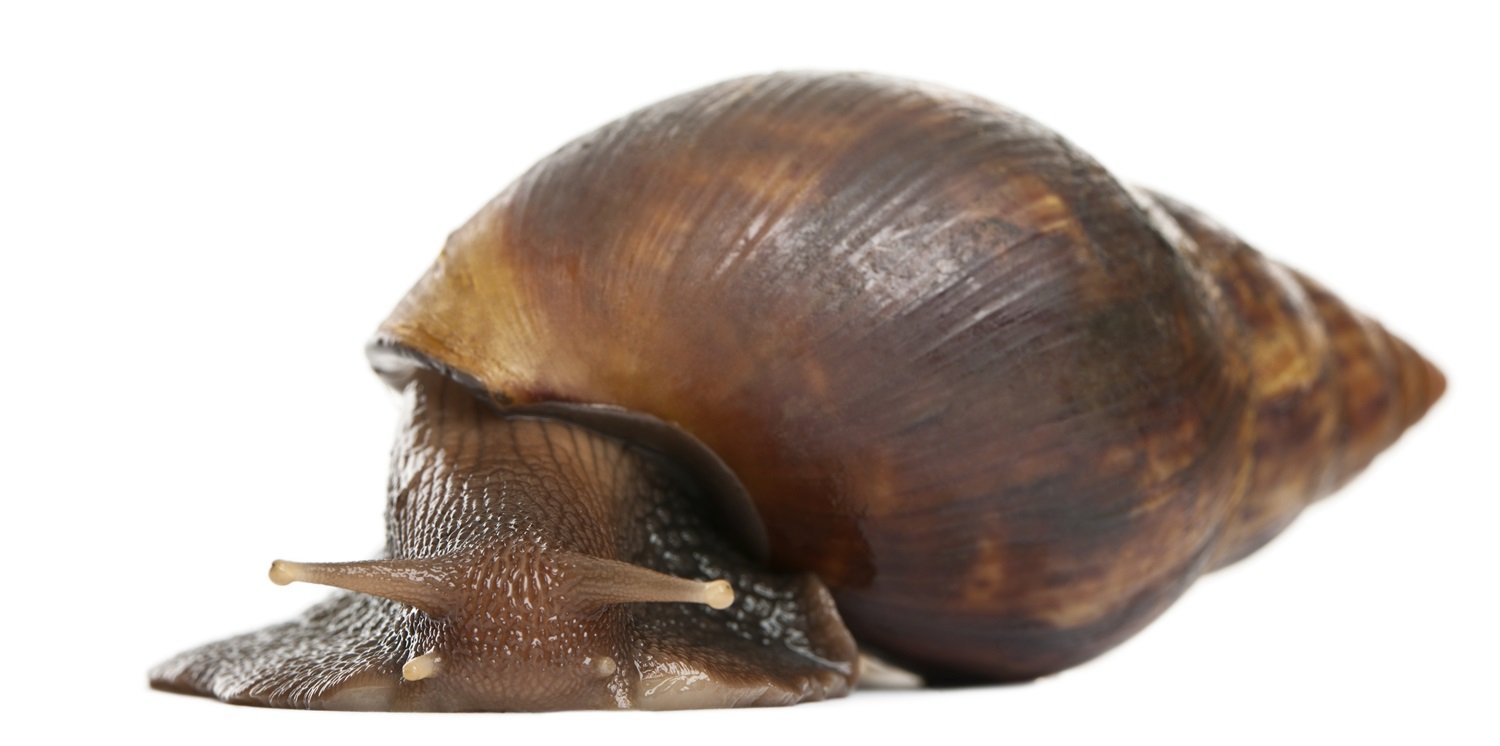
| Feature | Details |
|---|---|
| Origin | Africa |
| Size | Up to 8 inches in length |
| Lifespan | Up to 10 years with proper care |
| Diet | Fruits, vegetables, and calcium supplements for shell health |
| Habitat Needs | A humid, temperature-controlled environment with soil and space for burrowing |
| Behavior | Gentle, non-aggressive, and nocturnal |
| Care Level | Low to moderate; daily misting for humidity, regular feeding, and occasional tank cleaning |
| Social Needs | Can live solo or with others; does not require social interaction but tolerates cohabitation |
| Unique Traits | They are known for their impressive size and ability to eat a wide variety of plants |
| Legal Status | Check local regulations, as they may be considered invasive in some areas |
Diet and Habitat
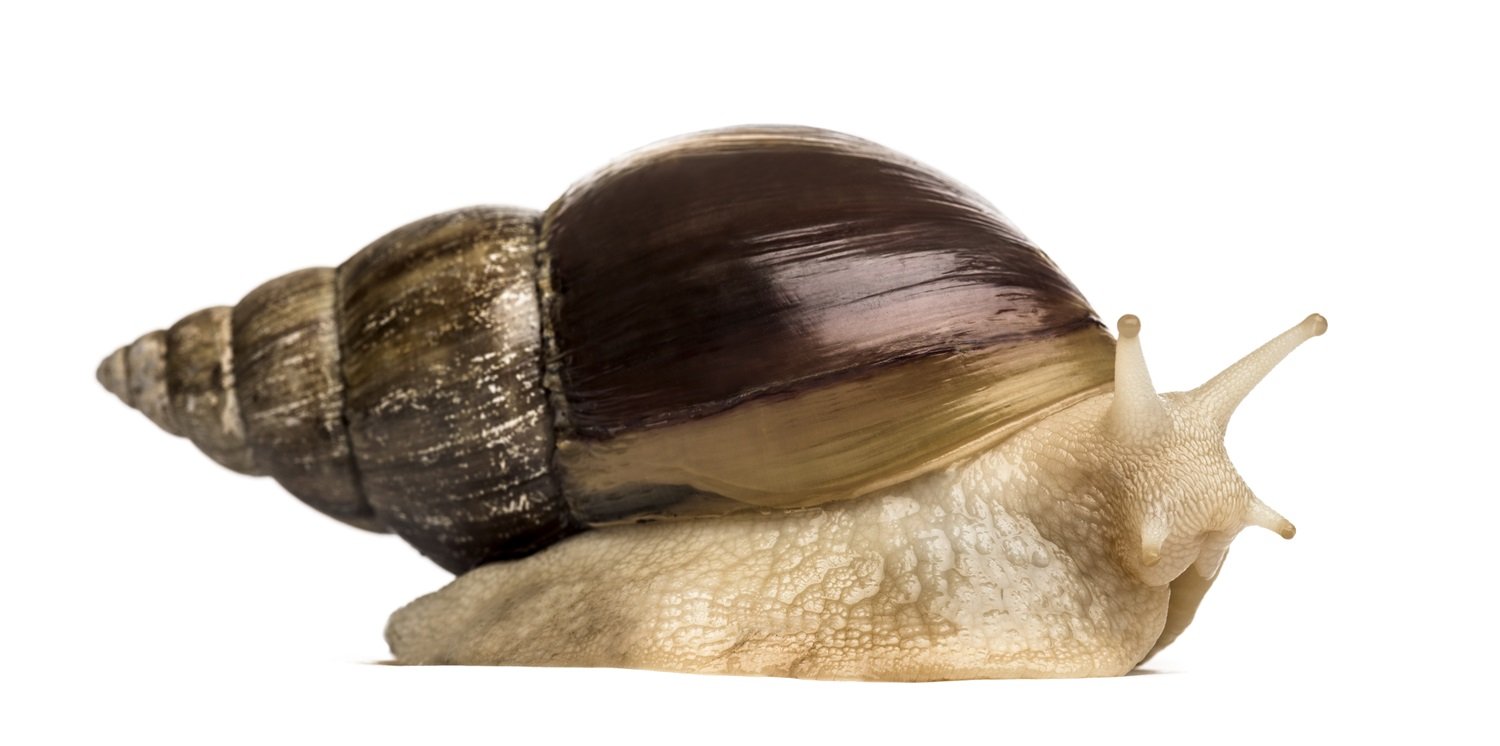
Diet
Giant African Land Snails have a varied diet that is easy to cater to. They thrive on a mixture of:
Vegetables
Such as cucumber, carrots, and lettuce, which provide hydration and essential nutrients.
Fruits
Apples, bananas, and melons are favorites, but introduce fruits in moderation to avoid sugaring.
Calcium Supplement
Essential for shell health. This can be provided through cuttlebone pieces or calcium powder sprinkled over their food.
Avoid Citrus and Salty Foods
These can harm the snail, so they’re best left out of their diet.
Proper nutrition is crucial for their growth, shell development, and overall health.
Habitat
Creating a comfortable living space for Giant African Land Snails is key to their wellbeing. Here’s what their ideal habitat includes:
Terrarium or Tank
A spacious enclosure with a secure lid to prevent escapes. The size of the habitat should grow with the snail, providing ample space for movement and exploration.
Substrate
A layer of moist soil, coconut fiber, or peat moss at the bottom of their enclosure allows for burrowing and lays the foundation for a humid environment.
Humidity and Temperature
GALS thrive in high humidity (around 75–95%) and temperatures between 68–78°F (20–25°C). Regular misting and a heat source can help maintain these conditions.
Hideaways and Climbing Objects
Pieces of bark, hollow logs, and non-toxic plants offer enrichment, allowing snails to hide and explore.
Cleaning
Regular cleaning of their habitat is necessary to prevent mold and bacterial growth, ensuring a healthy environment for the snails.
Caring
Caring for Giant African Land Snails (GALS) involves a few key practices that ensure they live a healthy and happy life. Here’s a breakdown of the essentials:
Environment Management
Humidity
Maintain high humidity (around 75–95%) in their enclosure to mimic their natural tropical habitat. This can be achieved with daily misting.
Temperature
Keep the temperature within a comfortable range of 68–78°F (20–25°C). Use heating pads if necessary, especially in cooler climates.
Space
Provide a spacious enclosure with a secure lid, as GALS can grow large and are surprisingly good at escaping.
Feeding
Offer a varied diet consisting of fruits, vegetables, and a calcium source for shell health. Avoid citrus fruits and salty foods.
Clean and replace uneaten food regularly to prevent mold and attract pests.
Health Monitoring
Regularly check your snails for signs of ill health, such as changes in shell appearance, lethargy, or lack of appetite.
Pay attention to the shell’s condition. It should be smooth and free of cracks or chips. Calcium supplementation helps ensure strong shell growth.
Handling
Handle your snails gently. Their bodies are delicate, and rough handling can cause harm.
Always wash your hands before and after handling your snails to prevent the spread of bacteria.
Cleaning
Clean the tank and change the substrate regularly to maintain a healthy environment. This prevents the buildup of harmful bacteria and fungi.
Remove waste and leftover food daily to keep the habitat clean and odor-free.
Companionship
GALS can be kept individually or in groups. If housing multiple snails together, ensure the enclosure is sufficiently large and monitor them for compatibility.
Fascinating Facts
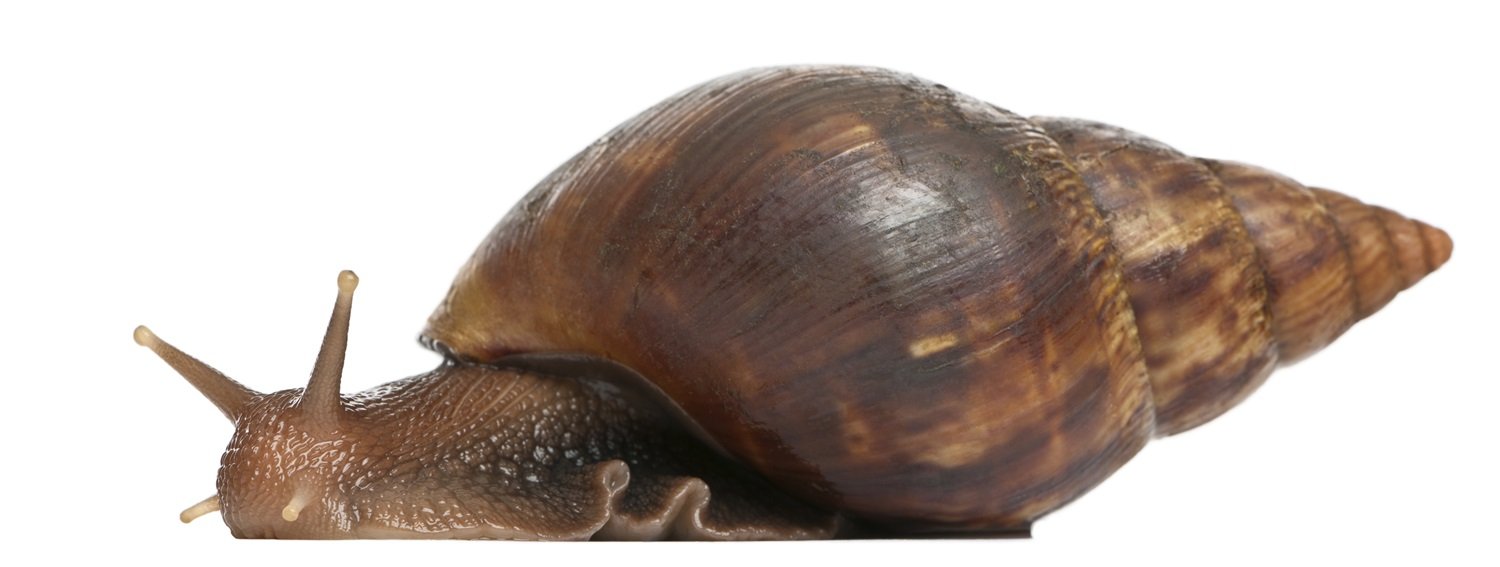
Giant African Land Snails (GALS) are among the most intriguing creatures you can encounter. Here are some fascinating facts about these gentle giants:
Record-Breaking Size
GALS are one of the largest snail species in the world, with some individuals growing up to 8 inches long.
Impressive Lifespan
With proper care, these snails can live up to 10 years, much longer than the average garden snail.
Hermaphrodites
GALS have both male and female reproductive organs, meaning any two can mate and produce eggs.
Rapid Reproducers
A single snail can lay up to 1,200 eggs per year, leading to rapid population growth under optimal conditions.
Varied Diet
They can eat over 500 different types of plants, making them quite versatile diners. However, their diet in captivity should be carefully managed to meet nutritional needs.
Sensitive to Light
GALS are nocturnal and prefer to stay out of direct sunlight. They’re most active during the night or in dim conditions.
Shell Strength
Their shells are not just for show; they provide significant protection against predators and environmental hazards. Calcium intake is crucial for maintaining shell health.
Invasive Species Alert
While fascinating as pets, GALS is considered invasive in many parts of the world, causing significant damage to crops and native plants.
Regulatory Restrictions
Due to their invasive potential, owning GALS is illegal in some countries and regions, including the United States.
Cultural Significance
In their native Africa, GALS has been used as a food source and in traditional medicine for generations.
FAQs
1: Can Giant African Land Snails be kept as pets?
Yes, but it’s important to check local regulations, as they are considered invasive in some regions.
2: How big do Giant African Land Snails get?
They can grow up to 8 inches in length, making them one of the largest snail species.
3: What do Giant African Land Snails eat?
They enjoy a varied diet of fruits, and vegetables, and need a calcium supplement for their shell health.
4: How long do Giant African Land Snails live?
With proper care, they can live up to 10 years.
5: Are Giant African Land Snails easy to care for?
Yes, they require a relatively low level of care, including regular feeding, tank cleaning, and maintaining humidity.
6: Do Giant African Land Snails need a companion?
They can live happily alone or in groups, but if you keep multiple snails, be prepared for potential reproduction.
7: How often should I clean my snail’s habitat?
A thorough cleaning every few weeks is recommended, with daily spot checks and the removal of uneaten food.
8: Can I handle my Giant African Land Snail?
Yes, but gently. They are delicate and should be handled with care to avoid injury.
9: What kind of habitat do Giant African Land Snails need?
They thrive in a humid, temperature-controlled environment with deep soil for burrowing.
10: How can I tell if my Giant African Land Snail is healthy?
Healthy snails will be active (mostly at night), have a smooth shell without cracks, and eat regularly. Look out for changes in behavior or appearance for early signs of health issues.
References and Further Reading
Giant African Snail (Achatina fulica)
Invasive Species Compendium: A comprehensive resource on the Giant African Land Snail’s impact as an invasive species, including detailed information on its biology, ecology, and control measures.
offers information on various snail species, including research and conservation efforts related to mollusks.
A platform dedicated to raising awareness about mollusks, offering educational resources and ways to get involved in conservation.