





Welcome to the Pet Breed Hub, your ultimate guide to the animal kingdom’s most fascinating members. Today, we’re spinning the web into the secretive life of the Black Widow Spider, a creature as intriguing as it is misunderstood. Let’s unravel the mystery together.
Black Widow Spider: At a Glance
| Characteristic | Detail |
|---|---|
| Scientific Name | Latrodectus (genus) |
| Lifespan | Up to 3 years in the wild |
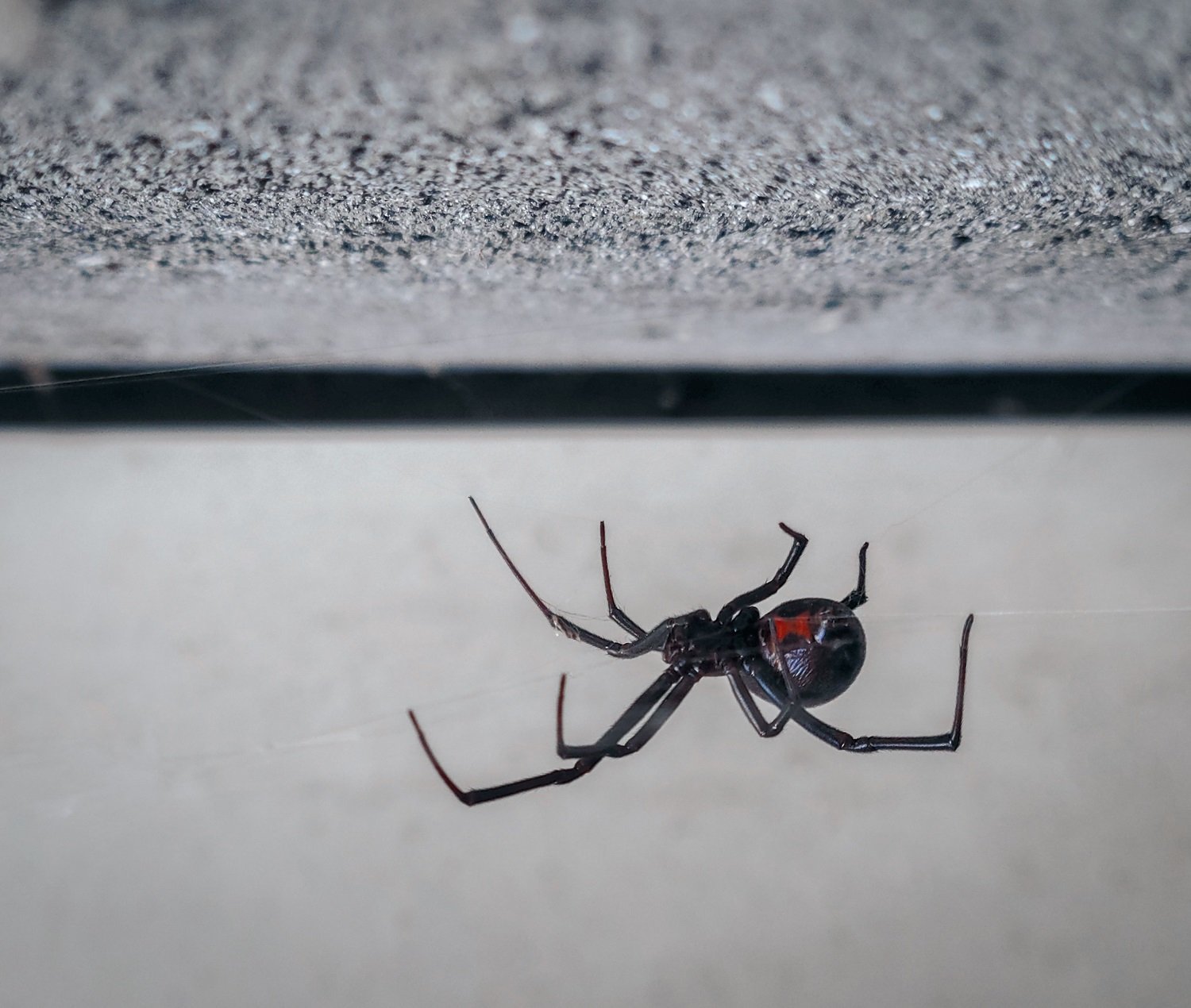
| Color | Shiny black with a distinctive red hourglass marking |
| Size | About 1.5 inches (38 mm), including leg span |
| Habitat | Prefers warm, dry environments; often found in undisturbed areas |
| Diet | Primarily insects such as flies, mosquitoes, and beetles |
| Behavior | Solitary, nocturnal, and generally avoid humans |
| Venom | Venomous; bites in self-defense, can be medically significant |
| Conservation Status | Not endangered; common in various habitats |
Origin
The Black Widow Spider, with its iconic glossy black body and red hourglass marking, weaves a tale that spans across continents. Belonging to the genus Latrodectus, these spiders have made their mark in various parts of the world, primarily thriving in the warmer climates of the Americas, Southern Europe, Asia, Africa, and Australia.
Their story begins in the untamed landscapes, where their need for warm and dry habitats dictated their spread. The evolution of black widow spiders has equipped them with remarkable adaptability, allowing them to occupy a range of environments from deserts to forests, always seeking the seclusion of undisturbed nooks.
Historically, the black widow’s presence has been noted in folklore and science alike, often shrouded in mystery and caution due to its venomous bite. Despite their fearsome reputation, these spiders have played a crucial role in the natural ecosystem, controlling insect populations and thus, indirectly supporting agriculture and the balance of natural habitats.
Predators
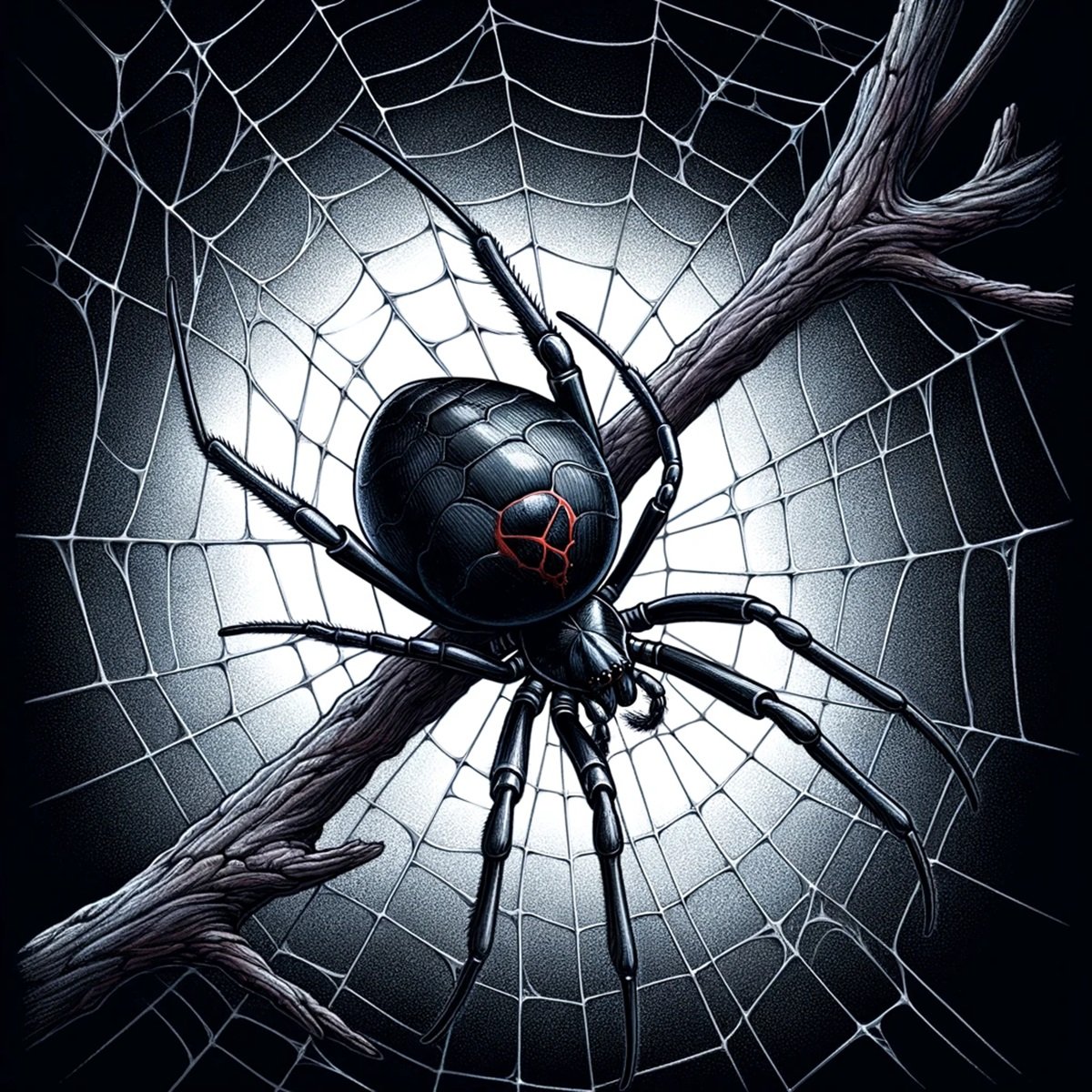
Despite being a formidable predator in its own right, the black widow spider is not without threats from other predators. These natural enemies play a crucial role in controlling black widow populations and maintaining ecological balance. Here’s a look at some of the black widow’s most common predators:
Praying Mantises
These skilled hunters can take down black widow spiders with their powerful front legs, using stealth and speed to their advantage.
Birds
Several bird species, particularly those that forage near the ground or in webs, prey on black widow spiders, finding them to be a nutritious meal.
Wasps
Certain wasps, especially the mud dauber, are known to hunt and paralyze black widow spiders. They then use the immobilized spider as a living food source for their larvae.
Other Spiders
Some larger spiders do not hesitate to attack and consume black widow spiders when the opportunity arises, showcasing the fierce competition within their habitat.
Small Mammals
Various small rodents and mammals, like shrews, may prey on black widow spiders, using their keen senses to locate the spiders in their hiding spots.
Lower Classifications

The Black Widow Spider, known scientifically as part of the Latrodectus genus, encompasses several species that share similar venomous traits and distinctive markings. These species, while closely related, inhabit various regions across the globe, adapting to local environments and showcasing slight variations in behavior and appearance. Here’s a closer look at some of the lower classifications within the Latrodectus genus:
Latrodectus mactans (Southern Black Widow)
Perhaps the most recognized, this species is found primarily in the southeastern United States. It’s known for its shiny black color and the red hourglass shape on the underside of its abdomen.
Latrodectus hesperus (Western Black Widow)
Predominantly found in the western regions of North America, this spider shares many characteristics with its southern counterpart, including the iconic hourglass marking.
Latrodectus various (Northern Black Widow)
This species, located in the northeastern United States and parts of Canada, often has a row of red spots down the middle of the upper surface of its abdomen and two crosswise bars on the underside.
Latrodectus tredecimguttatus (Mediterranean Black Widow or European Black Widow)
Found in the Mediterranean region, this species is distinguished by its thirteen spots on the abdomen, which can vary in color from white to orange or red.
Latrodectus geometrics (Brown Widow)
Though not as dark, this species can be identified by its brown color and the orange or yellow hourglass marking. It’s found in various parts of the world, including the United States, South America, and Africa.
Latrodectus bishopi (Red Widow)
This species, found in Florida’s scrubland, is rare and known for its red-orange color with often a black abdomen and red legs.
Life Cycle
The life cycle of the Black Widow Spider is a fascinating journey from egg to adulthood, showcasing nature’s resilience and the spider’s adaptation to its environment. Here’s a brief overview of each stage in the life of a Black Widow Spider:
Egg Stage
Laying and Protection
A female Black Widow lays eggs in a silken sac, producing several sacs during her lifetime. Each sac contains 100 to 400 eggs.
Incubation
The eggs incubate for about two to four weeks before the spiderlings hatch, depending on temperature and humidity conditions.
Spiderling Stage
Hatching
Spiderlings emerge from the egg sac and may exhibit cannibalistic behavior if food is scarce.
Dispersion
They disperse from their birthplace through a process called ballooning, where they release silk strands to catch the wind and carry them to new locations.
Growth
Spiderlings undergo several molts as they grow, shedding their exoskeletons to accommodate their increasing size.
Juvenile Stage
Continued Growth
As juveniles, Black Widow Spiders continue to molt and grow, gradually developing the characteristic colors and markings of adults.
Learning to Hunt
During this stage, they refine their hunting skills and begin to establish their territories.
Adult Stage
Maturity
Black Widows reach sexual maturity after several months and their final molt, with females often becoming significantly larger than males.
Reproduction
Mature females mate, often consuming the male afterward—a behavior that led to their name. The cycle begins anew with the laying of egg sacs.
Lifespan
While males live for about 3-4 months after reaching maturity, females can live up to three years, continuing to lay several batches of eggs throughout their lives.
Diets
The Black Widow Spider, known for its voracious appetite, primarily feeds on a variety of insects and other arthropods. This diet chart outlines the typical prey items that sustain these fascinating predators throughout their lives.
| Prey Item | Description |
|---|---|
| Insects | Flies, mosquitoes, grasshoppers, beetles, and caterpillars are common prey. |
| Arthropods | Other spiders and small arthropods, including millipedes and centipedes. |
| Crustaceans | In some habitats, small crustaceans can also be part of their diet. |
| Supplemental | -Occasional cannibalism may occur, particularly among spiderlings or if food is scarce. |
Feeding Frequency & Behavior
Young Spiderlings
may eat daily due to their rapid growth needs, often consuming other spiderlings or small insects.
Adults
typically feed 2-3 times a week, depending on the availability of prey. They can survive for several months without food due to their ability to store fat in their bodies.
Hunting Method
Black Widow Spiders are ambush predators. They wait in their web for prey to get entangled before immobilizing it with venom and then consuming it.
Important Notes
Water Source
While they get most of their moisture from their prey, having a small, shallow water source nearby can be beneficial, especially in captivity.
Prey Size
Prey should not be too large for the spider to handle; it’s often best if the prey is around the same size or smaller than the spider.
FAQs
1: Can Black Widow Spiders kill humans?
While their venom is potent, fatalities in humans are extremely rare, thanks to effective antivenom and medical care.
2: How can I identify a Black Widow Spider?
Look for a shiny black body with a distinctive red hourglass shape on the underside of the abdomen.
3: Where do Black Widow Spiders live?
They prefer dark, secluded areas such as woodpiles, boxes, and underneath furniture, thriving in temperate climates around the world.
4: What do Black Widow Spiders eat?
Their diet mainly consists of insects like flies, mosquitoes, and beetles, which they catch in their webs.
5: How do Black Widow Spiders make their webs?
They weave irregular, tangled webs in sheltered locations, which are effective for trapping prey.
6: Are male Black Widow Spiders also venomous?
Males have venom but are much less potent than females and seldom bite humans.
7: How do Black Widow Spiders reproduce?
After mating, the female sometimes eats the male. She lays eggs in silk sacs, from which spiderlings hatch.
8: What should I do if bitten by a Black Widow Spider?
Clean the wound and seek medical attention immediately to manage symptoms and prevent complications.
9: Can Black Widow Spiders be found indoors?
Yes, they can venture indoors, especially in cluttered, undisturbed areas like garages and basements.
10: How long do Black Widow Spiders live?
Females can live up to three years, while males typically live for a few months.
References and Further Reading
National Geographic – Black Widow Spiders
An authoritative source offering detailed insights into the behavior, habitat, and characteristics of Black Widow Spiders. Visit National Geographic.
External Links
Arachnological Society of America
Offers comprehensive resources on spiders, including research, conservation efforts, and educational materials. Explore Arachnology.
The Spider Identification Guide
A helpful tool for identifying various spider species, including Black Widows, to promote awareness and prevent unnecessary fear. Spider ID Guide.
The International Society on Arachnology
provides access to scientific research, publications, and a community of experts dedicated to the study of arachnids. Visit the Society.
Conclusion
Black Widow Spiders, with their enigmatic lifestyles and critical role in nature, remind us of the delicate balance in our ecosystems. By understanding them better, we can appreciate their place in the world and learn to coexist peacefully.