
Welcome to Pet Breed Hub! Today, we’re venturing into the creepy and fascinating world of spiders. Get ready to meet the Most Terrifying Spiders Found in the World. Don’t worry, we’ve got you covered with all the info you need!
Table of Contents
ToggleBrazilian Wandering Spider

| Characteristic | Details |
|---|---|
| Scientific Name | Phoneutria |
| Common Name | Brazilian Wandering Spider |
| Habitat | Tropical South and Central America |
| Size | Up to 5 inches leg span |
| Venom | Highly venomous, can be lethal |
| Behavior | Aggressive, known to wander on the ground |
| Diet | Insects, small vertebrates |
| Lifespan | 1-2 years in the wild |
| Activity | Nocturnal |
| Web | Does not build a web, hunts on the ground |
| Danger Level | High, one of the most venomous spiders |
Sydney Funnel-Web Spider

| Characteristic | Details |
|---|---|
| Scientific Name | Atrax robustus |
| Common Name | Sydney Funnel-Web Spider |
| Habitat | Eastern Australia |
| Size | Up to 2 inches body length |
| Venom | Extremely venomous, can cause severe illness or death |
| Behavior | Aggressive, especially when threatened |
| Diet | Insects, small vertebrates |
| Lifespan | Up to 20 years in captivity |
| Activity | Nocturnal |
| Web | Funnel-shaped web |
| Danger Level | High, one of the most dangerous spiders in Australia |
Black Widow Spider
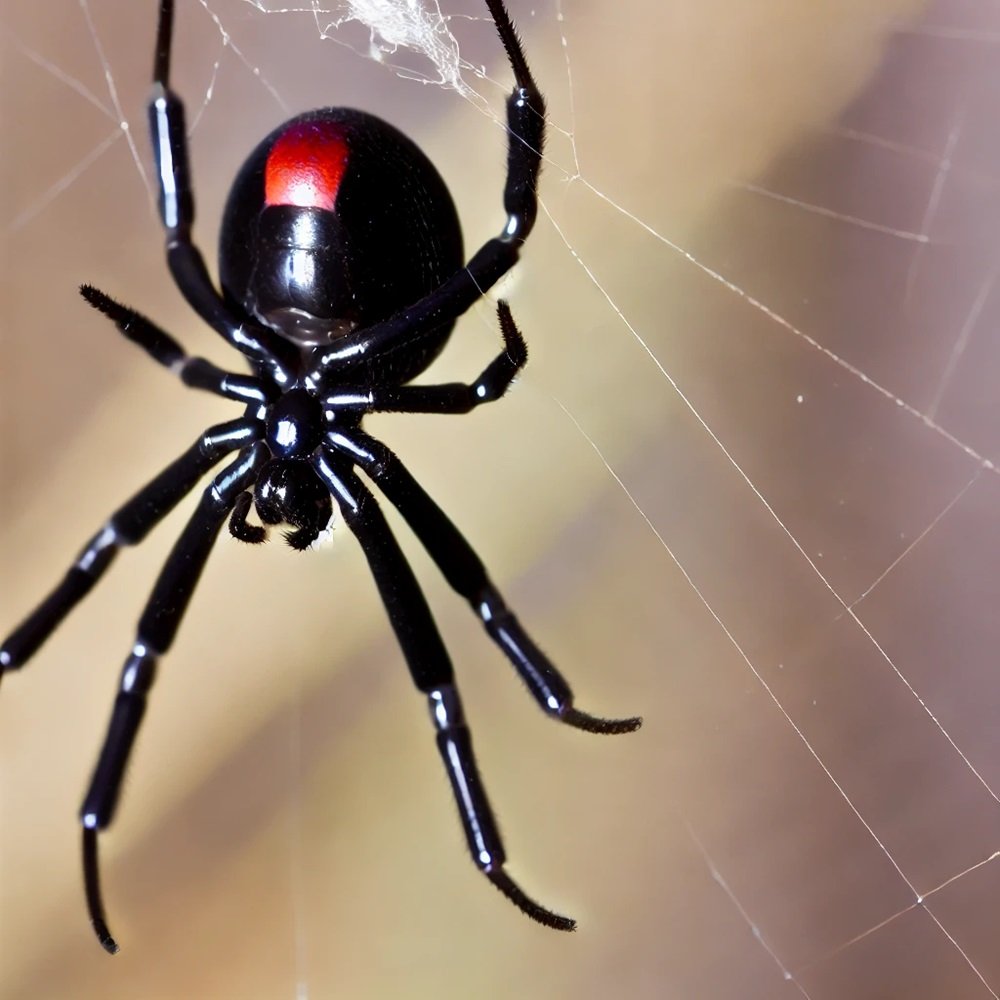
| Characteristic | Details |
|---|---|
| Scientific Name | Latrodectus |
| Common Name | Black Widow Spider |
| Habitat | Worldwide, especially in warm climates |
| Size | Up to 1.5 inches including leg span |
| Venom | Neurotoxic, can cause muscle pain and cramps |
| Behavior | Shy, usually not aggressive |
| Diet | Insects |
| Lifespan | 1-3 years |
| Activity | Nocturnal |
| Web | Irregular, tangled web |
| Danger Level | Moderate, bites can be painful but rarely fatal |
Brown Recluse Spider
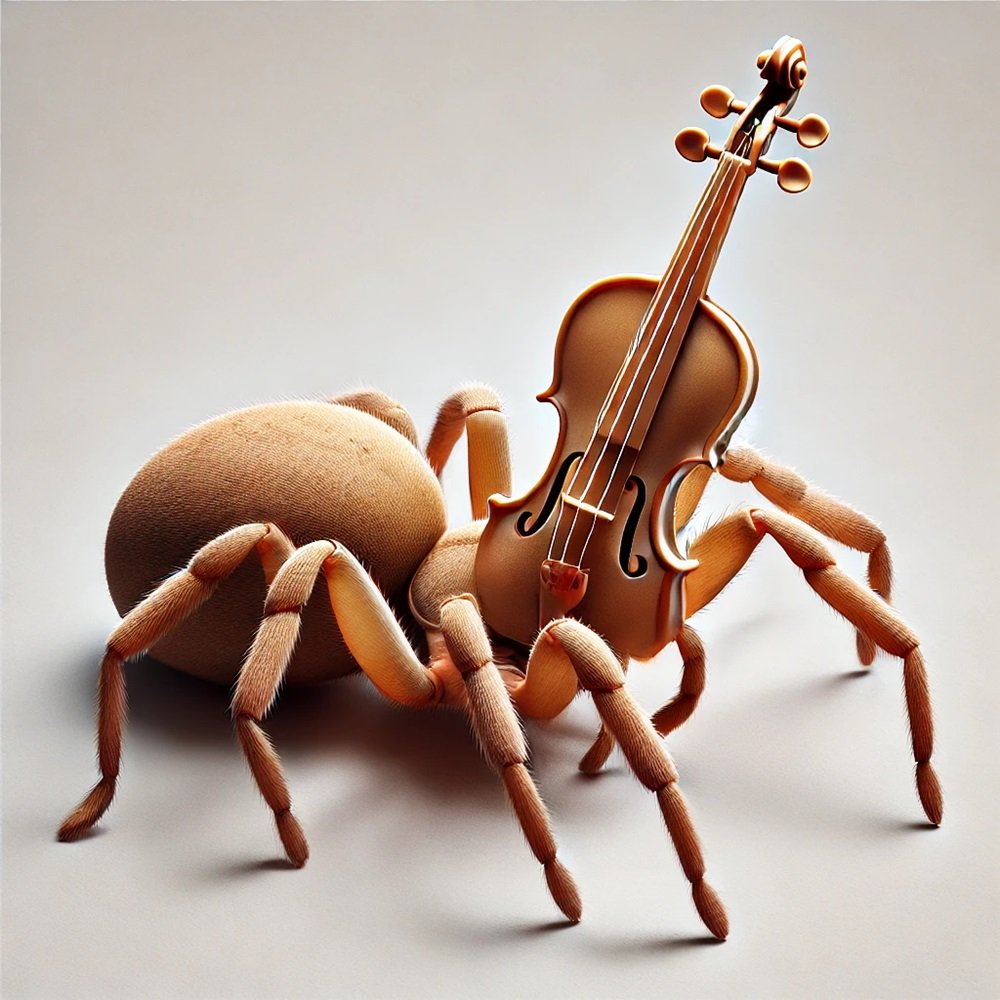
| Characteristic | Details |
|---|---|
| Scientific Name | Loxosceles reclusa |
| Common Name | Brown Recluse Spider |
| Habitat | Central and Southern United States |
| Size | Up to 1-inch body length |
| Venom | Necrotic, can cause tissue damage |
| Behavior | Shy, bites when disturbed |
| Diet | Insects |
| Lifespan | 1-2 years |
| Activity | Nocturnal |
| Web | Irregular, often in secluded areas |
| Danger Level | Moderate, bites can cause severe skin lesions but are rarely fatal |
Six-Eyed Sand Spider

| Characteristic | Details |
|---|---|
| Scientific Name | Sicarius hahni |
| Common Name | Six-Eyed Sand Spider |
| Habitat | Deserts of Southern Africa |
| Size | Up to 2 inches body length |
| Venom | Potent, causes blood vessel leakage and tissue destruction |
| Behavior | Hides in sand, ambush predator |
| Diet | Insects, small animals |
| Lifespan | Several years in the wild |
| Activity | Nocturnal |
| Web | Does not build webs, buries itself in sand |
| Danger Level | High, one of the most venomous spiders |
Redback Spider

| Characteristic | Details |
|---|---|
| Scientific Name | Latrodectus hasselti |
| Common Name | Redback Spider |
| Habitat | Australia |
| Size | Up to 1 inch including leg span |
| Venom | Neurotoxic, similar to Black Widow |
| Behavior | Shy, females are more dangerous |
| Diet | Insects |
| Lifespan | 1-3 years |
| Activity | Nocturnal |
| Web | Irregular, tangled web |
| Danger Level | Moderate to high, bites can cause severe pain but rarely fatal |
Goliath Birdeater

| Characteristic | Details |
|---|---|
| Scientific Name | Theraphosa blondi |
| Common Name | Goliath Birdeater |
| Habitat | Northern South America |
| Size | Up to 11 inches leg span |
| Venom | Mildly toxic to humans |
| Behavior | Defensive, uses hairs to irritate predators |
| Diet | Insects, small vertebrates |
| Lifespan | 15-25 years in captivity |
| Activity | Nocturnal |
| Web | Does not build webs, create burrows |
| Danger Level | Low, venom is not deadly to humans |
Camel Spider
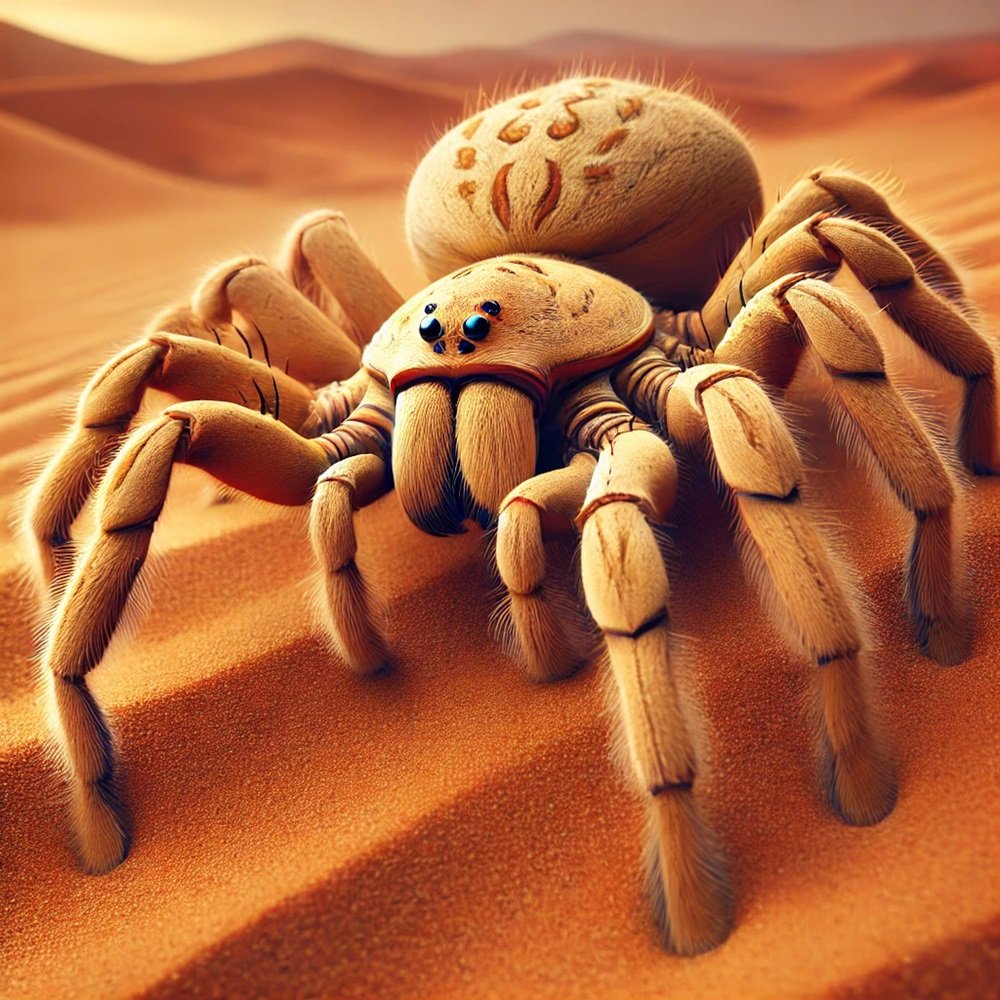
| Characteristic | Details |
|---|---|
| Scientific Name | Solifugae |
| Common Name | Camel Spider |
| Habitat | Deserts worldwide |
| Size | Up to 6 inches leg span |
| Venom | Not venomous, strong bite |
| Behavior | Fast, aggressive predator |
| Diet | Insects, small animals |
| Lifespan | Up to 1 year in the wild |
| Activity | Nocturnal |
| Web | Does not build webs |
| Danger Level | Low, not dangerous to humans |
Hobo Spider
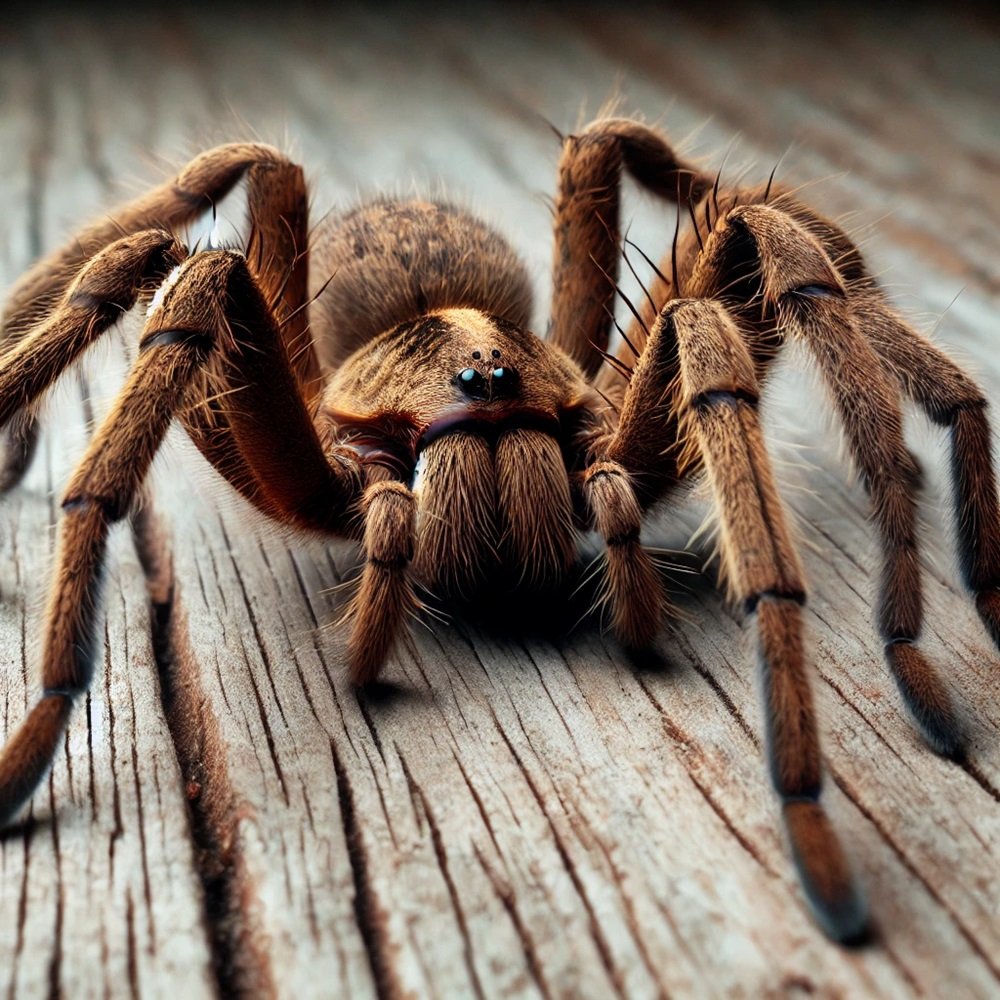
| Characteristic | Details |
|---|---|
| Scientific Name | Eratigena agrestis |
| Common Name | Hobo Spider |
| Habitat | Northwestern United States |
| Size | Up to 2 inches including leg span |
| Venom | Necrotic, can cause skin lesions |
| Behavior | Aggressive when defending territory |
| Diet | Insects |
| Lifespan | 1-2 years |
| Activity | Nocturnal |
| Web | Funnel-shaped web |
| Danger Level | Moderate, bites can cause severe skin reactions |
Tarantula Hawk Spider

| Characteristic | Details |
|---|---|
| Scientific Name | Pepsis grossa |
| Common Name | Tarantula Hawk Spider |
| Habitat | Americas, especially deserts |
| Size | Up to 2 inches body length |
| Venom | Painful sting, not deadly |
| Behavior | Predatory, hunts tarantulas |
| Diet | Tarantulas and other large spiders |
| Lifespan | Up to 1 year in the wild |
| Activity | Diurnal |
| Web | Does not build webs, uses burrows |
| Danger Level | Low, sting is extremely painful but not life-threatening |
Conclusion
Spiders may be terrifying, but they’re also fascinating. Understanding their behavior, habitat, and characteristics can help us appreciate their role in nature. Stay safe, stay informed, and explore the incredible world of spiders!