
The Samoyed dog is one of the most recognizable dog breeds in the world, known for its fluffy white coat and iconic “Sammy smile.” These dogs have a rich history and a personality that makes them beloved family pets. This article explores the history, physical traits, temperament, and care requirements of the Samoyed dog, along with fun facts about this fascinating breed.
Samoyed Dog Breed Overview
| Feature | Description |
|---|---|
| Scientific Name | Canis lupus familiaris |
| Breed Name | Samoyed |
| Class | Mammalia |
| Order | Carnivora |
| Family | Canidae |
| Origin | Siberia, Russia |
| Size | Medium to Large |
| Height (Male) | 21–23.5 inches (53–60 cm) |
| Height (Female) | 19–21 inches (48–53 cm) |
| Weight (Male) | 45–65 pounds (20–30 kg) |
| Weight (Female) | 35–50 pounds (16–23 kg) |
| Coat Type | Thick double coat |
| Coat Colors | White, cream, biscuit |
| Lifespan | 12–14 years |
| Temperament | Friendly, affectionate, playful, loyal |
| Diet | Omnivorous, high-quality dog food is preferred |
| Exercise Needs | Moderate to high; daily walks and activities |
| Common Uses | Sledding, herding, companion dog |
| Notable Traits | Sammy’s smile, fluffy white coat, loyal nature |
| Recognized By | AKC, FCI, KC, and other major kennel clubs |
History of the Samoyed
The Samoyed is an ancient and iconic dog breed with roots deeply tied to the nomadic Samoyedic people of Siberia. These dogs were essential to the tribe’s daily life and survival in the harsh, frozen tundra.
Origins in Siberia
Samoyeds were originally bred by the Samoyedic tribes of Siberia, who depended on these dogs for various tasks. Their primary roles included herding reindeer, pulling sleds, and guarding their nomadic camps.
A Warm Partnership
Unlike other working breeds, Samoyeds share an intimate bond with their owners. They were not just workers but also companions. During cold nights, these dogs slept alongside their owners, providing warmth with their dense, insulating coats.
A Unique Smile with a Purpose
The “Sammy smile,” a trait the breed is famous for, is believed to have developed in part to prevent drooling, which could freeze in Siberia’s frigid climate.
Introduction to the West
Explorers in the 19th and early 20th centuries introduced Samoyeds to Europe and North America. They admired the breed’s endurance, strength, and friendly nature. Notably, Samoyeds accompanied renowned Arctic explorers such as Fridtjof Nansen and Roald Amundsen on their expeditions, proving their worth as sled dogs.
Popularity Among Royals
In the late 19th century, Queen Alexandra of England fell in love with the breed and owned several Samoyeds. Her admiration helped popularize the dogs throughout Europe and established their reputation as elegant and affectionate companions.
Modern Recognition
Today, Samoyeds are recognized as a cherished breed worldwide. While they are no longer relied upon for survival tasks, they remain beloved for their friendly demeanor, loyalty, and striking appearance.
Physical Characteristics
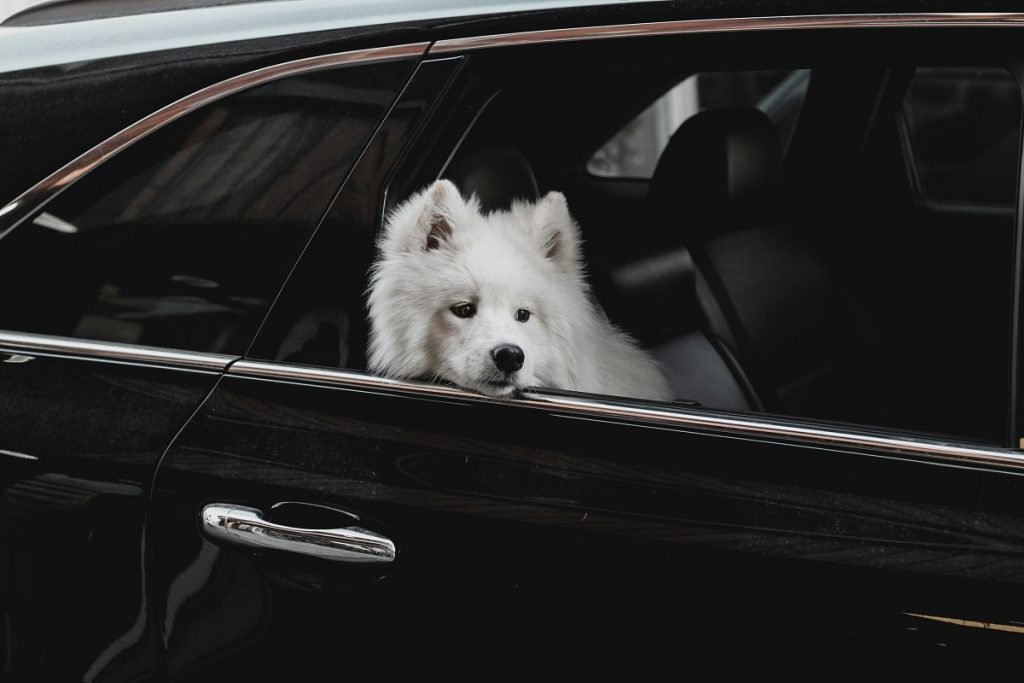
The Samoyed is a medium-to-large dog with a majestic appearance. Its physical traits reflect its origins in the cold Siberian climate.
Size
Males typically weigh 45–65 pounds and stand 21–23.5 inches tall.
Females are slightly smaller, weighing 35–50 pounds and standing 19–21 inches tall.
Coat and Color
Samoyeds have a dense double coat, with a soft undercoat and a longer, weather-resistant outer coat.
Their fur is always white, cream, or biscuit-colored.
Smile
The “Sammy smile” is one of the breed’s most defining features. Their upturned mouth corners prevent drooling, which helps avoid ice buildup in freezing temperatures.
Tail
The Samoyed’s tail curls over its back, adding to its fluffy and elegant appearance.
Eyes and Ears
Their dark, almond-shaped eyes give them a gentle and intelligent expression.
Their ears are triangular, erect, and well-furred to protect against the cold.
Temperament of the Samoyed Dog
The Samoyed is known for its warm and friendly personality, making it a beloved companion and family pet. Their temperament reflects their history as close companions to the nomadic Samoyedic people.
Friendly and Affectionate
Samoyeds are incredibly social dogs. They thrive on human interaction and are known for their affectionate nature. They love being part of family activities and are happiest when surrounded by their loved ones.
Gentle with Children
These dogs are naturally gentle, making them excellent companions for children. Their playful and patient demeanor allows them to interact well with kids, earning them the reputation of being family-friendly pets.
Alert and Intelligent
Samoyeds are intelligent and naturally alert, traits that made them excellent guardians of their nomadic camps. They are curious and observant but rarely aggressive, which makes them good watchdogs.
Playful and Energetic
Their playful spirit often lasts well into adulthood. Samoyeds enjoy games, outdoor activities, and spending time with their family. Their energy levels require regular exercise to keep them happy and healthy.
Loyal and Protective
Samoyeds are deeply loyal to their families. While not overly territorial, they are protective of their loved ones and will alert their owners to any unusual situations.
Independent Yet Loving
While Samoyeds are loving and affectionate, they also have an independent streak. This trait can sometimes make training a challenge, requiring patience and consistency.
Naturally Sociable
Their friendly disposition extends to strangers and other pets. With proper socialization, Samoyeds are welcoming and rarely exhibit aggression.
Care for a Samoyed Dog
Caring for a Samoyed requires dedication due to their thick coat, high energy levels, and social nature. Proper care ensures they remain happy, healthy, and well-adjusted.
Grooming
Coat Maintenance: The Samoyed’s dense double coat requires regular brushing, ideally 2–3 times a week, to prevent matting and reduce shedding.
Seasonal Shedding: During shedding seasons (spring and fall), daily brushing is necessary to manage their heavy fur loss.
Bathing: Bathe them every 6–8 weeks or as needed, as their coat repels dirt naturally. Use dog-specific shampoo to maintain the coat’s health and texture.
Exercise Needs
Daily Activities: Samoyeds are active dogs that need at least 1–2 hours of physical activity daily. This includes walks, playtime, or even dog sports like agility.
Mental Stimulation: Puzzle toys and training sessions help keep their intelligent minds engaged. Boredom can lead to destructive behavior.
Diet
Provide a balanced, high-quality dog food appropriate for their size, age, and activity level.
Monitor their weight, as overfeeding can lead to obesity. Split their meals into two servings a day to maintain a healthy metabolism.
Social Interaction
Samoyeds are highly social and thrive on companionship. They should not be left alone for long periods, as isolation can lead to anxiety and destructive behavior.
Early socialization with people and other pets helps them develop good manners and confidence.
Health Care
Regular vet check-ups are essential to monitor for common health issues like hip dysplasia, progressive retinal atrophy (PRA), and heart conditions.
Keep up with vaccinations, flea/tick prevention, and dental care. Brush their teeth a few times a week and provide dental chews.
Protection from Heat
Due to their thick coat, Samoyeds are sensitive to heat. Provide plenty of water and shade during warm weather and avoid strenuous activities in hot temperatures.
Training and Discipline
Start training early using positive reinforcement methods. Samoyeds are intelligent but can be independent, so consistency and patience are key.
Teach basic commands and leash manners to ensure they are well-behaved and safe in public spaces.
Training and Socialization of the Samoyed
Training and socializing a Samoyed is essential for shaping a well-behaved, confident, and happy dog. Given their intelligence and social nature, Samoyeds respond well to positive reinforcement but require consistency and patience.
Start Early
Begin training and socialization as early as possible, ideally when the dog is a puppy. Early exposure helps establish good habits and ensures they grow into well-mannered adults.
Positive Reinforcement
Samoyeds are sensitive and respond best to rewards-based training. Use treats, praise, and playtime to encourage desired behaviors. Avoid harsh punishments, as these can lead to fear or stubbornness.
Basic Obedience
Teach essential commands such as “sit,” “stay,” “come,” and “down.” These commands provide a foundation for more advanced training and ensure safety in different situations.
Leash Training
Samoyeds have a natural curiosity and can be prone to pulling on a leash. Early leash training using gentle corrections and rewards helps manage this behavior and makes walks enjoyable.
Crate Training
Crate training can provide a safe space for your Samoyed and help with housebreaking. Make the crate a positive and comfortable place for them to relax.
Socialization
People: Expose your Samoyed to a variety of people, including children and strangers, to foster their natural friendliness and reduce shyness or anxiety.
Animals: Allow them to interact with other dogs and pets in a controlled environment. Early socialization reduces the likelihood of aggression or fear toward other animals.
Environments: Introduce them to different settings, noises, and experiences, such as car rides, parks, or busy streets, to build confidence.
Mental Stimulation
Provide toys, puzzles, and activities that challenge their intelligence. Samoyeds enjoy learning new tricks and participating in dog sports like agility or obedience competitions.
Consistency and Patience
Samoyeds have an independent streak, which can make them seem stubborn at times. Consistent training sessions and a patient approach are key to overcoming this trait.
Preventing Problem Behaviors
Address behaviors like excessive barking or chewing early on. These can stem from boredom or lack of exercise, so ensure they receive adequate physical and mental stimulation.
Professional Training
If needed, enlist the help of a professional trainer or enroll your Samoyed in obedience classes. These can provide structured guidance and improve their skills.
Samoyed Dog as a Family Pet
The Samoyed dog is an excellent choice for families due to its affectionate nature, intelligence, and playful spirit. These dogs thrive on companionship and enjoy being an active part of the household.
Affectionate and Loving
Samoyeds form strong bonds with their families and are known for their gentle and loving demeanor. They are happiest when surrounded by their loved ones, making them ideal family pets.
Great with Children
Their gentle and patient nature makes them wonderful companions for children. Samoyeds enjoy playing and are naturally tolerant, making them a reliable choice for families with young kids.
Sociable and Friendly
Samoyeds are highly social dogs that get along well with strangers and other pets. Their friendly disposition makes them welcoming to guests and adaptable in multi-pet households.
Playful and Energetic
These dogs are full of energy and love to play, making them perfect for active families. Whether it’s a game of fetch or a family hike, Samoyeds are eager participants in fun activities.
Adaptability
While they prefer being close to their families, Samoyeds can adapt to various living situations as long as their physical and social needs are met. A home with a yard is ideal, but they can thrive in apartments with sufficient exercise.
Protective Without Aggression
Samoyeds are naturally protective of their families, especially children, but they are rarely aggressive. Their alertness makes them good watchdogs, although they are more likely to greet strangers with a wagging tail.
Requires Attention
Samoyeds are not a breed that can be left alone for long periods. They thrive on interaction and may develop separation anxiety if isolated. Families that can dedicate time and attention to their pet will find a loyal and loving companion in a Samoyed.
Educational Opportunity for Kids
Having a Samoyed dog as a family pet teaches children responsibility. From grooming their luxurious coat to feeding and exercising, kids can actively participate in caring for their furry friends.
Fun Facts About Samoyeds Dog
Smiling Sammies
Samoyeds are often called “Smiling Sammies” because of their upturned mouths. This iconic feature not only gives them a friendly look but also prevents drool from freezing in cold climates.
An Ancient Breed
Samoyeds are one of the oldest dog breeds, with a history dating back thousands of years. They were originally bred by the nomadic Samoyedic people of Siberia.
Working Partners
These dogs were multi-purpose workers. They pulled sleds, herded reindeer, and kept their owners warm by sleeping close to them during freezing nights.
Natural Snow Dogs
Their thick, fluffy double coat makes them perfectly suited for cold environments. Despite their fur’s density, it is hypoallergenic for many people.
Royal Connections
The breed became popular outside Siberia when Queen Alexandra of England fell in love with them in the late 19th century. Her endorsement helped establish the breed in Europe.
Colorful History
While most Samoyeds are white, their ancestors also came in cream, biscuit, and white-and-biscuit shades. These variations are still recognized today.
High Energy Levels
Samoyed dogs have a playful, energetic spirit that lasts well into adulthood. They often act like puppies even as they age.
A Natural Shepherd
Samoyeds were excellent herders for reindeer. Their intelligence and instincts made them invaluable to the Samoyedic people.
Talkative Breed
These dogs are known for their vocalizations. They don’t just bark—they “talk” with a range of sounds, from whines to howls, often communicating their needs or emotions.
Tail Blanket
The Samoyed’s fluffy, curled tail is not just for looks. In cold weather, they use it to cover their noses while sleeping, keeping them warm.
Conclusion
The Samoyed dog is a remarkable breed that combines beauty, intelligence, and a loving personality. They are more than just fluffy companions they are loyal, hardworking, and full of life. While their grooming and exercise needs may be demanding, the rewards of owning a Samoyed far outweigh the challenges.