
Pomskies are one of the most adorable and sought-after designer dog breeds. A cross between a Siberian Husky and a Pomeranian, these small to medium-sized dogs are known for their fluffy coats, bright eyes, and lively personalities. This article will explore everything you need to know about Pomskies, including their origin, characteristics, care needs, and why they make wonderful pets.
Breed Overview
| Trait | Description |
|---|---|
| Scientific Name | Canis lupus familiaris |
| Class | Mammalia |
| Order | Carnivora |
| Family | Canidae |
| Lifespan | 12-15 years |
| Size | Small to Medium (15-30 pounds) |
| Coat Type | Thick, fluffy, double coat |
| Colors | Black, white, gray, brown, mixed |
| Temperament | Playful, intelligent, affectionate |
| Exercise Needs | Moderate to high |
| Training | Requires consistency and patience |
| Socialization | Gets along well with others when trained early |
What is a Pomsky?
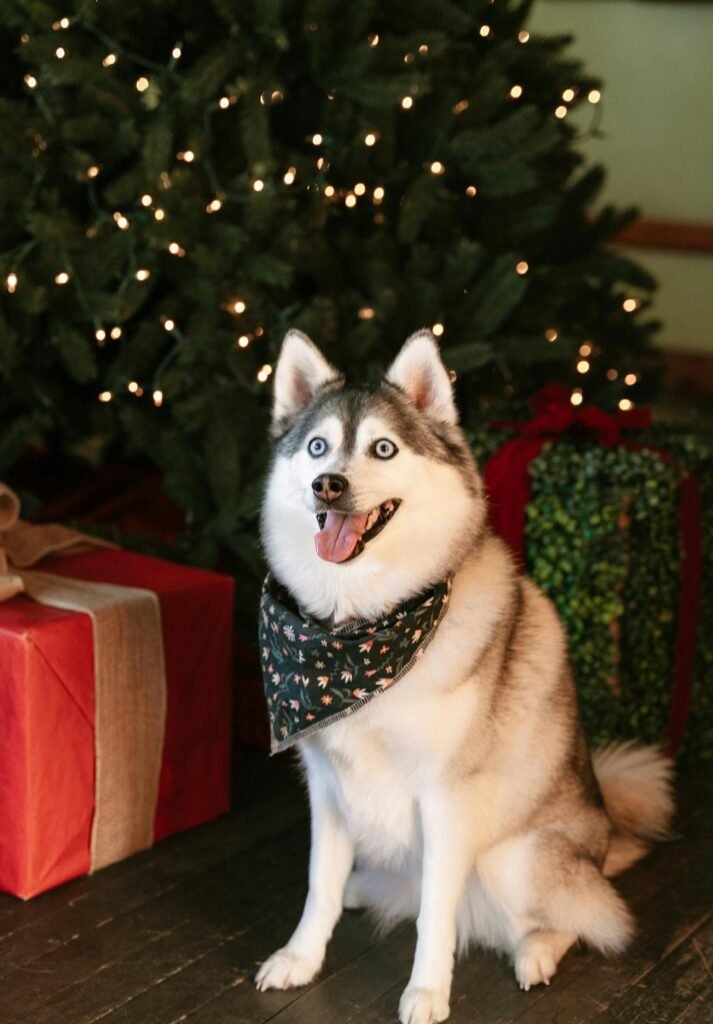
A Pomsky is a hybrid breed created by crossing a Siberian Husky with a Pomeranian. This breed is designed to capture the beauty of a Husky in a smaller, more manageable size. Pomskies inherit traits from both parent breeds, which makes each dog unique. Some Pomskies look more like their Husky parent, while others resemble Pomeranians.
History of the Pomsky
The Pomsky is a relatively new breed. It became popular in the 2010s when dog lovers began to seek smaller versions of the Siberian Husky. Breeders used artificial insemination to cross these two very different breeds safely. Over time, Pomskies gained popularity for their unique appearance and loving nature.
Physical Characteristics
Pomskies vary in size, coat color, and appearance due to their mixed heritage. Here are some common traits:
Size: Pomskies typically weigh between 15 to 30 pounds and stand 10 to 15 inches tall.
Coat: Their coats are usually thick and fluffy, resembling the Husky’s double coat.
Colors: Pomskies come in various colors, including black, white, gray, brown, and mixed patterns like the classic Husky mask.
Eyes: They often have striking blue eyes, but brown, green, and even bi-colored eyes are also common.
Temperament
Pomskies are known for their playful and friendly personalities. However, their temperament can vary based on which parent breed they take after more. Here are some general traits:
Intelligent: Like Huskies and Pomeranians, Pomskies are smart and quick learners.
Energetic: They are active dogs that enjoy playtime and exercise.
Affectionate: Pomskies love being around their family and are often very loyal.
Social: They usually get along well with children and other pets if properly socialized.
Independent: They can sometimes inherit a Husky’s stubborn streak or a Pomeranian’s boldness.
Is a Pomsky Right for You?
Before getting a Pomsky, it’s essential to consider whether this breed fits your lifestyle. Here are some factors to think about:
Activity Level: Pomskies need regular exercise to stay healthy and happy. They are not couch potatoes and enjoy activities like walking, playing fetch, or exploring outdoors.
Space: They adapt well to apartment living but need plenty of mental stimulation and physical activity.
Time Commitment: Pomskies thrive on attention and can become anxious if left alone for long periods.
Training: Their intelligence makes them trainable, but patience and consistency are key.
Caring for Your Pomsky
Diet and Nutrition
Pomskies need a balanced diet to maintain their energy and health. Choose a high-quality dog food that suits their size, age, and activity level. Here are some tips:
Feed them 2 to 3 small meals a day.
Avoid overfeeding to prevent obesity.
Include proteins, healthy fats, and essential vitamins in their diet.
Fresh water should always be available.
Grooming
Pomskies have thick coats that require regular grooming. Proper grooming keeps them looking their best and prevents issues like matting or excessive shedding. Here’s what you need to do:
Brushing: Brush their coat 2-3 times a week.
Bathing: Bathe them every 4-6 weeks or as needed.
Nail Trimming: Trim their nails every few weeks to avoid overgrowth.
Dental Care: Brush their teeth regularly to maintain oral health.
Ear Cleaning: Check and clean their ears to prevent infections.
Exercise
Pomskies are active dogs that need daily exercise. Aim for at least 30-60 minutes of physical activity each day. This can include:
Walks
Playtime in the yard or park
Interactive toys
Agility training
Training and Socialization
Pomskies are intelligent but can be stubborn. Start training and socializing them early to ensure they grow into well-behaved adults. Here are some tips:
Use positive reinforcement, such as treats and praise.
Keep training sessions short and fun.
Expose them to various environments, people, and pets from a young age.
Teach basic commands like sit, stay, and come.
Health Concerns
Like all breeds, Pomskies can be prone to certain health issues. Understanding these potential concerns can help you care for your furry friend better. Common health issues include:
Hip Dysplasia: A condition where the hip joint doesn’t fit properly, causing pain and mobility issues.
Eye Problems: Such as cataracts or progressive retinal atrophy.
Dental Issues: Small breeds are prone to dental problems, so regular brushing is essential.
Allergies: They can develop food or environmental allergies.
Collapsing Trachea: More common in smaller Pomskies.
Regular veterinary check-ups, a healthy diet, and proper care can minimize the risk of these issues.
Fun Facts About Pomskies
Vocal Breed: Pomskies inherit the Husky’s talkative nature and the Pomeranian’s alert bark.
Varied Coats: Each Pomsky’s coat is unique, making every dog one of a kind.
Instagram Stars: Their adorable looks make them popular on social media.
Playful Nature: They love interactive toys and games.
Family Dogs: With proper training, Pomskies are great with kids and other pets.
Adopting a Pomsky
If you’ve decided a Pomsky is the right dog for you, adoption is a wonderful option. Check local shelters, rescue organizations, or reputable breeders. Here’s what to look for in a breeder:
They should prioritize the health and well-being of their dogs.
Puppies should be raised in a clean, loving environment.
The breeder should provide health clearances for both parent dogs.
Avoid puppy mills or breeders who cannot answer your questions about the breed.
Conclusion
Pomskies are charming, affectionate, and full of personality. They bring joy and companionship to any home, but they also require commitment and care. If you’re ready to provide the love, time, and attention they need, a Pomsky might just be the perfect addition to your family. With proper training, socialization, and care, this delightful breed can bring years of happiness and love to your life.
Discover the Majestic Shire Horse: Gentle Giants of the Equine World