
Welcome to Pet Breed Hub, where we talk about all things pets! Today, we’re exploring the captivating world of Betta fish. These vibrant swimmers are not just fish; they’re underwater showstoppers! Let’s dive in!
Table of Contents
Toggle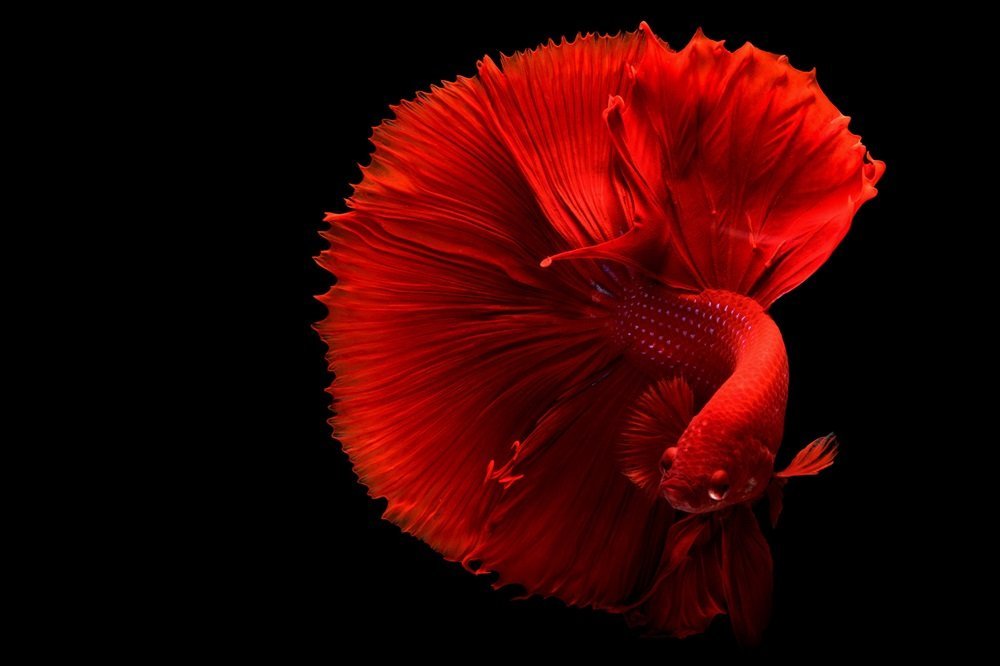
🌊 What is a Betta Fish?
- Origins: Hailing from Southeast Asia, Betta Fish, also known as Siamese Fighting Fish, light up any aquarium with their bright colors and flowing fins.
- Personality: Betta fish are known for their feisty spirit. They are solitary, but bold!
Betta Fish Colors
Betta fish, known for their vibrant and diverse colors, are one of the most visually striking freshwater fish. The range of colors in Betta fish is a result of selective breeding, and they come in a dazzling array of hues and patterns. Here are some of the most common and popular Betta fish colors:
1. Solid Colors
- Red is one of the most common and traditional Betta colors. They can range from a bright, vivid red to a deeper, darker hue.
- Blue: Blue Bettas come in various shades, including royal blue, turquoise, and steel blue.
- Yellow and Orange: These Bettas can range from pale yellow to bright, golden hues and vibrant oranges.
- White: Pure white or opaque Bettas are less common and can have a stunning, ethereal appearance.
2. Bi-Color and Multi-Color
- Bi-Color: These Bettas display two distinct colors. The body is one color, and the fins are another, often contrasting, color.
- Multi-Color: These Bettas exhibit three or more colors, often without a specific pattern. They can be a mix of any color, creating a unique and vibrant appearance.
3. Patterned Varieties
- Marble: Marble Bettas have a mottled pattern of colors, which can change over time. They often display a mix of light and dark colors.
- Butterfly: These Bettas have a solid body color, but their fins have distinct bands of color, often resembling the pattern of a butterfly’s wings.
- Dragon Scale: Dragon scale Bettas have thick, bright scales that look like armor. They usually have a contrasting color on their body and fins.
4. Iridescent and Metallic
- Iridescent: These Bettas have scales that reflect light, creating a shimmering effect. They can appear in colors like blue, green, and purple.
- Metallic: Metallic Bettas have a shiny, reflective quality to their scales, making them look like they are coated in metal.
5. Rare and Unique Colors
- Black: True black Bettas, known as Melano, are rare and have a deep, dark black coloring.
- Dumbo: Named for their large, “elephant ear” pectoral fins, Dumbo Bettas can come in various colors, but it’s their fin size and shape that set them apart.
6. Tail Patterns
The coloration of Betta fish is also accompanied by various tail types, like Veiltail, Crowntail, Halfmoon, and Plakat, which further enhance their beauty.

🏠 Setting Up a Betta Home
Choosing the Right Tank
- Size Matters: A minimum of 5 gallons is recommended. Betta fish need space to swim and explore.
- Shape and Design: Opt for a tank that’s longer than it’s tall, as Bettas prefer horizontal swimming space.
Water Conditions
- Temperature: Maintain a stable temperature between 78-80°F (25-27°C). Bettas are tropical fish and need warm water.
- pH Levels: The ideal pH level for a Betta tank is between 6.5 and 7.5. Regularly test the water to ensure it stays within this range.
- Water Quality: Use a water conditioner to remove chloramines, chlorine, and heavy metals from tap water. Regularly change 25–30% of the water each week to keep it fresh.
Filtration and Aeration
- Gentle Filtration: Betta fish don’t like strong currents. Choose a filter with an adjustable flow or use a filter sponge to lessen the current.
- Aeration: While Bettas can breathe from the surface, a well-oxygenated tank is still important for their overall health.
Tank Heating
- Heater: Use a reliable aquarium heater to maintain the correct temperature. An adjustable heater with a thermostat is ideal.
Lighting
- Natural Light: Bettas enjoy natural daylight cycles. However, avoid direct sunlight which can overheat the tank and cause algae growth.
- Artificial Lighting: If using artificial lights, keep them on for about 12 hours a day to mimic a natural day/night cycle.
Aquarium Decor
- Plants: Live or silk plants not only beautify the tank but also provide hiding spots for your Betta. Avoid plastic plants, as they can tear delicate fins.
- Substrate: Use smooth gravel or sand. Sharp substrates can injure your Betta.
- Decorations: Add caves or driftwood for your Betta to explore and hide in. Ensure all decorations have no sharp edges.
Tank Placement
- Stable Surface: Place the tank on a stable surface away from direct sunlight, drafts, and high-traffic areas.
- Noise: Avoid placing the tank near loudspeakers or TVs, as excessive noise can stress Bettas.
By following these guidelines, you can create a serene and safe environment for your Betta fish. A well-set-up tank not only ensures the health of your Betta but also turns your aquarium into a beautiful focal point in your space.
🍲 Feeding Your Betta
- Betta Diet: Special Betta pellets are great. They love occasional treats like daphnia or brine shrimp.
- Feeding Schedule: Once or twice a day is perfect. Watch out for overfeeding!

🚑 Betta Care
2. Feeding and Diet
- Diet: Feed Betta-specific pellets as they are formulated to meet their nutritional needs.
- Frequency: Feed your Betta once or twice daily, giving only as much as they can consume in a few minutes to avoid overfeeding.
- Variety: Occasionally offer treats like freeze-dried bloodworms, daphnia, or brine shrimp.
3. Health and Wellness
- Observation: Regularly check for signs of good health, such as bright colors, active swimming, and a good appetite.
- Common Issues: Be aware of common Betta health issues like fin rot, bacterial infections, and swim bladder disorder. Look for symptoms like lethargy, faded colors, or frayed fins.
- Veterinary Care: Consult a veterinarian experienced with fish if you notice any health concerns.
4. Tank Maintenance
- Regular Cleaning: Clean the tank regularly to prevent the buildup of harmful toxins. Change 25-30% of the water weekly.
- Algae Control: Keep algae in check by maintaining proper lighting and water conditions.
5. Handling and Interaction
- Minimal Handling: Avoid handling your Betta, as they are delicate and can get stressed easily.
- Mental stimulation: Interact with your Betta through the glass. They can recognize their owners and are known to respond to your presence.
6. Social Needs
- Solitary Fish: Betta fish are best kept alone as they can be aggressive towards other fish, especially other Bettas.
7. Long-term Care
- Lifespan: Bettas can live for about 3-5 years with proper care.
- Ongoing Observation: Regular monitoring of your Betta’s behavior and tank conditions is key to their long-term health.
Caring for a Betta fish is a rewarding experience. With the right attention to their environment, diet, and health, you can ensure your aquatic friend thrives. Remember, each Betta has its own personality, so take the time to learn about and respond to its unique needs and behaviors.
🌟 Fun Betta Facts
- Lifespan: With care, they can be your buddy for 3-5 years.
- Breathing: Betta fish can breathe air from the surface, thanks to their labyrinth organ.
🔍 FAQs – All About Betta Fish
1: Can I keep two Betta Fish together?
It’s best to keep them solo to avoid fights, especially between two males.
2: How do I know if my Betta is healthy?
Look for bright colors, active swimming, and a good appetite.
3: What kind of plants can I put in my Betta tank?
Go for silk or live plants. Avoid anything sharp or plastic.
4: Do Bettas need a filter in their tank?
Yes, a gentle filter keeps the water clean and healthy.
5: How often should I feed my Betta?
Once or twice daily. Remember, their stomach is as big as their eye!
6: Can Bettas learn tricks?
Surprisingly, yes! They can learn to follow your finger or jump for food.
7: What does it mean when my Betta makes bubbles?
Bubble nests! It’s a sign they’re happy and healthy.
8: Is tap water safe for Bettas?
Only if treated with a water conditioner to remove harmful chemicals.
9: Why is my Betta Fish not eating?
This could be due to stress, illness, or water conditions. Check the tank’s environment.
10: Can Bettas see color?
Yes, they have good eyesight and can see colors!