
Welcome to a delightful journey into the world of African Grey Parrots.
Pet Breed Hub: Your go-to source for fascinating pet breed insights Explore more of at top pet breeds and provide information about the whole pet breed.

Origin and Habitat of the African Grey Parrot
Where They Call Home
From Africa’s Heart: The African Grey Parrot, a native of the dense, lush rainforests, hails primarily from Central and Western Africa.
Regions Spanning: Their natural habitat stretches across countries like the Congo, Ivory Coast, and Ghana.
A Forest Life
Love for Trees: These parrots thrive in forested areas, particularly where tall trees form the canopy.
The Rainforest Canopy: Their preference for high perches in the upper layers of the rainforest allows them to stay safe and observe their surroundings.
Adapting to Ecosystems
Diverse Environments: While primarily rainforest dwellers, African Greys have shown remarkable adaptability, residing in gardens and cultivated lands near human settlements.
Migration Patterns: Though not migratory, they may move locally in response to the fruiting seasons of their favorite trees.
Personality Traits of the African Grey Parrot
Intelligence: A Feathered Genius
Brain Power: Renowned for their remarkable intelligence, African Greys are often compared to toddlers in their cognitive abilities.
Problem Solvers: They display astonishing problem-solving skills, making them fascinating but also challenging pets.
Emotional Depth: More Than Just Birds
Empathy Champions: These parrots are highly empathetic and capable of sensing and responding to their owner’s emotions.
Mood Mirrors: Their mood can reflect their environment, requiring a stable, loving home.
Social Interaction: Feathered Friends
Craving Companionship: African Greys thrive on social interaction, both with their human families and bird companions.
Loneliness? No Thanks!: Without regular interaction, they can become lonely and depressed, emphasizing the need for regular engagement.
Mimicry: Masters of Imitation
Talking Talent: They are among the best talkers in the parrot world, able to mimic human speech and sounds with astonishing clarity.
Sound Sponges: Their ability to imitate is not just limited to words; they can replicate household noises, creating a lively (and sometimes noisy) environment.
Diet and Nutrition of the African Grey Parrot
A Balanced Diet: Key to Health
Diverse Menu: African Greys thrive on a varied diet consisting of fruits, vegetables, nuts, and specialized pellets.
Pellets: High-quality pellets should form the backbone of their diet, providing essential nutrients.
Fruits and Vegetables: Nature’s Treats
Colorful Choices: Incorporate a range of fruits and vegetables like apples, carrots, and dark leafy greens.
Freshness First: Always opt for fresh, organic produce to avoid pesticides and chemicals.
Nuts and Seeds: In Moderation
Occasional Treats: While loved by these parrots, nuts and seeds should be given sparingly due to their high fat content.
Variety is vital. Rotate different types of nuts and seeds to provide a range of nutrients.
Water: The Essence of Life
Always Available: Fresh, clean water must be available at all times for drinking and bathing.
Avoiding Harmful Foods
Chocolate and avocado: These are toxic to parrots and must be avoided.
Caffeine and alcohol are strictly off-limits for these sensitive birds.
Customized Nutrition
Individual Needs: Like people, each parrot may have unique dietary needs. Observe and adjust their diet accordingly.
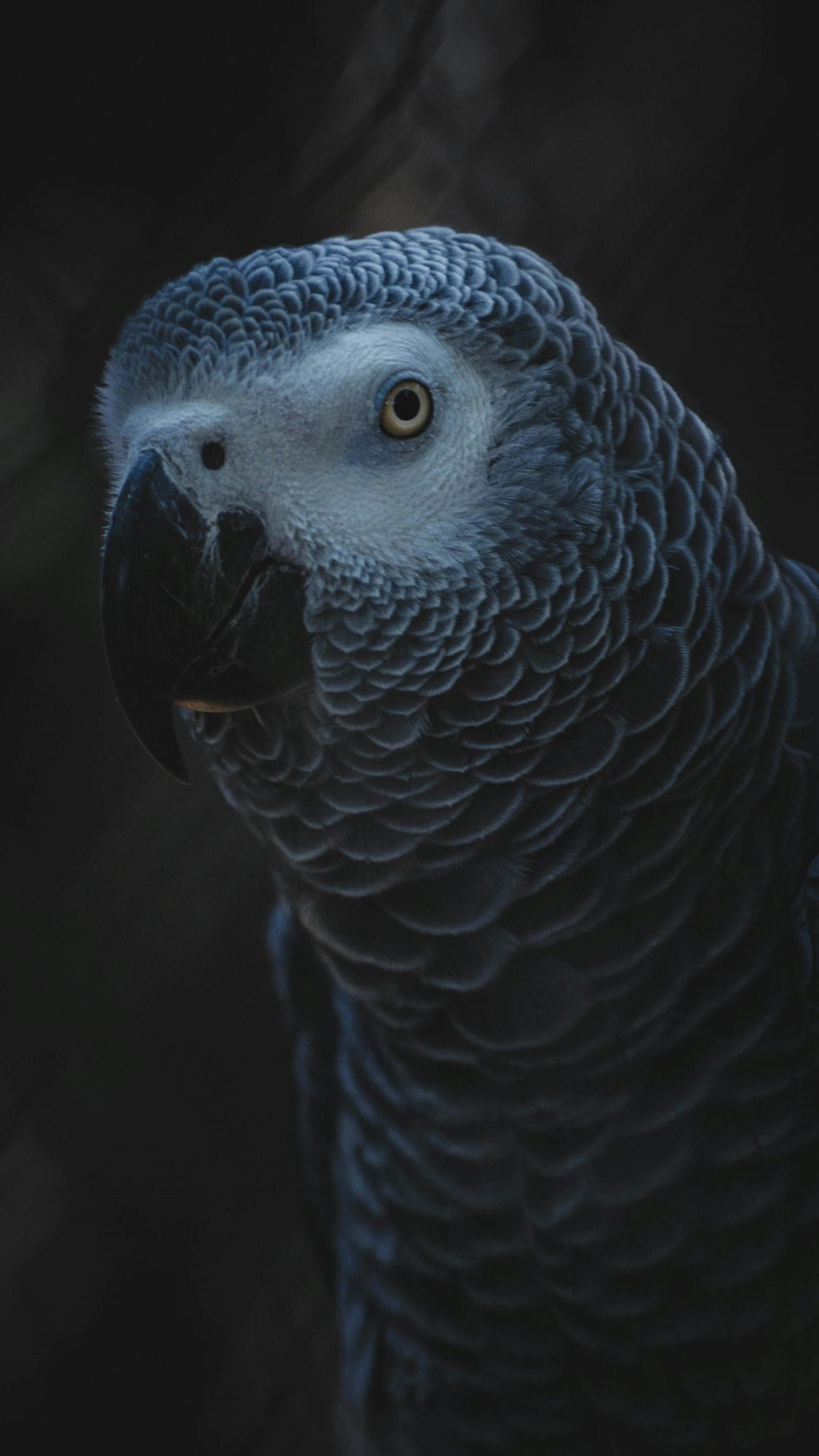
Health and Lifespan of the African Grey Parrot
Lifespan: A Long-Term Commitment
Years of Companionship: With proper care, African Grey Parrots can live up to 50-60 years, sometimes even longer.
An Enduring Bond: Their long lifespan means a lasting commitment, often spanning several decades.
Common Health Issues
Feather Plucking: A sign of stress or boredom, it’s essential to provide mental stimulation.
Psittacine Beak and Feather Disease (PBFD): A serious viral condition affecting feathers and beak.
Calcium deficiency can lead to health issues like weak bones; a balanced diet is crucial.
Veterinary Care: Essential for Well-being
Regular Check-Ups: Routine vet visits help in early detection and treatment of potential health issues.
Specialized Avian Vet: Due to their specific needs, it’s important to consult a veterinarian who specializes in birds.
Mental Health: Just as Important
Social Interaction: They need regular interaction and mental engagement to stay happy and healthy.
Enrichment Activities: Toys, puzzles, and training can keep them mentally stimulated and prevent behavioral problems.
Communication Skills of the African Grey Parrot
A Talking Marvel
Linguistic Prodigies: African Greys are renowned for their ability to mimic human speech with incredible clarity.
Vocabulary Capacity: They can learn an extensive vocabulary, sometimes hundreds of words.
Understanding and Use
Not Just Mimicry: These parrots often understand the context of words, using them appropriately.
Emotional Tone: They can detect and replicate the tone of human speech, conveying emotions.
Sounds Beyond Words
Imitating Sounds: From household noises to ringtones, they mimic a variety of sounds with precision.
Musical Birds: Some even develop a fondness for music and rhythm.
Non-Verbal Cues
Body Language: Besides vocalizations, they communicate through body language, like feather fluffing or wing flapping.
Eye Pinning: Their eyes can dilate or contract rapidly (pinning) when excited or interested.
Bonding Through Speech
Interaction Key: Regular conversation and interaction strengthen the bond between the parrot and its owner.
Training and Patience: Consistent training and patience are essential for developing their communication skills.
Care and Maintenance of the African Grey Parrot
Creating the Perfect Home
Spacious Cage: A large, sturdy cage is essential, allowing enough room for movement and exercise.
Safe Environment: Ensure the cage and home environment are free from hazards like toxic plants or small, ingestible objects.
Nutritional Needs
Balanced Diet: A diet rich in fruits, vegetables, and high-quality pellets is crucial for their health.
Fresh Water: Change their water daily to ensure cleanliness and hydration.
Regular Exercise
Out-of-Cage Time: Daily supervised time outside the cage is vital for physical and mental stimulation.
Playtime: Interactive toys and activities help keep them engaged and active.
Social Interaction
Bonding Time: African Greys need regular, meaningful interaction with their human families.
Consistent Schedule: They thrive on routine and predictability in their daily lives.
Healthcare
Routine Check-Ups: Regular veterinary visits are necessary to monitor their health.
Observation: Be attentive to any changes in behavior or appearance, which could indicate health issues.
Grooming
Feather Care: Regular misting or bathing helps keep their feathers in good condition.
Nail and Beak Trimming: Periodic trimming may be necessary, preferably by a professional.
Mental Well-Being
Enrichment: Provide a variety of toys and puzzles to keep their minds active and prevent boredom.
Training: Positive reinforcement training can be an enjoyable way to engage and bond with your parrot.
Fun Facts About the African Grey Parrot
A Brainy Bird
Cognitive Champions: These parrots are known for their problem-solving skills and cognitive abilities comparable to those of young children.
Long-Lived Companions
Decades of Friendship: With a lifespan that can exceed 50 years, African Greys often become lifelong companions for their owners.
Mimicry Masters
More Than Just Parrots: African Greys can imitate a wide range of sounds, from human speech to household noises, sometimes even fooling their owners!
Emotional Connect
Empathetic Feathers: They are highly sensitive to emotions, often reflecting the mood of their surroundings and forming deep bonds with their caregivers.
Unique Identity
Fingerprint Feathers: The tail feathers of each African Grey have a unique pattern, much like a human fingerprint.
Musical Talent
Rhythmic Birds: Some African Greys show a natural rhythm and can bob their heads in time to music, displaying their musical side.
Colorful Communication
Eye Pinning: Their eyes can dilate rapidly when excited, curious, or attentive—a unique way of expressing their emotions.
Playful Personalities
Toy Lovers: These intelligent birds love interactive toys and puzzles, showcasing their playful and curious nature.
A Global Favorite
Popular Pets: African Greys are among the most popular pet birds in the world, known for their intelligence and charisma.
Conservation Status
Protected Species: Due to their popularity and habitat loss, African Greys are listed on CITES Appendix II, highlighting the need for responsible breeding and conservation.
FAQs About African Grey Parrots
1. How long do African Grey Parrots typically live?
African Greys can live up to 50–60 years in captivity with proper care.
2. Are African Grey Parrots good at talking?
Yes, they are known for their exceptional ability to mimic human speech and sounds.
3. What do African Grey Parrots eat?
Their diet should include high-quality pellets, fresh fruits and vegetables, and occasional nuts and seeds.
4. Is it hard to take care of an African Grey Parrot?
They require dedicated care, including a proper diet, regular social interaction, and mental stimulation.
5. Do African Grey Parrots need a lot of attention?
Yes, they are social creatures and need regular interaction and bonding time with their owners.
6. Can African Grey Parrots live alone?
While they can live alone, they thrive better with companionship, either from humans or another bird.
7. Are African Grey Parrots good for families?
They can be great family pets, but they are best suited for families who can dedicate time to their care and social needs.
8. How can I keep my African Grey Parrot healthy?
Provide a balanced diet, regular veterinary care, mental stimulation, and a safe, engaging living environment.
9. Do African Grey Parrots like to be handled?
Many enjoy interaction, but it depends on the individual bird’s personality and their level of trust in their owner.
References and External Links
African Grey Parrot Study – “The Cognitive Abilities of the African Grey Parrot”—an academic paper detailing the intelligence of African Greys
Dietary Guide – “Optimal Nutrition for African Grey Parrots” A comprehensive guide on feeding African Greys for optimal health
Avian Health – “Common Health Problems in African Greys”—an article on recognizing and treating common health issues in African Grey Parrots