

1: What is the origin of the bulldog breed?
Bulldogs originated in England and were initially bred for bull-baiting.
2: How big do bulldogs typically get?
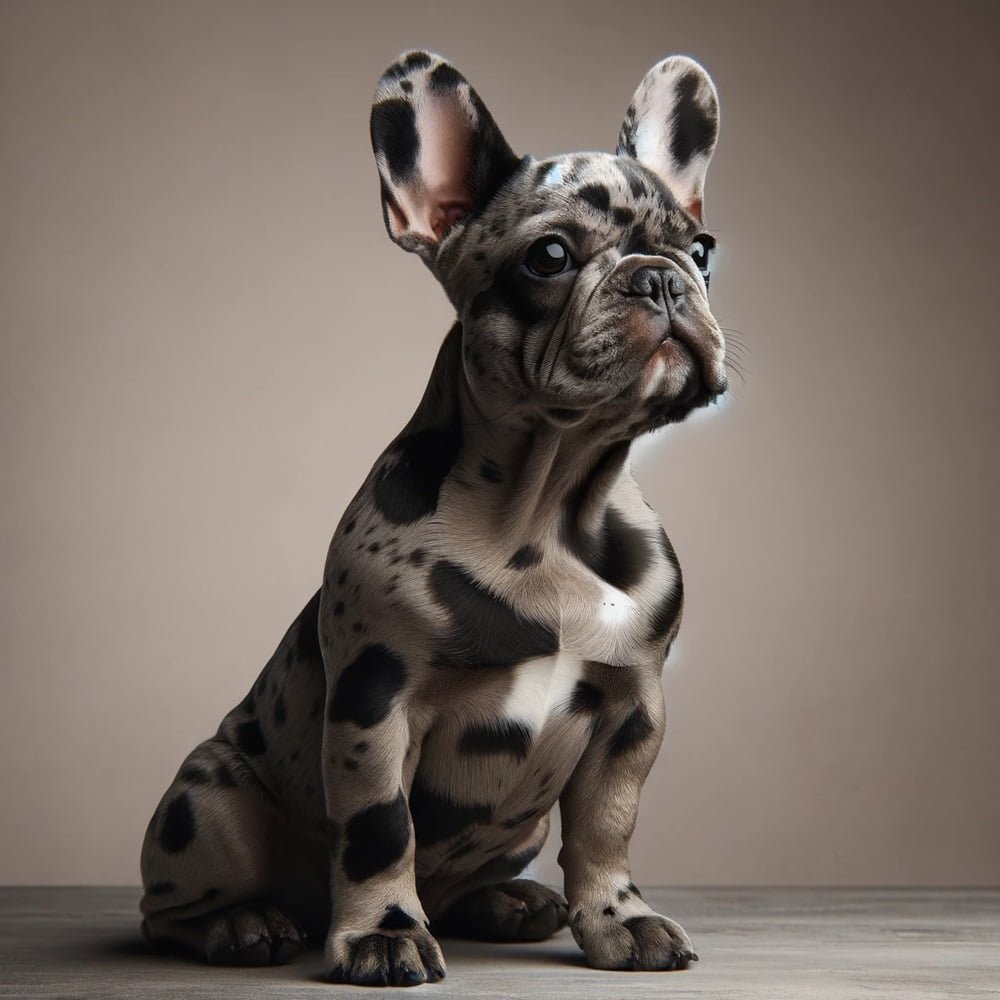
Bulldogs typically weigh between 40 to 50 pounds and stand about 14 to 15 inches at the shoulder.
3: What are the common colors of bulldogs?
Bulldogs are commonly found in white, fawn, brindle, or a mix of these.
4: How long do bulldogs usually live?
Bulldogs have a life expectancy of about 8 to 10 years.
5: Are bulldogs good with children?
Yes, bulldogs are known for being gentle and good with children.
6: How much exercise do bulldogs need?
Bulldogs require moderate exercise and are usually satisfied with short daily walks.
7: What are the common health issues in bulldogs?
Common health issues include respiratory problems, hip dysplasia, and skin infections.
8: Do bulldogs shed a lot?
Bulldogs are moderate shedders.
9: How often should bulldogs be groomed?
Regular grooming, about once a week, is recommended for bulldogs.
10: Are bulldogs easy to train?
Bulldogs can be stubborn, making training a bit challenging but not impossible.

11: Do bulldogs bark a lot?
Bulldogs are not known for excessive barking.
12: How do bulldogs interact with other dogs and pets?
They can be good with other pets if socialized properly, but some may have a strong prey drive.
13: What is the best diet for a bulldog?
A diet high in protein and low in grains is often recommended for bulldogs.
14: Can bulldogs handle hot and cold weather?
Bulldogs are sensitive to extreme temperatures, particularly heat.
15: Are bulldogs prone to obesity?
Yes, bulldogs are prone to obesity and require monitored diets and regular exercise.
16: What is the temperament of a bulldog?
Bulldogs are known for their loyal, patient, and affectionate nature.
17: How much does it cost to own a bulldog?
The cost varies, but expect significant expenses for purchases, food, healthcare, and grooming.
18: Is it better to get a male or female bulldog?
The choice depends on personal preference; both sexes have their own unique traits.
19: Can bulldogs live in apartments?
Yes, bulldogs can adapt well to apartment living due to their moderate exercise needs.
20: What kind of toys do bulldogs like?
Bulldogs often enjoy chew toys and puzzles that stimulate them mentally.
21: Do bulldogs drool a lot?
Bulldogs are known to drool, especially after drinking or eating.
22: How to train a bulldog puppy?
Consistency, patience, and positive reinforcement techniques are key in training bulldog puppies.
23: Are bulldogs good guard dogs?
Bulldogs can be good guard dogs due to their protective nature.
24: Do bulldogs have breathing problems?
Yes, due to their brachycephalic (short-nosed) structure, they can have respiratory issues.
25: How to socialize a bulldog puppy?
Early exposure to various people, pets, and environments is important for socializing Bulldog puppies.
26: What are some common bulldog mixes?
Common Bulldog mixes include the Bull-Pug (Bulldog and Pug) and Bullador (Bulldog and Labrador).
27: How to deal with bulldog chewing habits?
Providing chew toys and consistent training can help manage their chewing habits.
28: What are the exercise needs of a bulldog puppy?
Bulldog puppies require regular, but not intense, exercise; short walks and playtime are sufficient.
29: Can bulldogs swim?
Bulldogs generally aren’t good swimmers due to their heavy build and short snout.
30: How to care for a bulldog’s wrinkles?
Regular cleaning of their wrinkles is necessary to prevent infections.
31: What are the signs of a healthy bulldog?
A healthy bulldog should have clear eyes, a healthy coat, good energy levels, and no difficulty breathing.
32: How often do bulldogs need veterinary check-ups?
Regular annual check-ups are recommended, more frequently for seniors or bulldogs with health issues.
33: What is the history of bulldogs in dog shows?
Bulldogs have been popular in dog shows since the late 19th century, valued for their distinctive appearance.
34: Are bulldogs prone to allergies?
Yes, bulldogs can be prone to skin allergies.
35: How to identify a purebred bulldog?
Purebred Bulldogs have distinct physical features and can be verified through breed papers.
36: What are some famous Bulldogs in popular culture?
Bulldogs are popular in the media and often portrayed as lovable, slightly stubborn characters.
37: How to deal with bulldog snoring?
Keeping bulldogs at a healthy weight and providing a comfortable sleeping position can help reduce snoring.
38: What are the best leashes and collars for bulldogs?
Sturdy, well-fitted collars and leashes are recommended due to their strong necks.
39: Can bulldogs be left alone during the day?
Bulldogs can be left alone for a few hours, but they thrive on human companionship and shouldn’t be left alone for long periods of time.
40: How to introduce a bulldog to a new baby or pet?
Gradual, supervised introductions are recommended to ensure a positive interaction.
41: What are the best training methods for bulldogs?
Positive reinforcement and reward-based training methods work best for bulldogs.
42: Do bulldogs need special care as they age?
Senior bulldogs may need special care, including dietary changes and more frequent veterinary visits.
43: How do I manage bulldog weight?
A balanced diet and regular exercise are key to managing a bulldog’s weight.
44: What are the best treats for bulldogs?
Healthy, low-calorie treats are best for bulldogs to avoid obesity.
45: How do you cope with bulldog separation anxiety?
Training, consistent routines, and sometimes anxiety-relieving products can help.
46: What are bulldog rescue organizations?
These are organizations dedicated to rescuing and rehoming bulldogs.
47: Can bulldogs participate in dog sports?
Bulldogs can participate in certain dog sports suited to their capabilities, like obedience and agility, at a moderate level.
48: What are some common myths about bulldogs?
Common myths include that they are aggressive and lazy, which is not typically true.
49: How to prepare for a bulldog puppy?
Preparations include setting up a safe space, purchasing supplies, and planning for training and socialization.
50: What are the best resources for Bulldog owners?
Resources include breed-specific books, reputable websites, and bulldog breed clubs and groups.
References And External Links
-
American Kennel Club (AKC): The AKC website is a trusted resource for information on dog breeds, including bulldogs. They provide detailed breed standards, care tips, training resources, and health information. Visit the AKC website
- The Bulldog Club of America (BCA): As a breed-specific club, BCA offers comprehensive insights into bulldog health, breed history, and care tips. Check out the BCA website
- Vetstreet: Vetstreet is known for its reliable, veterinary-approved content. They have breed-specific sections, including one for bulldogs, discussing their temperament, health issues, and care needs. Explore Vetstreet’s Bulldog section
- PetMD: PetMD offers a wide range of articles on pet health, including detailed guides on common bulldog health issues and general care advice. Go to PetMD’s website
- The Spruce Pets: This site offers practical, real-life tips and training advice to help you care for your bulldog. Visit The Spruce Pets
-
Bulldog Rescue Network: For information on bulldog rescue organizations and adoption tips, the Bulldog Rescue Network is a valuable resource. Visit the Bulldog Rescue Network