
Welcome to Pet Breed Hub, your go-to source for all things related to pet breeds. Today, we’re embarking on a colorful journey into the world of Veiled chameleons. Fasten your seatbelts; this isn’t your typical pet guide. 🦎✨

Veiled Chameleon Color Chart
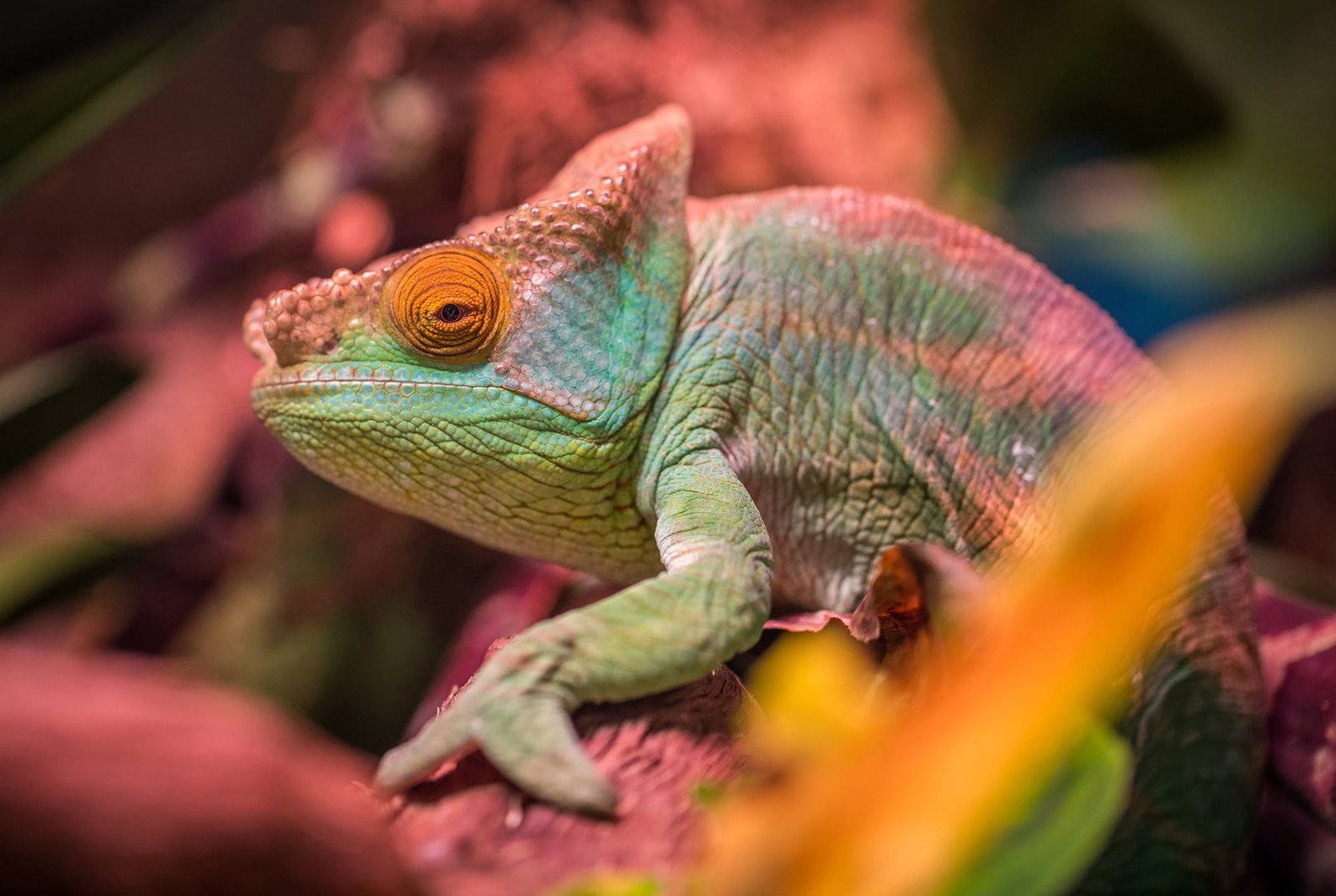
The Veiled Chameleon, a living kaleidoscope, is renowned for its remarkable ability to change colors. This chart provides a glimpse into the diverse palette they display throughout their life stages and in response to various stimuli.
Basic Coloration
Hatchlings: predominantly green with brown markings.
Juveniles: Brighter green with bands of yellow and blue as they mature.
Adults:
Males: Vibrant green with bold bands of yellow, blue, and sometimes orange or red.
Females: Generally a softer green with hints of white, yellow, or blue.
Color Changes Based on Mood and Environment
Relaxed: soft green with subtle patterns.
Stressed: darker colors like brown or black, often with vivid stripes or spots.
Courting: Males display brighter, more contrasting colors.
Pregnant Females: Show distinct dark spots or bands on a lighter background.
Temperature Influence
Warmth: brighter, more vibrant colors.
Cooler: darker, more subdued tones.
Health Indicators
Healthy: bright, clear colors.
Unhealthy: Dull, faded, or overly dark colors for prolonged periods.
Note: While their color-changing ability is often seen as camouflage, it’s more commonly used for communication and temperature regulation.
Care for Veiled Chameleons
Caring for a Veiled Chameleon involves understanding their unique needs and creating an environment that closely mimics their natural habitat. Here are key aspects to focus on:
1. Habitat Setup
Terrarium: A large, vertical space with plenty of branches and foliage for climbing and hiding.
Lighting: Essential UVB lighting for calcium synthesis and overall health.
Temperature: A basking area with temperatures around 95°F (35°C) and a cooler area around 72°F (22°C).
Humidity: Maintain 50–70% humidity, achieved through regular misting.
2. Diet and Nutrition
Insects: Crickets, mealworms, and waxworms make up their primary diet.
Supplements: Calcium and vitamin D3 supplements are crucial for bone health.
Hydration: Provide a dripping system or mist regularly, as they prefer to drink water droplets from leaves.
3. Handling and Behavior
Handling: Minimize handling as Veiled Chameleons can get stressed easily.
Social Interaction: They are solitary; avoid housing them with other chameleons.
4. Health Monitoring
Regular Checks: Look for signs of stress, poor nutrition, or illness, like lethargy or lack of appetite.
Veterinary Care: Regular check-ups with a vet experienced in reptile care are important.
5. Environmental Enrichment
Variety: Change the layout of the terrarium occasionally to provide mental stimulation.
Safe Exploration: Allowing controlled exploration outside the terrarium can be beneficial.
Veiled Chameleon Habitat
In the heart of the Arabian Peninsula, the Veiled Chameleon thrives in a world of treetops and sun-kissed leaves. Here’s a snapshot of their natural and captive habitats:
In the Wild
Origin: Native to Yemen and Saudi Arabia.
Landscape: Arid mountain ranges and valleys.
Climate: Warm with varying humidity.
Adaptations: Their ability to climb and change colors aids survival in a diverse environment.
In Captivity
Terrarium Setup: A vertical space mimicking their natural habitat.
Size: At least 18x18x36 inches for adults.
Vegetation: Live plants like ficus or hibiscus for climbing and hiding.
Lighting: UVB lighting is crucial for their health.
Temperature: A gradient from 72°F (22°C) at the bottom to around 95°F (35°C) at the top.
Humidity: Maintained between 50-70% with regular misting.
Key Takeaways
Space: They love to climb, so vertical space is a must.
Safety: Avoid overcrowding, as they are solitary creatures.
Monitoring: Regular checks on temperature and humidity levels are essential.
Species Spotlight: Veiled Chameleon
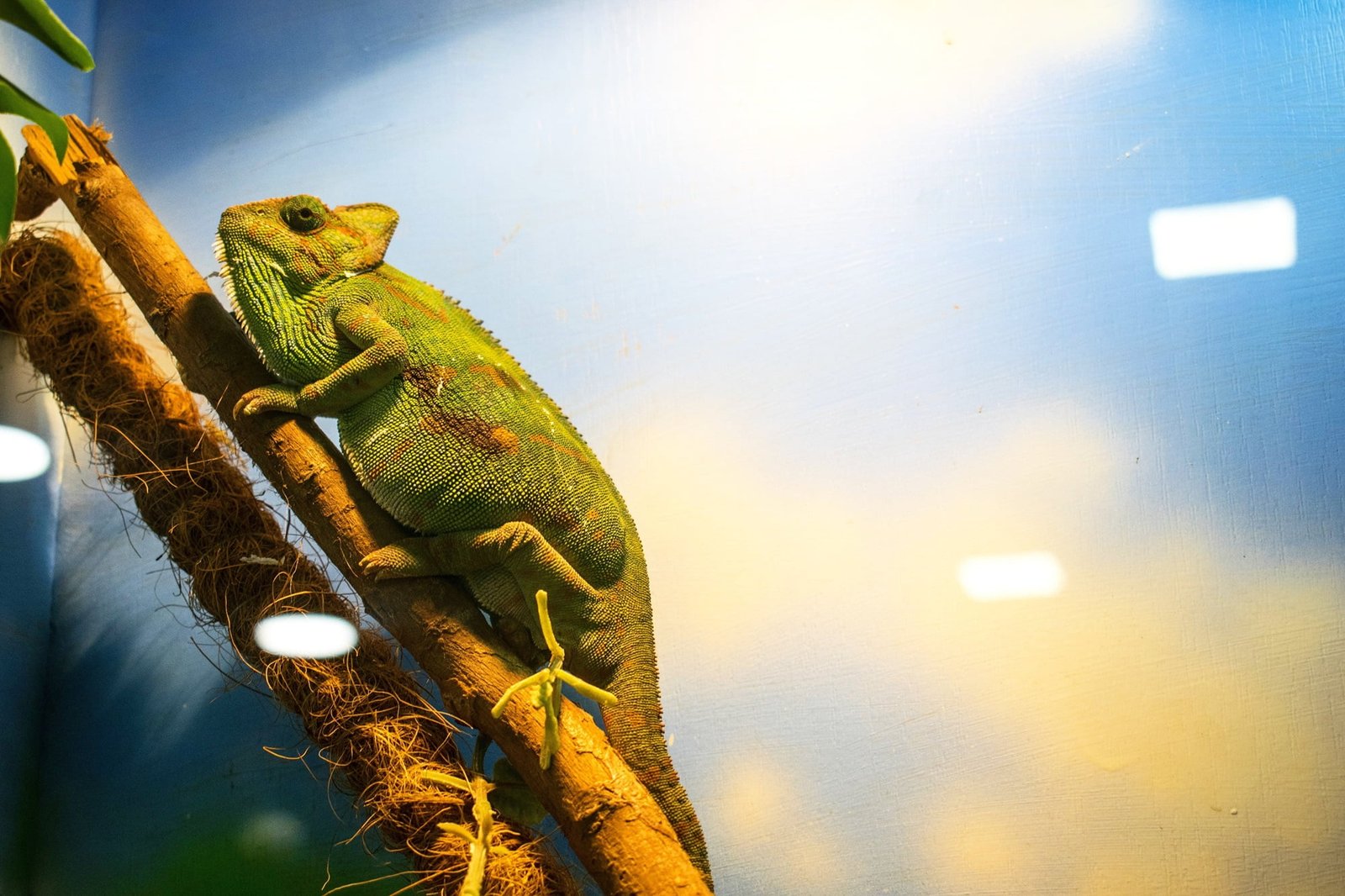
Welcome to Pet Breed Hub’s Species Spotlight! Today, we’re focusing on the vibrant and intriguing Veiled Chameleon. 🦎✨ Let’s get to know these colorful creatures better!
Veiled Chameleon (Chamaeleo calyptratus)
Origin: Native to the Arabian Peninsula, particularly Yemen and Saudi Arabia.
Habitat: Loves arboreal settings; often found in trees and bushes.
Size: Males can reach up to 24 inches, while females are smaller, around 14 inches.
Lifespan: Typically 6-8 years in captivity.
Color Palette: Predominantly green, but can change to yellows, blues, and even purples based on mood and environment.
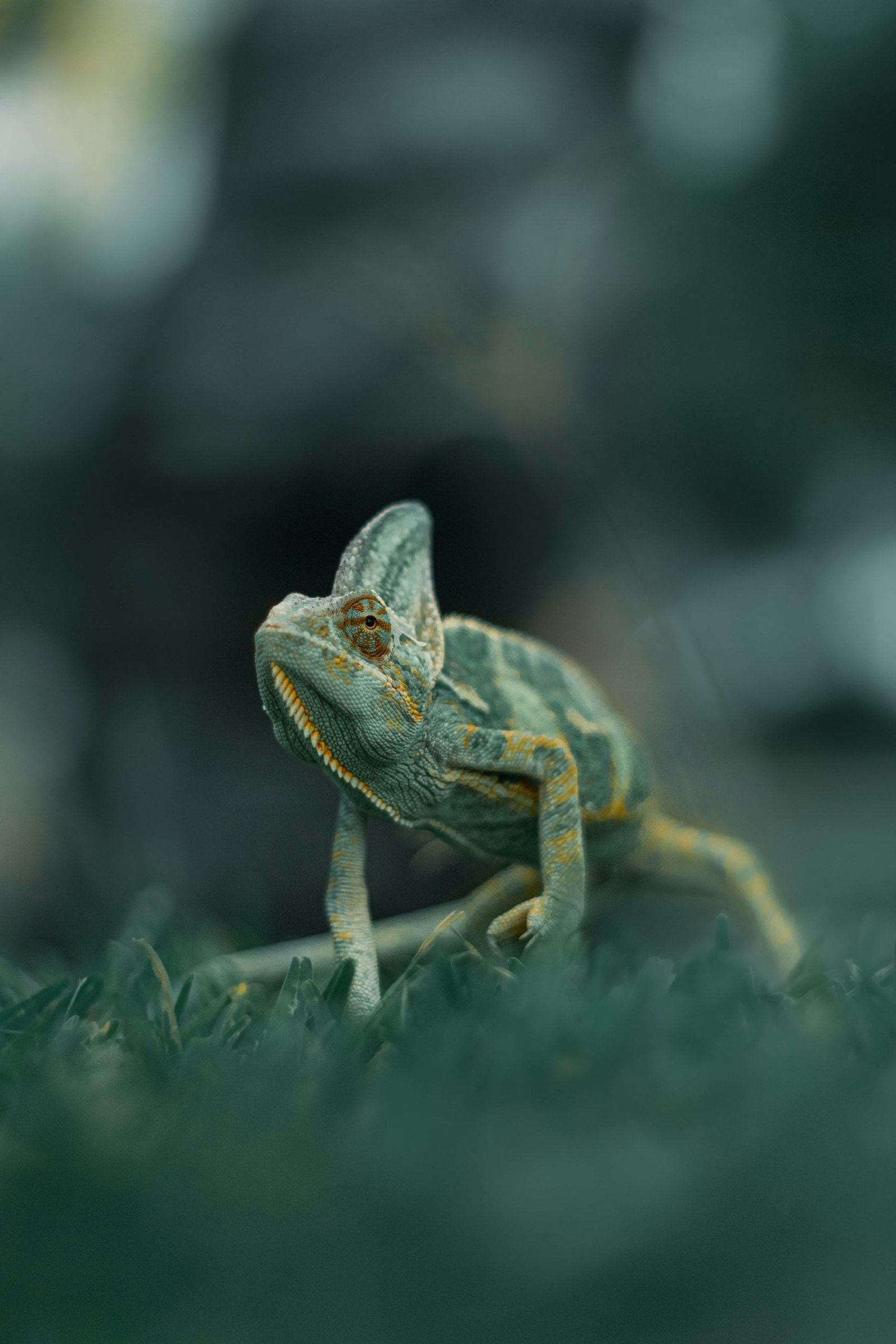
Distinguishing Feature: They have a distinctive “veil” or casque on their heads, which gets larger as they grow.
Diet: Mainly insectivores, enjoying a diet of crickets, worms, and occasional leafy greens.
Personality: Known for being solitary and territorial. They prefer not to be handled too much.
Did You Know?
Veiled chameleons change colors not just for camouflage but also to communicate their moods and regulate their body temperature.
They have a unique 360-degree vision, allowing them to look in two directions at once!
Veiled Chameleon Size Chart
Welcome to a quick dive into the fascinating world of Veiled Chameleons at Pet Breed Hub! 🦎✨ Today, we’re zooming in on one specific feature: their size. This chart is perfect for young explorers and curious minds.
Veiled Chameleon Growth Stages
| Age | Length (from head to tail) |
|---|---|
| Hatchling | 3-4 inches (7.5-10 cm) |
| 3 Months | 5-6 inches (12.5–15 cm) |
| 6 Months | 8-10 inches (20-25 cm) |
| 1 Year | 12–14 inches (30–35 cm) |
| Adult Male | 17-24 inches (43-61 cm) |
| Adult Female | 10–14 inches (25–35 cm) |
Note: Males are typically larger than females.
Did You Know?
Growing Up Fast: Veiled Chameleons grow rapidly in their first year.
Colorful Giants: The size also varies with color; more vibrant chameleons can be on the larger side.
Veiled Chameleon Diets
Feeding a Veiled Chameleon correctly is vital for its health and wellbeing. These creatures have specific dietary needs that mimic their natural insectivorous habits in the wild. Here’s a snapshot of their ideal diet:
Primary Diet
Insects: The mainstay of their diet. Favorites include crickets, mealworms, and waxworms.
Variety: It’s crucial to offer a variety of insects to ensure a balanced diet.
Supplements
Calcium: Dust their food with calcium supplements to prevent metabolic bone disease.
Vitamins: A multivitamin supplement, especially with vitamin D3, should be used sparingly, typically once or twice a week.
Feeding Schedule
Young Chameleons: Daily feeding is recommended as they are growing rapidly.
Adult Chameleons: They should be fed every other day to prevent obesity.
Water Intake
Hydration Method: Veiled chameleons don’t typically drink from a water bowl. Instead, they prefer to lick water droplets off leaves.
Providing Water: Use a dripping system or mist the enclosure regularly to simulate rain droplets on foliage.
Food Size
The size of the insects should be appropriate for the size of the chameleon. As a rule of thumb, don’t feed them anything larger than the space between their eyes.
Foraging Behavior
Encourage natural foraging behavior by placing food items in different locations around the enclosure.
Note: Overfeeding and an imbalanced diet can lead to health issues. Monitoring their dietary intake is as important as providing the right foods.
Fun Facts About Veiled Chameleons
Veiled chameleons are not just visually stunning; they are a bundle of fascinating traits and behaviors. Here are some fun facts that make these creatures so unique and captivating:
1. A Tongue Twice Their Body Length
Veiled chameleons have a tongue that can shoot out at incredible speeds, often twice the length of their body, to catch prey.
2. 360-Degree Vision
They can rotate their eyes independently, allowing them to look in two different directions simultaneously.
3. Color-Changing Masters
While they are known for changing colors, it’s more for communication and temperature regulation than for camouflage.
4. Born Climbers
Their feet are uniquely adapted for climbing, with toes grouped into two-fingered and three-fingered sets for a better grip.
5. The “Veiled” Part of Their Name
They get their name from the prominent casque, or “veil,” on top of their head, which grows larger as they mature.
6. Solitary from Birth
Veiled chameleons are solitary creatures. They are born independent and start fending for themselves right away.
7. Unique Birth Process
Female Veiled Chameleons lay clutches of 20–70 eggs, which they bury in sand or soil. These eggs can take up to 9 months to hatch.
8. A Rainbow of Emotions
Their color changes can indicate various emotions, including fear, anger, or attempting to attract a mate.
FAQs About Veiled Chameleons
1: What do Veiled Chameleons eat?
Primarily insects like crickets, mealworms, and waxworms are supplemented with calcium and vitamins.
2: How often should I feed my Veiled Chameleon?
Young chameleons need daily feeding, while adults should be fed every other day.
3: Can veiled chameleons change color?
Yes, they change colors for communication, mood expression, and temperature regulation.
4: How long do Veiled Chameleons live?
They typically live for 6-8 years in captivity with proper care.
5: Do Veiled Chameleons like to be handled?
They are generally not fond of frequent handling as it can cause them stress.
6: What kind of habitat do they need?
A vertical terrarium with UVB lighting, proper temperature and humidity, and foliage for climbing.
7: How can I tell if my Veiled Chameleon is healthy?
Signs of good health include clear eyes, regular eating, and active behavior. Dull coloration for prolonged periods can be a sign of illness.
8: Are Veiled Chameleons good for beginners?
They can be challenging for first-time reptile owners due to their specific care requirements.
9: How do Veiled Chameleons drink water?
They prefer to lick water droplets off leaves, so misting the enclosure or using a dripping system is recommended.
10: Can I keep more than one Veiled Chameleon together?
It’s best to house them individually as they are solitary and can be territorial.
Conclusion
Veiled chameleons are fascinating and colorful companions. With proper care, they can be a captivating addition to your family. Remember, their care needs are unique, so always be prepared to meet them!
References and External Links
References
“The Veiled Chameleon (Chamaeleo calyptratus) Care Manual”—a comprehensive guide by the Association of Reptilian and Amphibian Veterinarians
“Chameleons: Nature’s Hidden Jewels” by Petr Necas This book offers extensive information on chameleon species, including the veiled chameleon.
“Reptile Medicine and Surgery” by Douglas R. Mader A key veterinary reference that includes care and medical information for reptiles
External Links
Reptiles Magazine offers care sheets and articles on Veiled Chameleons and other reptiles.
HerpCare Collection – Provides detailed care information and resources on reptiles, including chameleons.
The Reptile Database is a comprehensive database for information on various reptile species.
Veiled Chameleon Care Guide at Top Pet Breed – An in-depth guide tailored to Veiled Chameleon enthusiasts