
Welcome to Pet Breed Hub, your go-to guide to pet breeds! Today, we’re diving into the fluffy world of the Himalayan cat, a breed that’s as mysterious as it is charming. Let’s unravel the secrets of this furry friend in a style that’s as unique as they are!
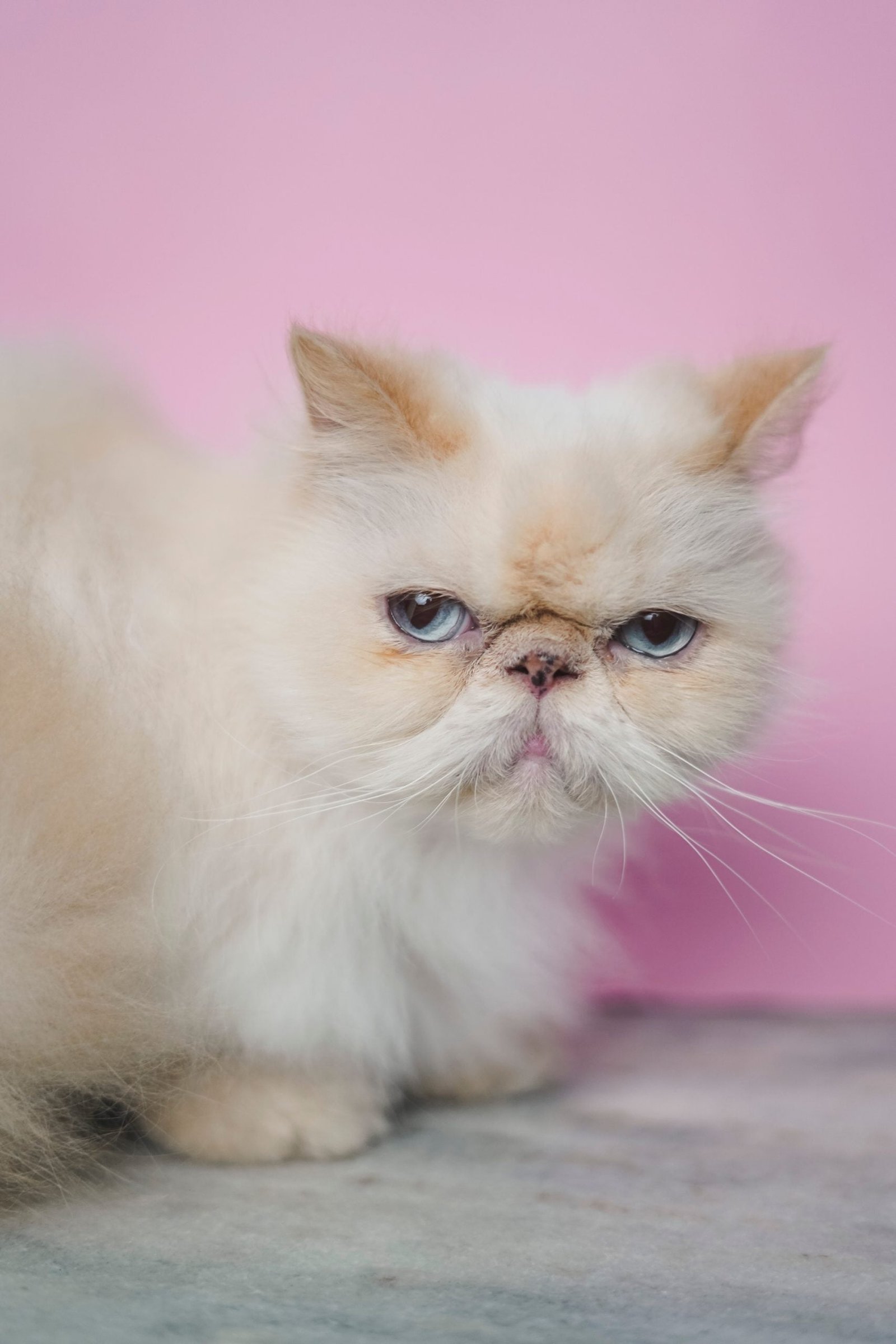
Origin & History of the Himalayan Cat
A Crossbreed Creation
Origins: The Himalayan cat, affectionately known as the ‘Himmie’, is a product of intentional breeding.
Breeding Goals: Breeders aimed to blend the best of two worlds: the lush, long coat of the Persian and the striking color points and blue eyes of the Siamese.
Timeframe: This breeding experiment began in the early 20th century but gained prominence in the 1950s.
The Pioneers
First Attempts: Dr. Clyde Keeler and Virginia Cobb, notable figures in the feline world, initiated the breeding program.
Objective: Their goal was to produce a cat with the physique and long hair of a Persian but with the color pattern of a Siamese.
Recognition and Development
Recognition: It took years of dedicated breeding before the Himalayan gained official recognition as a distinct breed.
Cat Associations: Various cat associations initially had differing views on the breed, with some classifying them as a subtype of Persians.
The Modern Himalayan Cat
Present-Day Status: Today, the Himalayan cat is cherished worldwide, recognized for its unique blend of traits from its Persian and Siamese ancestors.
Breed Evolution: Over the years, the breed has evolved, with breeders fine-tuning characteristics like fur texture and body shape to perfect the Himalayan we know and love today.

Physical Features of the Himalayan Cat
Luxurious Coat
Texture: Soft, long, and dense, the Himalayan’s coat is a delight to touch. It’s reminiscent of its Persian lineage.
Grooming Needs: High maintenance is the name of the game here. Regular brushing is essential to prevent tangles and mats.
Striking Eyes
Color: One of the most captivating features of the Himalayan cat is its deep, vivid blue eyes, a charming trait inherited from their Siamese ancestors.
Expression: Their eyes often convey a sense of intelligence and curiosity, adding to their enchanting allure.
Color Points
Variety: The breed showcases a range of color points—areas of darker coloration—on the ears, face, paws, and tail. These can include shades like chocolate, seal, lilac, and blue.
Contrast: The color points offer a striking contrast to their primarily cream or white bodies, a feature that they owe to their Siamese heritage.
Body Structure
Size: Himalayan cats are typically medium to large, showcasing a robust and muscular build.
Weight: They can weigh anywhere from 7 to 12 pounds, with males generally being larger than females.
Facial Features
Face Shape: They possess a round face with full cheeks, a hallmark of the Persian side of their family.
Nose: Short and snub, adding to their distinctive and endearing facial appearance.
Tail and Paws
Tail: Their tails are fluffy and proportionate to their body, often carried with a graceful curve.
Paws: Large, round, and tufted with fur, their paws add to their overall charm and elegance.

Personality Traits of the Himalayan Cat
Affectionate and Loving
Cuddly Companions: Himalayan cats are known for their affectionate nature. They love to snuggle and often seek out the company of their human family members.
Lap Cats: Many Himmies enjoy lounging on laps, making them perfect companions for cozy evenings.
Playful Yet Gentle
Playfulness: Despite their serene appearance, Himalayans have a playful side. They enjoy interactive toys and games, showing kitten-like joy in play.
Gentleness: Their play is often gentle, reflecting their calm and composed nature.
Intelligent and Responsive
Learning Ability: Himalayans are quite intelligent, capable of learning tricks and responding to basic commands, a trait they likely inherit from their Siamese lineage.
Interactive: They enjoy engaging activities that stimulate their minds, like puzzle toys or gentle training sessions.
Social and Companionable
Good with Families: Himalayans are typically good with children and other pets, making them suitable for families.
Social Interaction: They thrive on social interaction and do not like being left alone for extended periods.
Communicative
Vocalizations: While not as talkative as their Siamese ancestors, Himalayans can be vocal, especially when they want attention or food.
Expressive: Their vocalizations are often soft and melodious, adding to their charming personality.
Laid-back and Adaptable
Relaxed Nature: Himalayans tend to have a laid-back attitude, making them adaptable to various living environments, including apartments.
Routine Lovers: They appreciate a consistent routine, enjoying the comfort and security it provides.
Care And Health of the Himalayan Cat
When it comes to caring for a Himalayan cat, understanding their specific needs is key to ensuring a happy and healthy life. Here’s a concise guide to their care and health:
Grooming
Fur Care: Their long, luxurious coat requires daily brushing to prevent matting and reduce shedding.
Bathing: Regular baths are recommended to keep their coat clean and lustrous.
Nutrition
Dietary Needs: A balanced diet is crucial. High-quality cat food that suits their age, size, and activity level is important.
Hydration: Ensure they have constant access to fresh water, as proper hydration is vital.
Exercise
Physical Activity: Regular playtime helps maintain a healthy weight and keeps them mentally stimulated.
Interactive Toys: Engage them with toys that encourage movement and play.
Regular Veterinary Check-ups
Health Monitoring: Regular vet visits are essential for vaccinations, dental care, and health screenings.
Preventive Care: Discuss preventive measures with your vet, like flea and tick control.
Monitoring for Health Issues
Breathing Difficulties: Being a brachycephalic breed, they might face respiratory issues. Watch for signs of breathing difficulty.
Kidney and Heart Health: Regular check-ups can help in the early detection of common issues like kidney disease or heart conditions.
Environmental Considerations
Indoor Living: Himalayans are best suited to an indoor lifestyle to protect them from external dangers and maintain their coat condition.
Comfortable Space: Provide a safe, comfortable environment with access to cozy resting areas.
Mental Health
Social Interaction: They thrive on attention and companionship. Ensure they’re not left alone for too long.
Stress Reduction: Maintain a calm environment, as Himalayans can be sensitive to stress.
Fun Facts About Himalayan Cats
Himalayan cats are not just beautiful and affectionate; they are also full of surprises! Here are some fun facts about these delightful felines:
Named After Majestic Mountains
Inspiration for the Name: The breed is named ‘Himalayan’ of the Himalayan mountains, possibly due to the similarity in the color points of the cats to the snow-capped peaks.
Stunning Eye Color
Blue Eyes: One of the most striking features of Himalayans is their deep blue eyes, a characteristic they inherit from their Siamese ancestors.
A Hollywood Star
Movie Fame: Himalayan cats have appeared in various movies and TV shows, showcasing their photogenic and charming nature.
Longevity
Lifespan: With proper care, Himalayan cats can live for 15 years or more, making them long-term companions.
A Royal Favorite
Royal Affection: This breed has been a favorite among royalty and celebrities, known for their regal and elegant appearance.
Communication Skills
Vocal Expressions: While they are not as vocal as Siamese cats, Himalayans can be quite expressive with their soft meows, especially when seeking attention.
Color Point Variety
Range of Colors: Himalayans have a wide variety of color points, including seal, blue, chocolate, lilac, and more, making each cat unique.
A Breed of Two Worlds
Hybrid Origins: As a cross between Persian and Siamese cats, Himalayans enjoy traits from both worlds – the luxurious fur of Persians and the striking color points of Siamese.
Temperament
Gentle Giants: Despite their size, Himalayans are known for their gentle and docile temperament, making them great family pets.
The Perfect Companion
Affectionate Nature: Known for their loving and affectionate demeanor, Himalayans often form strong bonds with their human families.
Diets for Himalayan Cats

Proper nutrition is crucial for the health and well-being of Himalayan cats. Here’s a brief guide to their dietary needs:
Protein Sources
Essential Component: High-quality protein is vital for muscle development and overall health.
Recommended Choices: Include meats like chicken, turkey, and fish in their diet.
Carbohydrates
Moderate Intake: While not a primary energy source, small portions of carbohydrates can be beneficial.
Healthy Options: Choose easily digestible carbs like certain grains or vegetables.
Fats
Good Fats: Essential for energy and the absorption of certain vitamins.
Sources: Look for foods containing healthy fats like fish oils or chicken fat.
Vitamins and Minerals
Balanced Diet: Ensure their food provides a balanced mix of essential vitamins and minerals.
Commercial Cat Foods: High-quality commercial cat foods usually offer a well-balanced nutrient mix.
Hydration
Water: Always have fresh water available. Hydration is crucial for preventing urinary and kidney problems.
Special Dietary Considerations
Age-Specific Needs: Adjust their diet according to their life stage – kitten, adult, or senior.
Health Issues: Be mindful of any specific health needs or dietary restrictions your Himalayan cat may have.
FAQs About Himalayan Cats
1: Are Himalayan cats friendly?
Yes, Himalayan cats are generally known for being friendly. They tend to be affectionate, gentle, and sociable, often forming strong bonds with their owners and families. Himalayans usually enjoy being around people and can be quite playful and loving. They often exhibit a calm and laid-back demeanor, making them excellent companions, especially for those who appreciate a more interactive and affectionate pet. However, like any breed, individual personalities can vary, so some Himalayans might be more reserved or independent. Overall, their friendly and loving nature makes them a popular choice for families and individuals alike.
2: Are Himalayan cats expensive?
Yes, Himalayan cats can be relatively expensive compared to some other cat breeds. The cost can vary widely depending on several factors, including:
Breeder Reputation: Reputable breeders who invest in high-quality breeding practices and ensure the health and well-being of their cats typically charge more.
Pedigree: Cats with a documented pedigree or those from award-winning lineages can be more expensive.
Age and Health: Kittens are generally more expensive than adult cats. Additionally, the health screenings and vaccinations the kitten has received can affect the price.
Location: Prices can vary based on geographic location and availability in the area.
Color and Markings: Unique or particularly desirable color patterns may command higher prices.
3: Can Himalayan cats meow?
Yes, Himalayan cats can meow. They are known for their vocal nature, although they are typically not as talkative as their Siamese ancestors. Himalayan cats may meow to communicate various needs or desires, such as wanting attention, and food, or expressing their feelings. Their meows are usually soft and melodious.
4: What 2 breeds make a Himalayan cat?
A Himalayan cat is a breed created by crossing a Persian cat with a Siamese cat. This crossbreeding was done to combine the long, luxurious fur and calm demeanor of the Persians with the striking color points and blue eyes of the Siamese. The result is the Himalayan cat, which features the physical characteristics of a Persian and the distinctive coloration patterns of a Siamese.
5: Are Himalayan cats loyal?
Yes, Himalayan cats are generally known for their loyalty. They often form strong, affectionate bonds with their owners and can be quite devoted and loving. Himalayans are known to follow their favorite people around the house and seek out their company, displaying their loyalty and attachment.
6: Why are Himalayan cats so friendly?
Himalayan cats are often regarded as friendly due to a combination of genetic, environmental, and breed-specific traits:
Genetic Traits: Himalayans inherit traits from both their Persian and Siamese ancestors. Persians are known for their gentle, calm, and affectionate nature, while Siamese cats are recognized for their sociability and desire for interaction. This combination typically results in a breed that enjoys human company and is friendly towards people.
Socialization: Like all cats, Himalayans’ early experiences can shape their personalities. Those who are well-socialized from a young age, meaning they are gently exposed to various people, environments, and experiences, tend to be more outgoing and comfortable around humans.
Breed Disposition: Himalayans are often bred for both their physical and temperamental traits. Breeders who prioritize a friendly and sociable temperament will naturally produce kittens that are more inclined to be friendly.
Upbringing and Interaction: The way a Himalayan is raised also plays a significant role in its friendliness. Cats that are raised in loving, interactive environments where they receive regular attention and affection are more likely to be friendly and sociable.
Individual Personality: It’s also important to note that individual personalities can vary greatly among cats, even within the same breed. Some Himalayans may be naturally more friendly than others.
7: What is a Himalayan Cat?
Himalayan cats are a breed created by crossing Persian and Siamese cats, known for their long fur and distinctive color points.
8: How often do Himalayan Cats need to be groomed?
They require daily grooming due to their long, luxurious fur, which prevents matting and tangles.
9: Are Himalayan Cats good with children and other pets?
Generally, yes. Himalayans are known for their gentle and affectionate nature, making them suitable for families with children and other pets.
10: What are common health concerns for Himalayan Cats?
They may be prone to respiratory issues, kidney diseases, and dental problems, similar to their Persian ancestors.
11: How long do Himalayan Cats typically live?
With proper care, Himalayan cats can live for 12–15 years and sometimes even longer.
12: Do Himalayan Cats require a special diet?
They don’t require a special diet, but a balanced diet suitable for long-haired breeds is recommended. Fresh water and regular feeding times are also important.
13: Are Himalayan Cats vocal?
They can be moderately vocal, inheriting some of the Siamese’s talkative nature, but are generally not as loud.
14: How much do Himalayan Cats usually weigh?
They typically weigh between 7 to 12 pounds, with males usually being larger than females.
15: Can Himalayan Cats be left alone for long periods?
They prefer companionship and may not do well if left alone for extended periods. They thrive on attention and interaction.
16: What colors do Himalayan Cats come in?
They are known for their color points, which can include seal, blue, lilac, chocolate, red (flame), cream, and various tortoiseshell patterns.
Conclusion
The Himalayan cat is a perfect blend of elegance, affection, and playfulness. They bring a unique charm to any home, making them more than just pets, but a part of the family.
References and External Links
The Cat Fanciers’ Association (CFA): offers comprehensive information on cat breeds, including the Himalayan, with details on breed standards, history, and care. Visit CFA
The International Cat Association (TICA): provides detailed breed profiles and resources for cat enthusiasts. Visit TICA
Veterinary Centers: Trusted veterinary resources like VCA Hospitals offer in-depth articles on pet health, including specific breeds like the Himalayan. Visit VCA Hospitals
Himalayan Rescue and Welfare Organizations: Websites like Petfinder or specific Himalayan rescue organizations can be valuable for those looking to adopt a Himalayan cat. Visit Petfinder
Cat Health and Welfare Sites: Organizations like the ASPCA offer general information on cat care that applies to Himalayan cats. Visit ASPCA
Cat Enthusiast Forums and Blogs: Online communities like TheCatSite.com provide a platform for discussions and shared experiences among Himalayan cat owners. Visit TheCatSite.com