Wed. Apr 1st, 2026
pink zebra

Introduction: Fascinating World of Zebras

Zebras, with their distinctive black-and-white stripes, are among the most recognizable mammals in the animal kingdom. These equines, native to Africa, are not just a marvel of nature’s design but also play a crucial role in their ecosystems. This article delves into the various aspects of zebra life, from their physical characteristics and species diversity to their social behavior and the challenges they face in the wild.
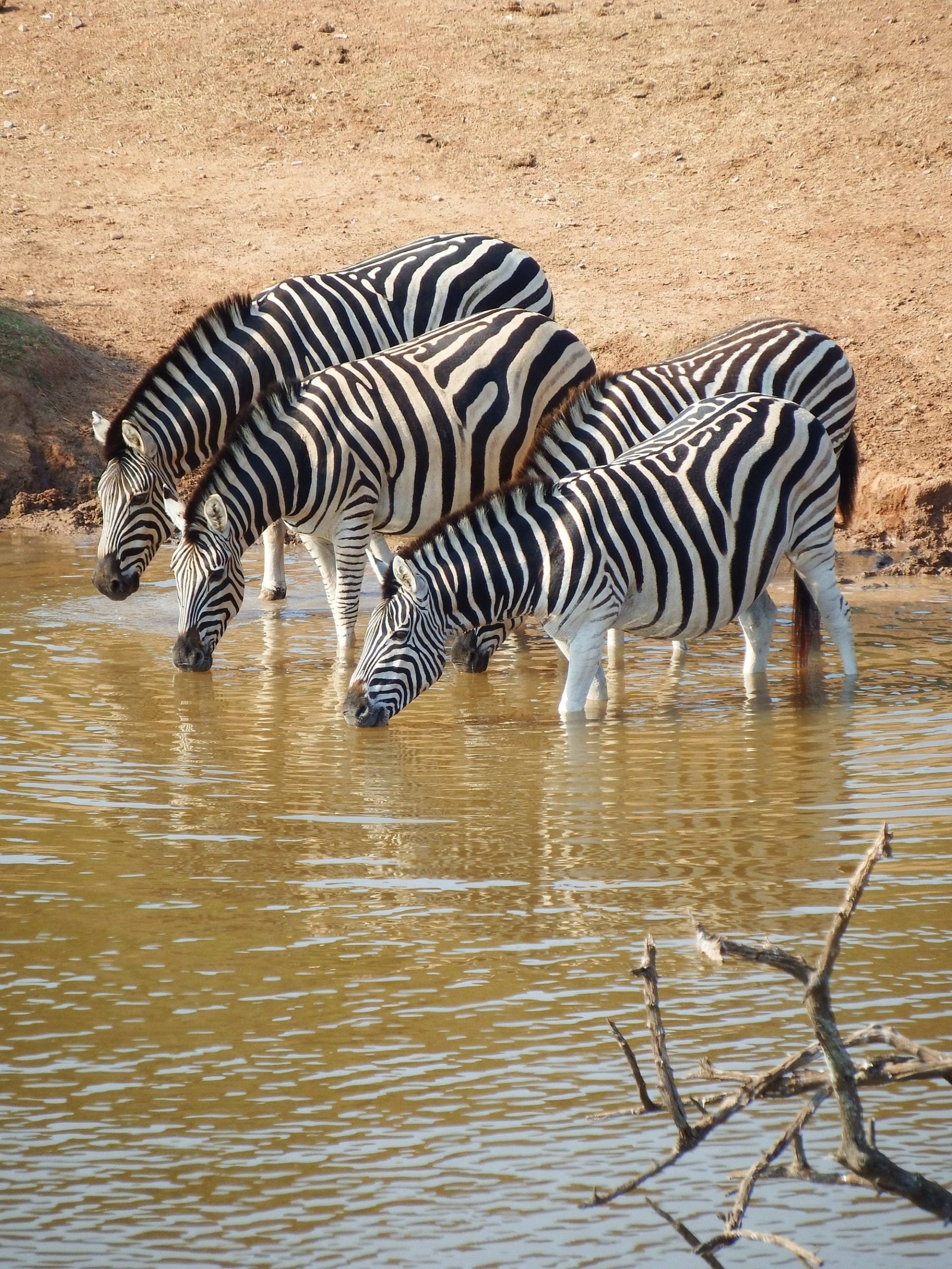
wild zebra

Importance of Zebras in the Ecosystem

Zebras are more than just beautiful creatures; they are integral to the balance of their habitats. Their grazing habits help manage the grasslands, and they are prey for predators like lions, contributing to the ecological balance.


Zebra Species

Plains Zebra: The Most Common The plains zebra is the most widespread species and is known for its sociability and herding behavior.

Mountain Zebra: Adaptation and Survival Living in mountainous regions, these zebras have unique adaptations for rugged terrain.

Grevy’s Zebra: Distinguishing Features The largest of all, Grevy’s zebras, have narrower stripes and a different social structure compared to their cousins.


Physical Characteristics

Stripes and Their Mysteries The unique stripe pattern of zebras has been a subject of fascination and study. These stripes are believed to have various functions, including camouflage and temperature regulation.

Zebra Physiology: Built for the Wild Zebras are well-adapted to their environment, with strong bodies suited for long-distance running and evasion from predators.


Habitat and Distribution

African Plains: The Zebra’s Home Zebras primarily inhabit the grasslands and savannas of Africa. Their distribution varies based on species and environmental factors.

Adaptation to Various Climates Zebras are adaptable creatures, thriving in both the dry savannas and mountainous regions of Africa.


Diet and Foraging Behavior

Grass: The Primary Diet Zebras are primarily grazers, feeding mostly on grasses, which dictates their migration and living patterns.

Foraging Strategies and Water Dependency Their foraging behavior is influenced by the availability of water, which they need regularly.


Social Structure and Behavior

Family Groups: The Basis of Zebra Society Zebras live in family groups led by a stallion, with strong social bonds within the group.

Communication Among Zebras They communicate with each other through various vocalizations and body postures.


Predation and Survival Tactics

Natural Predators and Defense Mechanisms Zebras have several predators, including lions, and they employ tactics like group defense to protect themselves.

Survival Instincts in the Wild: Their keen senses and swift running speed are key survival tools in the wild.


Reproduction and Life Cycle

Mating Rituals and Gestation Zebras have unique mating behaviors, and their gestation period lasts about a year.

Raising the young Foal care is a vital aspect of zebra life, with the mother and group playing significant roles.


Conservation Status and Efforts

Threats to Zebra Populations Habitat loss, hunting, and competition with livestock are major threats to zebras.

Conservation Initiatives and the Role of Reserves Various conservation efforts are in place to protect these magnificent creatures and their habitats.


Human and Zebra Interaction

Zebras in Culture and Symbolism Zebras hold a significant place in many African cultures and are symbols in various contexts worldwide.

The Role of Zebras in Ecotourism Zebras is a major attraction in wildlife tourism, contributing to conservation funding and awareness.


Zebra Research and Studies

Scientific Studies on Zebra Behavior and Ecology Ongoing research is crucial for understanding zebras better and aiding in their conservation.

Technological Advancements in Zebra Research Modern technology, like GPS tracking and drones, is enhancing the study of these animals.


FAQs About Zebras

1: What are the different types of zebras?

There are three main species: the Plains Zebra, the Mountain Zebra, and the Grevy’s Zebra, each with distinct characteristics.

2: Why do zebras have stripes?

The exact reason is still a subject of study, but theories include camouflage, insect deterrence, and social bonding.

3: Where do zebras live?

Zebras are primarily found in Africa, inhabiting grasslands, savannas, woodlands, and mountainous areas.

4: What do zebras eat?

Zebras are herbivores, mainly eating grass, but they also consume leaves, bark, and shrubs.

5: Do zebras live in groups?

Yes, they live in social groups called ‘harems’ consisting of one stallion and several mares, or in larger herds for protection.

6: How fast can a zebra run?

Zebras can reach speeds up to 65 km/h (40 mph) when fleeing from predators.

7: Are zebras endangered?

The status varies by species. The Plains Zebra is not endangered, but the Grevy’s Zebra and Mountain Zebra are considered threatened.

8: How do zebras communicate?

Zebras communicate with vocalizations like barking, braying, and snorting, as well as through facial expressions and ear positions.

9: Can zebras be domesticated?

Zebras are more challenging to domesticate than horses due to their unpredictable nature and strong survival instincts.

10: How long do zebras live?

In the wild, zebras live for about 25 years, but this can extend up to 40 years in captivity.


References And External Links 

Zebras: Stripes and Survival” by Samuel Kasiki: This book provides detailed insights into the behavior, ecology, and conservation of zebras.

Zebras: Stripes and Survival on Amazon

“Equids: Zebras, Asses, and Horses” by Patricia D. Moehlman: Part of the IUCN’s Species Survival Commission’s Equid Specialist Group, this book offers comprehensive coverage of all members of the Equidae family, including zebras.

Equids: Zebras, Asses and Horses on IUCN

“Behaviour of Horses, Zebras, and Asses” by National Research Council provides a scientific exploration of the behaviors and social structures of equids.

Behavior of Horses, Zebras, and Asses on National Academies Press

African Wildlife Foundation (AWF): Offers information on the conservation status and efforts for zebras in Africa.

African Wildlife Foundation

The World Wildlife Fund (WWF): Provides detailed species profiles and conservation information about zebras.

World Wildlife Fund

National Geographic: Known for its extensive wildlife coverage, National Geographic offers in-depth articles and stunning photography of zebras in their natural habitat.

National Geographic

By admin

Leave a Reply

Your email address will not be published. Required fields are marked *

We use cookies to personalise content and ads, to provide social media features and to analyse our traffic. We also share information about your use of our site with our social media, advertising and analytics partners. View more
Cookies settings
Accept
Privacy & Cookie policy
Privacy & Cookies policy
Cookie name Active

Privacy Policy for Pet Breed Hub
At Pet Breed Hub, accessible from toppetbreeds.com/, one of our main priorities is the privacy of our visitors. This Privacy Policy document contains types of information that are collected and recorded by Pet Breed Hub and how we use it.

If you have additional questions or require more information about our Privacy Policy, do not hesitate to contact us.

This Privacy Policy applies only to our online activities and is valid for visitors to our website with regard to the information that they share and/or collect in Pet Breed Hub. This policy is not applicable to any information collected offline or via channels other than this website.

Consent
By using our website, you hereby consent to our Privacy Policy and agree to its terms.

Information we collect
The personal information that you are asked to provide, and the reasons why you are asked to provide it, will be made clear to you at the point we ask you to provide your personal information.

If you contact us directly, we may receive additional information about you such as your name, email address, phone number, the contents of the message and/or attachments you may send us, and any other information you may choose to provide.

When you register for an Account, we may ask for your contact information, including items such as name, company name, address, email address, and telephone number.

How we use your information
We use the information we collect in various ways, including:

Provide, operate, and maintain our website
Improve, personalize, and expand our website
Understand and analyze how you use our website
Develop new products, services, features, and functionality
Communicate with you, either directly or through one of our partners, including for customer service, to provide you with updates and other information relating to the website, and for marketing and promotional purposes
Send you emails
Find and prevent fraud
Log Files
Pet Breed Hub follows a standard procedure of using log files. These files log visitors when they visit websites. All hosting companies do this and are a part of hosting services' analytics. The information collected by log files includes internet protocol (IP) addresses, browser type, Internet Service Provider (ISP), date and time stamp, referring/exit pages, and possibly the number of clicks. These are not linked to any information that is personally identifiable. The purpose of the information is to analyze trends, administer the site, track users' movement on the website, and gather demographic information.

Google DoubleClick DART Cookie
Google is one of the third-party vendors on our site. It also uses cookies, known as DART cookies, to serve ads to our site visitors based upon their visit to www.website.com and other sites on the internet. However, visitors may choose to decline the use of DART cookies by visiting the Google ad and content network Privacy Policy at the following URL – https://policies.google.com/technologies/ads

Our Advertising Partners
Some of the advertisers on our site may use cookies and web beacons. Our advertising partners are listed below. Each of our advertising partners has its own Privacy Policy for their policies on user data. For easier access, we hyperlinked to their Privacy Policies below.

Google

https://policies.google.com/technologies/ads

Third Party Privacy Policies
Pet Breed Hub's Privacy Policy does not apply to other advertisers or websites. Thus, we are advising you to consult the respective Privacy Policies of these third-party ad servers for more detailed information. It may include their practices and instructions about how to opt out of certain options.

You can choose to disable cookies through your individual browser options. More detailed information about cookie management with specific web browsers can be found at the browsers' respective websites.

CCPA Privacy Rights (Do Not Sell My Personal Information)
Under the CCPA, among other rights, California consumers have the right to:

Request that a business that collects a consumer's personal data disclose the categories and specific pieces of personal data that a business has collected about consumers.

Request that a business delete any personal data about the consumer that a business has collected.

Request that a business that sells a consumer's personal data, not sell the consumer's personal data.

If you make a request, we have one month to respond to you. If you would like to exercise any of these rights, please contact us.

GDPR Data Protection Rights
We would like to make sure you are fully aware of all of your data protection rights. Every user is entitled to the following:

The right to access – You have the right to request copies of your personal data. We may charge you a small fee for this service.

The right to rectification – You have the right to request that we correct any information you believe is inaccurate. You also have the right to request that we complete the information you believe is incomplete.

The right to erasure – You have the right to request that we erase your personal data, under certain conditions.

The right to restrict processing – You have the right to request that we restrict the processing of your personal data, under certain conditions.

The right to object to processing – You have the right to object to our processing of your personal data, under certain conditions.

The right to data portability – You have the right to request that we transfer the data that we have collected to another organization, or directly to you, under certain conditions.

If you make a request, we have one month to respond to you. If you would like to exercise any of these rights, please contact us.

Children's Information
Another part of our priority is adding protection for children while using the internet. We encourage parents and guardians to observe, participate in, and/or monitor and guide their online activity.

Pet Breed Hub does not knowingly collect any Personal Identifiable Information from children under the age of 13. If you think that your child provided this kind of information on our website, we strongly encourage you to contact us immediately and we will do our best efforts to promptly remove such information from our records.

Save settings
Cookies settings