
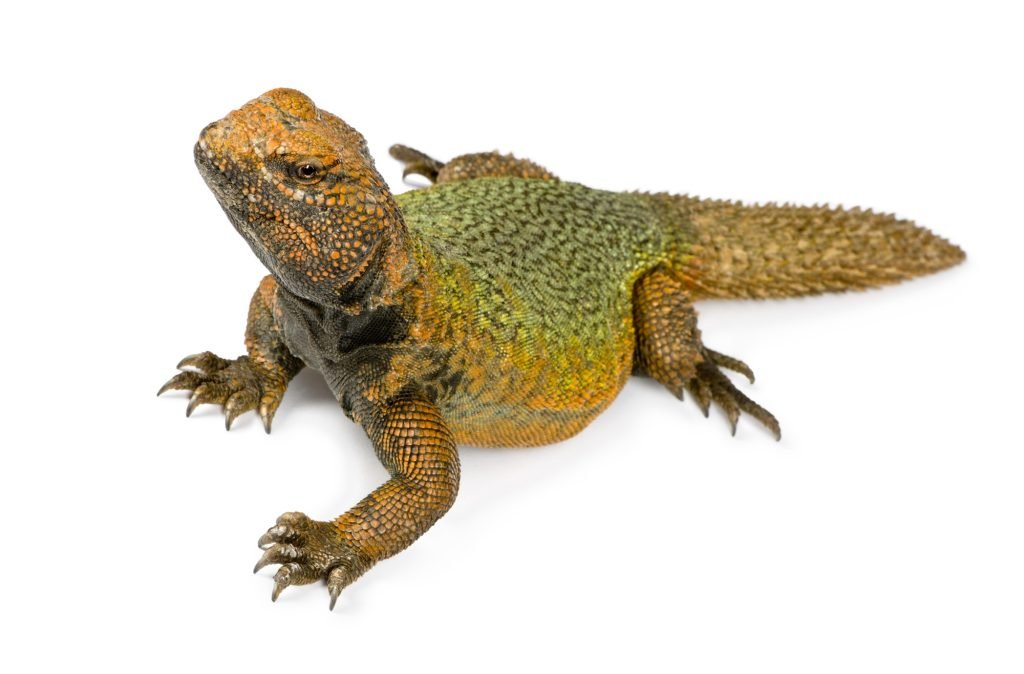
Welcome to the Pet Breed Hub, where pet insights spring to life! Today, we’re diving into the world of Uromastyx—those fascinating, tail-whipping wonders! Get ready for a whirlwind of facts, fun, and fantastic tips.
- Lifespan: 15–30 years
- Origin: North Africa, Middle East
- Diet: Mainly veggies (think leafy greens!)
- Nickname: Spiny-tailed Lizard
Origin of the Uromastyx: Journey Through Deserts and Mountains

Let’s zoom into the origin story of the Uromastyx, these sun-loving, spiny-tailed marvels. Their tale begins in the vast, sun-drenched landscapes of North Africa and the Middle East. Imagine sweeping deserts, arid mountains, and rocky outcrops—that’s classic Uromastyx territory!
From Sands to Scrublands: A Geographic Tour
North Africa’s Expanse: Uromastyx calls the deserts and semi-arid regions of North Africa home. Picture them basking under the Saharan sun.
Middle Eastern Mountains: They’re also found in the rocky terrains of the Middle East, from Israel to Iran. These lizards love the heat, and the rugged landscapes here provide the perfect sunbathing spots.
A Peek into Their Habitat
Desert Dwellers: Uromastyx thrives in hot, dry areas. They’re all about that desert life—think less water, more heat.
Rocky Hideaways: These lizards are experts at finding the best rocky nooks for shelter. They love to hide in crevices and under boulders when they’re not soaking up the sun.
Adapting to Arid Climes
Survival Skills: Uromastyx has some nifty adaptations for desert living. They can go long periods without water, drawing moisture from their plant-based diet.
Thermal Regulators: Basking in the sun to warm up and then retreating to cool off is their daily ritual. They’re like little solar panels with legs!
Uromastyx Diet

Feeding your uromastyx correctly is crucial for their well-being. Here’s a simplified chart to help you offer a balanced diet that keeps your spiny-tailed friend happy and healthy.
1: Daily Diet Essentials
Leafy Greens (70%): Offer a variety of greens like kale, collard greens, dandelion greens, and turnip greens.
Vegetables (20%): Include chopped vegetables like bell peppers, squash, carrots, and sweet potatoes.
Occasional Fruits (5%): Small portions of fruits like berries and melons can be given occasionally as a treat.
Edible Flowers (5%): Flowers like hibiscus and rose petals add variety and are a favorite.
2: Weekly Treats
Insects (Once a Week): A few insects like crickets or mealworms can be offered, but sparingly.
3: Important Notes
No Animal Protein: Avoid feeding animals protein regularly, as it can harm their kidneys and liver.
Calcium Supplement: Dust the food with a calcium supplement a few times a week to prevent deficiencies.
Fresh Water: Though they primarily get moisture from food, always have fresh water available.
4: Foods to Avoid
High-Oxalate Foods: Avoid spinach and beet greens, which bind calcium.
High-Fat Foods: Nuts and seeds are too fatty for regular consumption.
Toxic Foods: Onions, garlic, and avocado should be avoided as they can be toxic.
Uromastyx as a Pet: A Unique and Rewarding Companion

Owning a Uromastyx can be a delightful experience. These reptiles, known for their distinctive spiny tails and docile nature, make for intriguing and relatively low-maintenance pets. Here’s a snapshot of what it’s like to have a Uromastyx as your companion:
1: Personality
Gentle and Docile: Uromastyx are generally known for their calm demeanor, making them suitable for families and individual pet owners alike.
Observation-Friendly: While they might not seek out interaction like some pets, they’re fascinating to watch.
2: Handling
Tolerant of Handling: With proper socialization, Uromastyx can tolerate and even enjoy brief handling sessions.
Caution Advised: It’s important to handle them gently and not too frequently to avoid stress.
3: Space Requirements
Terrarium Living: They require a well-set-up terrarium with appropriate heating, lighting, and space to roam.
Environment Control: Their habitat needs to mimic their natural desert environment, with areas for basking and hiding.
4: Feeding
Herbivorous Diet: Their diet mainly consists of leafy greens and vegetables, making them easier to feed compared to carnivorous reptiles.
Low Feeding Costs: The cost of maintaining their diet is relatively low.
5: Health and Longevity
Robust Health: Generally, they are hardy creatures with fewer health issues, if properly cared for.
Long Lifespan: With a lifespan of 15–30 years, they can be long-term companions.
6: Suitability
Great for Beginners: Due to their manageable size, diet, and temperament, they are excellent for first-time reptile owners.
Educational Value: They can be a great way to teach responsibility and the basics of reptile care, especially to older children.
7: Aesthetic Appeal
Unique Appearance: Their distinct look, with a variety of colors and the characteristic spiny tail, makes them visually appealing pets.
8: Activity and Interaction
Diurnal: Being active during the day, owners can interact with them during normal waking hours.
Observational Interaction: Ideal for those who enjoy watching their pets’ natural behavior.
Creating a Comfortable Habitat
Providing the right housing for your Uromastyx is essential for its health and happiness. Here’s a brief guide on setting up a suitable habitat:
1: Terrarium Size
Spacious: A minimum of a 40-gallon tank is recommended for a single Uromastyx. If you have space, go larger—they love room to roam.
Bigger for Adults: Adult Uromastyx, especially larger species, may need an enclosure of 75 gallons or more.
2: Temperature Management
Basking Area: A basking spot with temperatures around 120°F is crucial.
Cooler Zone: The other end of the enclosure should be cooler, around 80°F, to provide a temperature gradient.
Nighttime Drop: A slight temperature drop at night, to around 70°F, mimics their natural environment.
3: Lighting
UVB Lighting: Essential for their health, UVB lighting helps in calcium absorption and overall well-being.
Day/Night Cycle: Ensure they have a regular day/night cycle, with lights on for about 12–14 hours a day.
4: Substrate
Safe Choices: Use a safe substrate like newspaper, tile, or specially-made reptile carpet.
Avoid Loose Substrates: Avoid sand or walnut shells, as they can cause impaction if ingested.
5: Enrichment and Decor
Hiding Spots: Provide hiding spots like caves or rock formations for security.
Climbing Structures: Offer rocks or branches for climbing, which they naturally enjoy.
6: Humidity
Low Humidity: Uromastyx thrives in low-humidity environments, typically between 20 and 30%.
Avoid Dampness: Ensure the enclosure isn’t too damp to prevent health issues.
7: Cleaning and Maintenance
Regular Cleaning: Regular cleaning of the enclosure is necessary to prevent the buildup of bacteria and ensure a healthy living environment.
Fresh Water: Always provide a shallow dish of fresh water, even though they get most of their moisture from food.
Uromastyx Color Chart: A Kaleidoscope of Hues
Uromastyx lizards boast a stunning array of colors, making them one of the most visually captivating reptiles. Here’s a color chart to highlight the variety you might encounter:
1: Uromastyx Aegyptia (Egyptian Uromastyx)
Juveniles: Bright green or yellow.
Adults: Transform into a mix of yellows, greens, and blues with age.
2: Uromastyx Ornata (Ornate Uromastyx)
General Appearance: Brightly colored with a mix of green, blue, and orange.
3: Uromastyx Ocellata (Ocellated Uromastyx)
Primary Colors: yellow and orange with blue spots (ocellations).
4: Uromastyx Geyri (Saharan Uromastyx)
Variants: It comes in two primary color forms: red and yellow.
Patterns: Typically, a solid base color with lighter spots.
5: Uromastyx Thomasi (Thomas’ Uromastyx)
Appearance: Generally grey or brown with yellow around the mouth and eyes.
6: Uromastyx Acantinura (Moroccan Uromastyx)
Color Range: Typically brown, grey, or yellow with a banded pattern.
7: Uromastyx Macfadyeni (Somali Uromastyx)
Distinctive Markings: Often grey or brown with a bright yellow or orange tail.
FAQs About Uromastyx
1: What is a Uromastyx?
Uromastyx, often called spiny-tailed lizards, are a genus of African and Asian desert reptiles known for their unique spiny tails and herbivorous diet.
2: How long do Uromastyx lizards live?
With proper care, Uromastyx can live for 15–30 years in captivity.
3: What do Uromastyx lizards eat?
They primarily eat leafy greens, vegetables, and occasionally fruits. Some species may also eat seeds and legumes.
4: Do Uromastyx lizards need UVB light?
Yes, UVB lighting is crucial for their health as it helps them synthesize vitamin D3, which is essential for calcium absorption.
5: How big should a Uromastyx enclosure be?
A minimum of a 40-gallon tank is recommended, but larger is better, especially for adult Uromastyx.
6: Can Uromastyx lizards be handled?
Yes, they can tolerate gentle handling, but it should be kept to a minimum to avoid stress.
7: Are Uromastyx good pets for beginners?
Yes, they are considered good for beginners due to their hardy nature and relatively simple care requirements.
8: Do Uromastyx lizards need a water bowl?
They primarily hydrate from their food, but having a shallow water bowl in their enclosure is a good practice.
9: What temperature should a Uromastyx enclosure be?
The enclosure should have a gradient, with a basking spot of around 120°F and a cooler end around 80°F.
10: Can Uromastyx lizards live with other pets?
They should not be housed with other species. Cohabitation with other Uromastyx can be done, but it requires careful monitoring to avoid aggression.
Scientific Name
The scientific name for the genus Uromastyx is Uromastyx. This genus encompasses several species of spiny-tailed lizards, commonly found in the arid and semi-arid regions of North Africa and the Middle East. Each species within this genus has a specific scientific name. For example:
Egyptian Uromastyx: Uromastyx aegyptia
Saharan Uromastyx (commonly known as “Geyri”): Uromastyx geyri
Ornate Uromastyx: Uromastyx ornata
Moroccan Uromastyx: Uromastyx acanthinura
Conclusion
Uromastyx are fascinating, low-maintenance pets, perfect for beginners and enthusiasts alike. With their unique appearance and easy-care requirements, they make wonderful companions for those looking for a pet with personality and longevity.
References and External Links
For further reading and detailed information on Uromastyx care, the following references and external links are invaluable resources:
Reptiles Magazine: Uromastyx Care Sheet:
A comprehensive guide on the care, diet, and habitat requirements of Uromastyx lizards.
Herpetological Conservation and Biology – Uromastyx Research:
Scientific articles and research papers on Uromastyx and other reptiles provide in-depth information on their behavior, physiology, and conservation.
The Spruce Pets: Uromastyx as Pets:
An informative article covering basic care, diet, and health concerns for Uromastyx owners.
Reptile Forums UK: Uromastyx Enthusiasts:
A community forum for Uromastyx owners and enthusiasts to share experiences, advice, and tips.
Animal Diversity Web: Uromastyx Overview:
Provides detailed biological and ecological information about various Uromastyx species.
Veterinary Partner: Uromastyx Health Care: