



Welcome to the Pet Breed Hub, your ultimate destination for all things pet-related! We’re diving headfirst into the world of one of the most magnificent dog breeds out there: the Great Dane. Get ready to explore this gentle giant like never before.
The Great Dane
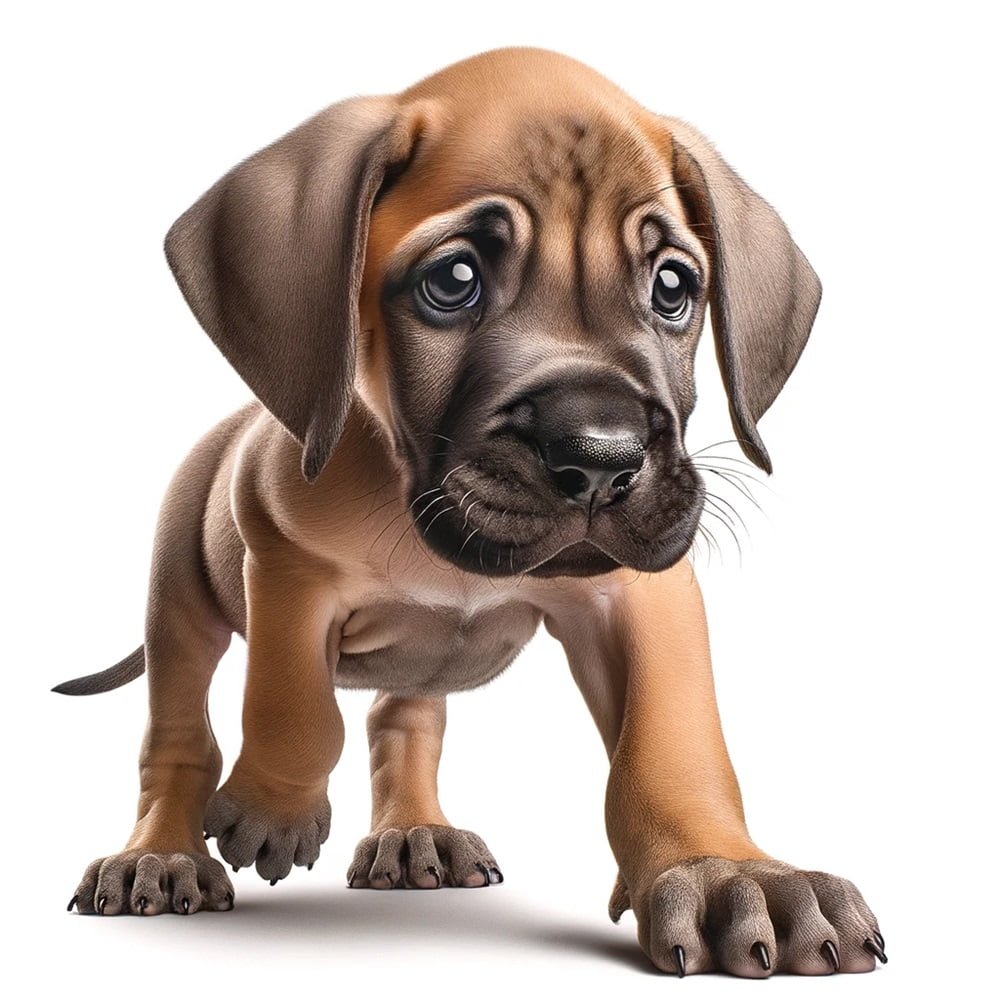
The Great Dane, often referred to as the “Apollo of Dogs,” is a regal and imposing breed. These dogs are known for their incredible size, but don’t let that fool you—they are gentle giants at heart. Let’s uncover the greatness that lies within this majestic breed.
The History Behind the Great Dane
The history of the Great Dane is a fascinating journey that spans centuries and continents. To truly appreciate this majestic breed, one must understand its origins and how it evolved into the lovable giant we know today.
Ancient Beginnings
The Great Dane’s roots can be traced back to ancient civilizations, where large dogs resembling the breed were depicted in drawings and statues. These dogs were likely used for hunting, guarding, and as loyal companions. However, the breed’s true development can be attributed to Germany.
German Origins
In Germany, the Great Dane was selectively bred for hunting large game, such as wild boar and bears. These early Danes were more robust and ferocious than the gentle giants we know today. Their size and strength made them formidable hunting partners, earning them the nickname “boar hounds.”
Transformation into Gentle Giants
The Great Dane’s transformation into a gentle giant began in the 17th century when European nobility took an interest in these dogs. They were bred not only for their hunting prowess but also for their impressive stature and gentle temperament.
Royal Favor
One notable figure in the breed’s history is King Frederick II of Prussia, who was known as “The Great.” He was an avid admirer of these dogs and kept a significant number of them. His appreciation for the breed contributed to its popularity among the European aristocracy.
The Name Controversy
Interestingly, the name “Great Dane” doesn’t have its origins in Denmark, as the name might suggest. In fact, it was in Germany that the breed was refined, and it was known as the “Deutsche Dogge,” which translates to German Mastiff. The name “Great Dane” likely originated from a French naturalist who visited Denmark and was impressed by the breed’s size, associating it with Denmark.
Modern Great Danes
Today, Great Danes are cherished worldwide not only for their imposing stature but also for their loving and gentle nature. They have come a long way from their days as fierce hunters to become beloved family companions and show dogs.
Understanding the history of the Great Dane provides valuable insights into their character and legacy. These dogs may have once been fearsome hunters, but they have evolved into the gentle giants we adore today.
For more information about the Great Dane breed, you can explore reputable sources such as the American Kennel Club – Great Dane and The Great Dane Club of America.
Great Dane Physical Features
The Great Dane is a breed that commands attention, not just because of its sheer size but also due to its distinctive physical characteristics. Here, we’ll explore the key features that make the Great Dane stand out in the world of dogs.
Impressive Size
The Great Danes are renowned for their towering height. In fact, they are considered one of the largest dog breeds in the world. Adult males typically stand between 30 to 34 inches at the shoulder, while females reach heights of 28 to 32 inches. It’s not uncommon for some Great Danes to exceed these averages, making them truly colossal canines.
Muscular Build
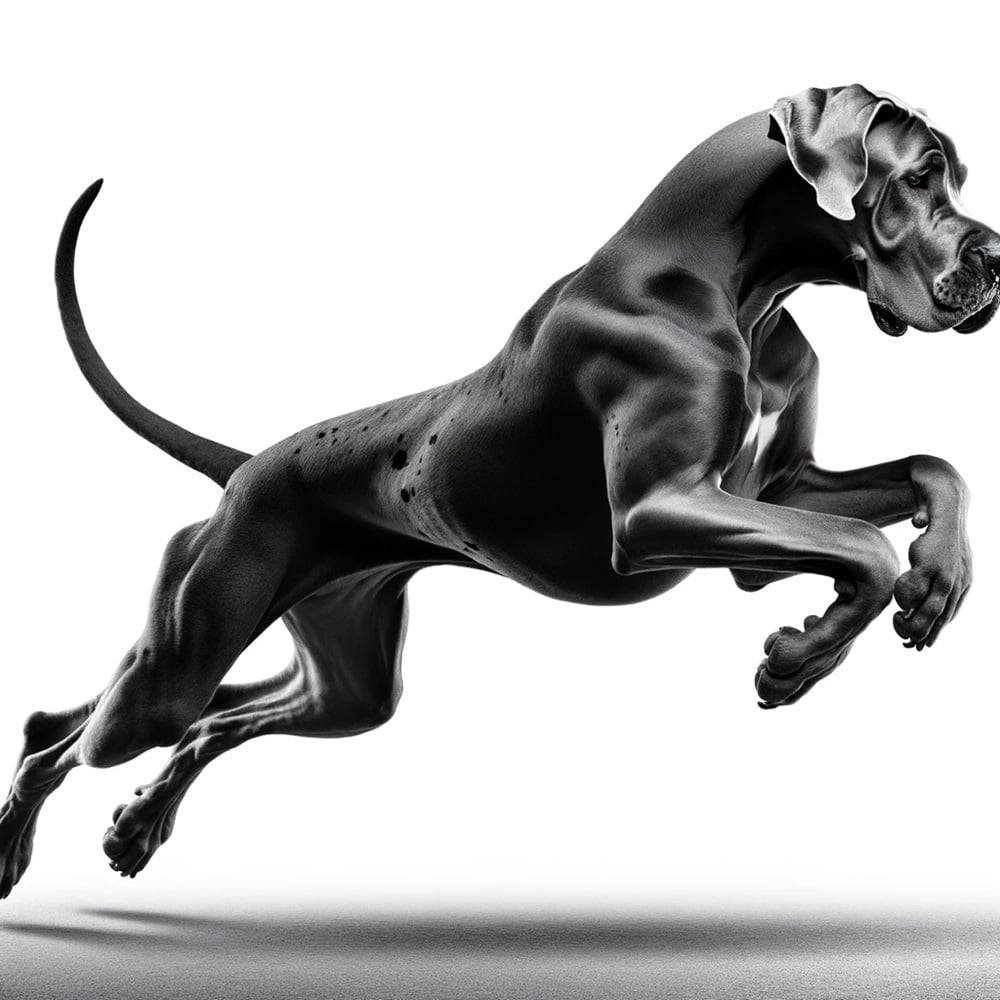
Despite their imposing size, Great Danes boast a well-proportioned and muscular build. They are strong and athletic, with a deep chest, broad shoulders, and a powerful neck. This muscular physique contributes to their overall grace and elegance.
Coat Colors and Patterns
Great Danes come in a variety of coat colors, adding to their charm. Common coat colors include fawn, brindle, blue, black, and harlequin (white with irregular black patches). Some may also have a mantle pattern, where black covers the body and neck like a cape. These diverse coat colors make each Great Dane unique in appearance.
Distinguished Head
One of the most striking features of the Great Dane is its head. They have a large, square-shaped head with a pronounced stop (the indentation between the forehead and the muzzle). Their expressive eyes are typically dark, and their ears are medium in size, often folded neatly over the head.
Elegantly Arched Neck
The Great Dane’s neck is long and gracefully arched, adding to its regal appearance. This neck, combined with its powerful chest and well-sloped shoulders, gives the breed an air of nobility.
Straight Back and Tail
Great Danes have a straight back and a tail that is long, slender, and tapers to a point. The tail is carried in line with the back or slightly curved, contributing to the breed’s balanced and harmonious silhouette.
Powerful Limbs
Great Danes possess strong, straight legs with well-arched toes and thick, padded paws. Their legs provide them with the agility and speed required for their original role as hunters of large game.
Gentle Expression
Despite their imposing size and powerful physique, Great Danes have a gentle and expressive face. Their eyes convey warmth and intelligence, reflecting their friendly and affectionate nature.
Temperament
Great Danes are often referred to as “Gentle Giants,” and their temperament lives up to this endearing nickname. These magnificent dogs are known for their friendly, loving, and gentle nature, making them wonderful companions for families and individuals alike.
Friendly and Affectionate
Great Danes are among the most affectionate dog breeds you’ll encounter. They thrive on human companionship and have a strong desire to be part of their family’s daily activities. Whether it’s snuggling on the couch or joining you for a walk in the park, they’re always eager to bond with their human family members.
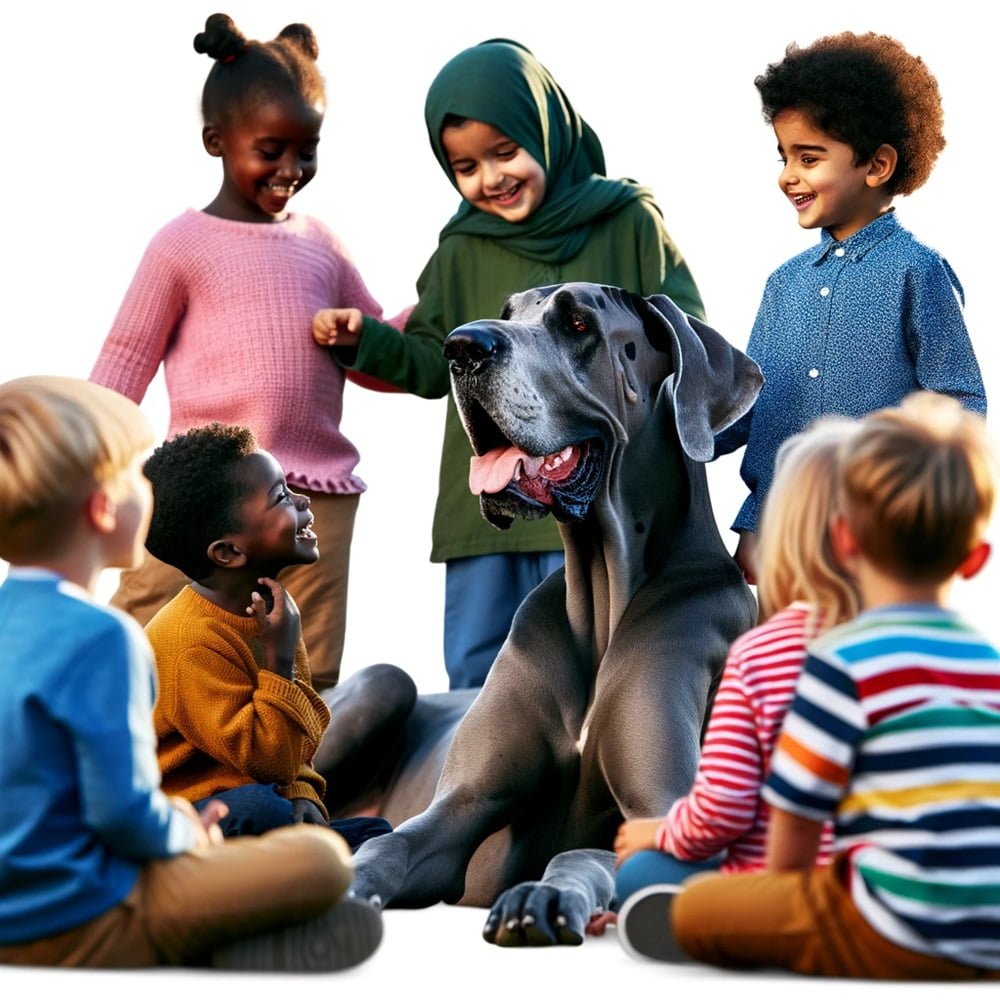
Gentle with Children
Despite their imposing size, Great Danes are incredibly gentle with children. They have a natural affinity for kids and are known for their patience and tolerance. Many Great Danes see themselves as protectors of the younger members of the family, making them excellent family pets.
Social Butterflies
Great Danes are generally sociable dogs. They enjoy the company of other dogs and often get along well with other pets in the household. Early socialization is essential to ensure they grow up to be well-rounded and friendly adults.
Loyal and Protective
While they are friendly and approachable, Great Danes also possess a protective instinct. They are known to be loyal to their families and can serve as excellent watchdogs. Their mere presence can be a deterrent to potential intruders.
Easygoing and Relaxed
Great Danes have a surprisingly easygoing and relaxed demeanor. They are not overly excitable and tend to take life in stride. This laid-back attitude can be quite endearing, especially for those who appreciate a calm and composed canine companion.
Good Training Partners
Training a Great Dane can be a rewarding experience. They are intelligent dogs and typically eager to please their owners. Consistent and positive reinforcement-based training methods work best with these gentle giants.
Exercise Needs
Despite their calm temperament, Great Danes have significant exercise requirements due to their size. Regular walks, playtime, and mental stimulation are essential to keep them happy and healthy.
Great Dane Care Guide
Owning a Great Dane is a rewarding experience, but it comes with specific responsibilities due to their size and unique needs. Here’s a care guide to ensure your Great Dane lives a happy and healthy life:
Nutrition
Due to their size and rapid growth during puppyhood, Great Danes require a high-quality, balanced diet. Choose dog food that’s appropriate for large breeds and contains essential nutrients like protein, calcium, and omega-3 fatty acids. It’s essential to monitor their weight to prevent obesity, which can lead to joint problems.
Feeding Schedule
Establish a regular feeding schedule to maintain a healthy weight and prevent bloating, a condition common in large breeds. It’s recommended to feed adult Great Danes twice a day and puppies three times a day, divided into appropriate portion sizes.
Exercise
Despite their size, Great Danes need regular exercise to stay fit and mentally stimulated. Daily walks, playtime, and off-leash activities in a secure area are essential. Be mindful not to over-exercise them, especially when they’re young and still growing.
Grooming
Great Danes have short coats that are easy to maintain. Regular brushing will help keep their coat healthy and minimize shedding. Additionally, occasional baths and routine ear cleanings can help keep them clean and comfortable.
Health Checkups
Regular veterinary checkups are crucial to monitoring your Great Dane’s overall health. They are prone to certain health issues, including hip dysplasia and bloating. Early detection and treatment can make a significant difference in their quality of life.
Training and Socialization
Proper training and socialization are essential for Great Danes. Start early with basic obedience training and expose them to various people, animals, and environments. Positive reinforcement techniques work well with their gentle nature.
Living Space
Great Danes are adaptable and can live in apartments if provided with sufficient exercise. However, they thrive in homes with spacious yards where they can move around comfortably. Ensure your living space is safe and secure to prevent any accidents.
Comfort and Bedding
Invest in a comfortable and supportive bed for your Great Dane, as they are prone to joint issues. Elevated beds can help alleviate pressure on their joints, making them more comfortable, especially as they age.
Temperature Considerations
Great Danes are sensitive to extreme temperatures. They can’t handle very cold or hot weather, so it’s crucial to provide them with a suitable environment and avoid exposing them to harsh conditions.
Love and Attention
Above all, Great Danes thrive on love and attention from their human companions. Spend quality time with your Dane, offer affection, and ensure they feel like an integral part of your family.
FAQs
1: How big do Great Danes get?
The Great Danes are known for their impressive size. On average, adult males typically stand between 30 to 34 inches at the shoulder, while females reach heights of 28 to 32 inches. However, some Great Danes may exceed these averages, making them truly colossal canines.
2: Are Great Danes good with kids?
Yes, Great Danes are renowned for their gentle and patient nature, which makes them excellent companions for children. They are often referred to as “Gentle Giants” and are known for their affectionate and protective behavior towards kids.
3: What’s the average lifespan of a Great Dane?
Great Danes generally have a shorter lifespan compared to smaller dog breeds. On average, they live to be around 7 to 10 years old. Providing them with proper care, nutrition, and regular veterinary check-ups can help extend their life expectancy.
4: Do Great Danes shed a lot?
Great Danes have short, sleek coats that shed moderately. While they do shed, it’s not as excessive as some other breeds with longer or denser fur. Regular brushing can help minimize shedding and keep their coat healthy.
5: Are they easy to train?
Great Danes are intelligent and typically eager to please their owners, making them trainable. Positive reinforcement-based training methods work well with their gentle temperament. However, consistent training and socialization from an early age are essential.
6: How much exercise do Great Danes need?
Despite their calm demeanor, Great Danes need regular exercise to stay healthy and happy. Daily walks and playtime are essential, but it’s crucial not to over-exercise them, especially when they’re young and still growing.
7: Are Great Danes prone to health issues?
Yes, Great Danes are prone to certain health issues, including hip dysplasia, bloat (gastric torsion), and cardiomyopathy. Regular veterinary check-ups and a balanced diet can help monitor and manage these potential health concerns.
8: What’s the origin of the name “Great Dane”?
Contrary to what the name might suggest, Great Danes do not originate from Denmark. The name likely originated from a French naturalist who visited Denmark and was impressed by the breed’s size, associating it with the country. In Germany, they were known as “Deutsche Dogge,” meaning German Mastiff.
9: Are they good guard dogs?
Great Danes have a protective instinct and can serve as effective watchdogs due to their imposing size and deep bark. While they are generally friendly, their presence alone can be a deterrent to potential intruders.
10: Can Great Danes live in apartments?
Yes, Great Danes can adapt to apartment living, but it’s essential to provide them with sufficient exercise and mental stimulation. They are more comfortable in homes with spacious yards where they can move around, but as long as their exercise needs are met, they can thrive in an apartment with a dedicated exercise routine.
Conclusion
In conclusion, Great Danes are truly remarkable dogs. While their size may be imposing, their hearts are filled with love and gentleness. If you’re considering welcoming a Great Dane into your family, be prepared for a loyal and loving companion that will steal your heart.
References And External Links
References
American Kennel Club – Great Dane
The American Kennel Club provides comprehensive information about Great Danes, including breed standards and care guidelines.
The Great Dane Club of America
The official website of the Great Dane Club of America offers valuable resources and insights into the breed, including health information and breed history.
External Links
This foundation focuses on the health and well-being of Great Danes, offering resources, research, and support for owners and breed enthusiasts.
If you’re interested in adopting or supporting Great Danes in need of homes, this rescue organization provides information on adoption and rescue efforts.