




Welcome to the Pet Breed Hub, your ultimate guide to pet breeds! Today, we’re spotlighting the Australian Shepherd, a dog that’s as smart as it is active. Let’s leap into their world with fun facts and easy-to-understand information!
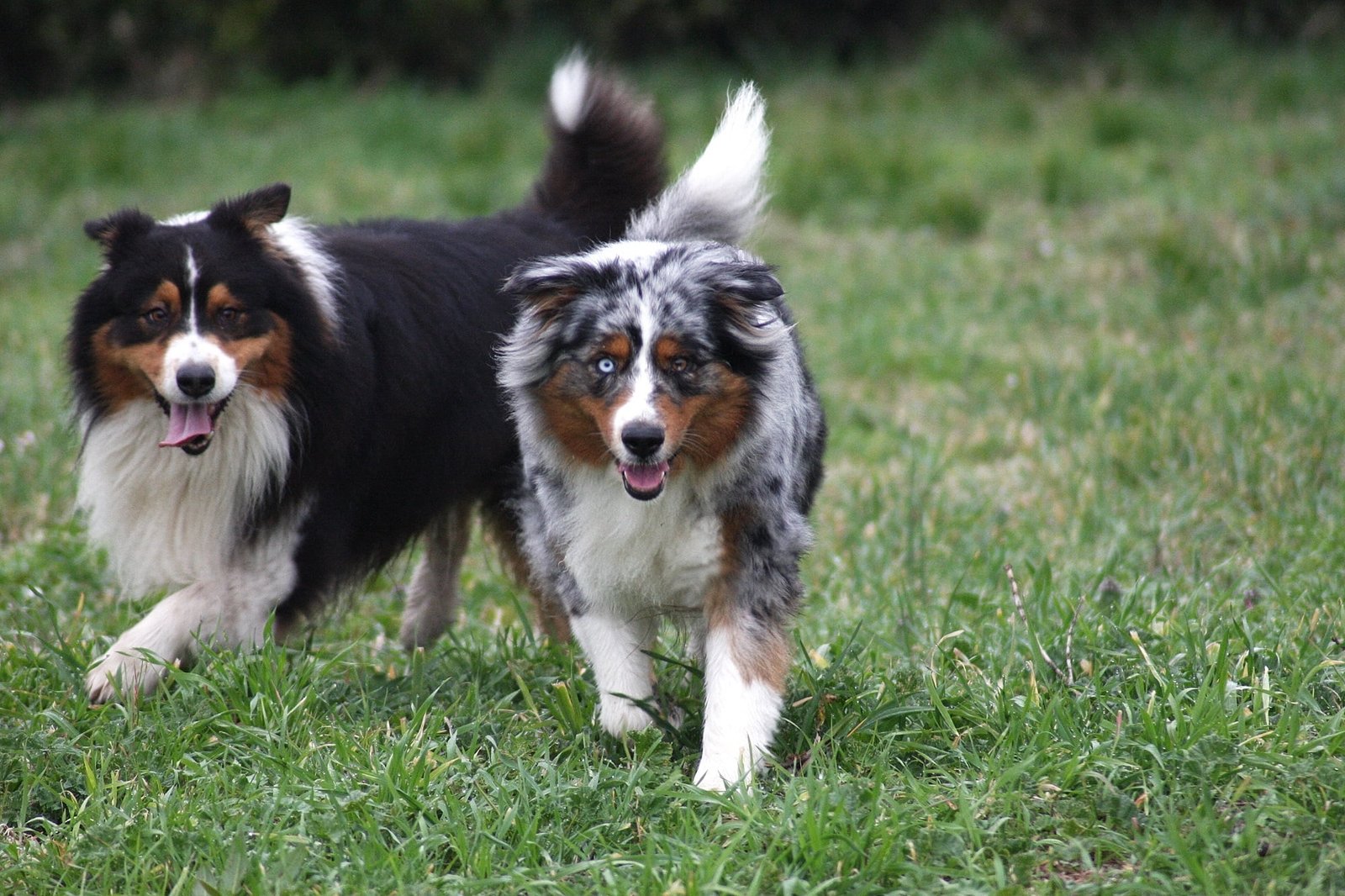
Origins of the Australian Shepherd
Let’s take a quick, fun dive into the origins of the Australian Shepherd, a breed that’s as unique as its history!
Misleading Name: Plot Twist! The Australian Shepherd, often called the “Aussie,” didn’t originate in Australia. It was developed in the United States!
European Roots: The story begins in Europe. The Aussie’s ancestors were Spanish herding dogs, known for their intelligence and herding skills.
American Development: These dogs accompanied sheep imported from Australia to the USA in the late 19th and early 20th centuries. American ranchers admired their work ethic and began breeding them for herding.
Rodeo Stars: By the mid-20th century, the breed gained popularity through rodeos, horse shows, and movies. Their agility and looks made them showbiz naturals!
Versatile Workers: Originally bred for herding livestock, Aussies are known for their versatility, excelling in various roles, from farm dogs to therapy animals.
Popularity Boom: Post-World War II, the breed’s popularity soared, leading to the lovable, energetic Australian Shepherd we know today.
Lifespan of the Australian Shepherd
Average Span: Australian Shepherds typically enjoy a lifespan of about 12 to 15 years.
Factors Influencing Longevity: Genetics, diet, exercise, and regular veterinary care play crucial roles in determining their lifespan.
Healthcare Matters: Regular check-ups and vaccinations, along with proactive care for common breeds health issues like hip dysplasia and certain eye conditions, can help extend their lives.
Active Lifestyle: Their love for activity and exercise not only keeps them physically fit but also contributes to their overall longevity.
Nutrition is Key: A balanced diet tailored to their age, size, and energy level is essential to maintaining their health and extending their life expectancy.

Temperament of the Australian Shepherd
Energetic and Active: Australian Shepherds are known for their high energy levels. They thrive on activity and need regular exercise to stay happy.
Intelligent and Trainable: Aussies are very smart. This makes them highly trainable and eager to learn new tricks and commands.
Loyal and Protective: They are deeply loyal to their families and can be protective, making them excellent watchdogs.
Social and Affectionate: While they can be reserved with strangers, they are very affectionate with their family members.
Needs Mental Stimulation: Their intelligence means they need mental challenges to keep from getting bored. Interactive play and training sessions work well.
Good with Children: Generally, they are good with children, especially when raised with them, but their herding instinct may lead them to gently herd young kids.
Adaptable to Various Activities: Whether it’s agility sports, herding, or being a companion, they adapt well to various activities and environments.

Colors of the Australian Shepherd
Australian Shepherds boast a stunning range of coat colors, each adding to the breed’s striking appearance. Here’s a glance at their colorful palette:
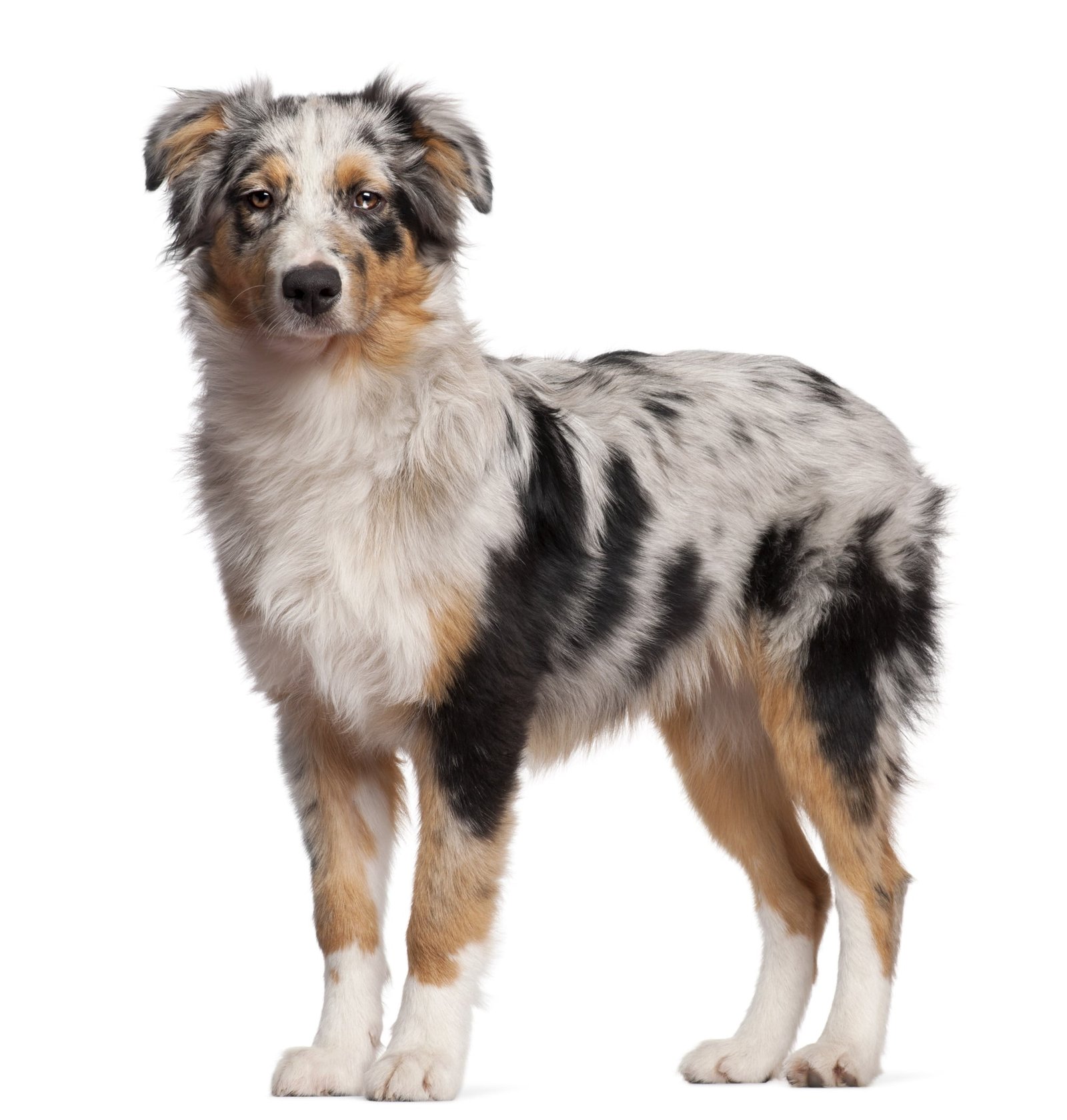
Blue Merle: A marbled pattern of gray, black, and white, often with patches. Blue-merle Aussies may have striking blue eyes or one blue and one brown eye.
Black: Solid black Aussies are sleek and elegant. They may have white markings on the face, chest, and legs.
Red Merle: A beautiful mix of light cinnamon to dark liver red, intermingled with buff to silver. Like blue merles, red merles can also have heterochromatic eyes.
Red: This color ranges from light cinnamon to a dark liver shade. Red Aussies can also have white and copper markings.
Bi-Color: Combinations like black-and-white or red-and-white fall under bi-color Aussies. These have solid color coats with white markings.
Tri-Color: Tri-color Aussies are either black or red with white and copper markings. They present a striking and attractive appearance.
Sizes of the Australian Shepherd
General Size: Australian Shepherds are classified as a medium-sized breed.
Height Range: Males typically stand about 20–23 inches tall at the shoulder, while females are slightly smaller, ranging from 18–21 inches.
Weight Variations: Their weight can vary based on height and build, but on average, males weigh between 50-65 pounds, and females range from 40 to 55 pounds.
Build: They possess a strong, muscular build, reflecting their working dog heritage. This build contributes to their agility and endurance.
Size at Maturity: Aussies usually reach their full size by their first birthday, though some may continue to fill out until they are about two years old.
FAQs About Australian Shepherds
1: Is an Australian shepherd a good family dog?
Australian Shepherds can be good family dogs for active households that can meet their exercise and mental stimulation needs.
2: Are Australian shepherds high-maintenance?
Yes, they are high-maintenance in terms of exercise, grooming, and mental stimulation.
3: What are the pros and cons of an Australian shepherd?
Pros: intelligent, loyal, versatile, and protective.
Cons: high energy, potential for separation anxiety, grooming needs, health issues.
4: Do Australian shepherds have health problems?
Yes, they can be prone to certain health issues, like hip dysplasia and eye problems.
5: Will Australian Shepherd protect you?
They can be protective, but their protective behavior may vary. Proper training is essential.
6: What are Australian Shepherd best for?
They excel in herding, agility, and obedience and make great companions for active owners.
7: How long do Australian Shepherds live?
Their average lifespan is around 12–15 years.
8: Are male or female Aussies better?
Both can be great; it depends on individual temperament and training.
9: What do Australian Shepherds love the most?
They love physical activity, mental challenges, and spending time with their family.
10: What do Australian Shepherds eat?
They should eat high-quality dog food appropriate for their age and activity level.
11: What problems are Australian Shepherds prone to?
Health issues can include hip dysplasia, eye problems, epilepsy, and more.
12: Do Australian Shepherds grow fast?
They have a rapid growth phase as puppies, but growth slows down as they mature.
13: What is the nickname for an Australian shepherd?
Their nickname is often “Aussie.”
14: Are Australian Shepherds happy?
They can be happy when their needs are met through exercise, training, and companionship.
15: Are Australian Shepherds friendly to strangers?
Their friendliness to strangers varies based on socialization and temperament.
16: What is the most common cause of death for Australian Shepherds?
Age-related conditions and cancer are common causes of death.
17: Can an Australian Shepherd be left alone?
They may not do well alone for long periods and can develop separation anxiety.
18: Do Australian Shepherds lose a lot of hair?
Yes, they shed year-round, with heavier shedding during seasonal changes.
19: How fast does Australian Shepherd hair grow?
Hair growth rates can vary, but regular grooming is important to maintain their coat.
20: How do I maintain my Australian Shepherds hair?
Regular brushing and occasional baths help maintain their coat.
21: How much do I feed an Australian Shepherd?
Consult your vet for personalized feeding recommendations based on age, size, and activity level.
22: Do Australian Shepherds cuddle?
Many enjoy cuddling with their owners, especially after exercise.
23: What foods are Australian Shepherds allergic to?
Allergies can vary, but common allergens include certain foods, pollen, and environmental factors.
24: Do Australian Shepherds have anger issues?
Proper training and socialization can prevent behavior issues.
25: Do Australian Shepherds have a favorite person?
They can form close bonds with individuals but may not necessarily have a single favorite.
26: At what age are Australian Shepherds mature?
They typically reach maturity around 18–24 months.
27: Do Australian Shepherd dogs smell?
With regular grooming and proper hygiene, they shouldn’t have a strong odor.
28: Is an Australian Shepherd a husky?
No, they are different breeds. Australian Shepherds are not related to Huskies.
29: Are there two types of Australian Shepherds?
Yes, there are standard Australian Shepherds and miniature Australian Shepherds.
30: What two dogs make an Australian Shepherd?
Australian Shepherds are a distinct breed and not a mix of two other breeds.
31: Are Australian Shepherds hard to train?
They are intelligent and trainable, but they require consistent training methods.
32: Are Australian Shepherds waterproof?
No dog is completely waterproof, but their double coat can provide some water resistance.
33: Are Australian Shepherds prone to heart attacks?
Heart attacks are not a common issue in Australian Shepherds.
34: Are eggs good for Australian Shepherds?
Eggs can be part of a balanced diet when cooked and served in moderation.
35: Can I feed my Australian Shepherd chicken?
Cooked, boneless chicken can be included in their diet.
36: What are Australian Shepherds’ hobbies?
They enjoy activities like herding, agility, and obedience training.
39: Do Australian Shepherds sleep a lot?
Puppies sleep more than adults, but sleep patterns can vary.
40: Do Australian Shepherds like beds?
Many enjoy having their own comfortable bed or sleeping area.
41: Do Australian Shepherds smile?
They can appear to “smile” when happy, often with a relaxed, open-mouthed expression.
42: Which gender of dog is easier?
Training success depends on individual temperament, not gender.
43: Which dog gender is more protective?
Protective behavior varies by individual temperament and training.
44: Which gender do dogs like more?
Dogs can form strong bonds with individuals of any gender.
45: What is the attitude of an Australian Shepherd?
They are known for their alert, intelligent, and active attitude.
46: How many puppies do Aussies have?
Litter sizes can vary, but they typically have between 6 to 8 puppies.
Conclusion
Australian Shepherds are much more than just pretty faces; they’re intelligent, energetic, and loyal. Perfect for active families who love adventures and fun!
References and External Links
The Australian Shepherd Club of America (ASCA):
Website: ASCA
ASCA is the official breed club for Australian Shepherds in the United States. Their website offers breed standards, health information, and resources for owners and breed enthusiasts.
The United States Australian Shepherd Association (USASA):
Website: USASA
USASA is another prominent organization dedicated to Australian Shepherds. They provide information on breed history, events, and rescue services.
Australian Shepherd Health & Genetics Institute (ASHGI):
Website: ASHGI
ASHGI focuses on the Australian Shepherd’s health and genetics. They offer information about breed-specific health issues, genetic testing, and research.
The American Kennel Club (AKC):
Website: AKC Australian Shepherd
The AKC provides information about the Australian Shepherd breed, including breed standards, care guidelines, and events.
Australian Shepherd Rescue Organizations:
Many regions have Australian Shepherd rescue organizations that can provide adoption information and resources. You can search for these organizations in your area.
Books and Publications:
There are several books and publications dedicated to Australian Shepherds written by experienced breeders and trainers. Some popular books include “The Australian Shepherd” by Liz Palika and “The Complete Australian Shepherd” by Milo G. Denlinger.