





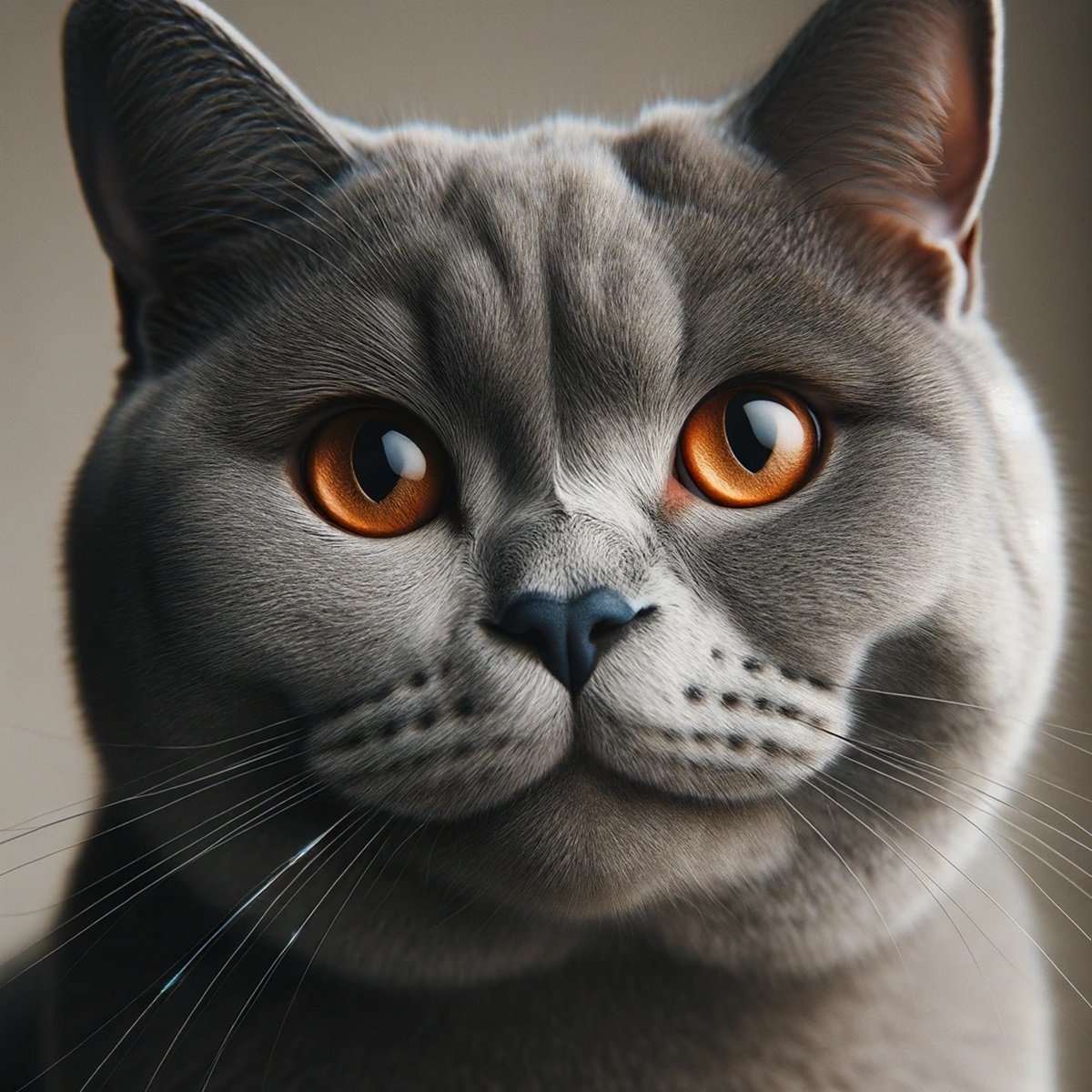
Welcome to the Pet Breed Hub, your go-to guide in the vast world of pet breeds. Today, we’re diving into the world of a somewhat mysterious yet utterly charming feline the Chartreux cat. Let’s embark on a journey to uncover the secrets of these silent blue companions.
At a Glance
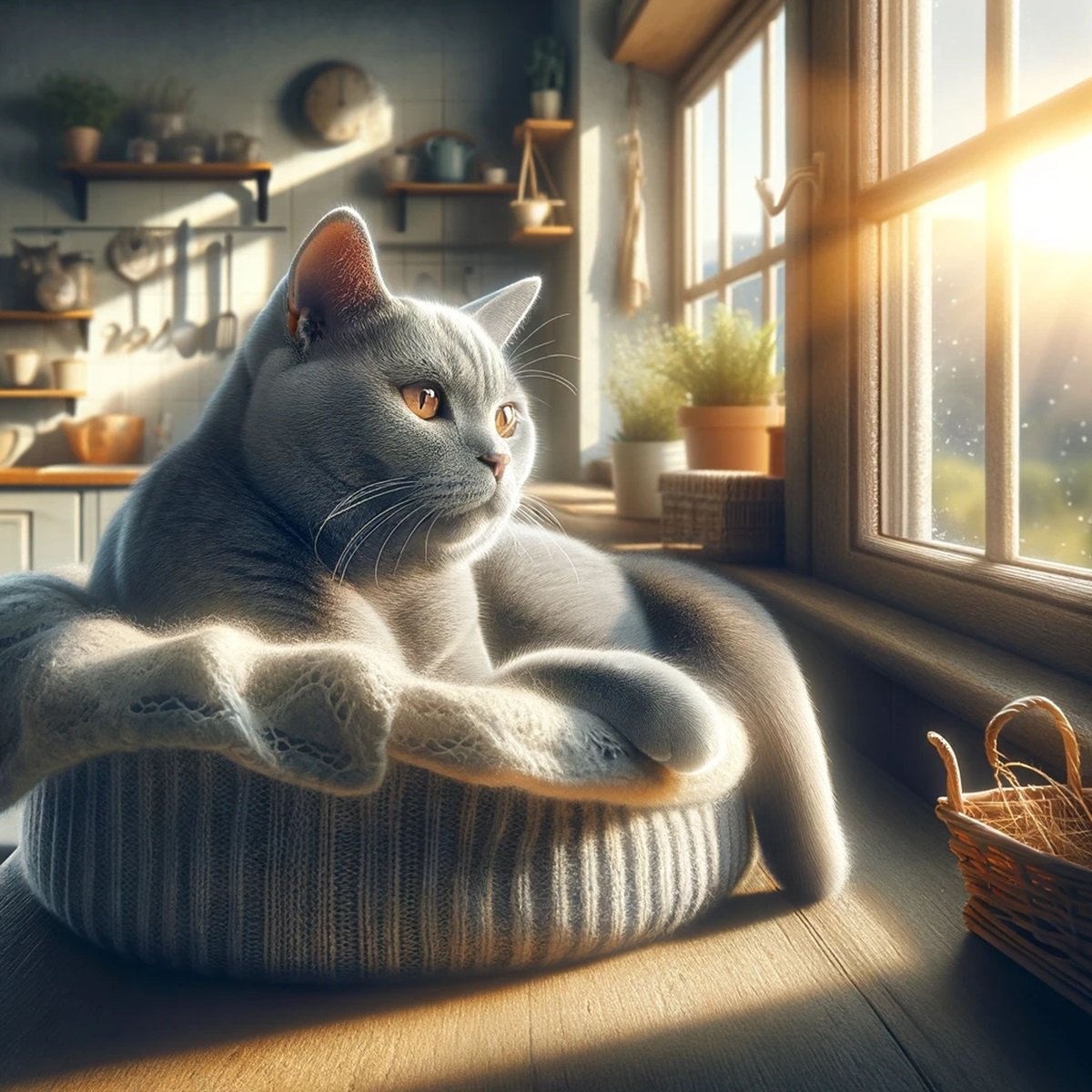
| Characteristic | Detail |
|---|---|
| Origin | France |
| Coat Type | Dense, woolly, and water-repellent |
| Coat Color | Blue, with a silver sheen |
| Eye Color | Copper to gold, round |
| Lifespan | 12-15 years |
| Size | Medium to large |
| Weight | Males: 10–15 lbs (4.5–6.8 kg), Females: 6–11 lbs (2.7–5 kg) |
| Personality | Quiet, affectionate, intelligent, and independent |
| Grooming Needs | Low; weekly brushing recommended |
| Activity Level | Moderate; enjoys playful interactions |
| Health | Generally robust; minor concerns include dental issues and obesity |
| Suitability | Excellent for families, singles, and homes with other pets |
| Special Note | Known for being nearly silent, communicating with expressions and movements |
Origin
The Chartreux, a breed with a cloud of mystery surrounding its origins, is believed to have a rich history that dates back to the 16th century in France. This breed’s name, “Chartreux,” suggests a connection to the Carthusian monks, leading to speculation that these monks may have bred the cats as companions and hunters of mice within their monastery walls. However, concrete historical evidence linking the cats directly to the monks is sparse.
Another theory posits that Chartreux’s ancestors were brought to France from the Middle East by returning Crusaders in the 13th century. These cats then naturally adapted to the French countryside, developing the breed’s distinct characteristics over centuries of natural selection and possibly some intentional breeding practices.
The Chartreux’s reputation for silence and contemplative nature may align with the silent monks’ lifestyle, adding a romantic aura to their origin story. Despite the uncertainties surrounding their early history, the Chartreux were well-documented in France by the 18th century, appreciated for their hunting prowess and distinctive blue coats.
By the 20th century, dedicated breeding programs began to take shape, particularly after World War I and II, when the breed’s numbers were dangerously low. French breeders worked diligently to preserve the Chartreux, ensuring the breed’s survival and continuing legacy.
Characteristics
Silent Observers
Unlike many other cat breeds, the Chartreux are known for their quiet nature. They rarely meow and prefer to communicate with their expressive eyes and body language.
Plush Blue Coats
Their stunning blue-gray coats are dense and woolly, almost mimicking the texture of sheep’s wool. This unique coat also has a shimmering silver sheen that catches the light beautifully.
Charming Smilers
One of the most endearing traits of the Chartreux is their permanent smile. This is due to the structure of their heads and their tapered muzzles, which give them a friendly expression.
Intelligent and Playful
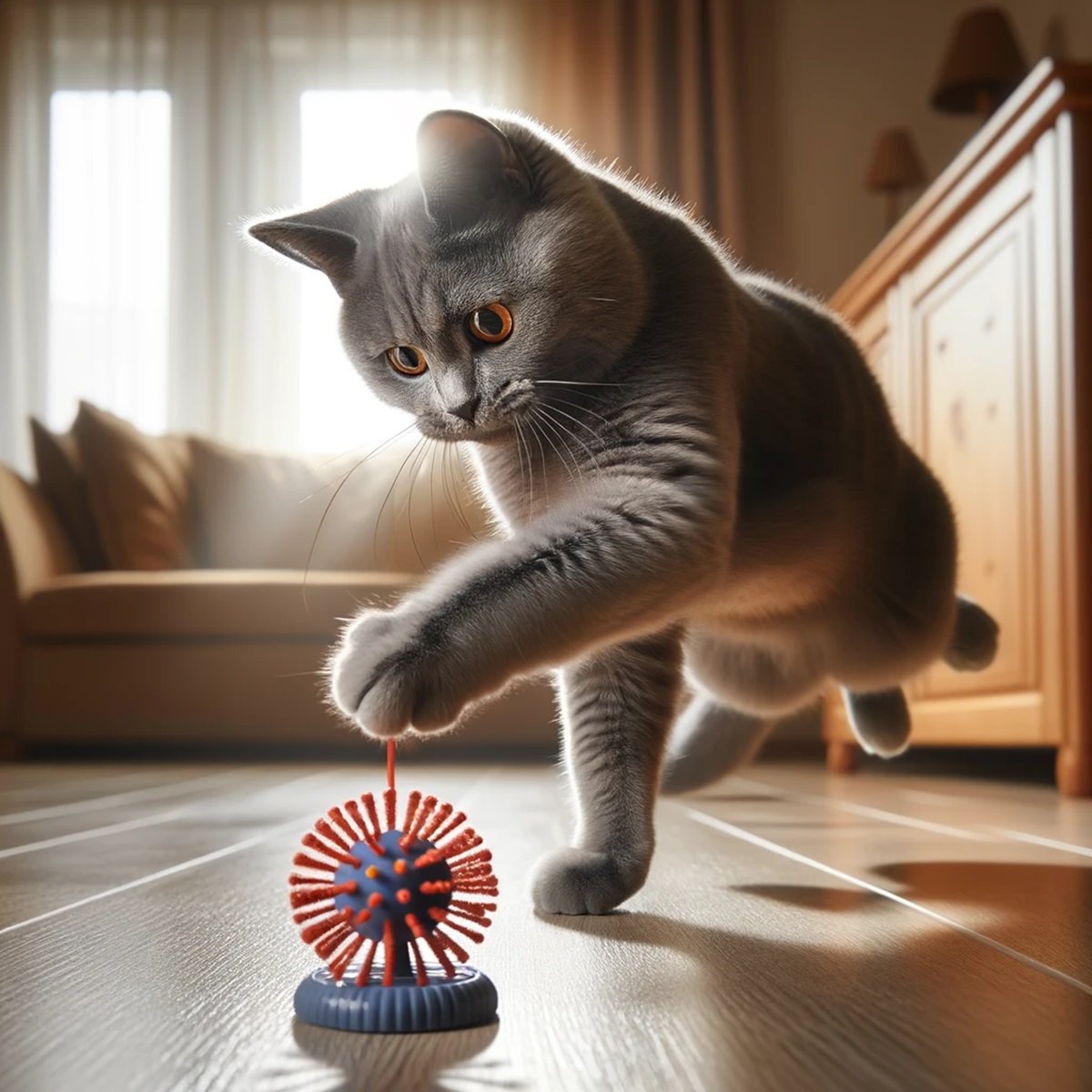
They are highly intelligent and possess a playful side that enjoys interactive toys and games. Despite their playful nature, they carry themselves with an air of dignity and calmness.
Affectionate Companions
Chartreux cats form strong bonds with their families. They are known to follow their owners from room to room, offering silent companionship rather than demanding attention.
Adaptable
These cats are remarkably adaptable, adjusting well to different living environments and lifestyles. Whether in a bustling family home or a quiet single apartment, they make themselves perfectly at home.
Excellent Hunters
Historically valued for their hunting skills in France, Chartreux cats still possess a strong hunting instinct. They are adept at catching mice and often engage in play that mimics hunting behaviors.
Robust Health
Generally, Chartreux cats enjoy robust health. They have a solid build and are not known for many genetic health issues, making them a hearty companion.
Low Maintenance
Despite their dense coats, Chartreux cats are relatively low maintenance. They require minimal grooming, thanks to their self-maintaining fur, and adapt easily to most household routines.
Diet and Care
Diet Needs
High-Quality Food
Chartreux cats thrive on a diet rich in high-quality, protein-packed cat food. Whether you choose wet, dry, or a combination of both, ensure it meets the nutritional needs typical for a cat of this size and energy level.
Hydration
Always provide plenty of fresh water. Wet food can help with their hydration needs, but clean, fresh water should always be available.
Portion Control
Monitor their food intake to prevent obesity, a common issue among less active and indoor cats. Feeding guidelines vary by age, weight, and activity level, so adjust portions accordingly and consult with your vet for personalized advice.
Care Needs
Grooming
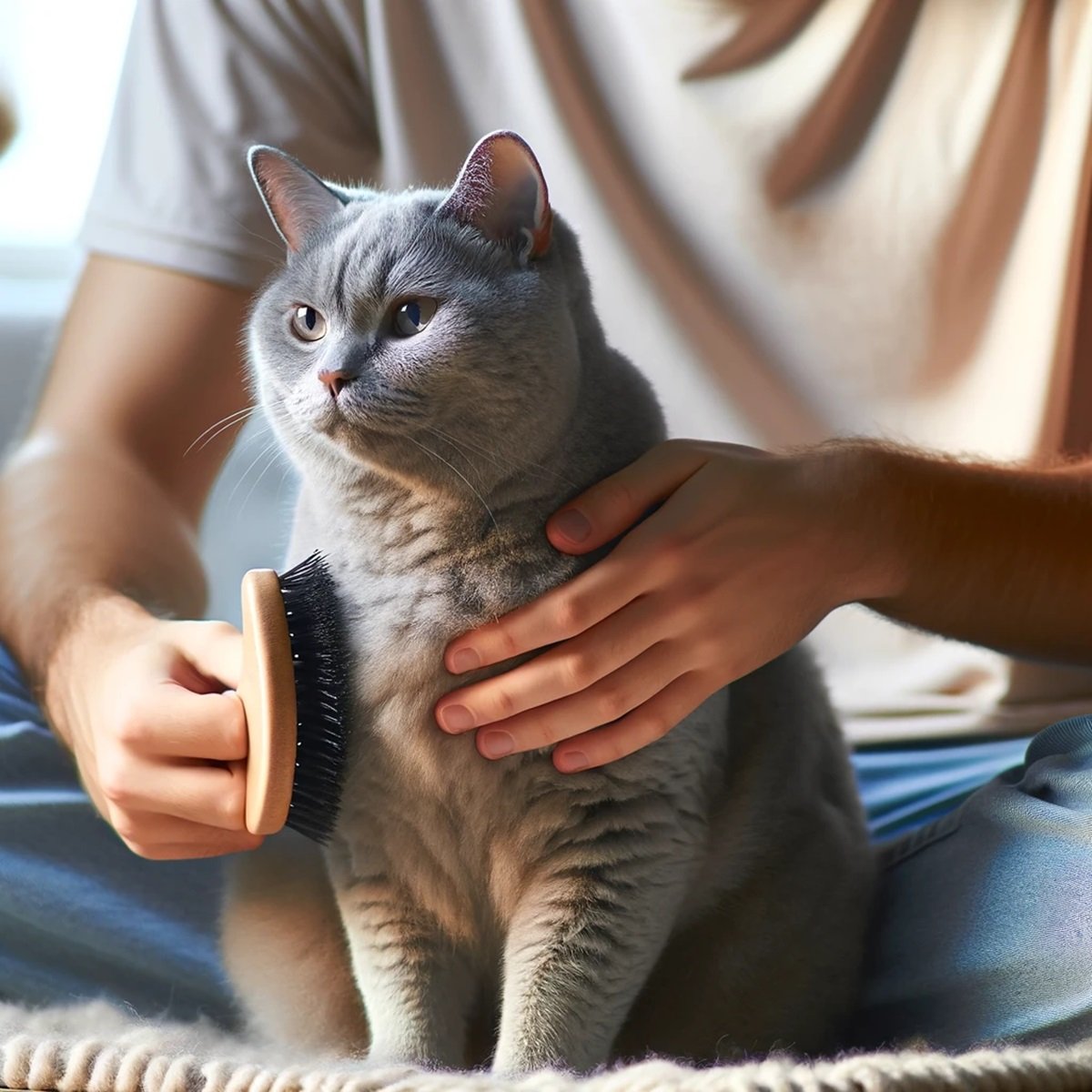
Despite their thick coats, Chartreux cats are relatively low maintenance. A weekly brushing is sufficient to remove dead hair and distribute skin oils, keeping their coat shiny and healthy.
Dental Hygiene
Regular dental care is essential. Brush their teeth frequently with vet-approved pet toothpaste and schedule annual dental checkups.
Exercise
Provide ample opportunities for physical activity. Interactive toys, climbing trees, and daily play sessions can help keep them fit and mentally stimulated.
Health Check-ups
Regular veterinary visits for vaccinations and check-ups are vital to catching any health issues early. Pay attention to their weight, as Chartreux can be prone to obesity, which can lead to other health problems.
Social Interaction
While Chartreux cats are known for their independence, they also seek affection and companionship from their human families. Spend quality time daily to strengthen your bond and keep them socially engaged.
Chartreux Cat as a Pet

Quiet Presence
The Chartreux are known for their quiet demeanor. They rarely meow, making them ideal for those who appreciate a more tranquil home environment. Their silence, however, does not detract from their ability to communicate; they are quite expressive through their actions and expressions.
Affectionate and Loyal
These cats form deep bonds with their owners. They may follow you around the house, preferring to be in your company without being overly demanding of attention. Their loyalty and affectionate nature make them a comforting presence.
Good with Children and Other Pets
Their calm and tolerant personality makes them good companions for children. They are also known to get along well with other pets, including dogs, especially if introduced properly and early in life.
Intelligent and Playful
Chartreux cats enjoy interactive play and mental stimulation. They are quick learners and can be taught tricks or to play fetch. Toys that challenge their hunting instincts will provide hours of entertainment.
Low Maintenance
In terms of grooming, the Chartreux’s coat does not mat easily, making it relatively low maintenance. A weekly brush is usually enough to keep their fur in good condition.
Adaptable
Whether living in a spacious house or a compact apartment, the Chartreux adapts well to its environment. They are content as long as they have human companionship and a comfortable spot to oversee their domain.
Health
With a robust build and no significant breed-specific health issues, Chartreux cats are generally healthy. Regular veterinary check-ups and a proper diet are essential to keeping them in good shape.
FAQs
1: What is the lifespan of a Chartreux cat?
Chartreux cats typically live between 12 to 15 years, with proper care and regular veterinary check-ups.
2: How often should I groom my Chartreux cat?
Despite their dense coats, Chartreux cats require minimal grooming. A weekly brushing is sufficient to keep their fur in good condition.
3: Are Chartreux cats good with children?
Chartreux cats are known for their gentle and tolerant nature, making them excellent companions for families with children.
4: Do Chartreux cats get along with other pets?
Generally, yes. Chartreux cats can coexist peacefully with other cats and even dogs, especially if introduced early.
5: Can Chartreux cats live in an apartment?
Absolutely. Their adaptable and laid-back nature makes them well-suited for apartment living, as long as they have enough space to play and explore.
6: Are Chartreux cats prone to any specific health issues?
Chartreux are a robust and healthy breed with no breed-specific health issues. However, like all cats, they should have regular veterinary check-ups.
7: How much does a Chartreux cat typically weigh?
Male Chartreux cats can weigh between 10 to 15 pounds (4.5 to 6.8 kg), and females typically weigh between 6 to 11 pounds (2.7 to 5 kg).
8: Is the Chartreux cat silent?
While not entirely silent, Chartreux cats are known for their quiet demeanor. They tend to meow less frequently than other breeds and often communicate through body language.
9: What makes Chartreux cats’ fur unique?
The beautiful blue-gray shade, enhanced by a stunning silvery gleam, is an unmistakable and eye-catching feature. Its distinctiveness will surely make it stand out and leave a lasting impression. very unique and easily recognizable.
10: How can I tell if a Chartreux cat is right for me?
If you’re looking for a quiet, affectionate, and low-maintenance pet that is good with children and adapts well to various living situations, a Chartreux cat might be a perfect choice. Consider your lifestyle and the time you can dedicate to your pet to ensure it’s a good match.
Conclusion
The Chartreux is a testament to the beauty and mystery of the cat world. With their plush blue coats, captivating eyes, and serene demeanor, they bring a touch of elegance and tranquility to any home. If you’re looking for a loyal companion who respects your space while cherishing your presence, the Chartreux might just be the perfect match.
Curious to learn more about pet breeds? Dive deeper with us at Top Pet Breed Hub and discover the world that awaits you and your future furry friend.
References
For more information on Chartreux cats and to delve deeper into their fascinating world, consider exploring the following resources:
The International Cat Association (TICA): Visit TICA’s website for detailed breed profiles, care tips, and information on cat shows.
PetMD: Offers a range of articles on cat health, behavior, and nutrition that can be beneficial for Chartreux cat owners. Access their resources at PetMD.