






Welcome to the Pet Breed Hub, your go-to guide for everything about pet breeds! Today, we’re diving into the world of the charming and charismatic Chihuahua.
Chihuahua: A Peek into Their Fascinating History

The Origins of the Chihuahua
Ancient Roots: Believe it or not, Chihuahuas trace back to ancient Mexico. They’re descendants of a dog known as the Techichi, cherished by the Toltec civilization.
Royal Companions: These tiny canines weren’t just pets; they held a significant place in Toltec and later Aztec societies, often associated with royalty and religious ceremonies.
Journey Through Time
European Encounter: When the Spaniards arrived in the Americas, they encountered these spirited dogs and were intrigued by their size and temperament.
Name Legacy: The breed’s name comes from the Mexican state of Chihuahua, where they were discovered by the outside world in the 19th century.
Modern-day Evolution
Popularity Boom: By the late 19th and early 20th centuries, Chihuahuas had begun to captivate hearts in America and Europe.
Breed Development: Over the years, selective breeding refined their features, leading to the two distinct coat types we see today – the smooth coat and the long coat.
Legacy Today
Cultural Icon: The Chihuahua has become a cultural icon, featured in various forms of media and often seen in the company of celebrities.
Endearing Companion: Despite their tiny stature, they’ve maintained their status as loyal, loving companions with an indomitable spirit.
Chihuahua Health & Diet Essentials

Nutrition: Fueling Your Tiny Companion
Small Breed Formula: Opt for high-quality dog food specifically designed for small breeds like Chihuahuas. Their nutritional needs differ from those of larger breeds.
Measured Meals: Portion control is crucial. Overfeeding can lead to obesity, a common issue in small dogs.
Regular Feeding Schedule: Consistent meal times help in maintaining a healthy digestive system.
Healthy Treats
Moderation Matters: Treats should only be a small part of their diet. Choose healthy options and avoid overindulgence.
Training Treats: Use small, low-calorie treats for training. It keeps them motivated without the risk of weight gain.
Hydration: Water is Essential
Always Accessible: Ensure your Chihuahua has constant access to fresh, clean water. Proper hydration is vital for their overall health.
Monitoring Health
Weight Checks: Regularly monitor their weight. Sudden weight gain or loss can indicate health issues.
Dental Health: Chihuahuas are prone to dental problems. Brush their teeth regularly and schedule dental check-ups.
Regular Veterinary Care
Annual Check-ups: Regular vet visits are essential for vaccinations, parasite control, and health screenings.
Preventative Measures: Discuss preventative care with your vet, including heartworm and flea control.
Specific Health Concerns
Heart Health: Be aware of heart conditions like mitral valve disease, common in small breeds.
Joint Care: Protect their joints. Avoid high jumps and rough play to prevent injuries.
Understanding Chihuahua Temperament
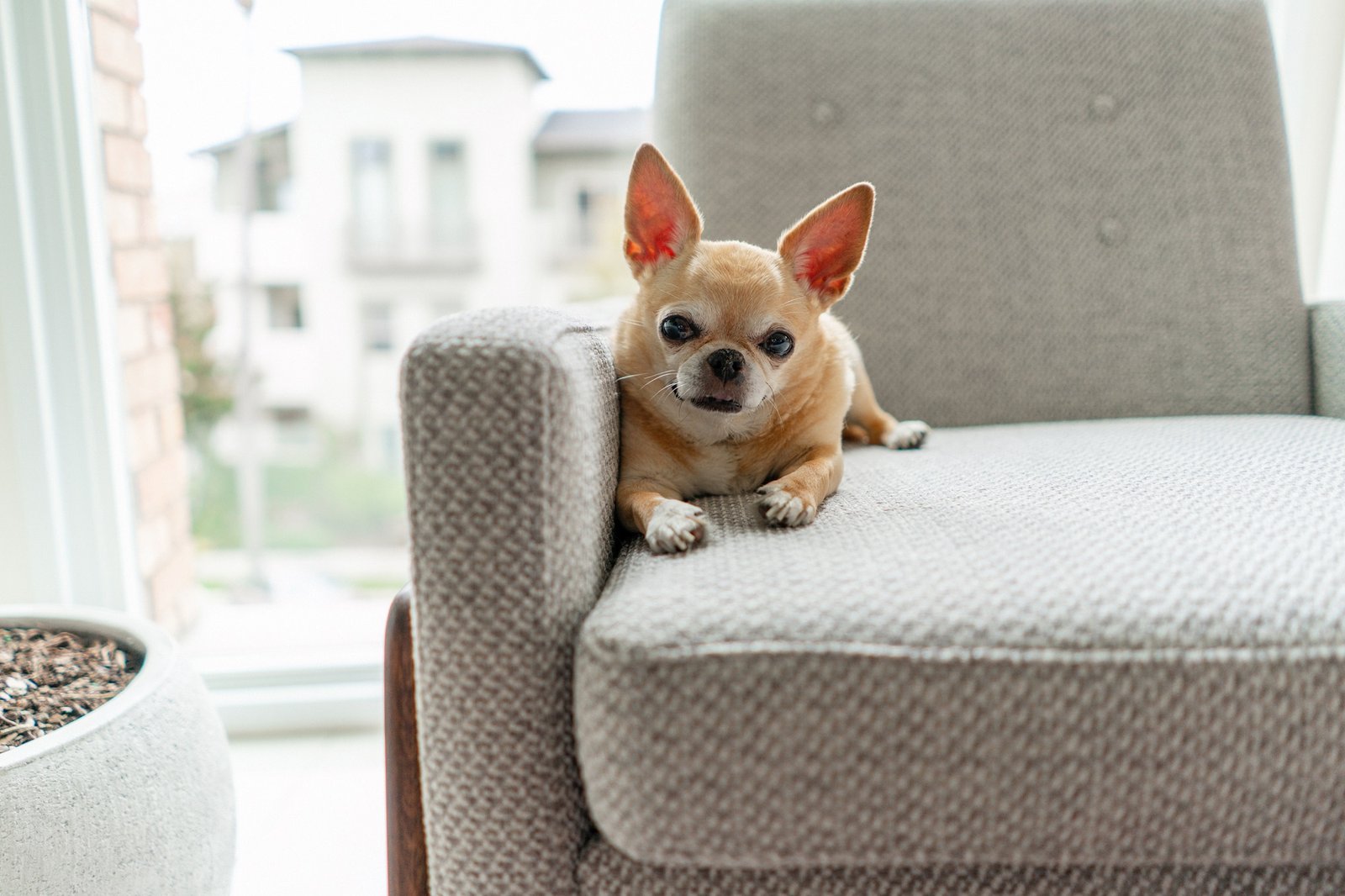
Lively and Energetic
Full of Life: Chihuahuas are known for their lively nature. They are active, playful, and often full of energy.
Love to Play: Their playfulness makes them great companions for those who enjoy interactive and engaging activities with their pets.
Loyal Companions
Deep Bonds: They form strong attachments to their owners, often becoming fiercely loyal.
Great Watchdogs: Despite their size, they are alert and can be quite protective, making them excellent watchdogs in a small package.
Intelligent and Quick-Witted
Smart Cookies: Chihuahuas are intelligent and learn quickly, which makes them relatively easy to train with the right approach.
Eager to Please: They often aim to please their owners, which can be harnessed positively in training and socialization.
Sassy with a Bit of Attitude
Confident Characters: They might be small, but they don’t seem to know it! Chihuahuas often have a confident, almost sassy personality.
Vocal Expressions: They are not shy about expressing themselves and can be quite vocal, especially if not properly trained or socialized.
Sensitive and Affectionate
Seek Affection: Chihuahuas love attention and affection from their owners. They enjoy cuddles and being close to their human companions.
Responsive to Emotions: They are sensitive to their owner’s emotions and can be quite empathetic, often reacting to how their human feels.
Adaptable Yet Need Consistency
Adjust to Environments: They can adapt to various living situations, from apartments to houses with yards, as long as they have their beloved human close by.
Crave Routine: Consistency in routine and training is important for them to feel secure and happy.
Fun Facts About Chihuahuas
Historical Significance
Ancient Ancestors: Chihuahuas are believed to be descendants of the Techichi, a companion dog favored by the Toltec civilization in Mexico.
Celebrity Status
Hollywood Favorites: These pint-sized pups have graced the big screen and are often seen in the company of celebrities, thanks to their charming and photogenic nature.
World Record Holders
Tiny Champions: Chihuahuas hold records for being one of the smallest dog breeds in the world.
A Breed with Varieties
Coat Diversity: Chihuahuas come in two coat types: smooth and long-haired, each with its own unique charm.
Long-Lived Companions
Impressive Lifespan: One of the longest-living dog breeds, Chihuahuas often live well into their teens, with some reaching 20 years or more.
They’ve Got a Big Dog Bark
Vocal Personalities: Despite their size, Chihuahuas are not shy about using their voice. They can be quite vocal, which sometimes surprises those unfamiliar with the breed.
Size Doesn’t Matter
Small but Mighty: Chihuahuas may be small, but they often have the courage and heart of a much larger dog.
Pop Culture Icons
Fashionable Pets: Their small size and distinctive looks have made them popular in fashion and pop culture, often seen in trendy outfits and accessories.
Symbol of National Pride
Mexican Heritage: The Chihuahua is named after the Mexican state of Chihuahua and is often considered a national symbol of Mexico.
A Universe of Colors
Colorful Variety: These dogs come in a wide range of colors and patterns, making each one unique.
FAQs
1: Are Chihuahua good pets?
Chihuahuas can be excellent pets, but whether they’re a good fit for you depends on your lifestyle, environment, and what you’re looking for in a dog. Here’s what makes Chihuahuas great companions, along with some considerations:
Pros
Size: Their small size makes them ideal for apartment living or people with limited space.
Companionship: They are known for their loyalty and often form strong, affectionate bonds with their owners.
Low Exercise Needs: Unlike larger breeds, Chihuahuas don’t require extensive physical exercise. Short walks and indoor play are usually sufficient.
Intelligence: They are intelligent and can be trained to do various tricks and follow commands.
Long Lifespan: Chihuahuas have a relatively long lifespan, often living into their mid-teens or longer, providing many years of companionship.
Cons
Fragility: Due to their small size, they can be more prone to injury. They need to be handled carefully, making them less suitable for rough play with small children.
Vocal Nature: Chihuahuas can be quite vocal, which might be a challenge if you prefer a quieter pet or live in noise-sensitive housing.
Training and Socialization: They require consistent training and socialization, as they can develop ‘ small dog syndrome’—showing aggressive or fearful behavior if not properly trained.
Health Issues: Like many purebred dogs, they can be prone to specific health problems, such as dental issues and heart conditions.
Temperature Sensitivity: They prefer warmer climates and might need extra care in cold weather.
2: What is the average lifespan of a Chihuahua?
Chihuahuas typically live between 12 to 20 years, making them one of the longest-lived dog breeds.
3: Do Chihuahuas require a lot of exercise?
They need moderate exercise. Daily short walks and playtime are sufficient to keep them healthy and happy.
4: Are Chihuahuas good with children?
They can be good with children if properly socialized, but due to their small size, they’re better suited for families with older, more gentle children.
5: How often do Chihuahuas need to be groomed?
Smooth-coated Chihuahuas require minimal grooming, while long-haired ones need regular brushing to prevent tangles.
6: Are Chihuahuas easy to train?
Yes, they are intelligent and can be trained effectively with positive reinforcement techniques, though they can be stubborn at times.
7: Can Chihuahuas live in apartments?
Their small size makes them ideal for apartment living.
8: Do Chihuahuas have common health issues?
They can be prone to dental issues, hypoglycemia, heart problems, and patellar luxation.
9: Are Chihuahuas social with other dogs?
They can be, but early socialization is key to helping them get along with other dogs.
10: How much food should a Chihuahua eat daily?
It varies based on their size, age, and activity level, but generally, they eat between 1/4 to 1/2 cups of high-quality dry dog food, divided into two meals.
11: Do Chihuahuas bark a lot?
They can be quite vocal. Proper training and socialization from a young age can help manage excessive barking.
Conclusion
Chihuahuas are more than just lap dogs; they are companions with big hearts. Perfect for those who want a small dog with a big personality!
References & External Links
American Kennel Club (AKC) – AKC Chihuahua Breed Information: Offers detailed information on breed standards, temperament, health, and care tips for Chihuahuas.
The Chihuahua Club of America’s Chihuahua Club Care Advice: provides breed-specific advice, including health concerns, training tips, and information about the breed’s history.
Veterinary Centers and Pet Health Websites:
WebMD Pets: Articles on general pet health, including small breed dogs like Chihuahuas.
VCA Hospitals Dog Care: Offers expert advice on dog health, nutrition, and care.
Chihuahua Rescue and Transport: Chihuahua Rescue: A non-profit organization dedicated to rescuing Chihuahuas and providing information on how to care for them.
PetMD-Chihuahua: PetMD Breed Profile: Offers a comprehensive profile of Chihuahuas, including health, nutrition, and behavior.
The Spruce Pets – The Spruce Pets – Chihuahua Care: Provides in-depth articles on pet care, including specific insights into the needs of Chihuahuas.