




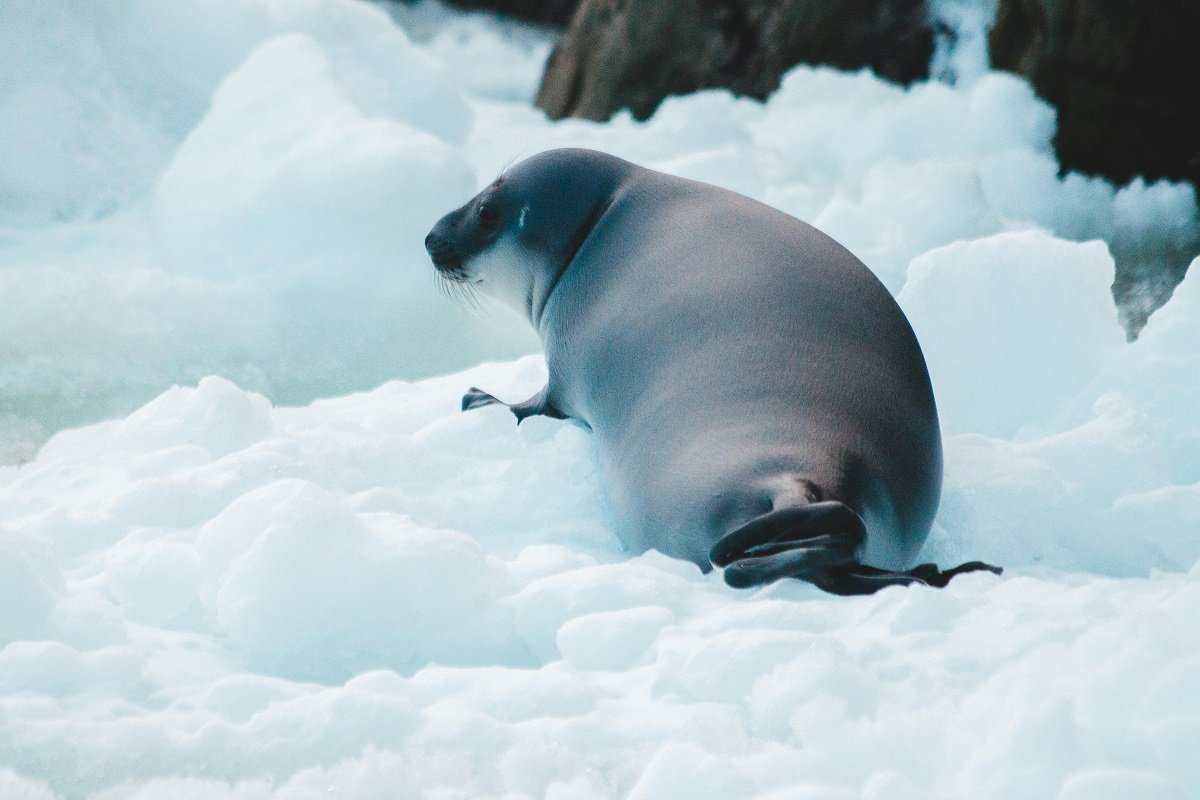
The crabeater seal is one of the most fascinating animals in Antarctica. Despite its name, it does not eat crabs. These seals are well-adapted to life in the icy waters of the Southern Ocean. They are the most abundant seal species in the world. Yet, few people know much about them.
This article will explore the life of the crabeater seal. We will examine its habitat, diet, behavior, and survival skills. You will learn why this seal is so special.
Habitat
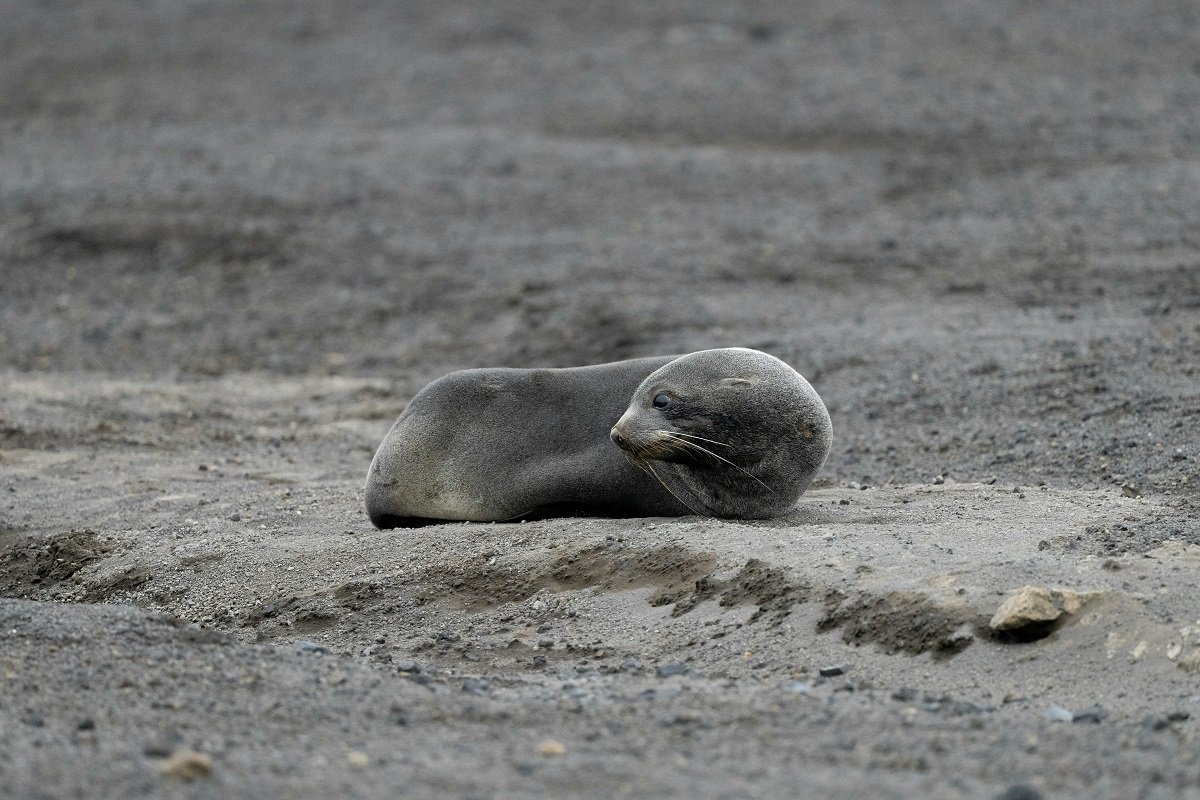
Crabeater seals live only in Antarctica. They spend their entire lives in the cold Southern Ocean. They are often found on floating ice packs. These ice packs are crucial for their survival.
The seals use the ice to rest, breed, and escape predators. They are excellent swimmers. But they need the ice to rest between dives.
Physical Features
Crabeater seals have sleek, slender bodies, which help them swim fast. They can grow up to 8 feet (2.5 meters) long, and adults weigh between 440 and 660 pounds (200 to 300 kg).
Their fur is usually light brown or silver-gray. Some have dark spots or streaks. Their color helps them blend into the ice.
One of their most unique features is their teeth. Their teeth have special jagged edges. These teeth work like a sieve. They help the seals filter food from the water.
Diet
Despite their name, crabeater seals do not eat crabs. Their main food is Antarctic krill. Krill are tiny shrimp-like creatures. They swim in huge swarms in the Southern Ocean.
The seals swim through the krill swarms with their mouths open. Their special teeth trap the krill inside. Then, they swallow the krill whole.
An adult crabeater seal can eat up to 20 pounds (9 kg) of krill per day. Krill are rich in protein and fat. This helps the seals survive in the freezing cold.
Behavior
Crabeater seals are mostly solitary. They spend much of their time alone. But sometimes, they gather in small groups on the ice.
They are excellent divers. They can dive up to 1,000 feet (300 meters) deep. A single dive can last 10 to 15 minutes.
These seals are also fast swimmers. They can reach speeds of 15 miles per hour (25 km/h). This helps them escape predators.
Predators
The biggest threat to crabeater seals is the leopard seal. Leopard seals are fierce hunters. They attack crabeater seals, especially young ones.
To escape, crabeater seals use their speed and agility. They twist and turn in the water. Sometimes, they jump onto ice floes to get away.
Killer whales (orcas) also hunt crabeater seals. But they are less common predators than leopard seals.
Reproduction
Crabeater seals mate in the water. The breeding season is in October and November. After mating, the female is pregnant for about 11 months.
The pups are born on the ice between September and December. A newborn pup weighs about 45 pounds (20 kg). It has soft, fluffy fur.
The mother feeds the pup rich milk for about three weeks. During this time, the pup grows fast. After weaning, the pup must learn to hunt on its own.
Lifespan
Crabeater seals can live up to 40 years in the wild. But many do not reach this age. Young seals often fall prey to leopard seals.
Those who survive can live a long time. Their biggest threats are predators and changes in their icy habitat.
Fun Facts About Crabeater Seals
Misleading Name – They don’t eat crabs. Their name comes from an old mistake.
Super Swimmers – They can swim long distances in search of food.
Noisy Animals – They make loud, strange sounds to communicate.
Long-Lived – They can live up to 40 years, longer than many other seals.
Fast Growers – Pups gain weight quickly on their mother’s milk.
Conclusion
The crabeater seal is an amazing Antarctic animal. It has adapted perfectly to life in the ice and cold. With its special teeth, it feeds on krill efficiently. It faces threats from predators and climate change. But for now, it remains the most common seal in Antarctica.
These seals play a key role in the ocean’s food chain. Protecting them means protecting the Antarctic ecosystem. By learning about them, we can help ensure their survival for future generations.