




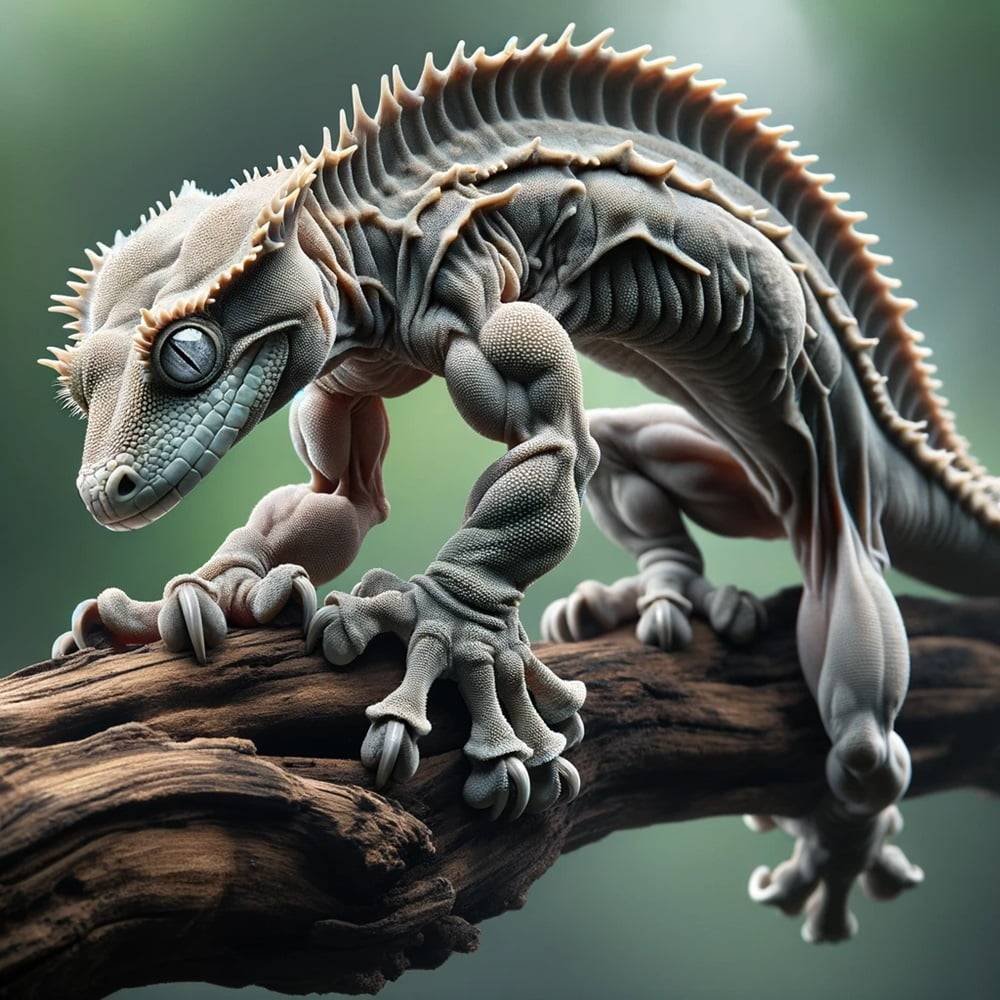
The world of the Gargoyle Gecko, an extraordinary reptile known for its distinctive appearance and gentle temperament, Native to the tropical rainforests of New Caledonia, these geckos offer a blend of enchanting beauty and intriguing behavior. With their unique bumpy skin texture, varied color patterns, and captivating eyes, they are a marvel in the pet world. Ideal for both beginners and experienced reptile enthusiasts, gargoyle geckos bring a touch of exotic charm to any home. Join us as we explore the fascinating aspects of these serene and low-maintenance companions.
Gargoyle Gecko: Unveiling Their Mystical Origins
Embark on a journey to uncover the origins of the enchanting Gargoyle Gecko. These captivating creatures aren’t just another pet; they’re a living tapestry of nature’s artistry, with a backstory as fascinating as their appearance.
A Glimpse into Their Ancestry
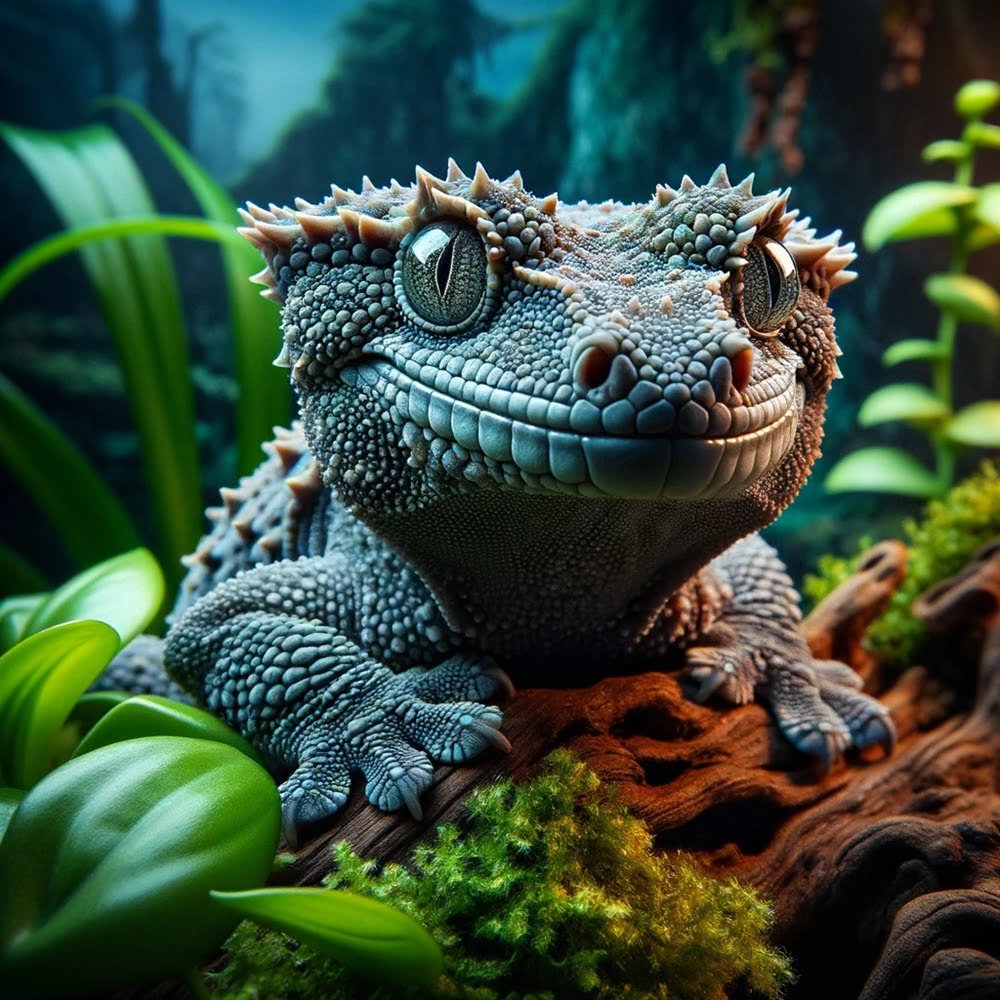
Gargoyle Geckos, scientifically known as Rhacodactylus auriculatus, hail from the lush, tropical rainforests of New Caledonia, a group of islands in the South Pacific. This remote and verdant region is a cradle of biodiversity, where these geckos have thrived for millennia.
The Island Life
In the dense, humid jungles of New Caledonia, Gargoyle Geckos developed their unique adaptations. Their rugged, bumpy skin, which mimics the rough textures of tree bark and rocks, isn’t just for show; it’s a survival strategy honed by nature. This camouflage shields them from predators and allows them to blend seamlessly into their arboreal homes.
From Wild to Home
The leap from the wilds of New Caledonia to the heart of human homes is a tale of fascination and conservation. Discovered by the wider world in the late 20th century, these geckos quickly captured the hearts of reptile enthusiasts. Their docile nature and low maintenance needs made them ideal companions for both seasoned herpetologists and curious beginners.
Conservation: A Key Chapter
As with many exotic creatures, the popularity of Gargoyle geckos brought with it the need for responsible breeding and conservation. Efforts to sustain their populations both in the wild and in captivity have been crucial in preserving their species for future generations to admire and learn from.
Gargoyle Gecko: A Closer Look at Their Unique Appearance
When it comes to the world of reptiles, the Gargoyle Gecko stands out with its distinctive appearance. Let’s delve into the fascinating aspects that make these creatures a marvel in the reptile kingdom.
Striking Physical Traits
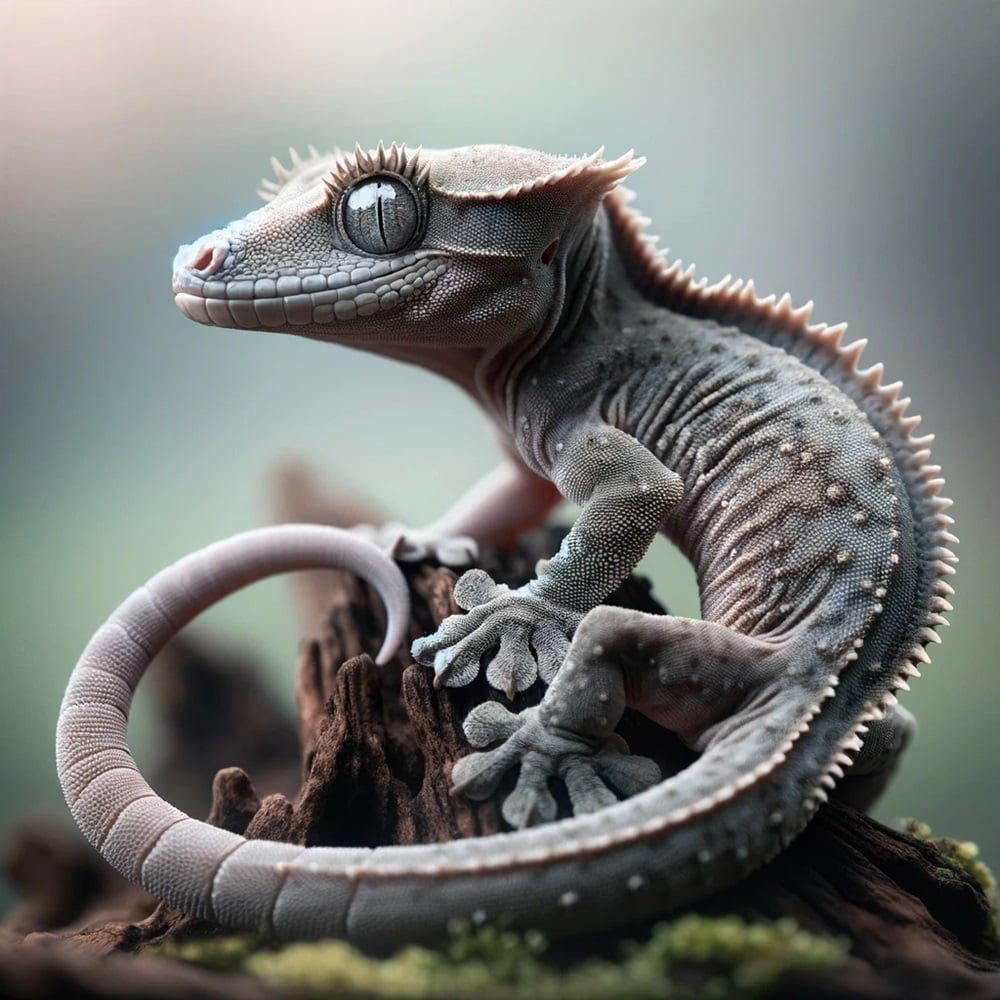
Skin Texture: One of the most notable features of Gargoyle Geckos is their skin texture. Resembling the stone sculptures they are named after, their skin is a mix of bumps and ridges. This not only adds to their mystique but also serves as excellent camouflage in their natural habitat.
Color Palette: These geckos display a variety of colors and patterns. Ranging from earthy browns and greys to vibrant oranges and reds, each Gargoyle Gecko has a unique coloration, making them a favorite among enthusiasts.
Eyes: Their eyes are another mesmerizing aspect. Most Gargoyle Geckos have bright, piercing eyes that contrast starkly with their skin color, adding to their captivating appearance.
Size and Build: Adult Gargoyle Geckos are robust, typically measuring between 7 to 9 inches in length. They possess a sturdy build, with a muscular structure that aids in climbing and leaping among tree branches.
Tail Tales
Gargoyle geckos have a unique relationship with their tails. Unlike some gecko species that can regrow their tails, gargoyle geckos do not regenerate lost tails. This feature adds to their distinct look and is a point of interest for many enthusiasts.
Why Appearance Matters
The appearance of Gargoyle Geckos isn’t just about aesthetics. It reflects their evolutionary journey and adaptation to environments. For pet owners and breeders, understanding and appreciating these traits is key to providing proper care and creating suitable habitats for these charming reptiles.
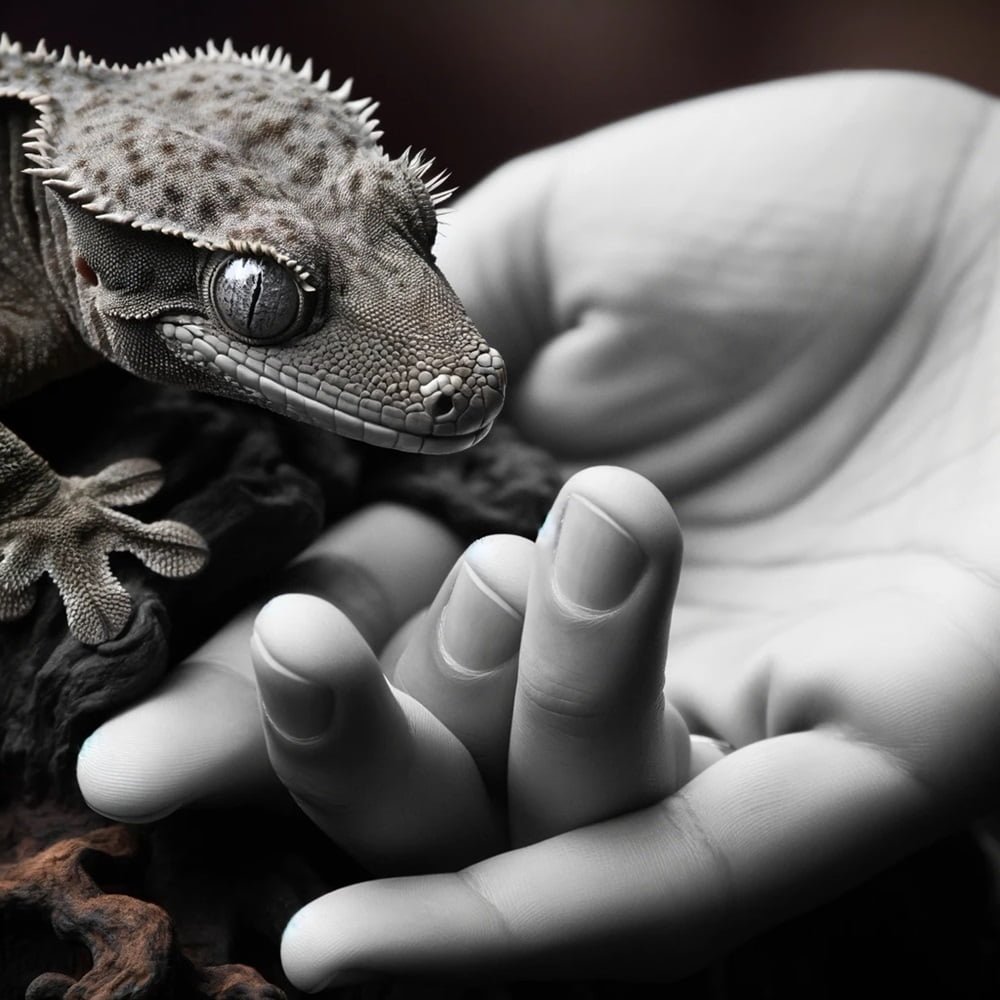
Gargoyle Gecko Lifespan: Journey Through Their Years
Delve into the intriguing aspect of the Gargoyle Gecko’s lifespan, a journey that reflects not just time but the quality of care and environment these fascinating reptiles receive.
The Years of a Gargoyle Gecko
Average Lifespan: Gargoyle geckos are known for their relatively long lifespan, especially in captivity. On average, these geckos can live between 15 to 20 years, with some even reaching beyond 20 years under optimal care conditions.
Factors Influencing Lifespan: Several factors play a crucial role in determining the lifespan of a Gargoyle Gecko. These include genetics, diet, habitat quality, and regular veterinary care. A well-maintained environment that mimics their natural habitat contributes significantly to their longevity.
Youth to Maturity
Growth Period: Gargoyle Geckos spend their initial years growing and maturing. This period is crucial, and providing a nutrient-rich diet during this time is essential for their development.
Reaching Maturity: They typically reach full maturity around the age of two to three years. This is when they exhibit their full coloration and distinctive physical features.
Senior Years
Aged Geckos: As Gargoyle Geckos enter their senior years, they may require more attentive care. This includes regular health check-ups and potential dietary adjustments to suit their changing nutritional needs.
Ensuring a Healthy Life
Owner’s Role: As a Gargoyle Gecko owner, playing an active role in ensuring their health and wellbeing is key to maximizing their lifespan. This involves creating a stress-free environment, providing a balanced diet, and seeking prompt medical attention when needed.
Gargoyle Gecko Diet: Nourishing Your Scaly Friend
Understanding the dietary needs of a Gargoyle Gecko is crucial for their health and longevity. Let’s explore what constitutes a balanced diet for these unique reptiles.
A Diverse Menu
Insects and Fruits: In the wild, Gargoyle Geckos are omnivores. Their diet primarily consists of insects and various fruits. This natural diet is rich in nutrients and provides the energy they need for their nocturnal activities.
Commercial Gecko Food: In captivity, high-quality commercial gecko food can be a convenient and balanced diet option. These specially formulated diets often combine fruits, vitamins, and minerals to meet all their dietary needs.
Feeding Schedule
Young Geckos: Juvenile Gargoyle Geckos, due to their growing bodies, require more frequent feeding. Offering food 3–4 times a week is ideal for supporting their development.
Adult Geckos: Adult Gargoyle Geckos have a slower metabolism. Feeding them 2-3 times a week is generally sufficient to maintain their health without overfeeding.
Hydration is Key
Water: Always ensure your Gargoyle Gecko has access to fresh, clean water. A shallow water dish in their enclosure is essential for drinking and can also help maintain humidity levels.
Supplements for Health
Calcium and Vitamins: Supplementing their diet with calcium and vitamin D3 is important, especially for those not exposed to natural sunlight. These supplements support bone health and overall well-being.
Avoiding Common Dietary Mistakes
Overfeeding: It’s crucial to avoid overfeeding, as obesity can lead to health problems.
Varied Diet: Providing a varied diet is important to prevent nutritional deficiencies and to keep your gecko interested in its food.
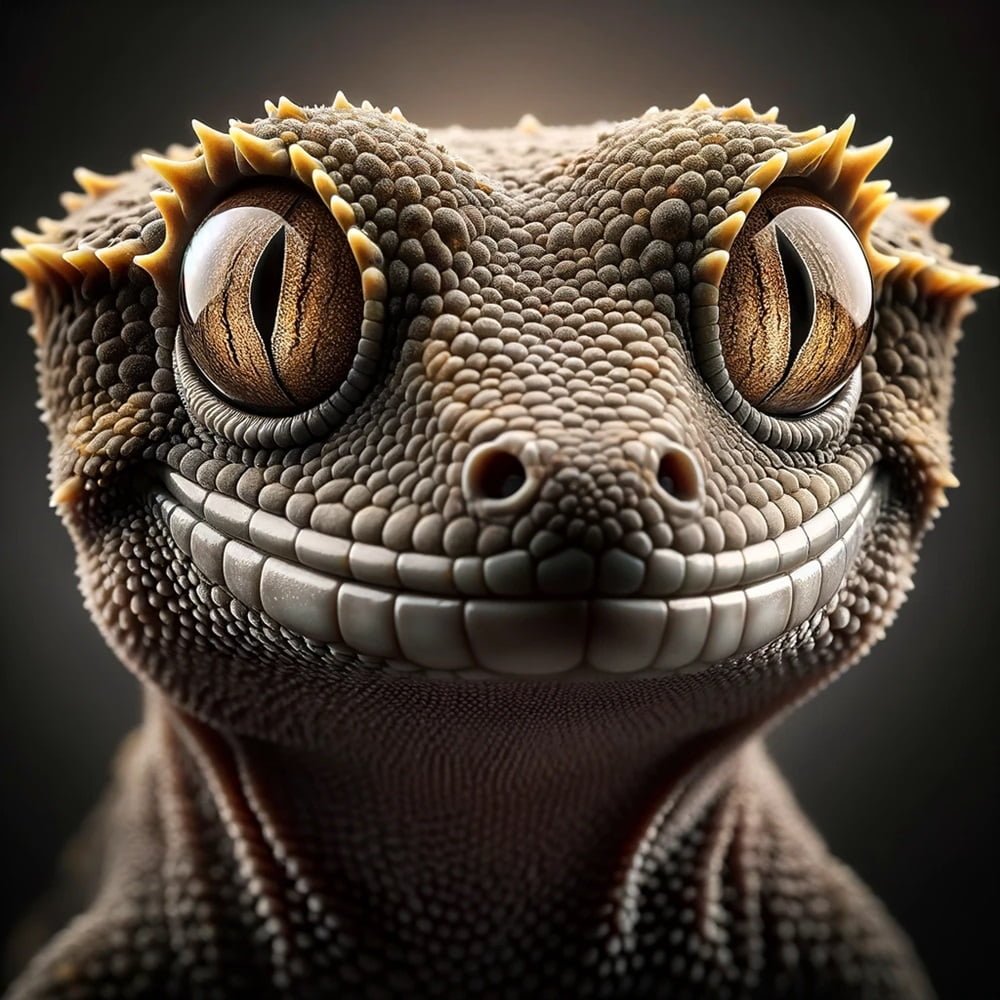
Gargoyle Gecko Temperament
Gargoyle geckos are not just known for their unique appearance but also for their distinct temperament, which makes them a favored pet among reptile enthusiasts. Let’s delve into the temperamental traits of these fascinating creatures.
Calm and Docile Nature
Easygoing Companions: One of the most endearing traits of Gargoyle Geckos is their calm and docile nature. They are typically easy to handle, making them suitable for both experienced reptile keepers and beginners.
Stress Sensitivity: While they are generally relaxed, it’s important to remember that Gargoyle Geckos can be sensitive to stress. Overhandling or a noisy environment can lead to stress, so it’s crucial to create a peaceful habitat for them.
Nocturnal Behavior
Nighttime Activity: Gargoyle Geckos are nocturnal, meaning they are most active during the night. During the day, they prefer to rest and hide, coming to life after dusk.
Observing Their Nightlife: For owners, this means the best time to interact with them or watch their natural behaviors is during the evening.
Social Interaction
Solitary Nature: In the wild, gargoyle geckos are mostly solitary creatures. This trait carries over in captivity, where they often prefer to be housed alone to avoid stress or aggression.
Handling Tips: When handling your Gargoyle Gecko, it’s important to be gentle and patient. Gradual handling can help them become more accustomed to human interaction.
Environmental Impact on Temperament
Habitat Influence: The setup of their enclosure can significantly impact their temperament. A well-structured habitat with hiding places and climbing areas can help them feel secure and content.
Gargoyle Gecko Habitat: Crafting the Perfect Home
Creating a suitable habitat for your Gargoyle Gecko is essential for its health and happiness. Let’s explore how to design an ideal living space that mimics their natural environment.
Terrarium Requirements
Size Matters: For a single Gargoyle Gecko, a 20-gallon terrarium is a good starting point. These creatures love to climb, so a vertical space is preferred.
Secure and Safe: Ensure the enclosure is secure to prevent escapes and safe from potential hazards.
Temperature and Humidity
Balanced Climate: Mimicking their native climate in New Caledonia is key. Aim for a temperature gradient with a warm side around 78–82°F and a cooler side around 70–75°F.
Humidity: Gargoyle geckos thrive in moderate to high humidity levels, around 50–70%. Regular misting and a good substrate can help maintain these levels.
Lighting and Day-Night Cycle
UVB Lighting: While not absolutely necessary, providing a UVB light source can benefit their overall health, especially if natural sunlight is limited.
Natural Rhythms: Maintain a regular day-night cycle, with around 12 hours of light and 12 hours of darkness.
Interior Design
Climbing and Hiding: Include branches, vines, and foliage for climbing and hiding. These additions not only make the habitat more engaging for your gecko but also mimic their natural arboreal lifestyle.
Substrate Choices: Use a substrate that maintains humidity without becoming overly damp, such as coconut fiber or moss.
Cleanliness and Maintenance
Regular Cleaning: Regular cleaning is vital to prevent mold and bacteria growth. A clean habitat is a happy habitat for your Gargoyle Gecko.
FAQs About Gargoyle Geckos
1: What is the ideal temperature for a Gargoyle Gecko’s habitat?
Aim for a warm side around 78–82°F and a cooler side around 70–75°F in their enclosure.
2: How often should I feed my Gargoyle Gecko?
Juveniles should be fed 3–4 times a week, while adults thrive on 2-3 feedings per week.
3: Can Gargoyle Geckos live with other geckos?
Generally, they prefer to be solitary to avoid stress and potential aggression.
4: Do Gargoyle Geckos need UVB lighting?
While not absolutely necessary, UVB lighting can be beneficial, especially in the absence of natural sunlight.
5: How long do Gargoyle Geckos typically live?
They can live between 15 to 20 years in captivity with proper care.
6: Are Gargoyle Geckos good for beginners?
Yes, their calm temperament and straightforward care requirements make them suitable for beginners.
7: What should I include in my Gargoyle Gecko’s diet?
A mix of insects, fruits, and commercial gecko food is ideal.
8: How big should a Gargoyle Gecko’s enclosure be?
A 20-gallon terrarium is good for one gecko, with a preference for vertical space for climbing.
9: Can Gargoyle Geckos be handled regularly?
Yes, but they should be handled gently and not overstressed. Gradual handling helps them acclimate to human interaction.
10: How do I maintain humidity in my Gargoyle Gecko’s habitat?
Regular misting and using substrates like coconut fiber or moss can help maintain the desired humidity levels of 50–70%.
A Step-by-Step Guide to Training Your Gargoyle Gecko
Training a gargoyle gecko primarily involves acclimating them to handling and creating a trusting relationship between the gecko and its owner. Here are some steps to guide you through the process:
Start Slow: Begin by allowing your Gargoyle Gecko to get used to your presence. Spend time near their enclosure so they can observe you and become familiar with you as a part of their environment.
Gradual Introduction to Handling: After your gecko feels comfortable with your presence, you can start introducing your hand into their enclosure. Move slowly and avoid sudden movements to prevent startling them.
First Contact: Gently touch the gecko, allowing it to get used to your scent and touch. Be patient and avoid trying to pick up the gecko during these initial interactions.
Lifting Your Gecko: Once your gecko seems comfortable with your hand, you can attempt to lift it. Place your hand under its body and gently scoop it up. It’s important to support their entire body, including their feet and tail.
Short Handling Sessions: Keep your initial handling sessions short to avoid overstressing your gecko. Gradually increase the handling time as your gecko becomes more comfortable with you.
Consistency is key. Regular, consistent handling is important. Try to handle your gecko at the same time each day to establish a routine.
Recognize Signs of Stress: Pay attention to signs of stress in your gecko, such as trying to escape, heavy breathing, or vocalizations. If you notice these signs, return your gecko to its enclosure and give it some time to calm down.
Positive Association: Create positive associations with handling by offering a treat after a handling session. This can help your gecko associate handling with positive experiences.
Patience and Respect: Always be patient and respectful of your gecko’s boundaries. Remember that each gecko is unique, and some may take longer to acclimate to handling than others.
Create a Safe Environment: Ensure that the area where you handle your gecko is safe and escape-proof. Close windows and doors, and keep other pets away during handling sessions.
Here is a video link that can help you understand how to handle and train a Gargoyle Gecko
Conclusion: Why Choose a Gargoyle Gecko?
Gargoyle Geckos aren’t just pets; they’re like tiny, mystical friends who bring a unique charm to your home. They’re perfect for beginners and experienced reptile lovers alike. So, why wait? Explore the enchanting world of Gargoyle Geckos!
References and External Links
References
Gargoyle Gecko Care Guide: A comprehensive guide covering all aspects of Gargoyle Gecko care. Available at most reptile care websites and in herpetology books.
Herpetology Journals: Scientific journals offer in-depth information about the biology and behavior of Gargoyle Geckos.
Exotic Pet Veterinary Manuals: These manuals provide detailed health and medical information for Gargoyle Geckos.
External Links
Reptile Forums and Communities: Online forums like ReptileForums.net offer a platform for gecko enthusiasts to share experiences and advice.
Herpetological Societies – Websites of societies like HerpSocieties.org provide valuable resources and connections for reptile enthusiasts.
Pet Care Blogs and Vlogs – Blogs and video channels dedicated to reptile care often feature Gargoyle Gecko-specific content. Examples include ReptileGuide.com and various YouTube channels on reptile care.
Online Pet Stores – Websites like Petco.com and Chewy.com provide a range of products specifically for Gargoyle Gecko care.