



Introduction
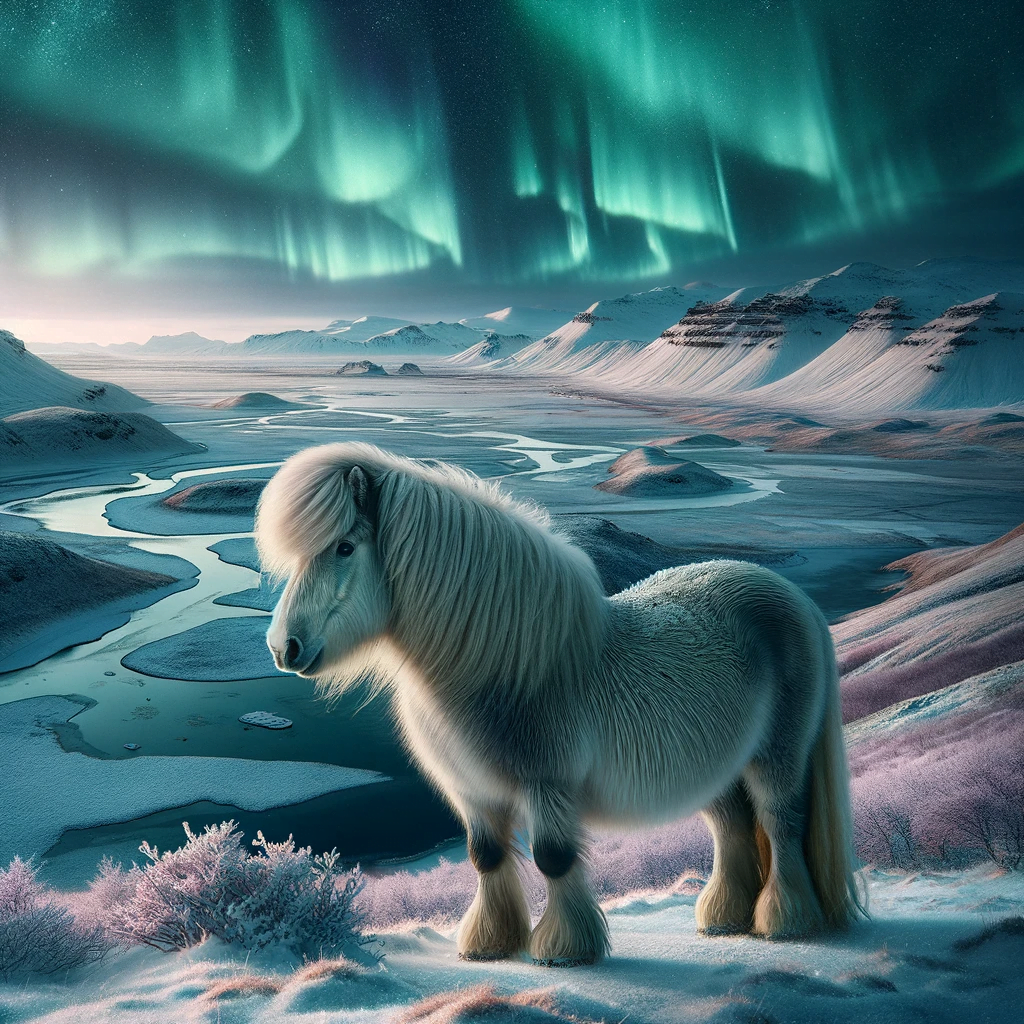
Welcome to the fascinating world of Icelandic horses! Known for their strength, versatility, and beauty, these horses are not just animals; they’re a symbol of Icelandic heritage. Let’s trot into their world and discover what makes them so unique.
1. Unveiling the History of the Icelandic Horse
- Ancient Roots: Originating from the settlers of ninth-century Iceland
- Survival and Strength: How They Adapted to Iceland’s Challenged Landscapes
- Cultural Significance: More than just horses—a part of Icelandic legend and lore.
2. The Icelandic Horse: A Story of Origin
- Viking Companions: Brought to Iceland by Norse settlers
- Purebred Preservation: Centuries of isolation have preserved their unique genetic lineage.
- Role in Icelandic Life: From transport to companionship—integral to Icelandic life through the ages
3. A Kaleidoscope of Colors: Icelandic Horse Varieties
- Diverse Palette: Ranging from black and brown to the rare silver dapple
- Unique Color Names: Discover the traditional Icelandic names for their coat colors.
- Color Changes: How some Icelandic horses change color with seasons or age
4. Distinctive Characteristics of the Icelandic Horse
- Small but Mighty: compact size, yet strong and hardy.
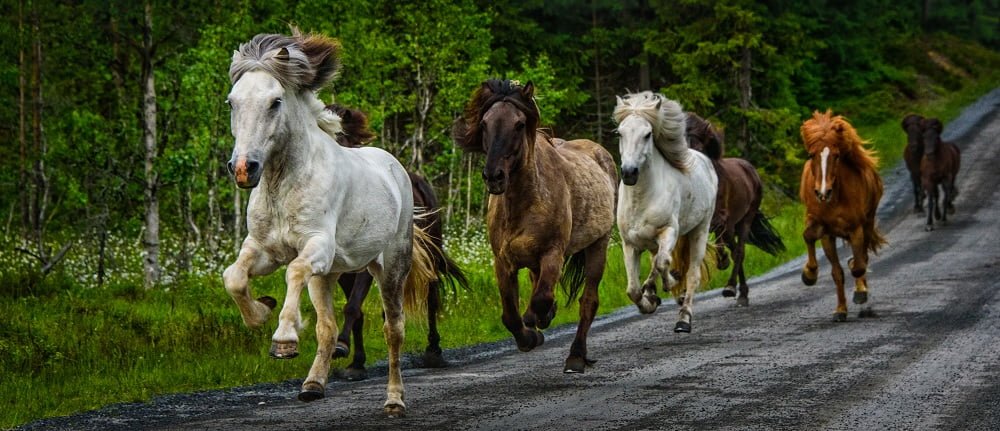
- Five Gaits: Known for their unique additional gaits, the tölt, and the flying pace
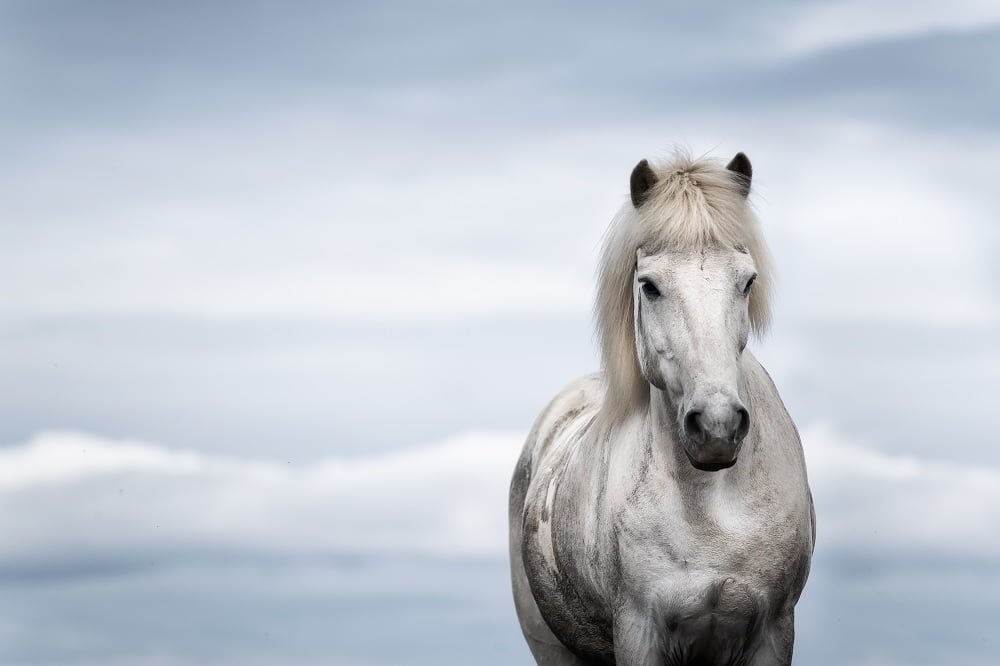
- Double Coat: A thick, double-layered coat protects them from harsh Icelandic weather.
5. The Icelandic Horse Temperament: Gentle and Friendly
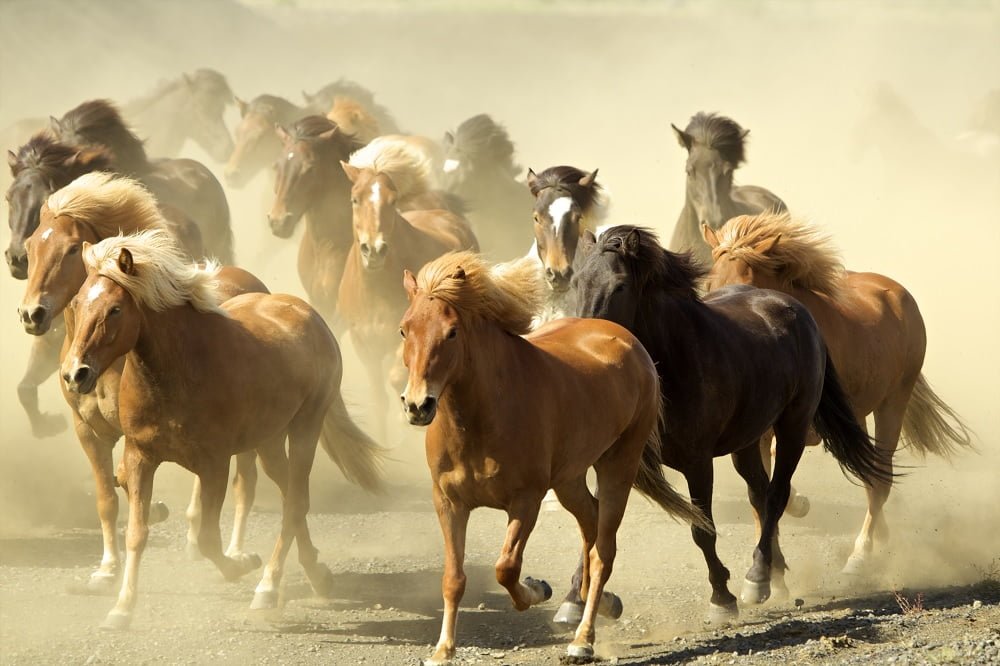
The Icelandic Horse is renowned for its exceptional temperament, which is a hallmark of the breed. These horses are known for being:
Gentle and Friendly: Icelandic Horses are typically very gentle, making them excellent choices for families and riders of all ages. Their friendly nature often makes them a favorite among children and beginner riders.
Calm and Steady: They are known for their calm demeanor. Despite their smaller size, they are not easily spooked and tend to be very steady, which is particularly valuable when riding horse.
Intelligent and Cooperative: These horses are smart and quick learners, making them easy to train. They are known for their willingness to work and cooperate with their handlers and riders.
Versatile and Adaptable: Icelandic Horses are incredibly versatile and able to adapt to various riding styles and environments. They are used in everything from leisure riding to competitive sports, including their unique gait competitions.
Spirited Yet Manageable: While they are generally calm and gentle, Icelandic horses also have a spirited side. They can be energetic and lively, which adds to their charm, but they are still manageable for riders of various skill levels.
Social and amicable: These horses enjoy the company of other horses and humans alike. They tend to do well in a herd and are known for their sociable nature.
Hardy and Resilient: Their temperament is complemented by their hardiness. They are resilient horses, a trait developed from centuries of living in the challenging climates of Iceland.
Trustworthy and Dependable: Icelandic horses are known for being reliable and trustworthy mounts, which, combined with their friendly and calm nature, makes them ideal for therapeutic riding programs.
The combination of these temperament traits makes the Icelandic Horse a beloved breed around the world, suitable for a wide range of equestrian activities, and beloved by all levels of riders.
6. Caring for an Icelandic Horse
- Diet and Nutrition: What keeps them healthy and strong?
- Exercise Needs: Keeping them active and engaged.
- Grooming Tips: Their double coat requires special attention, especially in winter.
7. Icelandic Horses in Modern Times
- Global Popularity: How They’ve Captured Hearts Worldwide.
- Conservation Efforts: Protecting and Preserving This Unique Breed.
- Part of Ecotourism: Their Role in Iceland’s Growing Ecotourism industry.
8. FAQs About Icelandic Horses
1: How old is the Icelandic Horse breed?
The Icelandic horse is one of the oldest breeds in the world, with roots dating back to the 9th and 10th centuries.
2: What is unique about the Icelandic Horse’s gaits?
Besides the common walk, trot, and canter, they uniquely possess the tölt and flying pace, known for their smoothness and agility.
3: Can Icelandic Horses be found outside of Iceland?
Yes, they are popular worldwide, especially in Europe and North America, due to their unique characteristics and temperament.
4: Are Icelandic Horses good for beginners?
Absolutely! They are known for their gentle, friendly temperament, making them suitable for riders of all experience levels.
5: What are the size and weight of an average Icelandic Horse?
They usually stand between 13 and 14 hands tall (52 to 56 inches) and weigh around 730 to 840 pounds.
6: What kind of temperament do Icelandic Horses have?
Icelandic horses are generally known for being friendly, docile, and easy-going, yet spirited and energetic.
7: How long do Icelandic Horses typically live?
They have a long lifespan, often living into their late 20s or early 30s with proper care.
8: What kind of care do Icelandic Horses require?
They need regular exercise, a diet suitable for their size, and standard equine grooming, although they are relatively low-maintenance compared to other horse breeds.
9: Can Icelandic Horses tolerate cold weather?
Yes, they have evolved to endure Iceland’s harsh, cold climate and have a double-layered coat to protect them from extreme temperatures.
10: Are Icelandic Horses used in competitive sports?
Yes, they are often used in various equestrian sports, especially in competitions showcasing their unique gaits like the tölt and flying pace.
Conclusion
The Icelandic horse, a symbol of resilience and beauty, offers a unique equestrian experience. Their rich history and distinctive characteristics make them not just horses but treasures of the natural world.
References and External Links
- Icelandic Horse History and Heritage: Learn about the rich history of Icelandic Horses at Icelandic Horse Historical Society.
- Understanding the Unique Gaits: For detailed information on the tölt and flying pace, visit Icelandic Horse Gaits Explained.
- Global Icelandic Horse Associations: Connect with Icelandic Horse enthusiasts around the world at International Icelandic Horse Federation.
- Care and Management Tips: Find comprehensive care guides for Icelandic Horses at Equine Care Hub.
- Icelandic Horse Breeding and Genetics: Discover breeding information and genetic research at Icelandic Horse Genetics Institute.
- Icelandic Horse Competitions and Sports: Learn about competitive sports involving Icelandic Horses at Icelandic Horse Sports Association.
- Adoption and Rescue Information: For adopting or rescuing Icelandic Horses, visit Icelandic Horse Rescue Network.
- Icelandic Horse Health Studies: Access health and veterinary studies related to Icelandic Horses at Equine Health Research.
- Icelandic Horse Clubs and Riding Tips: Find local clubs and riding tips at Icelandic Horse Riding Club.
- Icelandic Horse Ecotourism: For information on Icelandic Horse-based ecotourism, check out Iceland Horseback Tours.
These external links provide comprehensive resources for anyone interested in learning more about Icelandic Horses, their care, history, and unique characteristics. Additionally, visiting Top Pet Breed will offer further insights into various pet breeds and their fascinating worlds!