




Hey there, duck enthusiasts! Welcome to a splashy adventure into the world of Mallard Ducks. These aren’t your average quackers; they’re a bundle of feathers, fun, and a few surprises.
What Makes Mallard Ducks Special?
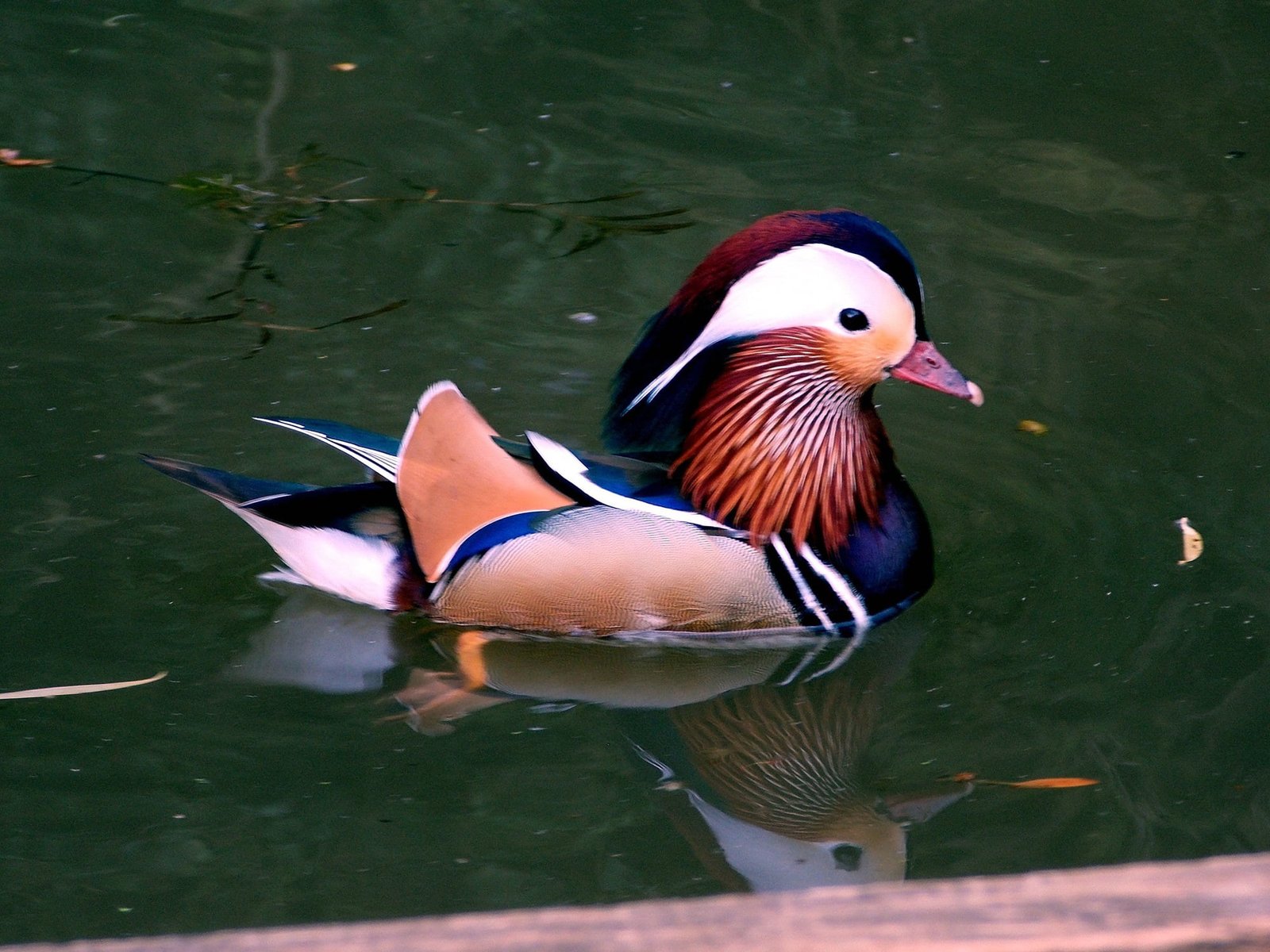
Mallard Ducks aren’t just your regular feathered friends. They’re a fascinating mix of beauty, adaptability, and quirky traits. Let’s dive in and see what sets these ducks apart!
Vibrant Colors
Drakes (Male Ducks): Sporting emerald green heads, crisp white collars, and sunny yellow bills, they’re the show-stoppers of the duck world.
Hens (Female Ducks): Masters of camouflage with their brown-speckled plumage, blending seamlessly into their surroundings.
Distinctive Quacks
Hens Lead the Choir: Known for their loud, echoing quacks. Fun fact: it’s mainly the females who are the vocal ones!
Quiet Drakes: Males keep it low-key with softer, raspy sounds.
Widespread and Welcoming
Global Residents: From North America’s ponds to the waterways of Europe and Asia, they’re global citizens.
City Slickers: These ducks adapt well to urban environments – ever seen them waddling in your local park?
Omnivorous Diet
Diverse Menu: They aren’t picky eaters. Insects, plants, seeds—Mallards munch it all.
Dabbling for Dinner: They feed by dabbling on the water’s surface, not diving deep. It’s a unique feeding style that’s fascinating to watch.
Seasonal Style Changers
Drakes’ Wardrobe Shift: Post-breeding season, males molt into a more subdued, hen-like appearance. Talk about a seasonal wardrobe update!
Nature’s Navigators
Migration Marvels: When the seasons change, Mallards take to the skies, covering impressive distances to find the perfect spot.
Habitat: Where Do Mallard Ducks Thrive?
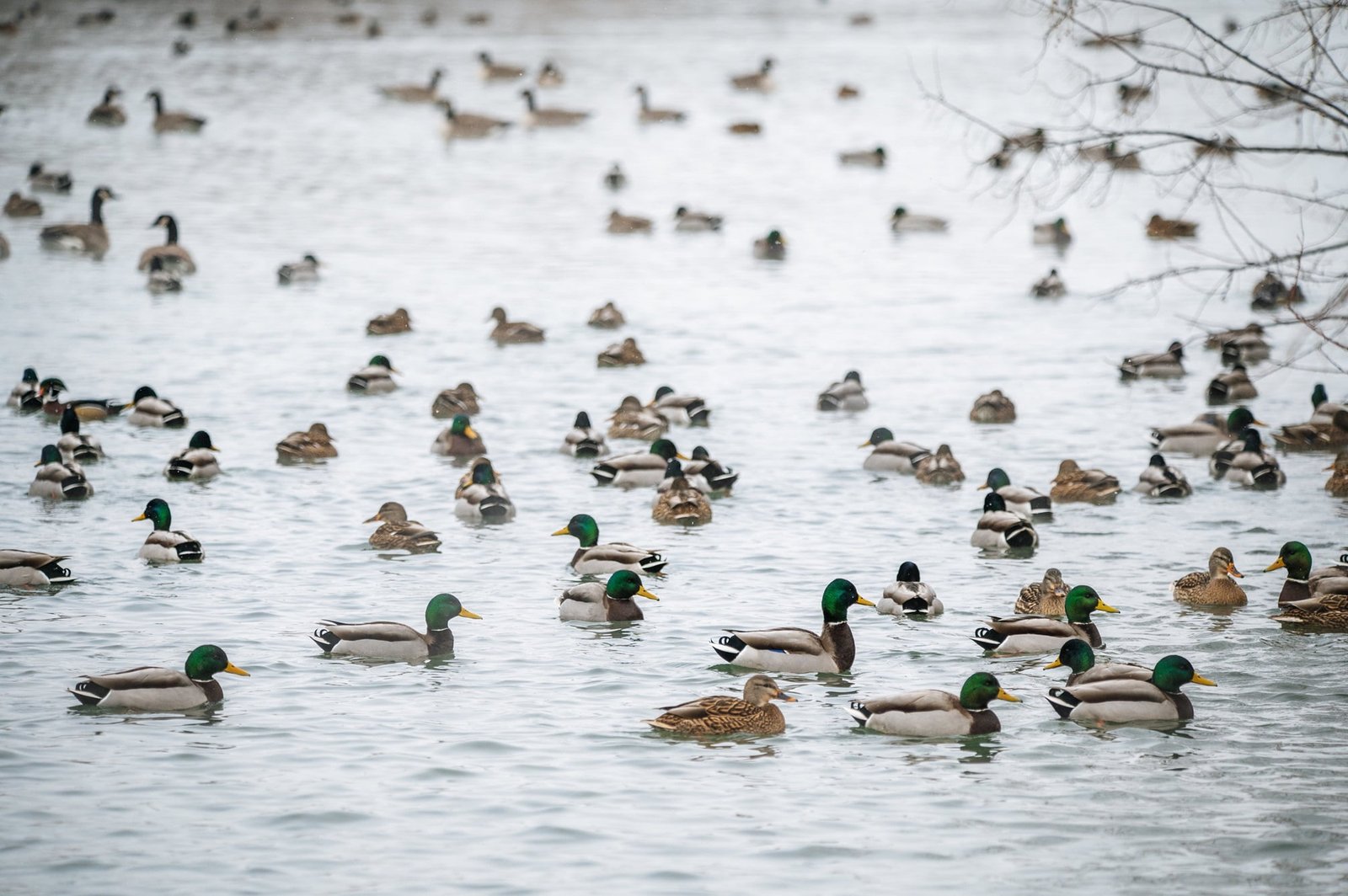
Mallard Ducks are nature’s wanderers, with a habitat range as vast as their adaptability. Here’s a snapshot of where these aquatic adventurers love to hang out:
Water Everywhere
Lakes and Ponds: Calm, freshwater bodies are like five-star resorts for Mallards.
Rivers and Streams: Flowing water? No problem! They navigate these with ease.
Urban Duck Tales
City Parks: Not just country dwellers! These ducks are often the stars of urban green spaces.
Backyard Ponds: With proper care, they can even make a home in your own backyard water feature.
Seasonal Travelers
Migration Routes: As the seasons change, so do their habitats. Mallards are known to travel great distances in search of the perfect seasonal home.
Adapting to the Environment
Flexible Homes: Whether it’s a quiet countryside or a bustling city park, Mallards adapt brilliantly to their surroundings.
Nesting Nooks: Hidden, sheltered areas near water are their top picks for nesting.
Caring for Mallard Ducks
Feeding Frenzy: Balanced diet with grains, greens, and proteins.
Splish-Splash: Access to clean water for swimming and bathing.
Safe Spaces: Secure housing to protect from predators.
Mallard Ducks and Humans
Feathered Friends: Popular in parks and as pets.
Conservation Status: Least Concern, but habitat protection is vital.
What are 5 facts about mallard ducks?

Types of Mallard Ducks
Mallard Ducks, while a distinct species, showcase a variety of types, especially when considering their widespread distribution and the influence of human breeding. Here’s a quick dive into the different types of Mallard Ducks you might encounter:
Wild Mallards
The Classic Wild Type: This is the typical Mallard Duck, with the males featuring bright green heads and the females donning mottled brown plumage.
Mexican Duck: Often considered a subspecies, these resemble the female Mallard but are native to Central America.
Domesticated Variants
Rouen Ducks: Resemble wild Mallards in color but are larger and can’t fly.
Khaki Campbell Ducks: A breed developed from Mallards known for their egg-laying prowess.
Hybrid Mallards
Mallard Hybrids: Mallards are known to interbreed with other duck species, leading to a range of hybrid types with varying features.
Color Variations
Leucistic Mallards: These ducks have a condition causing reduced pigmentation, leading to unusual feather colors.
Black Mallards: Resulting from genetic variations, these ducks have darker plumage.
Why are mallard ducks head green?
Mallard ducks, specifically the males known as drakes, have iridescent green heads as a result of sexual selection, a type of natural selection. Here’s why this distinctive feature is significant:
Attracting Mates: The bright green head is a sign of health and good genetics. In the bird world, vivid and bright colors are often indicators of a strong, healthy individual. Females, or hens, are more likely to choose males with more vibrant plumage for mating, as it suggests that the male has good genes and can find ample food resources.
Iridescence: The green color is iridescent, meaning it can appear differently depending on the angle and intensity of light. This iridescence adds to the attractiveness of the drakes during mating displays.
Contrast with Environment: The green head also provides a striking contrast against the duck’s natural environment, making the males more visible to females during the breeding season.
Sign of Maturity: The development of the green plumage is also a sign that the drake has reached sexual maturity and is ready to breed.
Species Identification: The distinct coloring helps differentiate Mallard drakes from other duck species, both for humans and within the bird community.
10 FAQs About Mallard Ducks
1: Why do male Mallard Ducks have brighter colors?
It’s all about impressing the ladies during the breeding season.
2: Can Mallard Ducks fly?
Absolutely! They’re strong fliers and migrate seasonally.
3: What do Mallard Ducks eat?
A mix of plants, insects, and small fish.
4: How long do Mallard Ducks live?
Typically 5-10 years in the wild.
5: When do Mallard Ducks mate?
Springtime is the season of love for these ducks.
6: Do Mallard Ducks mate for life?
They form seasonal pairs, not lifelong bonds.
7: How can you tell a male from a female?
Males have a green head and yellow bill, while females are brown-speckled.
8: Are Mallard Ducks friendly?
Yes, especially when accustomed to human presence.
9: What threats do Mallard Ducks face?
Habitat loss and pollution are significant threats.
10: Can you keep a Mallard Duck as a pet?
Yes, but they require specific care and a suitable environment.
Conclusion
Mallard Ducks are more than just pretty feathers and quacks. They’re fascinating creatures that bring life to our waters. Interested in learning more? Swing by Top Pet Breeds for all things Mallard and beyond!
References and External Links
The Birds of North America Online” by the Cornell Lab of Ornithology: This resource offers comprehensive details on Mallard Ducks, including their behavior, habitat, and breeding patterns.
Ducks, Geese, and Waterfowl” by Paul A. Johnsgard: This book provides an in-depth look at the various species of waterfowl, including Mallards.
Ducks, Geese, and Waterfowl on Amazon
All About Birds” by The Cornell Lab: An online guide to birds and birdwatching, where you can find species accounts for Mallard Ducks.
Audubon Guide to North American Birds: Offers detailed species information, including on Mallards.
EBird: Provides global birding hotspots and recent sightings, which can be helpful for those looking to observe Mallard Ducks in the wild.
Waterfowl of North America, Europe, and Asia” by Sébastien Reeber: An extensive guide to waterfowl, ideal for those interested in a deeper understanding of Mallards.