


Hey there, horse enthusiasts! Welcome to Pet Breed Hub, where we dive deep into the world of pet breeds with flair and fun. Today, let’s gallop into the world of the Morgan horse, a breed that’s as American as apple pie and as versatile as a Swiss army knife!
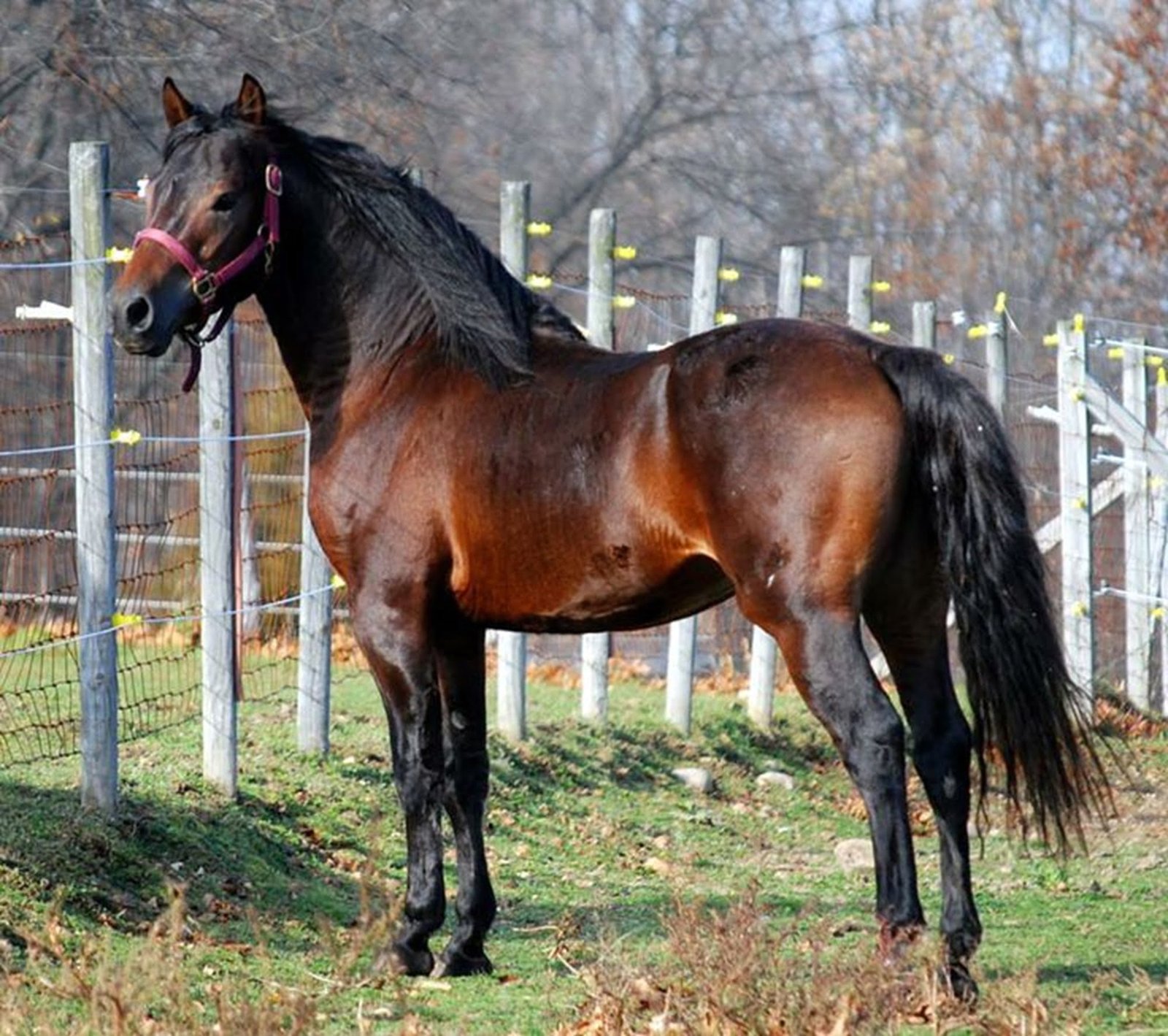
Morgan Horse Origin: The Foundation of an American Legend
🐴 The Birth of a Legend
A Star is Born: It all started with a single stallion named Figure, born in 1789 in Springfield, Massachusetts. Little did anyone know, this colt was destined to become the father of an entire breed.
The Man Behind the Horse: Figure was owned by a teacher and composer, Justin Morgan. Justin’s name would eventually become synonymous with the breed. Talk about leaving a legacy!
🌟 From One, Many
Figure’s Fame: Figure wasn’t just any horse. He was known for his strength, speed, and, let’s not forget, his stunning looks.
The Multiplying Morgans: Thanks to Figure’s impressive traits, he became highly sought after for breeding. His offspring inherited his stellar qualities, laying the foundation for the Morgan breed.
💫 A Breed Takes Shape
Spreading Far and Wide: The Morgan’s reputation for versatility and endurance made them a favorite among settlers, farmers, and even the cavalry!
Official Recognition: By the late 19th century, the Morgan horse was well-established, with breed registries popping up to preserve this remarkable lineage.
An American Icon
Shaping History: Morgans didn’t just create a breed; they helped shape a nation. From tilling farms to charging into battle, they were America’s horses.
A Living Legacy: Today, the Morgan stands as a symbol of American history and equine excellence. From humble beginnings to an equine icon, the Morgan horse truly is a breed like no other.
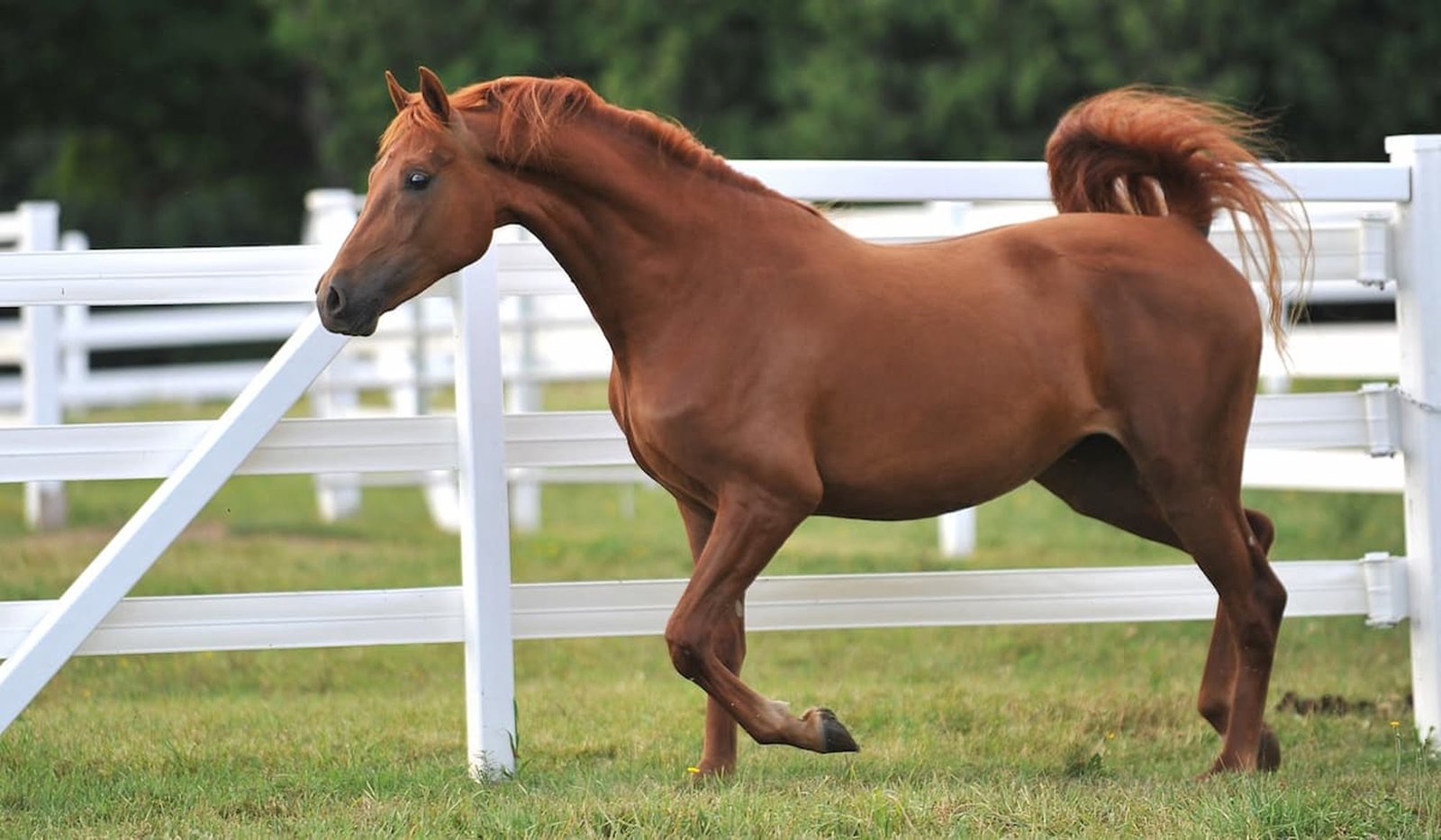
Morgan Horse Diets: Nourishing the Versatile Equine
🍏 Balanced Diet: The Morgan’s Menu
Hay or Grass: The cornerstone of Morgan’s diet is good-quality hay or pasture grass. These provide the essential fibers they need.
Grains and Concentrates: To supplement, a moderate amount of grains like oats or commercially prepared horse feeds can be added, especially for those Morgans with higher energy demands.
Water: Never forget the water! Morgans need constant access to clean, fresh water.
🥕 Treats and Snacks: The Occasional Delights
Healthy Treats: Who doesn’t love treats? Carrots, apples, and even a bit of sugar cubes can be given as occasional treats.
Moderation is Key: Remember, treats should be just that – treats. Don’t overdo it!
🌾 Special Dietary Considerations
Watch the Weight: Morgans are known for their efficient metabolism. Keep an eye on their weight to prevent obesity.
Customized Nutrition: Just like us, each Morgan may have its unique dietary needs. Age, activity level, and health conditions should guide their diet plan.
Morgan Horse Temperament: A Blend of Grace and Grit
🌟 The Heart of a Morgan
A Gentle Spirit: Morgans are renowned for their kind and gentle nature. Approachable and affectionate, they form deep bonds with their human companions.
Brains and Brawn: Smart and willing to learn, Morgans are as intelligent as they are strong. They’re quick learners, making training sessions both rewarding and enjoyable.
🐴 The Morgan Personality
Eager to Please: These equines love to please. Whether it’s learning new tricks or going for a leisurely ride, they thrive on positive interactions.
Calm and Collected: Morgans possess a natural calmness, making them a great choice for novice riders or those looking for a reliable equine partner.
💪 Steadfast and Versatile
Versatility at Its Best: From leisure riding to competitive sports, Morgans adapt seamlessly. They’re as at home on a serene trail as they are in the show ring.
Work Ethic Galore: Bred to be working horses, Morgans have a remarkable work ethic. They tackle tasks with enthusiasm and stamina, a testament to their resilient spirit.
🐎 The Socialite of the Stable
Friendly with Fellow Equines: In the stable, Morgans are known for their sociable nature. They play well with other horses, making them great stablemates.
Gentle with the Young and Old: Their patient demeanor makes them a hit with both the young riders and the older, more experienced equestrians.

Grooming the Morgan Horse: Keeping the Shine and Health
🐴 Regular Brushing: More Than Just Surface Level
A Glossy Coat: Morgans boast a beautiful, shiny coat that requires regular brushing. Use a soft-bristled brush to keep their coat gleaming.
Bonding Time: Brushing isn’t just maintenance; it’s a chance to bond. Morgans enjoy the attention and the gentle strokes, making grooming time a shared pleasure.
💦 Bathing Basics: Less is More
Sparingly Special: Unlike some breeds, Morgans don’t need frequent baths. A good rinse after a sweaty ride or a full bath every few months keeps their skin healthy.
The Right Stuff: When you do bathe them, use a gentle, horse-friendly shampoo. This keeps their skin from drying out and their coat from losing its natural oils.
🦄 Mane and Tail Care: Tangle-Free and Flowing
Detangling the Beauty: Their mane and tail can get tangled. Regular combing with a wide-toothed comb keeps these areas smooth and tangle-free.
Conditioning Counts: A bit of mane and tail conditioner can help keep these areas soft, manageable, and less prone to breakage.
🐎 Hoof Health: The Foundation of Well-being
Regular Trimming: Hoof care is crucial. Regular trimming by a qualified farrier ensures your Morgan doesn’t develop hoof problems.
Clean and Check: Daily cleaning of the hooves helps prevent issues like thrush and allows you to check for injuries or irregularities.
🌟 Final Touches: The Eye for Detail
Eyes and Ears: A gentle wipe around the eyes and ears keeps these sensitive areas clean and irritation-free.
A Spritz of Shine: A light coat of equine coat spray before a show or event adds an extra level of sparkle to your Morgan’s natural beauty.
🌟 FAQs About Morgan Horses
1: How long do Morgans live?
Up to 30 years with proper care!
2: Are they good for beginners?
Absolutely, they’re patient teachers.
3: What colors do they come in?
From bay to black, chestnut to palomino, they wear them all!
4: Can they be kept in stables or need open fields?
Both work, but they love room to roam.
5: Are Morgans expensive?
Prices vary but think of it as investing in a lifelong friend.
6: Do they require special grooming?
Regular grooming is enough to keep them looking fab.
7: Can they handle cold climates?
They’re tough cookies and handle weather changes well.
8: What’s the ideal diet for a Morgan?
A balanced diet with hay, grains, and plenty of water
9: Are they fast runners?
They’re more about endurance than speed.
10: Can Morgans do jumping sports?
Yes, they excel in sports like show jumping!
💡 Key Points to Remember
- Morgans: American as they come, versatile, and super friendly.
- Care: Simple—think quality food, regular exercise, and a loving touch.
- Uses: From sports to snuggles, Morgans are up for anything.
🎉 Conclusion: Why We Love Morgans
In the end, what’s not to love about Morgans? They’re like the Swiss Army knife of the equine world – adaptable, dependable, and always in style. Whether you’re a seasoned equestrian or just starting, Morgans are the perfect partners on your horse-loving journey.
References And External Links
American Morgan Horse Association (AMHA): The AMHA is the official breed registry and offers extensive information on breed standards, history, and care. Visit the AMHA website
The United States Equestrian Federation (USEF): USEF provides resources on different horse breeds, including Morgans, and their involvement in equestrian sports. Explore USEF’s Morgan horse section
The Livestock Conservancy: They offer historical and breed-specific information that includes the Morgan horse. Check out The Livestock Conservancy
Equus Magazine: Equus Magazine provides articles and resources on horse care, training, and breed profiles, including those on Morgan horses. Visit Equus Magazine
Horse Illustrated: This magazine covers a variety of topics related to horse breeds, care, and training, with specific articles on Morgan horses. Explore Horse Illustrated
International Museum of the Horse: They offer a virtual and physical repository of horse history and breeds, including the Morgan. Visit the International Museum of the Horse