





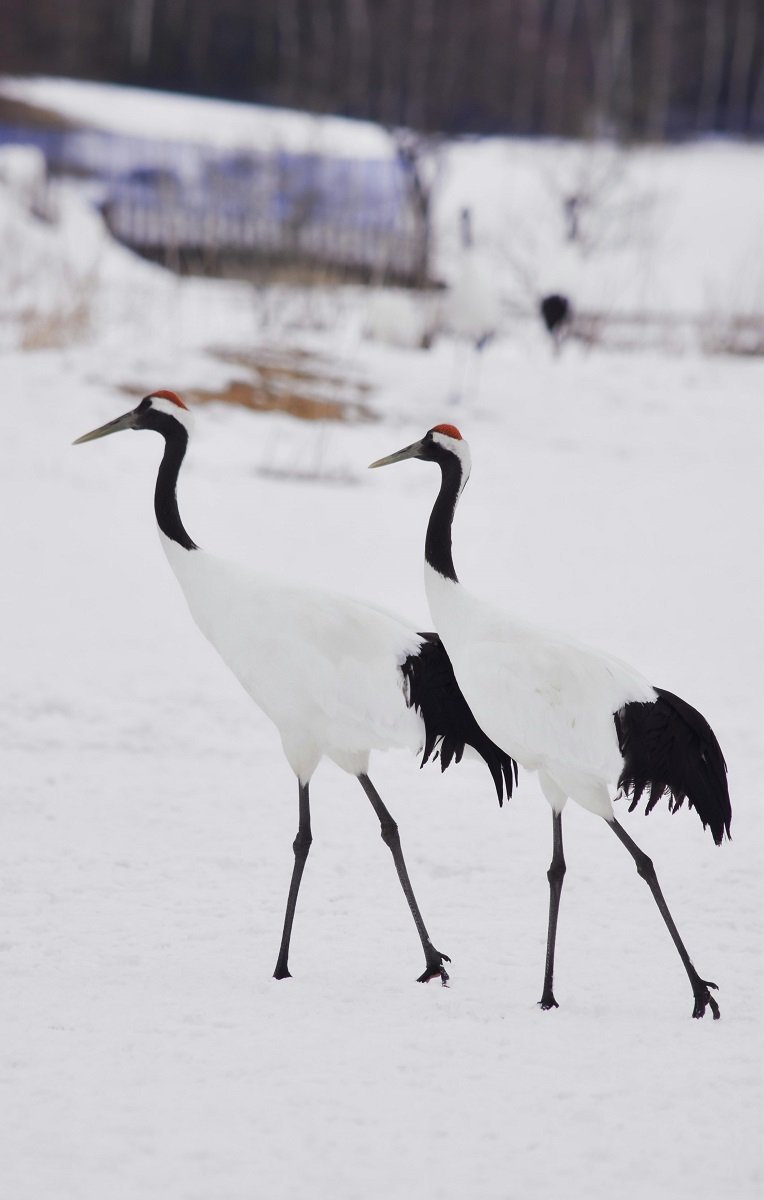
The Red Crowned Crane is one of the world’s most beautiful and majestic birds. It is known for its striking appearance and graceful movements. This bird holds a special place in many cultures, especially in Asia. It is often seen as a symbol of luck, longevity, and peace. In this article, we will explore the life of the Red-Crowned Crane, its habitat, behavior, and the challenges it faces.
What is a Red-Crowned Crane?
| Category | Details |
|---|---|
| Common Name | Red-Crowned Crane |
| Scientific Name | Grus japonensis |
| Class | Aves (Birds) |
| Order | Gruiformes (Cranes, Rails, and Allies) |
| Family | Gruidae (Cranes) |
| Size | 5 feet (1.5 meters) tall |
| Wingspan | 7.5–8.5 feet (2.2–2.6 meters) |
| Weight | 15–26 pounds (7–12 kilograms) |
| Lifespan | 30–40 years in the wild (up to 50+ years in captivity) |
| Habitat | Wetlands, marshes, riverbanks, and grasslands |
| Range | East Asia (Russia, China, Japan, Korea) |
| Diet | Omnivorous (fish, insects, frogs, small mammals, reeds, grasses, grains) |
| Behavior | Social, forms pairs or small groups; known for elaborate dances |
| Reproduction | 1–3 eggs per clutch; both parents care for chicks |
| Nesting | Nests in wetlands; made of reeds and grasses |
| Vocalization | Loud, trumpeting calls; used for communication and bonding |
| Predators | Foxes, raccoons, and large birds (for chicks); humans (habitat destruction) |
| Conservation Status | Endangered (population: ~3,000 in the wild) |
| Unique Features | Red patch on crown, white body, black neck and legs; graceful dancing |
The Red-Crowned Crane is a large bird. It is one of the tallest flying birds in the world. It can grow up to 5 feet tall. Its wingspan can reach up to 8 feet. This makes it an impressive sight when it spreads its wings.
The Red-Crowned Crane is easy to recognize. It has mostly white feathers. Its neck and legs are black. The most striking feature is the red patch on top of its head. This is why it is called the Red-Crowned Crane. The red patch is not made of feathers. It is bare skin. When the crane gets excited, the patch becomes brighter.
Where Do Red Crowned Cranes Live?
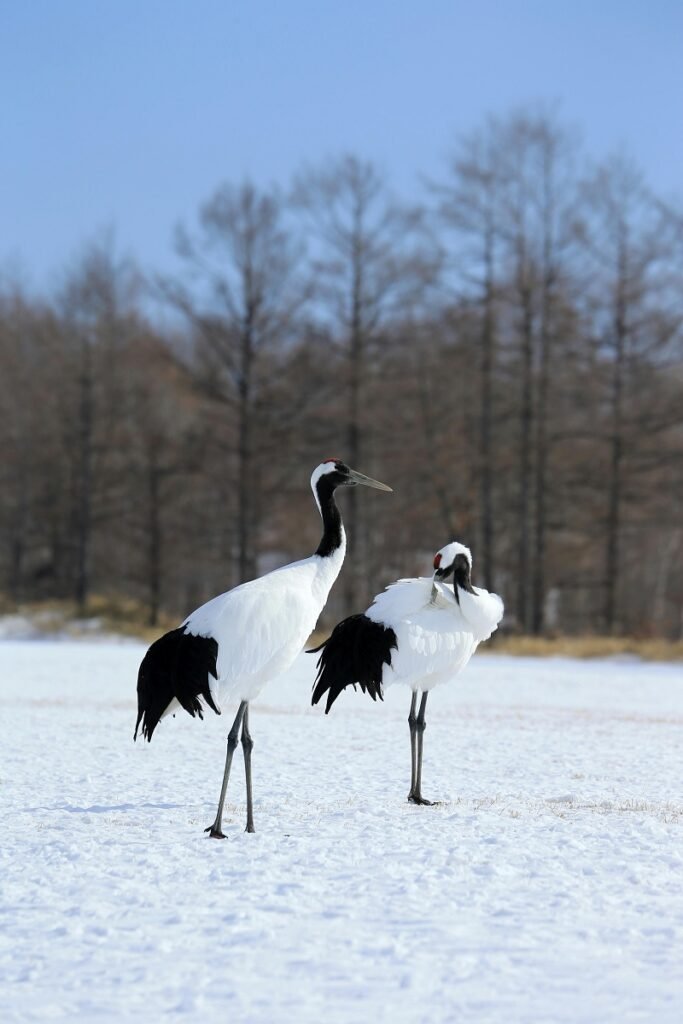
Red crowned cranes are found in East Asia. They live in countries like China, Japan, Russia, and Korea. They prefer wetlands, marshes, and riverbanks. These areas provide them with food and shelter. They need clean water and open spaces to survive.
In the winter, Red-Crowned Cranes migrate to warmer areas. They travel long distances to find food and avoid the cold. Some cranes spend the winter in Korea and Japan. Others go to China. They return to their breeding grounds in Russia and northern China in the spring.
What Do Red Crowned Cranes Eat?
Red crowned cranes are omnivores. This means they eat both plants and animals. Their diet includes fish, insects, frogs, and small mammals. They also eat plants like reeds, grasses, and grains. They use their long beaks to catch prey and pull plants from the ground.
Red-crowned cranes are skilled hunters. They walk slowly through the water, looking for food. When they see something, they strike quickly with their beaks. They are also known to dig in the mud for insects and worms.
Red Crowned Crane Behavior
Red-crowned cranes are known for their graceful movements. They walk slowly and carefully, and their large wings make them look like they are floating in the air. They are also very social birds, often living in pairs or small groups.
One of the most beautiful behaviors of the Red-Crowned Crane is its dance. Cranes perform elaborate dances to attract mates and strengthen bonds. They bow, jump, and flap their wings. They also toss grass and sticks into the air. These dances are a joy to watch.
Red-Crowned Crane Mating and Nesting
Red-crowned cranes usually mate for life and form strong bonds with their partners. During the breeding season, they perform their famous dances, which help them communicate and stay connected.
Once a pair has formed, they build a nest together. The nest is usually made of reeds and grasses. It is built in a wetland or marsh. The female lays 1 to 3 eggs. Both parents take turns keeping the eggs warm. After about a month, the eggs hatch.
The chicks are born with soft, brown feathers. They are not as colorful as the adults. Both parents take care of the chicks, feeding them and protecting them from predators. The chicks grow quickly. In about three months, they are ready to fly.
Red-Crowned Cranes and Humans
Red-crowned cranes have a special relationship with humans. In many cultures, they are seen as symbols of good luck and long life. In Japan, they are called “Tancho.” They are considered sacred and are protected by law.
In China, the Red-Crowned Crane is a symbol of peace and happiness. It is often featured in art and literature. The crane is also associated with immortality. This is because it is believed to live for a thousand years.
Despite their cultural importance, Red-Crowned Cranes face many challenges. Their habitats are being destroyed by human activities. Wetlands are being drained for farming and development. Pollution is also a problem. It affects the water quality and the food supply of the cranes.
Red Crowned Crane Intelligence
Red crowned cranes are very intelligent birds. They have good memories and can recognize individual humans. They are also good at problem-solving. For example, they can figure out how to open containers to get food.
Cranes are also very social. They communicate with each other using a variety of calls. These calls can be heard from far away. They use different calls for different purposes. Some calls are used to warn of danger. Others are used to attract mates or communicate with their chicks.
Red-Crowned Crane Migration
Red-crowned cranes are migratory birds. They travel long distances between their breeding and wintering grounds. Migration is a dangerous time for the cranes. They face many challenges, such as bad weather and predators.
During migration, cranes fly in large groups. This helps them stay safe. They also take turns leading the group. This allows the birds to rest and save energy. Migration is a tiring journey, but it is necessary for the cranes’ survival.
Red-Crowned Crane Lifespan
Red crowned cranes can live for a long time. In the wild, they usually live for about 30 to 40 years. In captivity, they can live even longer. Some cranes have lived for more than 50 years.
The long lifespan of the Red-Crowned Crane is one reason it is seen as a symbol of longevity. In many cultures, it is believed that seeing a crane brings good luck and a long life.
Conclusion
The Red-Crowned Crane is a remarkable bird. It is known for its beauty, grace, and intelligence. It plays an important role in many cultures. It is a symbol of luck, longevity, and peace.
However, the Red Crowned Crane is facing many challenges. Its habitat is being destroyed, and its population is declining. Conservation efforts are needed to protect this magnificent bird.