



Introduction
Welcome to the Pet Breed Hub! Today’s adventure is all about the magnificent Savannah cat. Are you ready to leap into the world of this exotic feline? Let’s go!
Savannah Cats: A Walk Through History 🐆📚
Origin and Breed History
Exotic Ancestry:
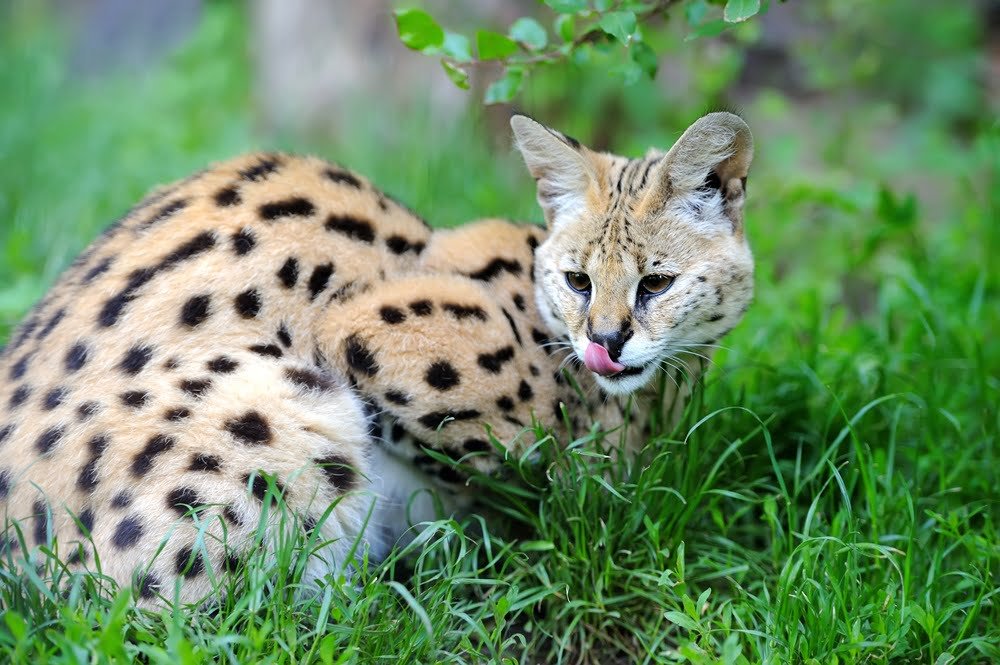
Savannah cats are a striking blend of domestic cats and the wild African serval.
This hybridization creates a unique, large-eared, and spotted cat.
Early Beginnings:
The first known Savannah was born in the 1980s.
Breeder Judee Frank crossbred a male serval with a Siamese domestic cat, producing the first Savannah named ‘Savannah’.
Breed Recognition:
The International Cat Association (TICA) recognized Savannahs in 2001.
They quickly gained popularity for their exotic appearance and dog-like personalities.
Generational Classification:
Savannahs are classified by filial numbers (F1, F2, etc.).
F1 generations are closest to their ancestors, with each subsequent generation being further removed.
Global Presence:
Initially a rare breed, Savannah cats have now gained a global following.
Their distinctive look and friendly nature make them sought-after pets worldwide.
Spotlight on Savannah Cats: Physical Charm 🐾🌟
Physical Characteristics
Stature and Size:
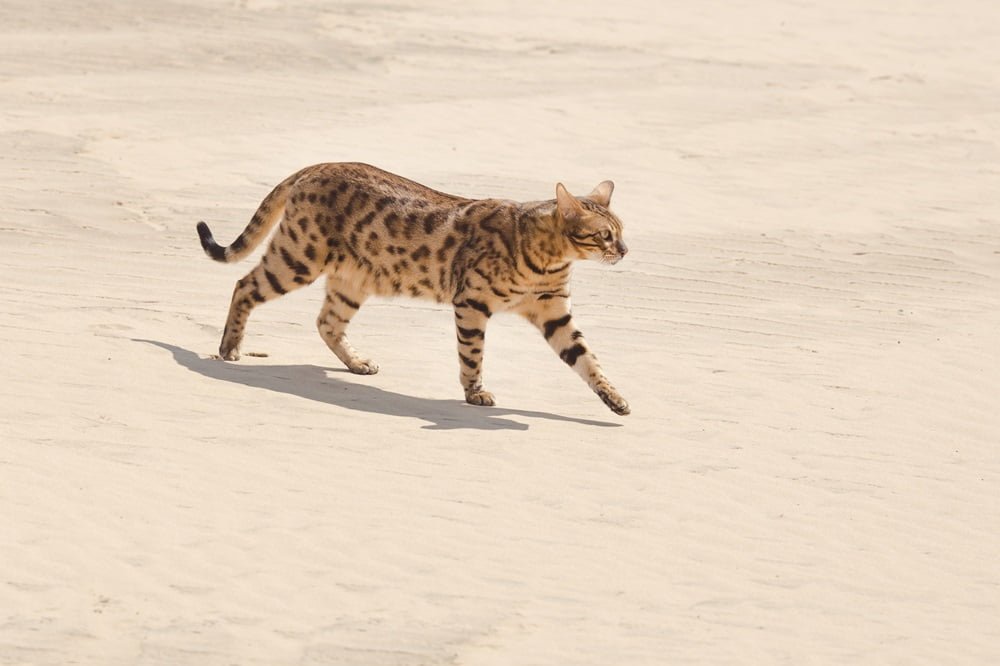
Notably larger than typical house cats.
Males can weigh between 15-20 pounds, and females slightly less.
Distinctive Coat:
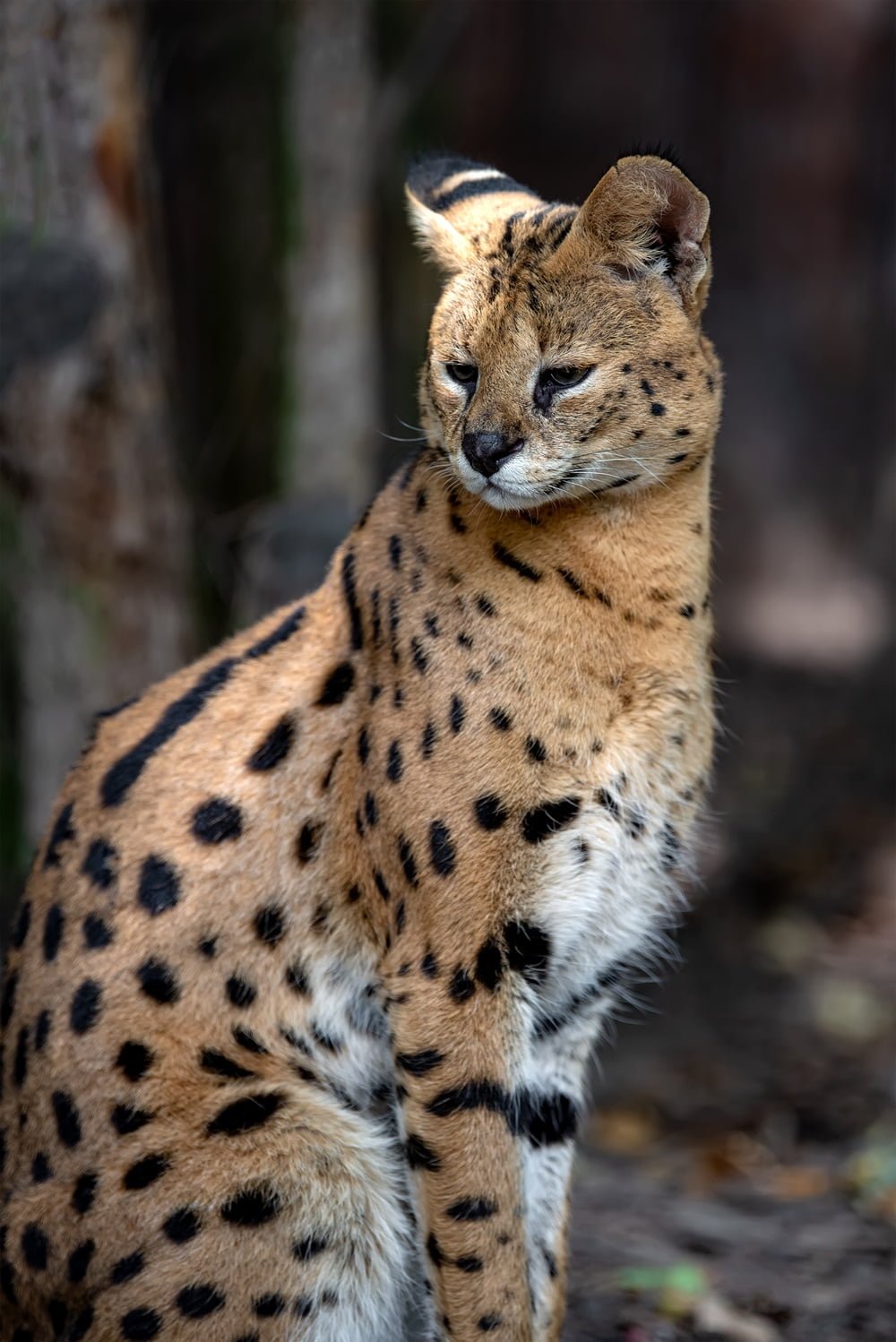
Their hallmark is the spotted and striped coat.
Coat colors range from golden to silver, black, and smoke.
Elegant Posture:
Long, lean bodies exude grace and power.
Tall and slim legs are perfect for agile movements.
Striking Features:
Large, perked ears reminiscent of their serval ancestors.
Bright, expressive eyes, often in shades of green, gold, or amber.
Tail Talk:
Medium-length tails, often with rings or spots.
Adds to their balanced and elegant appearance.
Generational Differences:
F1 and F2 generations show more prominent wild traits.
Later generations (F3, F4) may have more subdued features.
Savannah Cats: Personality Unleashed 😸💫
Personality and Behavior
Active and Agile:
Savannahs are known for their high energy and playfulness.
Love to climb and explore, making them fun and entertaining companions.
Intelligent and Inquisitive:
Quick learners are often able to master tricks and commands.
Curiosity drives them to explore every nook and cranny of their home.
Sociable Nature:
They thrive on interaction and bond deeply with their owners.
Known to be friendly with children and other pets, especially when socialized early.
Loyal Companions:
Often compared to dogs in their loyalty and affection.
May follow their owners around the house, seeking attention and play.
Vocal Expressions:
Not overly noisy, but will communicate with distinct chirps and meows.
Their vocalizations can be quite engaging and interactive.
Unique Traits:
Some love water and may even join you for a bath!
Their leaping ability is impressive; they are able to jump high and far.
Savannah Cats: Care and Nutrition Guide 🍲🌿
Care and Nutrition
Dietary Needs:
High-protein diet to match their high energy.
Quality cat food, both dry and wet, is supplemented with occasional raw meats.
Hydration is key.
Ensure constant access to fresh water.
Savannahs may enjoy water fountains for drinking.
Feeding Routine:
A regular feeding schedule, twice a day, is optimal.
Avoid overfeeding; maintain portion control based on activity level.
Exercise and Play:
Daily play sessions to burn off energy.
Provide climbing structures and interactive toys.
Grooming Essentials:
Despite their short coats, regular brushing helps reduce shedding.
Occasional baths, nail trimming, and ear cleaning are recommended.
Environmental Enrichment:
Create a stimulating environment with perches and hideaways.
Window views and outdoor enclosures enrich their living space.
Savannah Cats: A Peek into Their Health 🌡️🐾
Health Considerations
Robust Health:
Generally healthy with a lifespan of 12–20 years.
Good genetics thanks to mixed ancestry.
Preventive Care:
Regular vet check-ups are essential.
Keep up with vaccinations and routine parasite control.
Common Health Issues:
Some may inherit heart issues like hypertrophic cardiomyopathy.
Be aware of urinary tract problems and ensure proper hydration.
Diet and exercise:
A balanced diet prevents obesity, a common issue in pets.
Adequate exercise is vital for mental and physical well-being.
Mental Health:
Savannah needs mental stimulation to avoid stress and boredom.
Interactive toys and challenges keep their minds active.
Genetic Testing:
Consider genetic testing for inherited conditions.
Early detection can help in managing potential health issues.
Living with a Savannah Cat: Harmony at Home 🏠🐱
Living with a Savannah Cat
Space to Roam:
These energetic cats need ample room to play and explore.
Consider cat trees, shelves, and safe outdoor enclosures.
Social Interaction:
foster human interaction and companionship.
Enjoy being part of family activities.
Training and intelligence:
Highly trainable and responds well to positive reinforcement.
Can learn tricks, walk on a leash, and even play fetch.
Compatibility with pets:
Generally good with other pets, especially when introduced early.
Monitor interactions with smaller animals due to their hunting instincts.
Child-Friendly Nature:
Typically good with respectful children.
Teach kids how to interact gently and respectfully with them.
Adaptability:
Adapts well to different living environments.
Keep their environment stimulating to prevent boredom.
Travel-Friendly:
Can adapt to traveling with proper training and socialization.
Use a secure carrier and ensure they are comfortable.
🔍 FAQs About Savannah Cats
1: How big do Savannah Cats get?
Savannah Cats are larger than average domestic cats. Males can weigh between 15-20 pounds and are typically larger than females. The size often depends on their generation, with the F1 and F2 generations being the largest.
2: Are they good with kids?
Yes, Savannah cats are generally good with children, especially if they are raised with them from a young age. Their playful and social nature makes them great companions. However, interactions should always be supervised, especially with younger children.
3: What do they eat?
Savannah cats require a high-protein diet. They can be fed high-quality commercial cat food, both dry and wet. It’s also beneficial to supplement their diet with raw meat occasionally, as their digestive system is well-suited for raw food.
4: How much exercise do they need?
They are highly energetic and need significant daily exercise. Play sessions, interactive toys, and space to climb and explore are essential for their physical and mental well-being.
5: Are they loud cats?
Savannah Cats are not particularly loud, but they are more vocal than some other cat breeds. They may chirp, meow, and make other unique vocalizations, especially when seeking attention or during play.
6: Can they be trained?
Yes, Savannah cats are known for their intelligence and trainability. They can learn to respond to commands, walk on a leash, and even perform tricks, similar to dogs.
7: Do they need a special diet?
While they don’t require a specialized diet, their high energy levels and metabolism mean they benefit from a high-protein diet. Quality commercial cat foods designed for active cats are usually suitable, supplemented with raw or cooked meats.
8: How long do they live?
The lifespan of a Savannah cat typically ranges from 12 to 20 years, depending on their health, diet, and living conditions.
9: Can they go outside?
Savannah cats can go outside, but it should be in a controlled environment. Due to their curious nature and tendency to explore, it’s safer to have a secure outdoor enclosure or supervised outings.
10: Are they hypoallergenic?
No cat breed is completely hypoallergenic, including Savannah cats. However, some people with mild allergies may find that they react less to Savannah cats compared to other breeds, possibly due to their unique coats. It varies from person to person.
✨ Conclusion
Savannah cats, a blend of wild and domestic, bring a unique flair to any home. Remember, they need love, space, and lots of play!
References And External Links
Official Breed Associations: For detailed information on Savannah cats, including size, behavior, and care, the International Cat Association (TICA) website is a great resource. TICA is the organization that officially recognizes the Savannah cat breed.
Veterinary Resources: Websites like Vetstreet or PetMD often have breed-specific information and can provide insights into the health and dietary needs of Savannah cats.
Cat Enthusiast Forums and Websites: Platforms like TheCatSite.com or Catster have communities of cat enthusiasts and experts who share their experiences and knowledge about living with different breeds, including Savannah cats.
Books and Publications: Books authored by feline experts or veterinarians can offer in-depth information. Check out titles specific to Savannah Cats or hybrid cat breeds.