



Welcome to the Pet Breed Hub. Today, let’s wag our tails into the world of Shih Tzu dogs. These fluffy pals have a story that’s as interesting as their adorable faces!
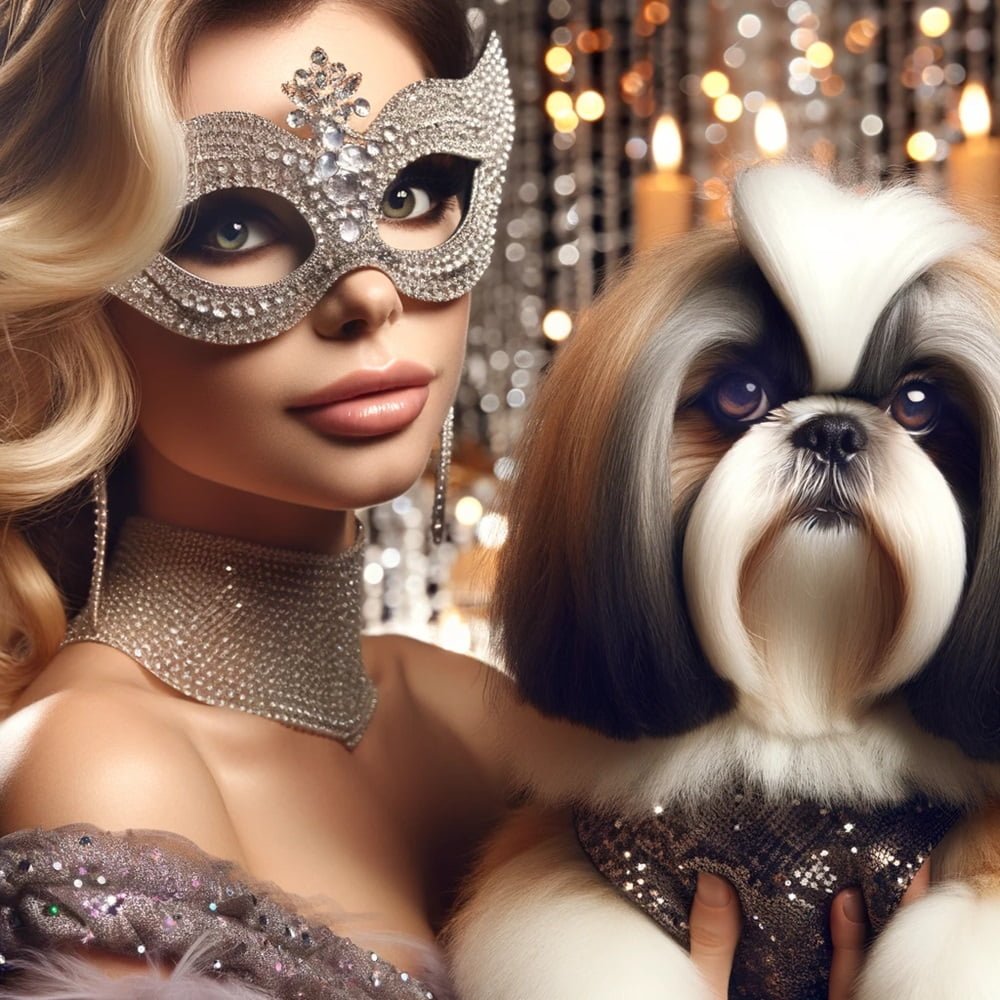
Origins of Royalty: The Shih Tzu’s Regal Past
Ancient Chinese Beginnings: Shih Tzus trace back to Tibet and China. They were treasured by Chinese royalty, especially during the Ming and Qing dynasties.
Royal Companions: These pups were more than just pets; they were symbols of majesty and were often gifted to Chinese emperors and nobles.
Buddhist Monks’ Role: In Tibetan Buddhism, Shih Tzus were seen as sacred, often residing in monasteries, and considered good luck charms.
The Forbidden City’s Pets: Many Shih Tzus lived in luxurious settings like the Forbidden City, pampered and adored by the imperial family.
Cross-continental Journey: From their royal Chinese origins, Shih Tzus eventually journeyed to the West in the 20th century, gaining worldwide popularity.
Looks to Bark About: The Shih Tzu’s Charming Appearance
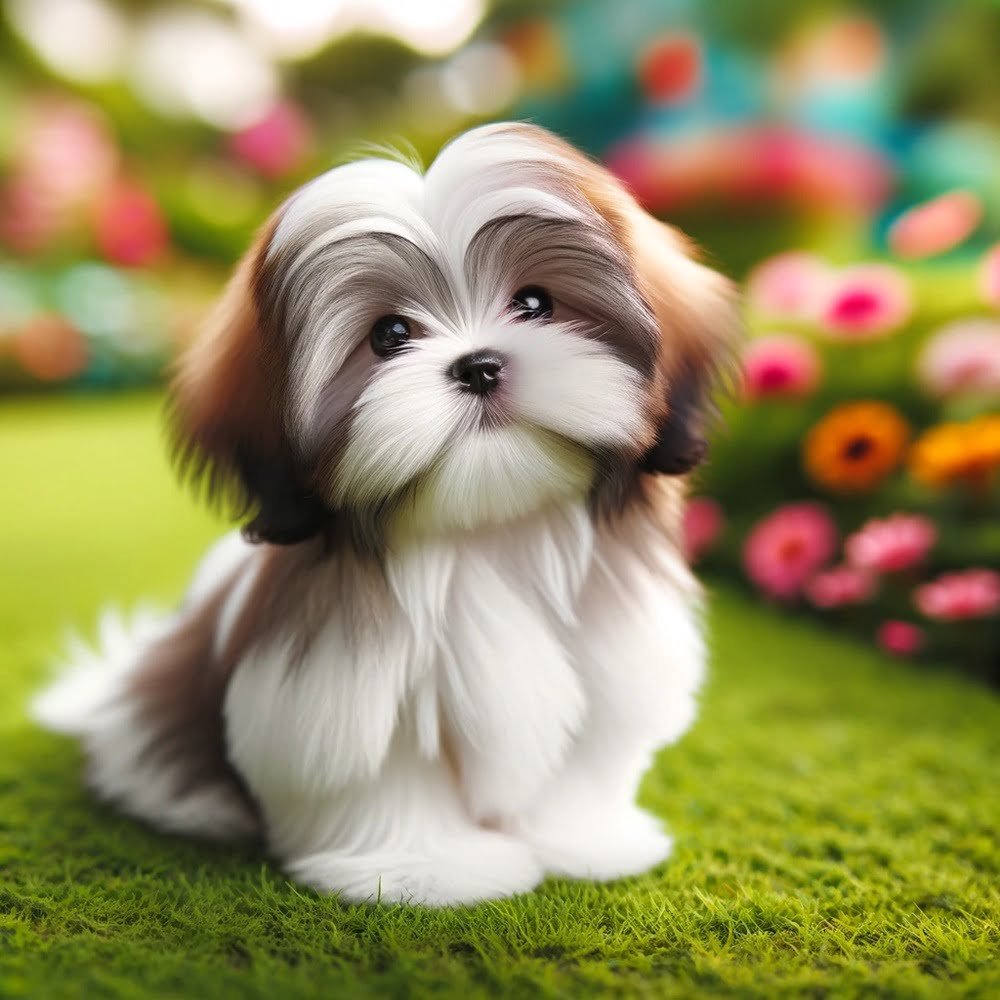
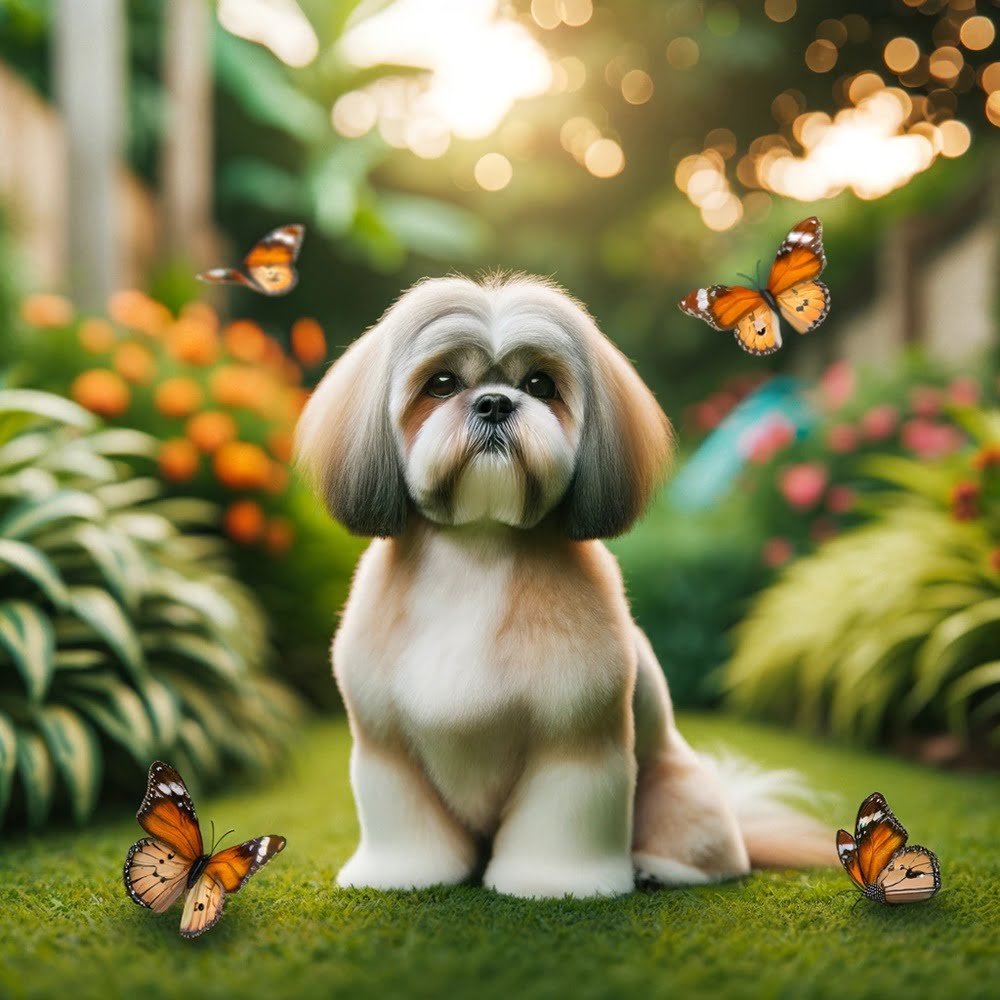
Luxurious Coat: One of the Shih Tzu’s most distinctive features is its beautiful, flowing coat. Silky and long, it’s a sight to behold and comes in a variety of colors, including white, black, gold, and combinations thereof.
Face of Cuteness: With their sweet, round faces and large, dark eyes, Shih Tzus exudes an expression full of warmth and friendliness. Their small, upturned noses and distinctive beard and mustache add to their unique look.
Compact Size: Shih Tzus are a small breed, typically weighing between 9 to 16 pounds. Their compact size makes them perfect companions for apartment living or for those who prefer smaller dogs.
Proud Stance: Despite their small size, Shih Tzus carry themselves with a proud, regal posture, reflecting their royal history. Their tails, which often curl over their backs, add to their elegant appearance.
Variety in Hairstyles: Owners often enjoy styling their Shih Tzu’s hair in various ways, from the practical “puppy cut” to elaborate show styles, showcasing the breed’s versatility and adaptability in appearance.

Personality Plus: The Endearing Traits of Shih Tzus
Affectionate Companions: Known for their loving and affectionate demeanor, Shih Tzus thrive on human interaction and enjoy being part of the family. They form strong bonds with their owners and are great cuddle buddies.
Playful and Spirited: Despite their small size, Shih Tzus has a playful and spirited personality. They love playing games and can be quite energetic, bringing a lively presence to any home.
Intelligent and Alert: These dogs are smart and quick to learn. They respond well to training, especially when it’s combined with positive reinforcement and treats.
Gentle and Good-Natured: Shih Tzus are known for their gentle and patient temperament, making them great pets for families with children or for those seeking a calm and friendly companion.
Social Butterflies: They generally get along well with other pets and people, showcasing their social nature. Proper socialization from a young age helps them develop into well-rounded dogs.
Loyal Protectors: While they are not guard dogs, Shih Tzus are quite loyal and can be protective of their family, often alerting them to any unusual activity around the home.
Caring for Your Shih Tzu: Essential Tips for a Healthy, Happy Pet
Grooming Needs: Shih Tzus require regular grooming due to their long, luxurious coat. Daily brushing prevents tangles and mats, and many owners opt for professional grooming to maintain a healthy, manageable coat.
Bathing Routine: Regular baths are important for keeping their coat clean and their skin healthy. Use a gentle dog shampoo and ensure a thorough rinse to avoid irritation.
Dental Health: Dental care is crucial for Shih Tzus. Regular brushing of their teeth and dental check-ups can prevent common dental issues.
Exercise Requirements: Despite their small size, Shih Tzus needs daily exercise to stay healthy and happy. Short walks and play sessions are ideal for their energy levels.
Diet and Nutrition: A balanced diet suitable for small breeds is essential. Portion control is important to prevent obesity, a common issue in smaller dogs.
Eye Care: Their large, prominent eyes can be prone to irritation. Keeping the hair around their eyes trimmed and cleaning their eyes regularly can help prevent problems.
Training and Socialization: Early training and socialization are important for Shih Tzus. They respond well to positive reinforcement techniques.
Health Check-Ups: Regular veterinary check-ups help monitor their health and catch any issues early. Vaccinations, flea, and worm treatments are part of essential care.
Fun Facts About Shih Tzus: Delightful Trivia for Dog Lovers
Name Origins: “Shih Tzu” translates to “Lion Dog” in Mandarin, a name given for their resemblance to Chinese guardian lion statues.
Royal Roots: These dogs were bred to resemble lions, which hold great importance in Buddhist mythology. This is one reason they were favored by Chinese royalty.
Distinctive Coat: Unlike most other dog breeds, Shih Tzus have hair that is more similar to human hair than fur, which is why they often require haircuts just like humans!
Famous in Art: Shih Tzus have been featured in ancient Chinese paintings and tapestries, showcasing their long-standing cultural significance.
Hypoallergenic Qualities: Their hair-like coat makes them a popular choice for people with allergies, as they tend to shed less than other breeds.
Unique Foot Structure: Shih Tzus have a very distinctive foot structure, with their feet being described as “chrysanthemum-like” due to the way their hair grows in a circular pattern around the paw.
World Travelers: These dogs have traveled the world and were even gifts to royalty and nobility in countries outside of China, spreading their charm globally.
Celebrity Favored: Throughout history, Shih Tzus have been the pets of choice for numerous celebrities and public figures, admired for their elegance and companionship.
Longevity: Shih Tzus are known for their relatively long lifespan, often living into their mid-teens or even longer with proper care.
Breed Variations: While the classic Shih Tzu is quite popular, there are also several variations of the breed, including the Teacup Shih Tzu, known for its smaller size.
Grooming Your Shih Tzu: Essential Tips for a Healthy, Beautiful Coat
Regular Brushing: Due to their long, flowing coat, Shih Tzus require daily brushing to prevent tangles and mats. Using a high-quality brush suitable for long hair is key.
Bathing Routine: Shih Tzus should be bathed every three to four weeks. It’s important to use a gentle, dog-specific shampoo to maintain the health of their skin and coat.
Haircuts and Trims: Many Shih Tzu owners opt for professional grooming every six to eight weeks for haircuts, especially to keep the hair around the eyes trimmed, ensuring clear vision and preventing irritation.
Ear Care: Regular cleaning of the ears is essential to prevent infections, especially since their long hair can trap moisture and debris.
Nail Clipping: Their nails should be trimmed regularly to prevent discomfort and mobility issues.
Dental Hygiene: Like all breeds, dental care is crucial for Shih Tzus. Regular brushing of their teeth can prevent dental diseases and maintain their overall health.
Paw Care: Checking and cleaning their paws, especially after walks, helps to remove any debris and prevent irritation.
FAQs About Shih Tzus
1: How long do Shih Tzus typically live?
Shih Tzus generally have a lifespan of 10 to 16 years.
2: Are Shih Tzus good for allergy sufferers?
Yes, their hair-like coat is considered hypoallergenic, making them a good choice for many allergy sufferers.
3: Do Shih Tzus require a lot of grooming?
Yes, their long coat requires regular grooming, including daily brushing and frequent baths.
4: Are Shih Tzus easy to train?
They can be stubborn, but with consistent, positive training methods, they learn well.
5: Can Shih Tzus live in apartments?
Absolutely, their small size and moderate exercise needs make them ideal for apartment living.
6: How much exercise does a Shih Tzu need?
They need moderate exercise, including daily walks and playtime.
7: Do Shih Tzus get along with other pets?
Generally, yes, especially if they’re socialized from a young age.
8: What health issues are Shih Tzus prone to?
They can be prone to dental issues, respiratory problems, and eye ailments.
9: Are Shih Tzus good with children?
Yes, they’re known to be good with children, but interactions should always be supervised, especially with younger kids.
10: What is the best diet for a Shih Tzu?
A balanced diet formulated for small breeds is typically recommended for Shih Tzus.
Conclusion
Shih Tzus are not just dogs; they’re fluffy bundles of joy with a royal lineage. They’re perfect for cuddle sessions and will fill your home with love and playful energy.
References and External Links
Shih Tzu Training Tips: Discover effective training techniques for your Shih Tzu at the Shih Tzu Training Academy.
Adopting a Shih Tzu: For adoption options and rescue centers specializing in Shih Tzus, visit the Shih Tzu Rescue Network.
Shih Tzu Health Forum: Join discussions and find advice on Shih Tzu health concerns at Shih Tzu Health Community.
Shih Tzu Styling and Grooming: Explore grooming styles and find professional groomers at Stylish Shih Tzus.
Shih Tzu-Friendly Products: Find products specifically designed for Shih Tzu, from food to toys, at Shih Tzu Essentials.
Shih Tzu Meetups and Events: Stay informed about Shih Tzu gatherings and events in your area at Shih Tzu Club.
Interactive Shih Tzu Community: Share stories, and photos, and connect with other Shih Tzu owners at Shih Tzu Lovers Hub.