






Starfish, also known as sea stars, are some of the most intriguing and iconic creatures found in oceans around the world. Despite their name, they are not fish; they belong to a group of marine animals called echinoderms, which also includes sea urchins and sand dollars. With over 2,000 known species, they can be found in a wide range of ocean environments, from shallow tidal pools to the deep sea. Their unique body structure, extraordinary regenerative abilities, and ecological importance make them a favorite subject of marine biologists and ocean enthusiasts alike.
Are Starfish Really Fish?
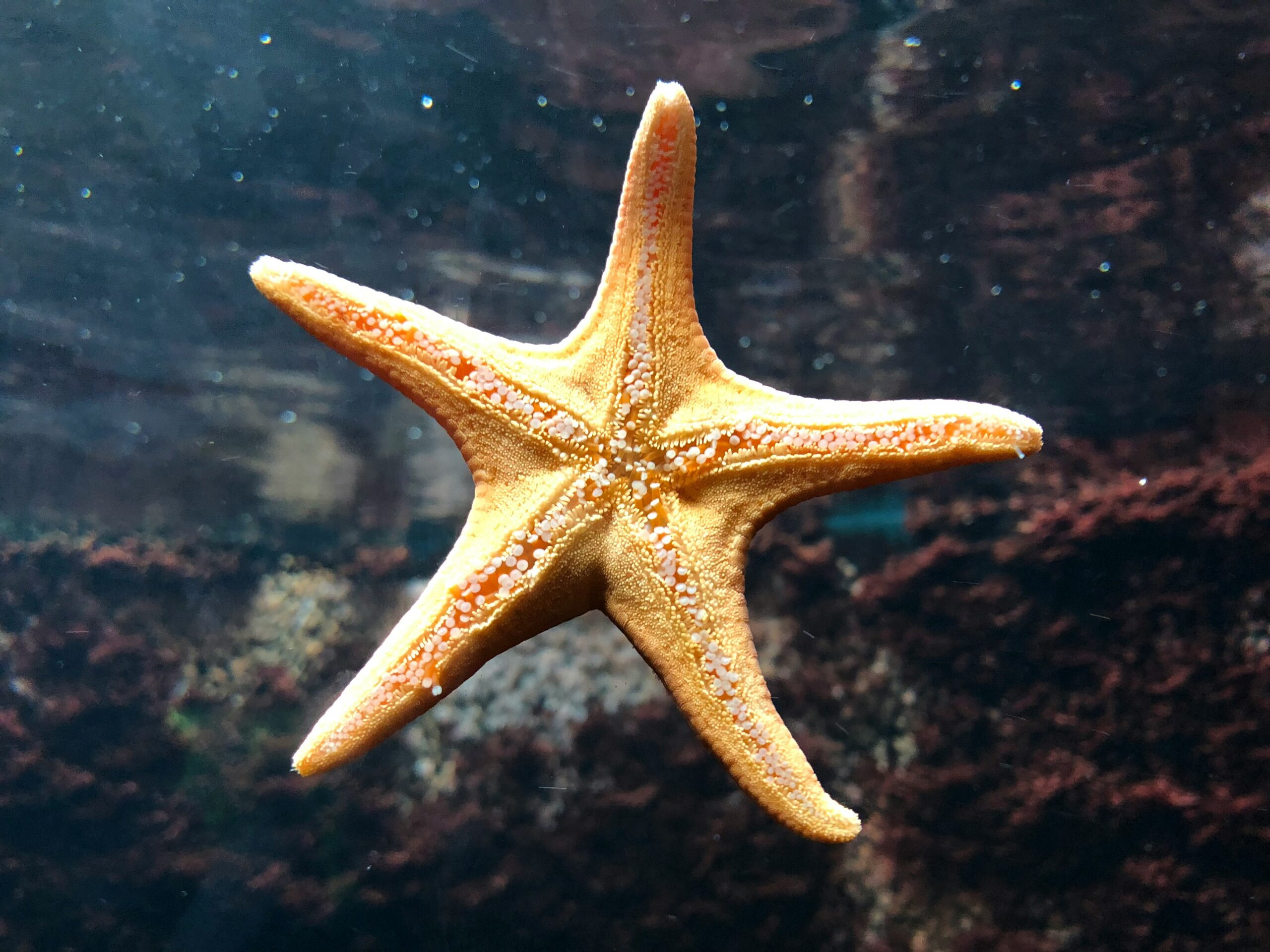
One of the most common misconceptions is that starfish are fish. They are invertebrates with no backbone, gills, or fins. Unlike fish, starfish use a hydraulic water vascular system to move, relying on tiny tube feet located on the underside of their arms. These tube feet help them grip surfaces, move slowly across the seafloor, and even open the shells of prey like clams and oysters.
Anatomy and Features
Starfish typically have five arms radiating from a central disc, although some species can have as many as 10, 20, or even 40 arms. Their bodies are covered in tough, spiny skin, which protects predators. On the underside of each arm are rows of tube feet used for locomotion and feeding. They have no brains or blood, but they do have a simple nervous system and rely on seawater to circulate nutrients and oxygen.
At the tip of each arm is a light-sensitive eyespot that helps them sense its surroundings. While their vision is very basic, it allows them to detect light and dark, aiding in navigation.
Incredible Regeneration Ability
One of the most fascinating features of starfish is their ability to regenerate lost arms and, in some cases, entire bodies. If a starfish loses an arm due to predation or injury, it can regrow it over time. Some species can even regenerate from a single arm and a portion of the central disc, essentially creating a whole new starfish. This remarkable regeneration not only aids in survival but also plays a role in reproduction for certain species.
Habitat and Distribution
Starfish are found in oceans across the globe, from tropical coral reefs to polar waters. They inhabit a variety of marine environments, including:
-
Rocky shorelines
-
Coral reefs
-
Seagrass beds
-
Deep-sea floors
They prefer the seafloor, where they can cling to rocks or burrow into sediment. Some species have adapted to live in extremely deep waters, thriving in total darkness under immense pressure.
What Do Starfish Eat?
Starfish are primarily carnivorous, feeding on mollusks such as clams, oysters, and snails. They are known for their unique feeding method: starfish can evert their stomachs, pushing them outside their body to envelop and digest prey externally before pulling the stomach back in. This adaptation allows them to consume animals with hard shells, making them efficient predators.
Some species are omnivorous or scavengers, feeding on detritus and decaying organisms, helping to clean the ocean floor and maintain a balanced marine ecosystem.
Reproduction and Life Cycle
Starfish reproduce both sexually and asexually. In sexual reproduction, males and females release sperm and eggs into the water column, where fertilization occurs. The fertilized eggs develop into free-swimming larvae before settling onto the ocean floor and transforming into juvenile starfish.
Asexual reproduction, which involves regenerating from severed arms, is common in some species and contributes to their resilience. They have varying lifespans, with some species living up to 35 years in the wild.
Threats and Conservation
While many starfish populations are stable, some face threats from climate change, pollution, habitat destruction, and a mysterious condition known as Sea Star Wasting Syndrome (SSWS). This disease causes lesions, arm loss, and death in large numbers, especially along the Pacific coasts of North America.
Conservation efforts focus on protecting marine habitats, monitoring disease outbreaks, and mitigating human impacts such as pollution and overfishing, which indirectly affect starfish and other marine life.
Fun Facts
Starfish can live without a brain or heart, relying on a decentralized nerve net.
Some species, like the sunflower sea star, can grow up to 1 meter in diameter and have up to 24 arms.
Starfish can detect smells through receptors on their tube feet.
They move slowly, at an average speed of 4-5 inches per minute.
FAQs
Can they feel pain?
They lack a centralized brain, but they have a nerve net that can respond to stimuli. Whether they “feel” pain like humans is still debated.
How long does it take to regenerate a limb?
It can take several months to over a year, depending on the species and environmental conditions.
Where can I see starfish in the wild?
You can find them in tide pools, coral reefs, and along rocky coastlines around the world