





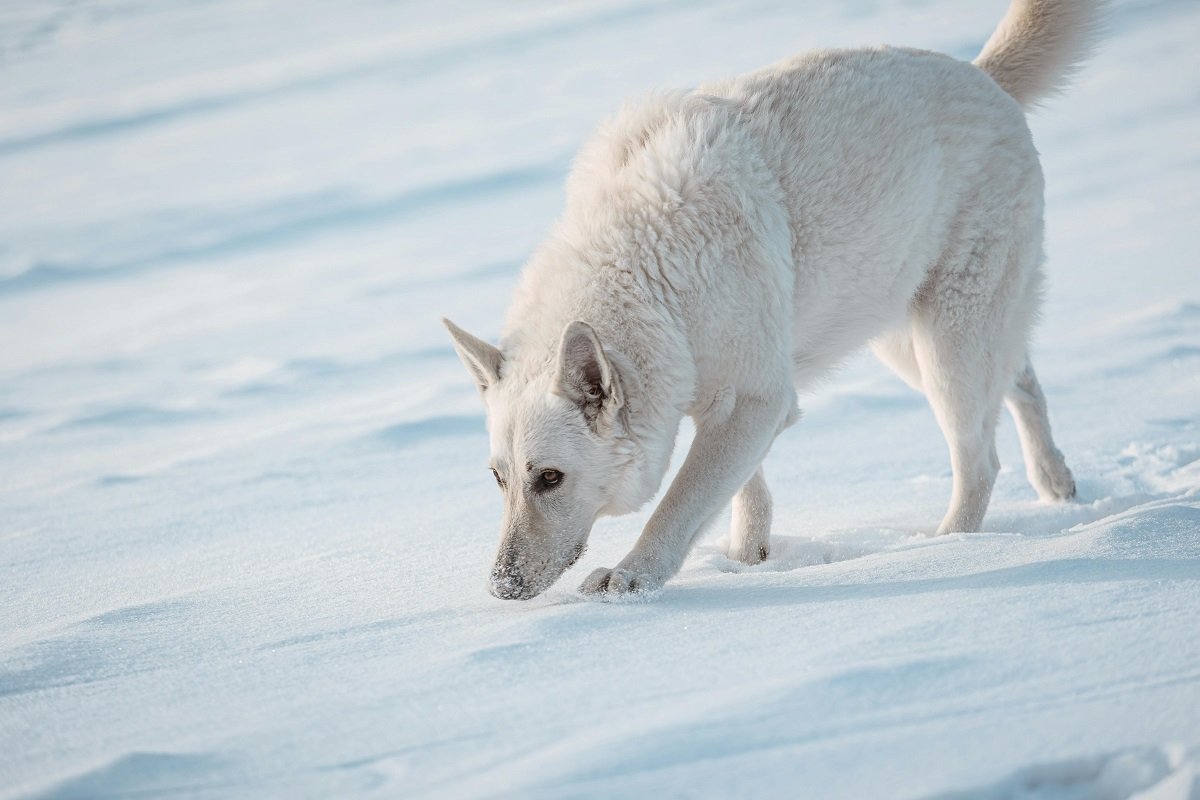
The White Swiss Shepherd is a stunning and elegant dog breed. Known for its pure white coat and gentle nature, this breed has won the hearts of many dog lovers around the world. In this article, we will explore the history, characteristics, temperament, care, and training of the White Swiss Shepherd. Whether you are considering adding one to your family or simply want to learn more about this amazing breed, this article will provide you with all the information you need.
History of the White Swiss Shepherd
The White Swiss Shepherd has a rich history that dates back to the late 19th century. The breed is closely related to the German Shepherd, which is one of the most popular and versatile dog breeds in the world. The story of the White Swiss Shepherd begins in Germany, where the first German Shepherds were bred for their intelligence, strength, and working abilities.
In the early days of the German Shepherd breed, white-coated dogs were occasionally born. These white puppies were not considered desirable by many breeders, as they were thought to be weaker or less capable than their darker counterparts. However, some breeders recognized the beauty and potential of these white dogs and began to selectively breed them.
Over time, the white-coated German Shepherds gained popularity, especially in North America. In the 1970s, these dogs were brought to Switzerland, where they were further developed into a distinct breed. The Swiss breeders focused on maintaining the white coat and improving the breed’s temperament and health. In 2002, the White Swiss Shepherd was officially recognized as a separate breed by the Fédération Cynologique Internationale (FCI), the world canine organization.
Physical Characteristics
| Category | Details |
|---|---|
| Scientific Name | Canis lupus familiaris |
| Class | Mammalia |
| Order | Carnivora |
| Family | Canidae |
| Breed Group | Herding Group (related to working dogs) |
| Origin | Switzerland (developed from White German Shepherds) |
| Height | Males: 24–26 inches (60–66 cm) Females: 22–24 inches (55–60 cm) |
| Weight | Males: 66–88 lbs (30–40 kg) Females: 55–77 lbs (25–35 kg) |
| Coat | Double coat: Long or medium length, dense, and straight |
| Color | Pure white |
| Lifespan | 12–14 years |
| Temperament | Gentle, loyal, intelligent, calm, friendly, protective, and social |
| Energy Level | Moderate to high |
| Exercise Needs | High (requires daily walks, playtime, and mental stimulation) |
| Grooming Needs | Moderate to high (regular brushing, especially during shedding seasons) |
| Trainability | Highly trainable, responds well to positive reinforcement |
| Good with Children | Yes (gentle and patient with kids) |
| Good with Other Pets | Yes (if properly socialized) |
| Barking Tendency | Moderate (may bark to alert or when bored) |
| Common Health Issues | Hip dysplasia, elbow dysplasia, degenerative myelopathy, allergies |
| Recognized By | Fédération Cynologique Internationale (FCI) |
| Popularity | Growing in popularity worldwide, especially in Europe and North America |
The White Swiss Shepherd is a medium to large-sized dog with a strong and athletic build. Males typically stand between 24 to 26 inches tall at the shoulder, while females are slightly smaller, standing between 22 to 24 inches. The breed usually weighs between 55 to 90 pounds, with males being larger and heavier than females.
The most striking feature of the White Swiss Shepherd is its pure white coat. The coat is dense, double-layered, and can be either long or medium in length. The outer coat is straight and harsh, while the undercoat is soft and thick. This double coat provides excellent protection against cold weather and helps the dog stay comfortable in various climates.
The breed has a noble and expressive face, with almond-shaped eyes that are usually dark brown or light brown in color. The ears are erect and pointed, giving the dog an alert and attentive appearance. The tail is bushy and carried low when the dog is at rest, but it may be raised when the dog is excited or in motion.
Temperament and Personality
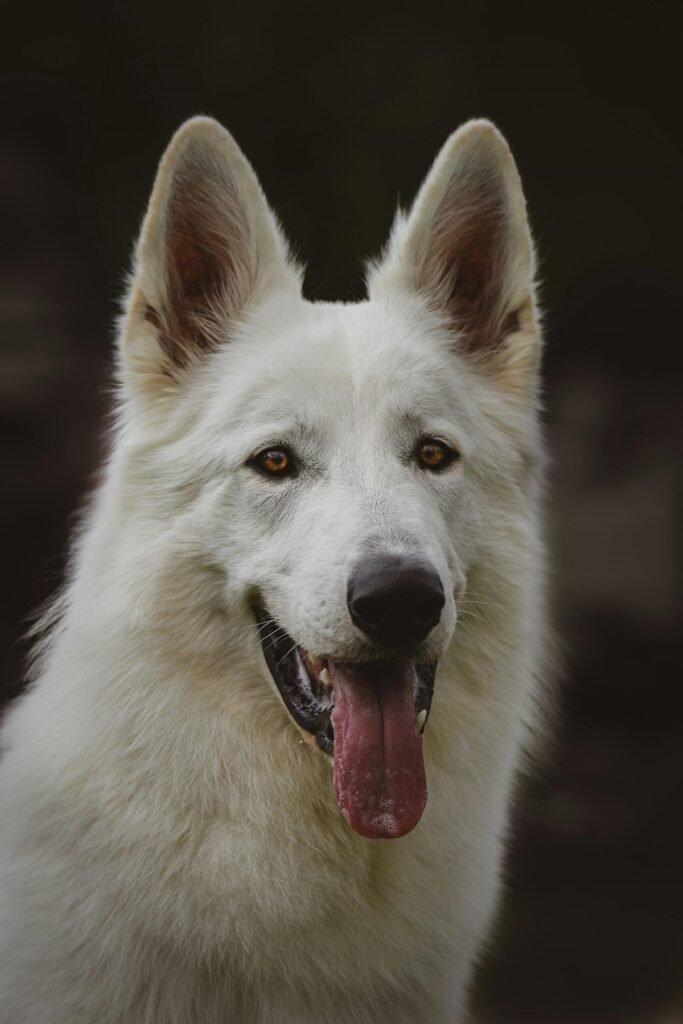
The White Swiss Shepherd is known for its gentle and friendly temperament. This breed is highly intelligent, loyal, and eager to please, making it an excellent companion for families, singles, and seniors alike. White Swiss Shepherds are known to form strong bonds with their owners and are often described as being very affectionate and devoted.
One of the most notable traits of the White Swiss Shepherd is its calm and even-tempered nature. Unlike some other breeds that can be overly energetic or hyperactive, the White Swiss Shepherd is generally more relaxed and easygoing. However, this does not mean that the breed is lazy or inactive. White Swiss Shepherds are still very active dogs that require regular exercise and mental stimulation to stay happy and healthy.
The breed is also known for being highly social and good with children. White Swiss Shepherds are patient and gentle with kids, making them a great choice for families with young children. They are also generally good with other pets, especially if they are raised together from a young age. However, as with any dog, early socialization and proper training are essential to ensure that the dog gets along well with other animals and people.
Care and Grooming
The White Swiss Shepherd’s beautiful white coat requires regular grooming to keep it looking its best. The breed sheds moderately throughout the year, with heavier shedding occurring during the spring and fall. To manage shedding and keep the coat healthy, it is recommended to brush the dog at least two to three times a week. During shedding seasons, daily brushing may be necessary to remove loose hair and prevent matting.
Bathing should be done as needed, but not too frequently, as over-bathing can strip the coat of its natural oils and cause skin irritation. It is important to use a high-quality dog shampoo that is gentle on the skin and coat. Regular nail trimming, ear cleaning, and teeth brushing are also essential parts of the grooming routine to keep the dog in good overall health.
In addition to grooming, the White Swiss Shepherd requires regular exercise to stay physically and mentally fit. This breed enjoys a variety of activities, including walking, running, hiking, and playing fetch. They also excel in dog sports such as agility, obedience, and tracking. Providing the dog with plenty of opportunities to exercise and engage in stimulating activities will help prevent boredom and destructive behaviors.
Training and Socialization
The White Swiss Shepherd is a highly intelligent and trainable breed. They are quick learners and respond well to positive reinforcement training methods, such as praise, treats, and play. Harsh or punitive training methods should be avoided, as they can damage the dog’s trust and confidence.
Early socialization is crucial for the White Swiss Shepherd to ensure that they grow up to be well-rounded and confident dogs. Exposing the puppy to a variety of people, animals, environments, and experiences from a young age will help them develop into a well-adjusted adult dog. Socialization should be a positive and gradual process, allowing the puppy to explore and learn at their own pace.
Basic obedience training is also important for the White Swiss Shepherd. Teaching the dog basic commands such as sit, stay, come, and heel will help establish a strong foundation for good behavior and ensure that the dog is well-behaved in various situations. Advanced training and participation in dog sports can provide additional mental stimulation and strengthen the bond between the dog and owner.
Health and Lifespan
The White Swiss Shepherd is generally a healthy breed with a lifespan of 12 to 14 years. However, like all dog breeds, they are prone to certain health conditions. Some of the common health issues that may affect the White Swiss Shepherd include hip dysplasia, elbow dysplasia, and degenerative myelopathy.
Hip dysplasia is a genetic condition where the hip joint does not develop properly, leading to arthritis and pain. Elbow dysplasia is a similar condition that affects the elbow joint. Both conditions can be managed with proper care, including weight management, regular exercise, and, in some cases, surgery.
Degenerative myelopathy is a progressive neurological disease that affects the spinal cord, leading to weakness and paralysis in the hind legs. There is no cure for this condition, but supportive care and physical therapy can help manage the symptoms and improve the dog’s quality of life.
To minimize the risk of these and other health issues, it is important to choose a reputable breeder who conducts health screenings on their breeding dogs. Regular veterinary check-ups, a balanced diet, and proper exercise are also essential for maintaining the dog’s overall health and well-being.
Living with a White Swiss Shepherd
Living with a White Swiss Shepherd can be a rewarding experience for the right person or family. This breed is well-suited to a variety of living situations, including apartments, as long as they receive enough exercise and mental stimulation. However, they do best in homes with access to a secure yard where they can run and play.
The White Swiss Shepherd is a social breed that thrives on human companionship. They do not do well when left alone for long periods of time and may develop separation anxiety if they are not given enough attention and interaction. If you have a busy lifestyle, it is important to make sure that you can provide the dog with the time and attention they need.
This breed is also known for being protective of their family and home. While they are not aggressive, they may bark to alert their owners of strangers or unusual activities. This makes them excellent watchdogs, but it is important to train them to distinguish between real threats and normal everyday occurrences.
Conclusion
The White Swiss Shepherd is a beautiful, intelligent, and loyal breed that makes a wonderful companion for the right person or family. With their gentle temperament, striking appearance, and versatile abilities, it is no wonder that this breed has gained popularity around the world. Whether you are looking for a family pet, a working dog, or a loyal friend, the White Swiss Shepherd is a breed that is sure to bring joy and companionship to your life.