





Welcome to Pet Breed Hub, where we’re all about giving you the inside scoop on your favorite pets! Today, we’re diving into the world of the Burmese cat. These felines are not just ordinary cats; they’re a bundle of charm, intelligence, and affection. So, let’s get started and unravel the mystery of the Burmese cat!
The Burmese Cat: Unveiling Their Origins and History
Birthplace: A Southeast Asian Treasure
Ancestral Roots: Originating from Burma (modern-day Myanmar), Burmese cats are a testament to the region’s rich cultural and natural heritage.
Sacred Status: These felines were revered in temples and among royalty, symbolizing good fortune and divine presence.
Journey to the West
American Debut: In the 1930s, a brown female Burmese named Wong Mau arrived in America, marking the breed’s introduction to the Western world.
Breeding Breakthrough: Wong Mau wasn’t just a pet; she became the matriarch of the Burmese breed in America. Her unique genetics were key to developing the breed standards we recognize today.
A Timeline of Recognition
1950s: The Burmese cat gains official recognition from major cat registries, cementing its place in the feline aristocracy.
Global Popularity: Post-recognition, the breed’s popularity soared, making it a beloved pet in households worldwide.
Cultural Impact and Evolution
Temple to Home: Transitioning from temple guardians to household companions, Burmese cats carried their mystique into modern homes.
Admiration Across Continents: Europe and Asia quickly embraced the breed, leading to a global fanfare for these charismatic cats.
Physical Characteristics of the Burmese Cat
Size and Build
Compact and Muscular: Burmese cats are medium-sized, but don’t let their size fool you; they are surprisingly heavy for their stature due to their muscular build.
Weight Range: Typically, males weigh 8–12 pounds, while females are slightly lighter at 6–10 pounds.
Coat and Color
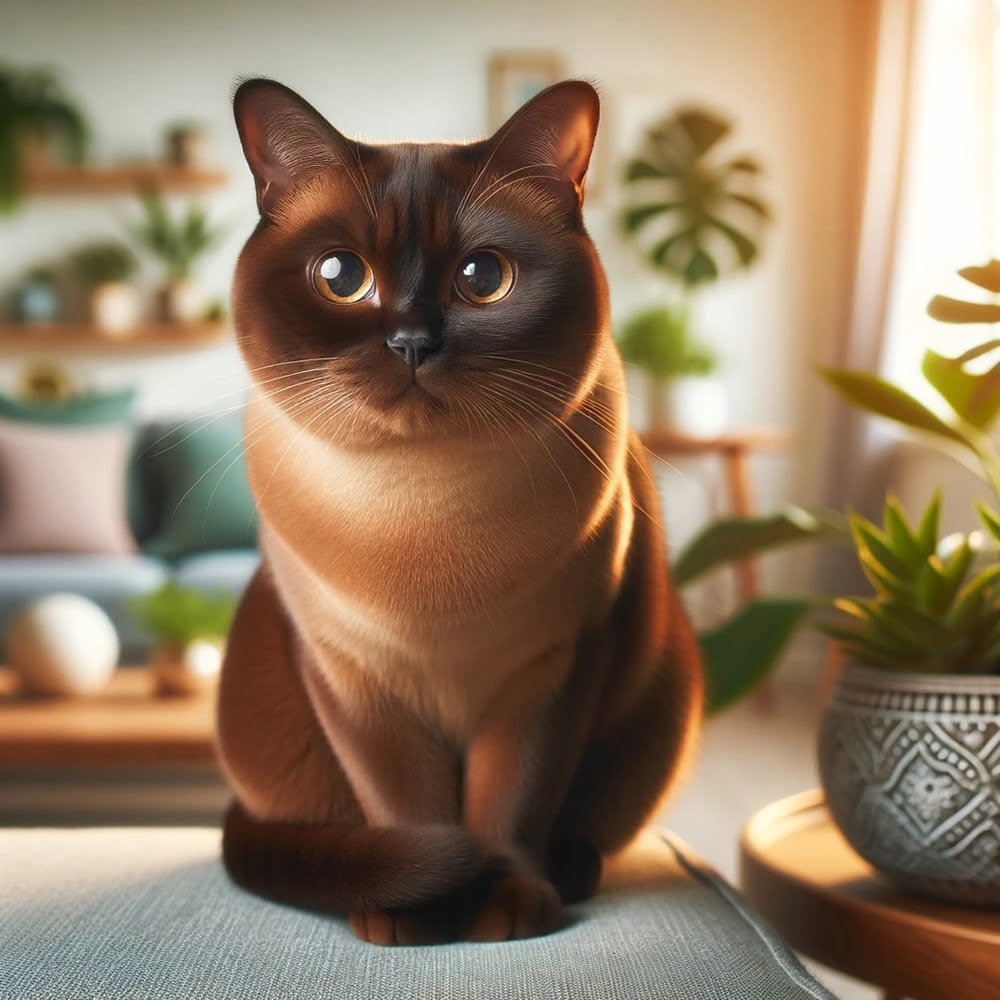
Silky Coat: Their coat is short, fine, and glossy, giving them a sleek and elegant appearance.
Color Palette: The traditional color is sable (a rich, dark brown), but they also come in champagne, blue, and platinum shades.
Distinctive Sheen: Their coat has a unique, satin-like sheen, making their coloration even more striking.
Eyes
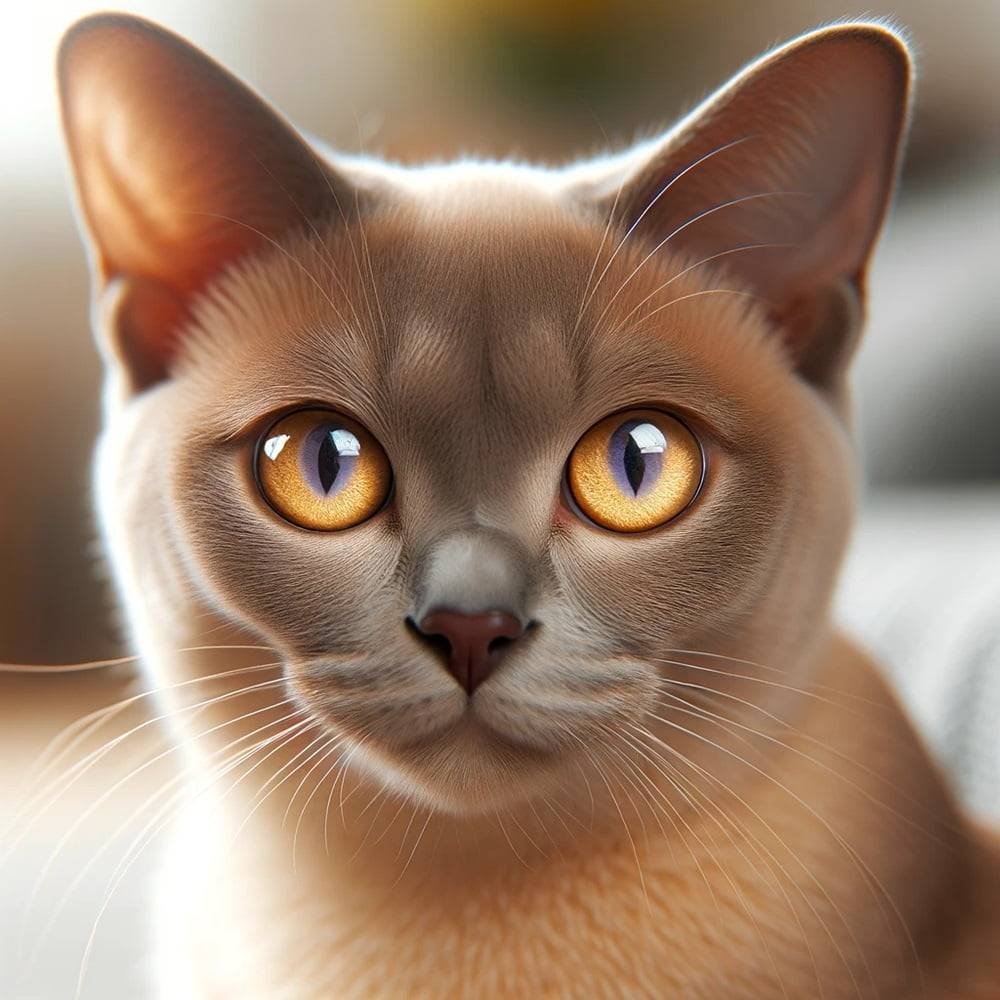
Expressive Eyes: One of the most captivating features of the Burmese is their large, round eyes.
Color: The eyes are typically gold or yellow, adding to their enchanting appearance.
Head and Face
Round Head: They have a distinctly round head with a short, straight profile.
Charming Expression: Their facial features, combined with their expressive eyes, give them a sweet and engaging expression.
Paws and Tail
Paws: Small, round paws that often appear dainty in contrast to their muscular build.
Tail: Medium in length, the tail tapers to a rounded tip.
Personality Traits of the Burmese Cat
Affectionate and Sociable
Loving Companions: Burmese cats are known for their deep affection towards their owners. They often form strong bonds and enjoy being close to their human companions.
People-Oriented: Unlike some independent cat breeds, Burmese cats crave interaction and are often described as ‘people-oriented’, seeking out human company.
Intelligent and Trainable
Smart and Curious: This breed is marked by its intelligence. They are quick learners and can be taught a variety of tricks and commands.
Problem Solvers: Their inquisitive nature often leads them to explore and solve problems, making them entertaining and engaging pets.
Playful and Active
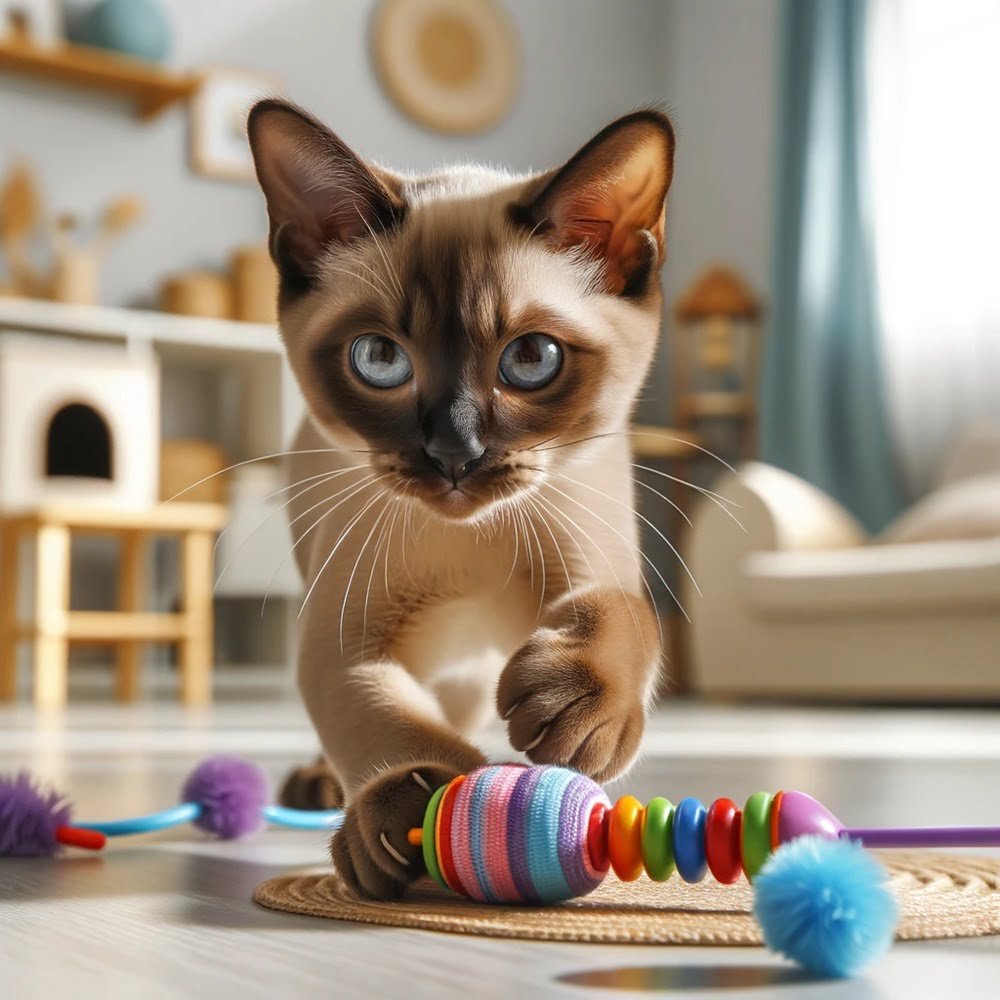
Energetic Playmates: Despite their calm appearance, Burmese cats are quite playful and remain active well into their adult years.
Interactive Play: They enjoy interactive play with their owners, such as fetch games or puzzle toys, keeping both their minds and bodies active.
Vocal and Communicative
Conversationalists: They are known for their soft, sweet voices and are more vocal than some other breeds. They often ‘talk’ to their owners, expressing their needs and feelings.
Expressive Sounds: Their range of vocalizations can be quite expressive, from soft chirps to gentle meows, often engaging in ‘conversations’ with their humans.
Affectionate with Children and Other Pets
Good with Families: Their gentle and affectionate nature makes them great companions for families with children.
Friendly with Other Pets: They generally get along well with other pets, including dogs, making them suitable for multi-pet households.
Health and Care of the Burmese Cat
Lifespan
Longevity: Burmese cats typically enjoy a long lifespan, often living between 15 to 20 years with proper care.
Diet
Balanced Nutrition: A high-quality diet suited to their age, activity level, and health needs is crucial. It’s important to balance their diet with both dry and wet food.
Hydration: Ensuring they have constant access to fresh water is vital, as it promotes kidney health and overall well-being.
Exercise
Playful Activity: Regular playtime is essential for keeping them physically fit and mentally stimulated. Interactive toys and puzzles can be very effective.
Indoor Exploration: Providing safe indoor spaces for climbing and exploring helps maintain their physical health and satisfies their curious nature.
Grooming
Low-Maintenance Coat: Their short, glossy coat requires minimal grooming; a weekly brushing is usually sufficient to keep it shiny and healthy.
Nail Trimming and Dental Care: Regular nail trimming and dental care are important parts of their grooming routine.
Health Monitoring
Regular Vet Check-Ups: Routine veterinary visits are important for preventative care and the early detection of any health issues.
Genetic Health Concerns: Be aware of genetic predispositions to certain health issues, like heart problems (hypertrophic cardiomyopathy) and diabetes.
Mental Health
Companionship: They thrive on social interaction, so regular engagement and affection are vital for their mental health.
Stress Reduction: A stable environment and routine can help reduce stress and anxiety in these sensitive cats.
Fun Facts About the Burmese Cat
Origin as Temple Cats
Ancient Guardians: Originally, Burmese cats served as temple cats in Burma (now Myanmar) and were believed to guard ancient temples and monasteries.
Unique Vocalizations
Chatty Companions: Known for their unique vocal habits, Burmese cats have a range of sounds that are distinct from other breeds, often engaging in ‘conversations’ with their owners.
Surprising Heaviness
Deceptively Dense: Despite their medium size, Burmese cats are often heavier than they appear, thanks to their muscular build.
Highly Social Nature
Dog-like Behavior: Burmese cats are often likened to dogs in their loyalty and tendency to follow their owners around, craving constant companionship.
Known as “Velcro Cats”
Attachment to Owners: They are sometimes called “Velcro cats” because of their desire to stick close to their human family, often seeking physical contact.
Fascinating Eye Color
Striking Eyes: The golden or yellow eyes of Burmese cats are particularly captivating and are one of their most striking features.
Love for Heights
Acrobatic Climbers: These cats often display a love for high places. They are known to skillfully climb and enjoy observing their surroundings from elevated spots.
Playfulness Into Adulthood
Eternal Kittens: Burmese cats retain their playful and curious nature well into their adult years, often behaving like kittens.
Strong Maternal Instinct
Motherly Breed: Female Burmese cats are known for their strong maternal instincts, often mothering other kittens and sometimes even animals of different species.
Celebrity Status in the Cat World
Feline Celebrities: Due to their charming personalities and striking appearance, Burmese cats are often featured in cat shows and are popular subjects in feline photography.
FAQs About Burmese Cats
1: What is the average lifespan of a Burmese cat?
Burmese cats typically live between 15 to 20 years, depending on their health and care.
2: Are Burmese cats good for families with children?
Yes, they are known for their affectionate nature and generally do well in families with children.
3: Do Burmese cats require a lot of grooming?
No, they have short coats that require minimal grooming. Regular brushing is sufficient.
4: Can Burmese cats be trained?
Yes, they are intelligent and can be trained to do tricks and follow basic commands.
5: What health issues are Burmese cats prone to?
They can be prone to certain genetic conditions like hypertrophic cardiomyopathy (heart disease) and diabetes.
6: How active are Burmese cats?
They are moderately active, enjoying playtime and interaction but also appreciating relaxed time.
7: Do Burmese cats get along with other pets?
Generally, Burmese cats are sociable and can get along with other pets, especially if introduced properly.
8: What kind of diet is best for a Burmese cat?
A balanced diet of high-quality cat food, tailored to their age, size, and activity level, is ideal.
9: Are Burmese cats vocal?
Yes, they are known for their unique vocalizations and tend to be more vocal than some other cat breeds.
10: How much attention do Burmese cats need?
They are people-oriented and thrive on attention and interaction, so they require a moderate to high level of engagement from their owners.
Conclusion
Burmese cats are more than just pets; they’re furry family members with a rich history and loving personalities. Whether you’re a first-time cat owner or a seasoned pet lover, a Burmese cat can be a perfect companion.
References and External Links
Top Pet Breed: Explore detailed information about Burmese cats and other breeds at Top Pet Breed.
Burmese Cat Care and Training Tips: For tips on caring for and training your Burmese cat, visit Burmese Cat Care.
Burmese Cat Breeders Directory: To find reputable breeders of Burmese cats, check out Burmese Breeders.
Burmese Cat Health Research: For in-depth research and articles on Burmese cat health, visit Burmese Health Studies.
Cat Nutrition and Diet Information: Learn about proper nutrition for Burmese cats at Cat Nutrition Guide.
Pet Insurance for Burmese Cats: Compare pet insurance options for your Burmese cat at Burmese Cat Insurance.
Interactive Toys for Burmese Cats: Find the best toys to keep your Burmese cat engaged at Interactive Cat Toys.
Cat Shows and Events: For information on cat shows featuring Burmese cats, visit Cat Show Events.
Online Burmese Cat Communities: Join online forums and communities for Burmese cat lovers at the Burmese Cat Forum.