




Welcome to the Pet Breed Hub, where we dive deep into the charming world of the Welsh Pony! Buckle up, as we’re about to embark on a journey filled with fun facts, practical tips, and a sprinkle of our Pet Breed Hub flair.

Introduction to Welsh Ponies
Welcome to the enchanting world of Welsh Ponies, brought to you by Pet Breed Hub! These ponies are not just ordinary horses; they are a unique blend of beauty, intelligence, and versatility. Small in stature but large in spirit, Welsh Ponies are the perfect companions for both young equestrians and adult riders alike.
Originating from the rugged terrains of Wales, these ponies are known for their robust and sturdy build. Despite their smaller size, typically standing under 12.2 hands (50 inches), they exhibit remarkable strength and resilience. This quality stems from their ancestors, who roamed the wild landscapes of Wales, adapting to the challenging environment.
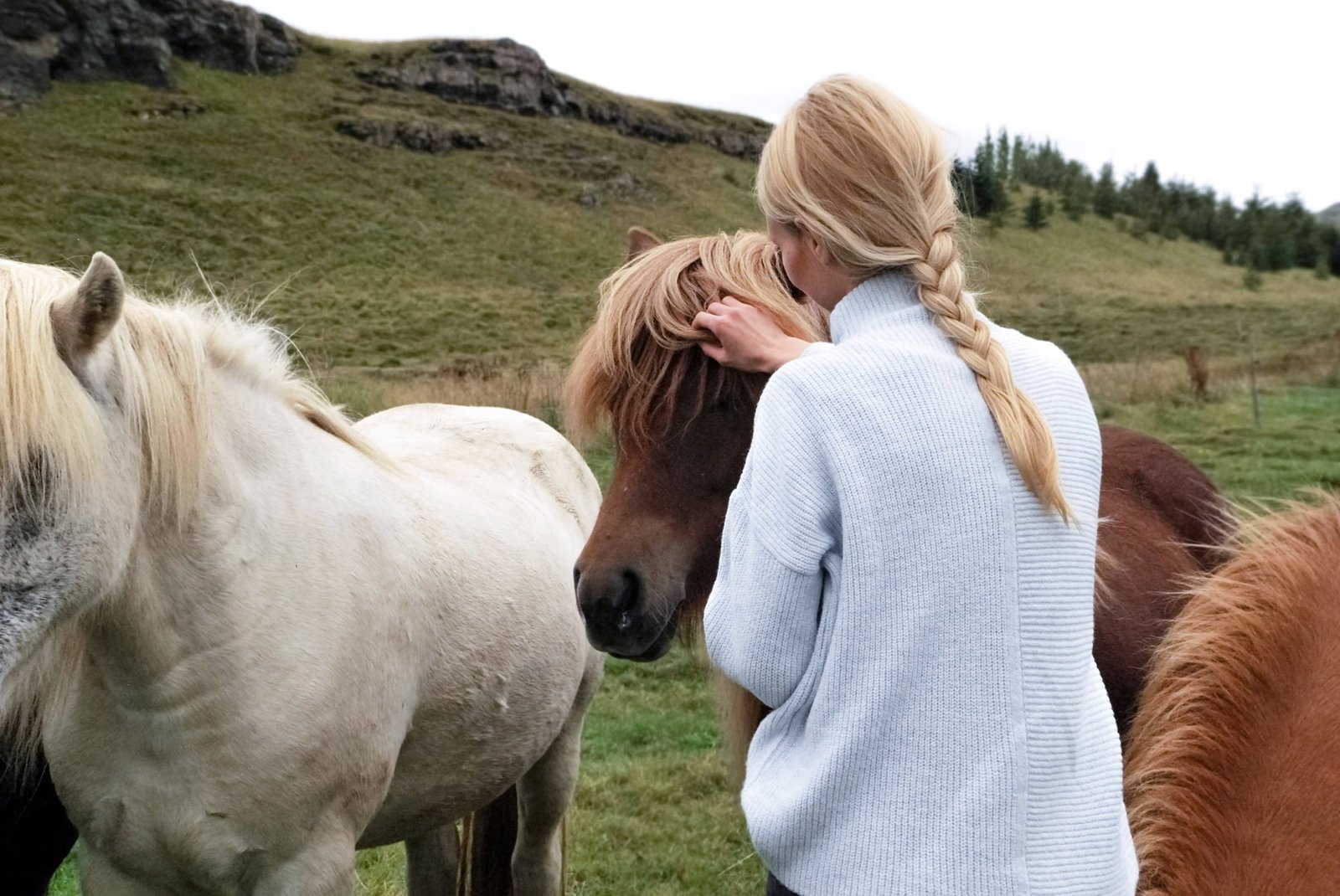
But don’t let their size fool you! Welsh ponies are as capable as they are charming. They come in a variety of colors, ranging from bay to chestnut to dappled grey, each with a unique and striking appearance. Their thick manes and flowing tails add to their majestic presence.
One of the most endearing qualities of Welsh ponies is their temperament. They are renowned for their gentle, friendly nature, making them ideal for children.
However, they also possess a spirited and intelligent character, ensuring they are a joy for more experienced riders as well. This balance of temperament makes them versatile in various equestrian disciplines, from leisurely trail rides to competitive sports.
History in a Nutshell
Dive into the past with Pet Breed Hub as we unravel the remarkable history of the Welsh Pony. These ponies aren’t just a recent fascination; they have a lineage that is as rich and intriguing as their personalities.
Originating from the lush and rugged landscapes of Wales, Welsh ponies have a heritage that dates back to a time before recorded history. Their story begins in the remote hills and valleys of Wales, where they roamed free and wild.
These early ancestors of the modern Welsh pony were known for their hardiness, a trait forged by the challenging environment of their homeland. The harsh weather and scarce resources of Wales shaped these ponies into resilient and adaptable creatures.
Welsh Ponies have been influenced by various historical events and cultures. The Roman occupation of Britain saw these ponies being used for various purposes, including transportation and farm work. They were admired for their strength, despite their small size, and their ability to work in difficult terrain.
In medieval times, Welsh ponies played a pivotal role. They were the preferred mounts for messengers and knights, prized for their speed, agility, and endurance. The breed’s natural ability to navigate the rugged Welsh terrain made them invaluable during these turbulent times.
Fast forward to the Industrial Revolution, and Welsh Ponies found new roles. They worked in coal mines, pulling carts and contributing significantly to the industrial era’s workforce. This period was crucial in shaping the breed’s characteristics, reinforcing their robust and hardworking nature.
Today, the Welsh pony is celebrated not only for its historical significance but also for its adaptability and charm. These ponies have transitioned from workers in harsh environments to beloved companions and competitive athletes in equestrian sports.
Characteristics That Charm
Petite Yet Mighty Build
First and foremost, the Welsh pony’s size is deceiving. Standing typically under 12.2 hands (50 inches), they showcase a robust and sturdy physique. Their compact build is a nod to their hardy ancestors, who were designed for strength and endurance.
Elegant and Graceful Movements
Welsh ponies are not just about strength; they also possess an air of elegance. Their movements are fluid and graceful, making them stand out, whether in a show ring or a countryside trail. This gracefulness is coupled with a spirited gait, reflecting their lively and energetic nature.
A Spectrum of Stunning Colors
One can’t help but be mesmerized by the variety of colors these ponies flaunt. From rich bays to striking blacks, from radiant chestnuts to elegant greys, and even dappled patterns, each Welsh pony is uniquely attired. Their coats are not just about looks; they’re thick and lustrous, a testament to their adaptability to various climates.
A Mane and Tail to Admire
Adding to their charm is their luxurious mane and tail. Often long and flowing, these features are a hallmark of the breed, giving them a majestic and noble appearance.
Temperament: The Heart of their Charm
Welsh Ponies are as delightful in temperament as they are in appearance. Known for their intelligence, they are quick learners and respond well to training. Their gentle nature makes them perfect for young riders, while their spirited personalities appeal to experienced equestrians. This balance makes them versatile and suitable for both leisure riding and competitive disciplines.
Adaptability: A Pony for All Seasons
Adaptability is key with Welsh Ponies. They thrive in various environments, a trait inherited from their ancestors who roamed the wild terrains of Wales. This versatility extends beyond their physical abilities; they’re emotionally adaptable, bonding well with their human companions.

Caring for Your Welsh Pony
At Pet Breed Hub, we understand that caring for a Welsh pony is both a joy and a responsibility. These ponies may be tough and resilient, but they still require dedicated care to ensure they remain healthy and happy. Let’s trot through the key aspects of caring for your Welsh pony.
Diet and Nutrition: Fueling Their Spirit
A Welsh pony’s diet is fundamental to their well-being. These ponies do well on a diet of quality hay or pasture. It’s important to ensure that their grazing is adequate, as they are prone to overeating and can easily become overweight. In addition to forage, a balanced grain mix, specifically formulated for ponies, can be provided based on their individual needs, activity level, and weight.
Fresh water is crucial and must be available at all times. Welsh Ponies should have access to clean, fresh water to prevent dehydration and maintain overall health.
Health Care: Prevention is Better Than Cure
Regular veterinary check-ups are essential. This includes routine vaccinations, deworming, and dental care. Ponies, like all equines, require regular dental attention to prevent issues that can arise from uneven tooth wear.
Hoof care is also paramount. Regular trimming and, if necessary, shoeing by a qualified farrier will keep their hooves in good condition and prevent lameness.
Grooming: More Than Just Looks
Grooming is not just about keeping your Welsh Pony looking great; it’s also an opportunity to check for any health issues like cuts, bumps, or skin problems. Regular brushing helps distribute natural oils throughout their coat, keeping it shiny and healthy. It also enhances the bond between you and your pony.
Bathing should be done as needed, but not too frequently, as it can strip natural oils from their coat and skin. During colder months, extra care should be taken to ensure they are completely dry and warm after bathing.
Exercise and Space: Essential for Well-being
Welsh ponies are energetic and thrive with regular exercise. They benefit from a combination of riding, groundwork, and free play. Adequate space for them to move around and graze is important, as it allows them to exhibit natural behaviors and maintain good physical and mental health.
Training Tips & Tricks
At Pet Breed Hub, we believe that training your Welsh pony should be a rewarding and enjoyable experience for both you and your pony. Welsh Ponies are intelligent and willing learners, but like all animals, they require patience, consistency, and understanding during training. Here are some tips and tricks to help you successfully train your Welsh pony.
Start with the Basics
Begin training with basic commands and groundwork. Teaching simple commands such as ‘walk’, ‘stop’, ‘turn’, and ‘back’ lays the foundation for more advanced training. Groundwork helps establish a bond and mutual respect between you and your pony, making future training sessions more effective.
Consistency is Key
Consistency is crucial in training. Ensure that you’re consistent with your commands, rewards, and training schedule. Ponies learn through repetition, so regular training sessions will reinforce the behaviors you’re teaching.
Positive Reinforcement: A Game-Changer
Positive reinforcement is an effective training method for Welsh Ponies. Rewarding desired behaviors with treats, praise, or a gentle pat encourages your pony to repeat those behaviors. This method builds trust and a positive association with training.
Patience Makes Perfect
Patience is essential when training any animal, especially ponies. They may not understand new commands immediately, so it’s important to be patient and not rush the training process. Take the time to understand your pony’s learning pace and adapt your training methods accordingly.
Variety Keeps Training Engaging
Incorporating variety into your training sessions can keep your Welsh pony engaged and interested. This can include different types of exercises, changing the training environment, or introducing new challenges. Variety not only keeps training fun but also enhances your pony’s adaptability and learning.
Safety First
Always prioritize safety for both you and your pony during training sessions. Use appropriate gear, and ensure the training environment is safe and free from hazards.
Seek Professional Guidance
If you’re new to pony training or encounter challenges, don’t hesitate to seek advice from a professional trainer. They can provide valuable insights and tailored guidance for your specific needs.
The Welsh Pony is known for several distinct qualities
Versatility: Welsh Ponies are incredibly versatile, making them suitable for a variety of equestrian activities. They excel in disciplines such as show jumping, dressage, driving, and endurance riding. Their adaptability also makes them great for leisure riding and as family ponies.
Child-Friendly Nature: They are particularly popular as mounts for children due to their smaller size and gentle temperament. Their patience and forgiving nature make them ideal for young or inexperienced riders.
Intelligence and Trainability: Welsh Ponies are known for their intelligence and ease of training. They learn quickly and respond well to positive reinforcement, which makes them a pleasure to train and work with.
Sturdy and Hardy Build: Despite their smaller stature, Welsh Ponies are robust. They have a sturdy build, which is a legacy of their origins in the rugged Welsh landscape, where they developed a hardy and resilient nature.
Elegant Appearance: They are also admired for their beauty. Welsh Ponies often have attractive heads with large, expressive eyes and well-shaped bodies, and they often possess a flowing mane and tail, adding to their elegance.
Competitive in Sports: Welsh Ponies are often seen in competitive equestrian sports. Their agility, speed, and endurance make them competitive in events like show jumping and gymkhana.
Good Temperament: They are generally known for having a good disposition—being friendly and calm, but also spirited and enthusiastic, striking a balance between being energetic and manageable.
Can adults ride Welsh ponies?
Yes, adults can ride Welsh ponies, although it largely depends on the specific type of Welsh pony and the size and weight of the adult. Welsh ponies are categorized into four different types, each with varying sizes:
Welsh Mountain Pony (Section A): The smallest type, usually not exceeding 12 hands (48 inches, 122 cm). While sturdy, their size generally makes them more suitable for children.
Welsh Pony (Section B): Slightly larger than Section A, these can stand up to 13.2 hands (54 inches, 137 cm). They are often ridden by children and smaller adults.
Welsh Pony of Cob Type (Section C): These are stronger and stockier, with a height limit of 13.2 hands. Their build can often accommodate adults, especially if they are not too tall or heavy.
Welsh Cob (Section D): The largest type, with no upper height limit but usually around 13.2 hands and above. Welsh cobs are strong and capable enough to carry adults comfortably.
How big can Welsh ponies get?
Welsh Ponies come in a variety of sizes, largely depending on the specific section they belong to within the Welsh Pony and Cob breed. The breed is divided into four main sections, each with different size characteristics:
Welsh Mountain Pony (Section A): This is the smallest type, with a height limit of 12 hands (48 inches, 122 cm).
Welsh Pony (Section B): These are slightly larger than Section A ponies, with a height limit of 13.2 hands (54 inches, 137 cm).
Welsh Pony of Cob Type (Section C): Similar to Section B in terms of height, these ponies have a height limit of 13.2 hands but are typically stockier and more robust.
Welsh Cob (Section D): This is the largest type, with no upper height limit, but they usually stand at least 13.2 hands. Some Welsh Cobs can exceed 15 hands (60 inches, 152 cm).
What is an interesting fact about the Welsh pony?
An interesting fact about Welsh Ponies is their remarkable history of adaptability and resilience, particularly how they evolved and thrived in the challenging environment of Wales.
Originally, these ponies roamed the rugged and often harsh terrain of the Welsh hills and valleys, where they developed remarkable hardiness and endurance.
This environment played a crucial role in shaping the breed’s characteristics, such as their sure-footedness, strong constitution, and ability to thrive on sparse vegetation.
What’s particularly fascinating is how their ancestry traces back to a time before recorded history, suggesting they have been present in Wales for a very long time, possibly since prehistoric times.
Their lineage is believed to include Roman horses brought to Britain during the Roman invasion, which were mixed with native stock.
FAQs about Welsh Ponies
1: What are Welsh Ponies primarily used for?
Welsh Ponies are extremely versatile and are used for various activities, including children’s riding lessons, show jumping, dressage, driving, and pleasure riding.
2: Can Welsh Ponies be ridden by adults?
While smaller Welsh Ponies (Sections A and B) are more suitable for children, the larger Welsh Cobs (Section D) can comfortably carry adults.
3: How long do Welsh ponies live?
Welsh ponies have a long lifespan, often living into their 30s with proper care and management.
4: Are Welsh Ponies suitable for beginner riders?
Yes, due to their gentle temperament and intelligence, Welsh Ponies are often recommended for beginner and young riders.
5: What is the temperament of Welsh Ponies like?
They are known for their friendly, gentle, and intelligent nature, combined with a spirited and energetic demeanor.
6: How tall do Welsh Ponies get?
Their height varies by section: Section A up to 12 hands, Section B up to 13.2 hands, and Sections C and D can be 13.2 hands and taller, with Section D having no upper height limit.
7: What colors are Welsh Ponies?
Welsh Ponies come in many colors, including bay, black, chestnut, grey, and even some pinto patterns.
8: Are Welsh Ponies easy to train?
Yes, their intelligence and willingness to learn make them relatively easy to train, provided the training is consistent and positive.
9: What kind of care do Welsh ponies require?
Regular care includes a balanced diet, routine veterinary check-ups, regular hoof care, and grooming, along with appropriate exercise.
10: Can Welsh Ponies compete in equestrian sports?
They are quite competitive in various equestrian disciplines such as show jumping, dressage, and driving, excelling especially in competitions geared towards ponies.
References and External Links for Welsh Ponies
Welsh Pony and Cob Society: The official society for Welsh Ponies and Cobs, offering a wealth of information on the breed, breed standards, and registration details. Visit the Welsh Pony and Cob Society.
The Horse Trust provides comprehensive information on different horse breeds, including Welsh Ponies, with a focus on their care and management. Explore The Horse Trust.
EquiMed Horse Health Matters: A resourceful site for understanding the health and medical care of equines, including Welsh Ponies. Learn from EquiMed.
FEI (Fédération Equestre Internationale): Offers insights into the competitive world of equestrian sports, in which Welsh Ponies often participate. Check out FEI.
Pony Club: A great resource for young riders and owners of Welsh Ponies, offering training tips and care advice. Visit Pony Club.
Horse & Hound An online magazine providing a range of articles on horse breeds, care, and training, with specific sections on Welsh Ponies. Read at Horse & Hound.
American Welsh Pony and Cob Association: The U.S. Association for Welsh Ponies, with resources on breed shows, events, and breeders. Explore the American Welsh Pony and Cob Association.
Equisearch Offers a wide range of articles on horse breeds, training, and care, suitable for Welsh pony owners and enthusiasts. Visit Equisearch.
SmartPak Equine Blog: Provides tips and advice on pony care, feeding, and training, applicable to Welsh Ponies. Read SmartPak’s Blog.
The Spruce Pets: A reliable source for general information on horse and pony care, including specifics about Welsh Ponies. Check out The Spruce Pets.
Conclusion
Embracing a Welsh pony in your life brings joy and adventure. Remember, these ponies thrive on care and love, just like any pet!