




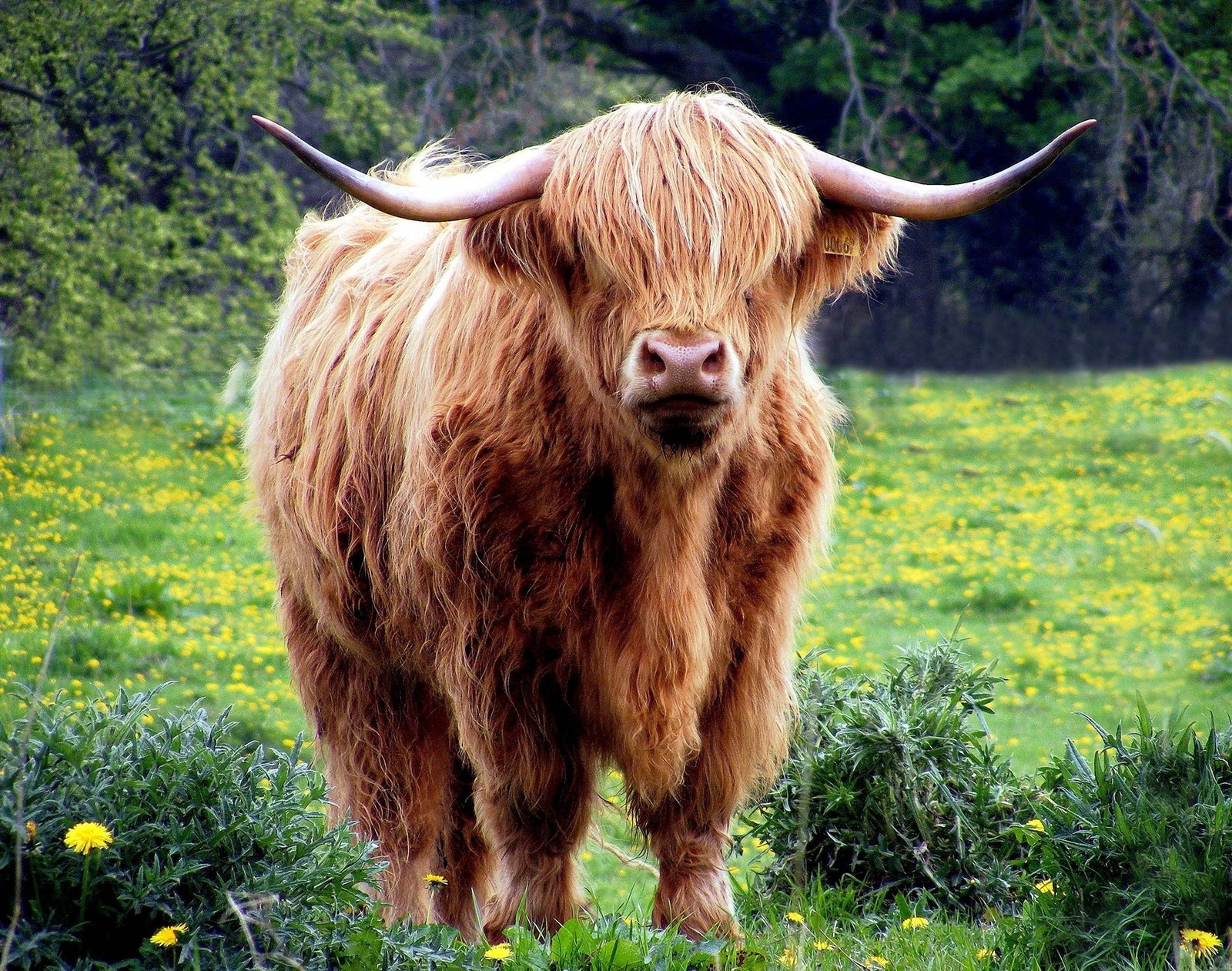
Yaks are more than just big, hairy cows. They’re the hardy heroes of high altitudes! Let’s unpack the world of Yaks in a way that’s fresh and fun.
What’s a Yak?
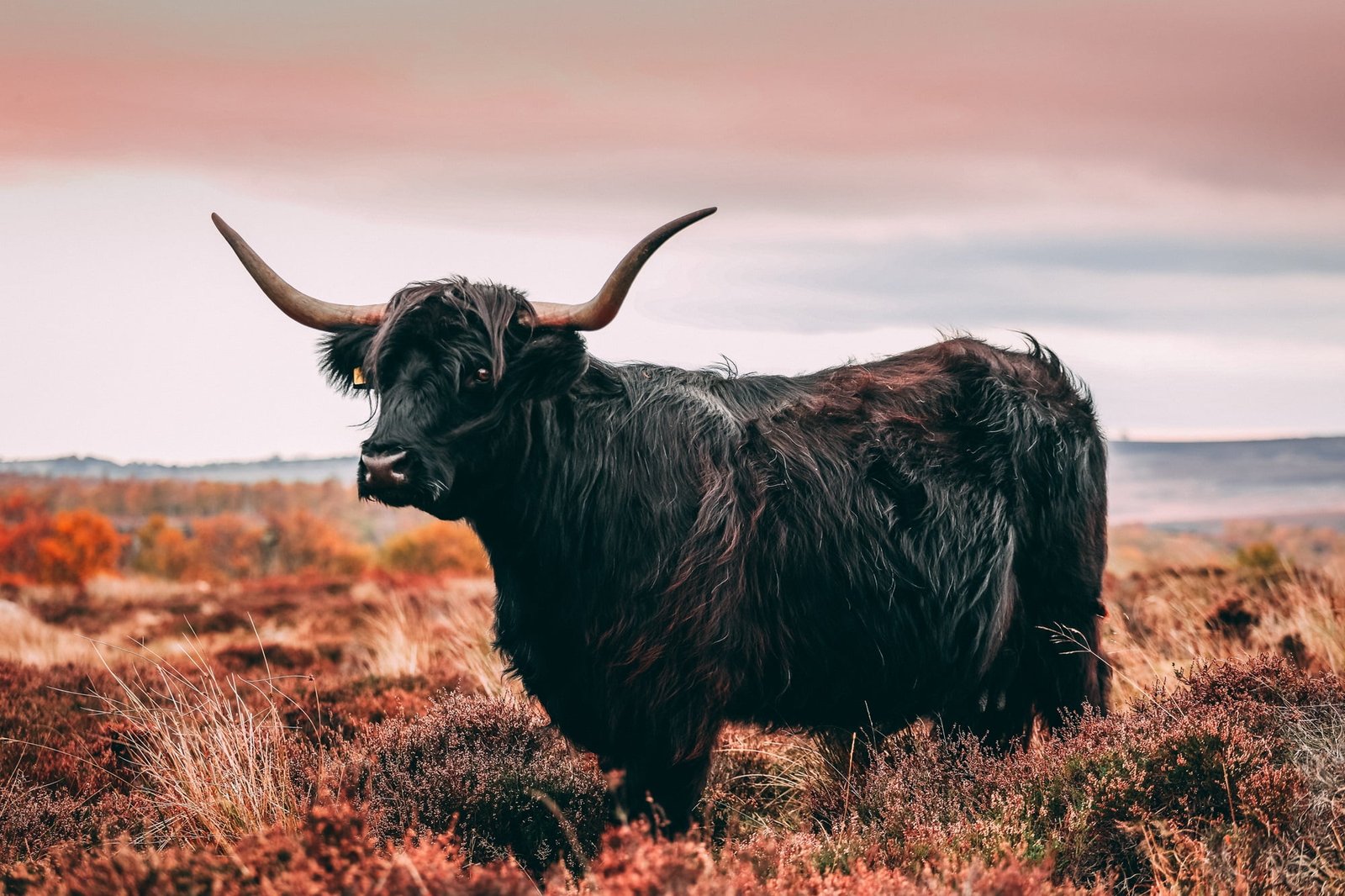
Ever wondered about those shaggy, horned animals you see in pictures of towering mountains? Those are Yaks, and they’re as fascinating as they look! Let’s break down who these mountain dwellers are:
The Basics
Species Spotlight: Yaks belong to the species Bos grunniens (domestic) and Bos mutus (wild).
Big and Woolly: Known for their long, thick fur and large, sturdy frames.
Types of Yaks
Domestic Yaks: These are the ones you see with people, often helping with farming and transportation.
Wild Yaks: More elusive, they roam the high-altitude wilderness.
Distinct Features
Impressive Horns: Both males and females sport strong, curved horns.
Built for the Cold: Their dense fur and strong lungs are perfect for high, cold places.
Sounds They Make
Grunters, Not Mooers: Yaks are known for their grunting sounds, quite different from the cows we’re used to.
Majestic Mountain Mammals: These beasts are built for the cold, high-altitude life.
Thick Coats: Sporting long, woolly fur to beat the chill.
Two Yak Types: The domestic Yak (Bos grunniens) and the wild Yak (Bos mutus).
Yak Habitat: Home in the Heights
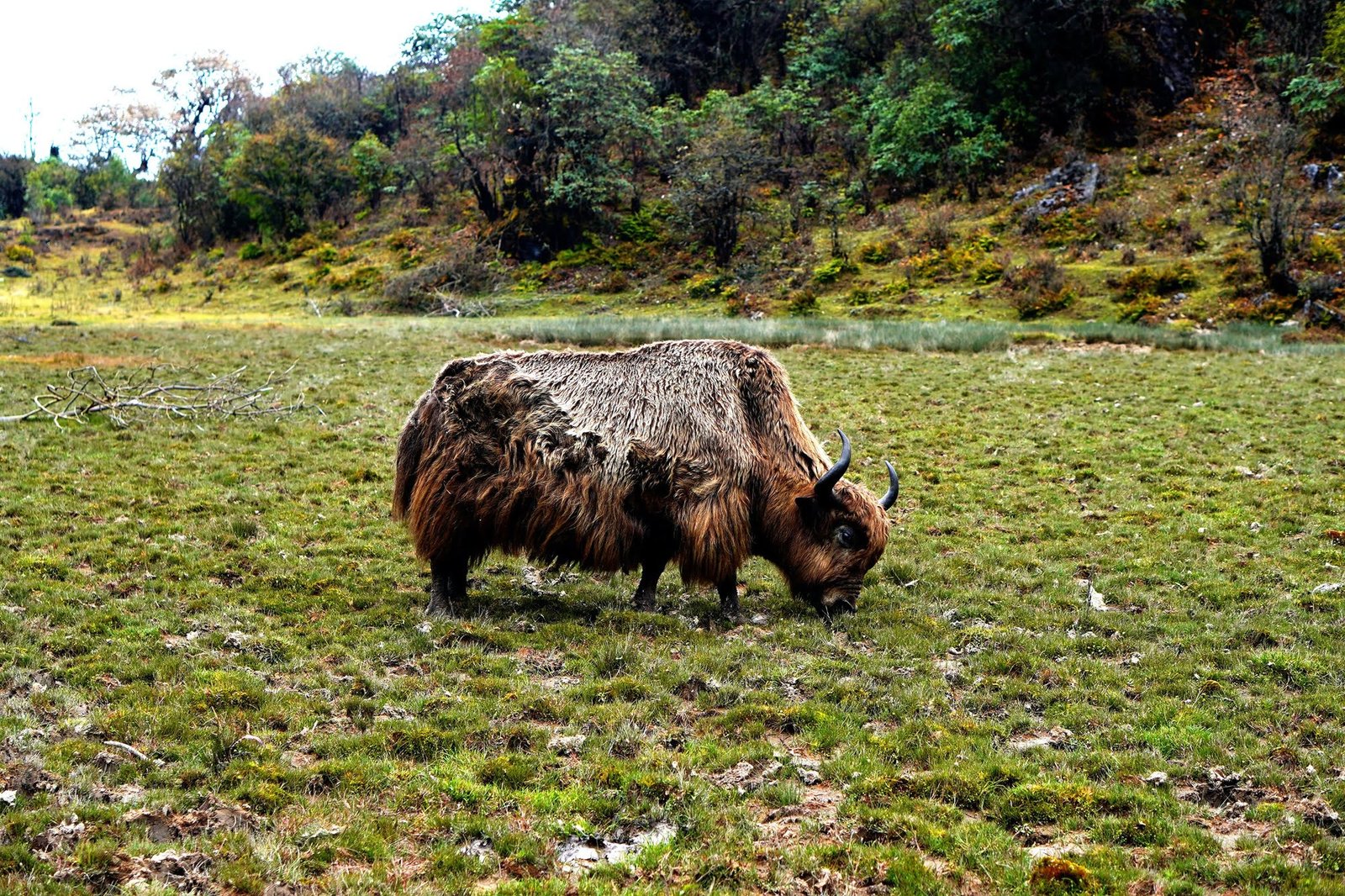
Yaks, the shaggy icons of high altitudes, thrive in some of Earth’s most breathtaking yet challenging landscapes. Here’s where these mountain masters call home:
Roof of the World: The Himalayas and Tibetan Plateau
Elevation Experts: Yaks are found at altitudes up to 6,100 meters (20,000 feet)!
Rugged Terrain: They navigate rocky, mountainous areas with ease.
Climate Champions
Subzero Specialists: Yaks love the cold. Temperatures below freezing? No problem.
Thin Air, Thick Coat: Their woolly fur keeps them warm in the thin, chilly air.
Grasslands and Wetlands
Highland Grazers: Yaks feed on the sparse vegetation of alpine meadows.
Wetland Wanderers: They’re also found near lakes and rivers at high elevations.
Nomadic Lifestyle
Roaming Free: Wild Yaks are known for their nomadic habits, constantly on the move for fresh grazing grounds.
Domesticated Dwellers: Domestic Yaks, on the other hand, often live in pastoral communities.
Mountain Dwellers: Thriving in the Himalayas and Tibetan Plateau.
Chilly Regions: Yaks love the cold; they’re not beach vacationers!
Yak Diet: What’s on the Menu?
Grass Grazers: They munch on grass, herbs, and wildflowers.
Low-Oxygen Gurus: Their diet is tailored for high-altitude living.
Social Life of Yaks
Herd Happenings: Yaks are social animals, hanging out in groups.
Communication Skills: They grunt and snort to talk to each other.
Yak Physical Features
Robust Body
Sturdy Frame: Yaks are large with a strong, muscular build, perfect for navigating rugged terrain.
Weighty Wonders: Males can weigh up to 1,200 kg (2,600 lbs), while females are slightly smaller.
Thick, Woolly Coat
Insulation is key. Their dense, woolly fur keeps them warm in sub-zero temperatures.
Dual-Layered: A softer undercoat for warmth and a longer, coarser outer coat for weather resistance.
Impressive Horns
Horn Power: Both males and females have strong, curved horns, used for foraging in the snow and as a defense mechanism.
Adapted for Altitude
Lung Capacity: They have larger lungs and hearts than typical cattle, making them well-suited for low-oxygen environments.
Sure-Footed: Their broad hooves are adapted for walking on both rocky ground and snow.
Unique Facial Features
Bushy Brows: Thick eyebrows and a dense mop of hair protect their eyes from harsh winds and cold.
Distinctive Nose: Their noses have special structures to warm cold air before it enters the lungs.
Yak Uses: More than Meets the Eye
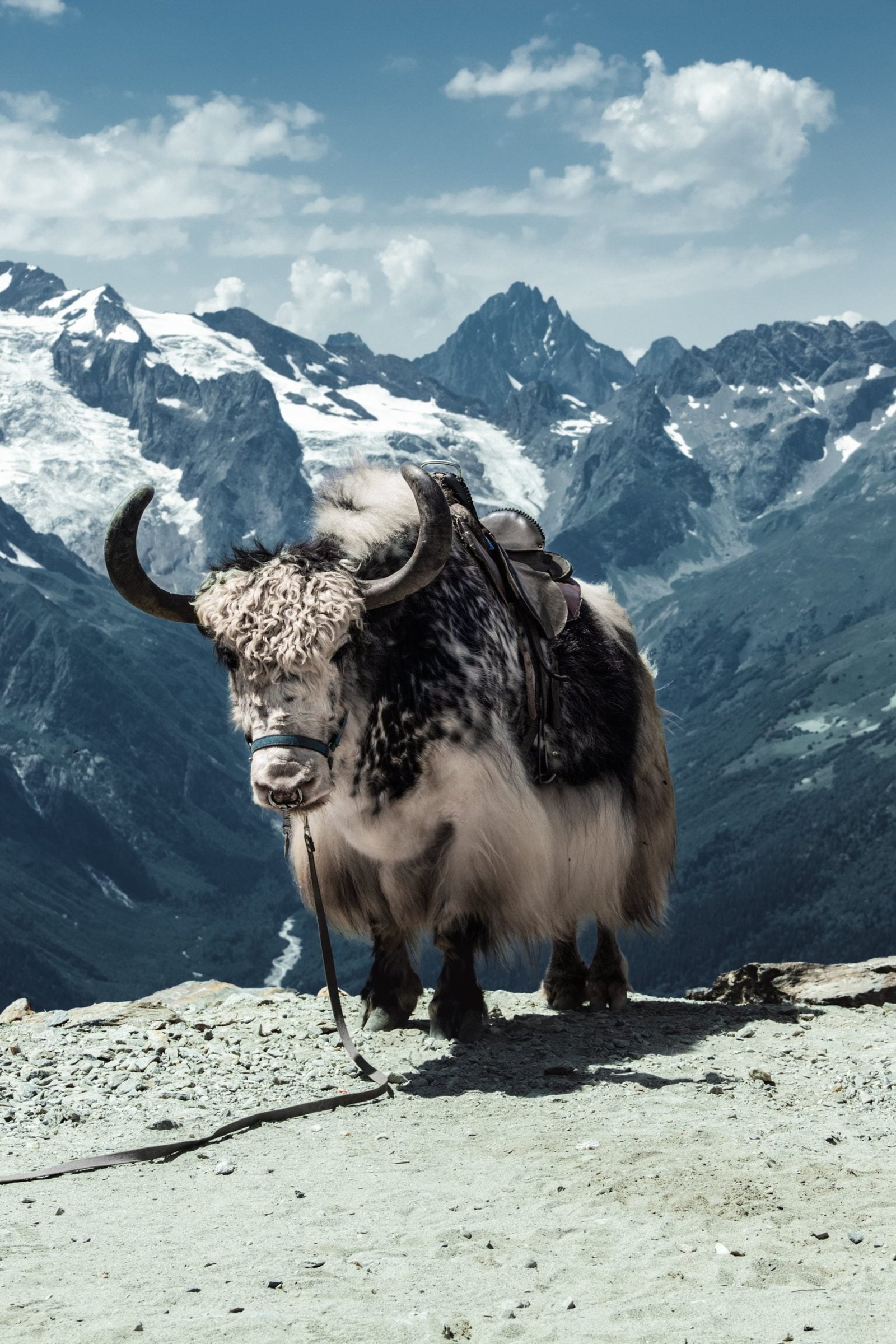
Woolly Wonders: Their fur is used for clothing and tents.
Milk Makers: Yak milk is a dietary staple in many cultures.
Transport Titans: They’re the trucks of the mountain world.
FAQs About Yaks
1: Why do Yaks live in cold places?
They’re built for the chill with their thick fur and love for high altitudes.
2: Can Yaks swim?
Yes, surprisingly, these big guys are quite good swimmers!
3: How do Yaks help people?
From providing milk, meat, and wool to being trusty transport animals
4: What sounds do Yaks make?
Grunts and snorts are their go-to communication.
5: Are Yaks endangered?
Domestic yaks are not, but wild yaks are considered vulnerable.
6: How long do Yaks live?
They can live up to 20 years.
7: What’s special about Yak milk?
It’s richer in fat and protein than cow’s milk.
8: Can Yaks handle heat?
They prefer the cold and can struggle in warmer climates.
9: Do Yaks have any predators?
Snow leopards and wolves, but their size gives them an advantage.
10: Are Yaks friendly?
They’re generally calm and can be quite friendly.
Conclusion
Yaks are fascinating, from their thick, woolly coats to their ability to live where the air is thin. These gentle giants of the mountains are much more than meets the eye. Curious to learn more? Trek over to Top Pet Breeds for the full yak-tastic experience!
References And External Links
Yaks: A Guide to the High-Altitude Livestock” by Dagmar Schratter: This book provides a comprehensive look into the life and significance of Yaks in high-altitude regions.
Yaks: A Guide to the High-Altitude Livestock on Amazon
The Yak, Second Edition” by Gerald Wiener, Han Jianlin, and R.T. Long: An extensive resource on Yak biology, domestication, and use in high-altitude farming.
Wild Yaks: Masters of the High Altitude” on National Geographic: Offers insights into the behavior and environment of wild Yaks.
International Yak Association (IYAK): Provides resources and information about Yak breeding and conservation.
Yak Digital Archive at the FAO: A collection of research articles and resources on Yaks.
Yak Research Articles on ResearchGate: Scientific articles and studies about various aspects of Yaks.