
Welcome, feline enthusiasts, to Pet Breed Hub! Today, we embark on an exciting journey to explore the captivating world of the Chausie cat. Buckle up as we delve into the intriguing characteristics, origin, and care tips for this extraordinary breed.
Chausie Cat Overview Chart
| Characteristic | Description |
|---|---|
| Breed Name | Chausie Cat |
| Origin | Egypt and surrounding regions |
| Size | Medium to large |
| Coat Type | Short, dense, and luxurious |
| Coat Colors | Solid black, black grizzled tabby, brown ticked tabby, etc. |
| Personality | Intelligent, active, and social |
| Lifespan | 12 to 14 years |
| Grooming Needs | Minimal grooming required |
| Exercise Requirements | High |
| Suitable for Families | Yes |
Origin
The Chausie cat’s roots can be traced back to ancient Egypt, where they were revered for their hunting prowess and loyalty. These majestic felines were believed to have descended from the African Jungle Cat (Felis chaus), hence their distinctive appearance and agile nature.
In the wild, African jungle cats are known for their impressive hunting skills and ability to thrive in diverse environments, from dense forests to arid savannas. Over time, these wild ancestors began to interact with domestic cats, resulting in the creation of the Chausie breed as we know it today.
The name “Chausie” is derived from the Latin word “chaus,” which means jungle cat—a fitting tribute to the breed’s wild heritage. While the exact origins of the Chausie cat remain shrouded in mystery, their lineage can be traced back to ancient Egypt, where they were revered as sacred symbols of protection and fertility.
Despite their wild ancestry, Chausie cats have adapted well to domestic life and form strong bonds with their human companions. Today, they are cherished for their intelligence, affectionate nature, and striking appearance, making them a popular choice among cat enthusiasts worldwide.
Characteristics
Appearance
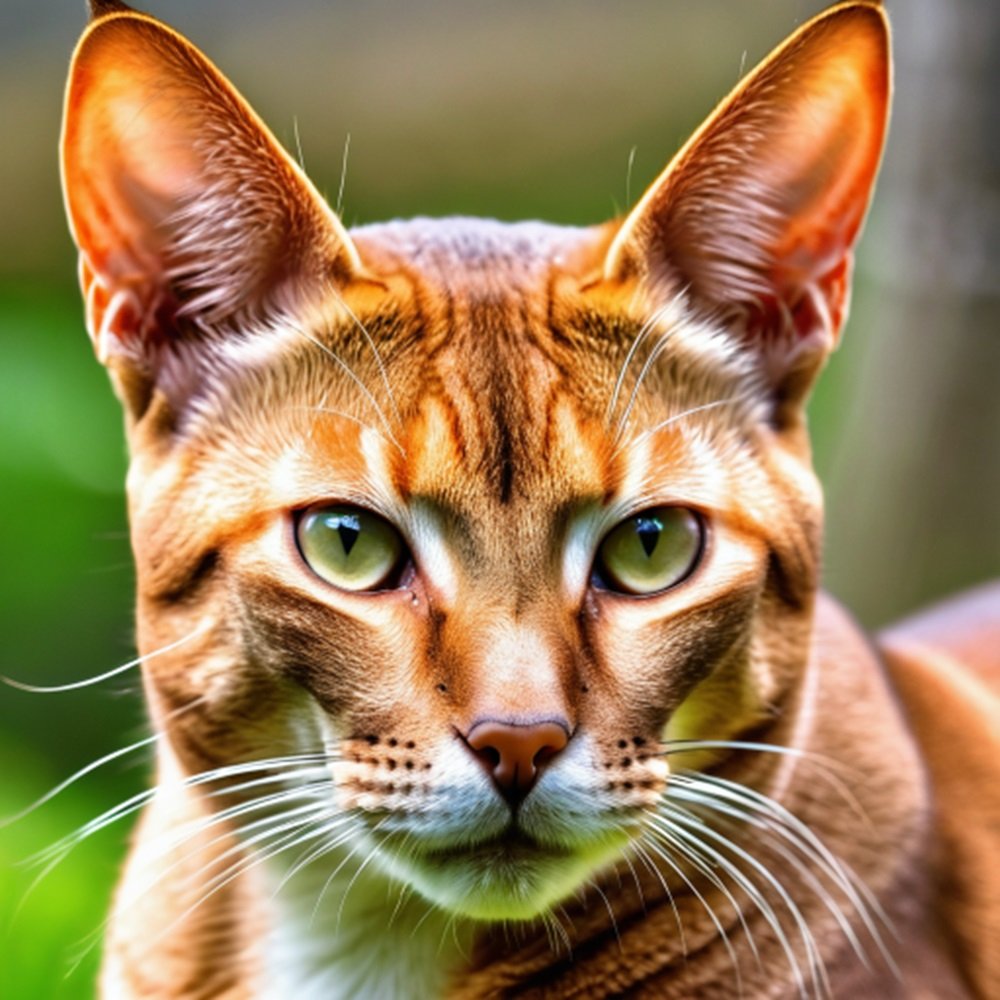
The Chausie cat is known for its sleek and athletic build, resembling its wild ancestor, the African Jungle Cat. They have long legs, a slender body, and a deep chest, giving them a graceful and agile appearance.
Their coat is short, dense, and close-lying, with a glossy texture. The most common coat colors for Chausie cats include solid black, brown ticked tabby, silver ticked tabby, and grizzled tabby.
Temperament
Chausies are intelligent, curious, and highly active. They enjoy exploring their surroundings and engaging in interactive play.
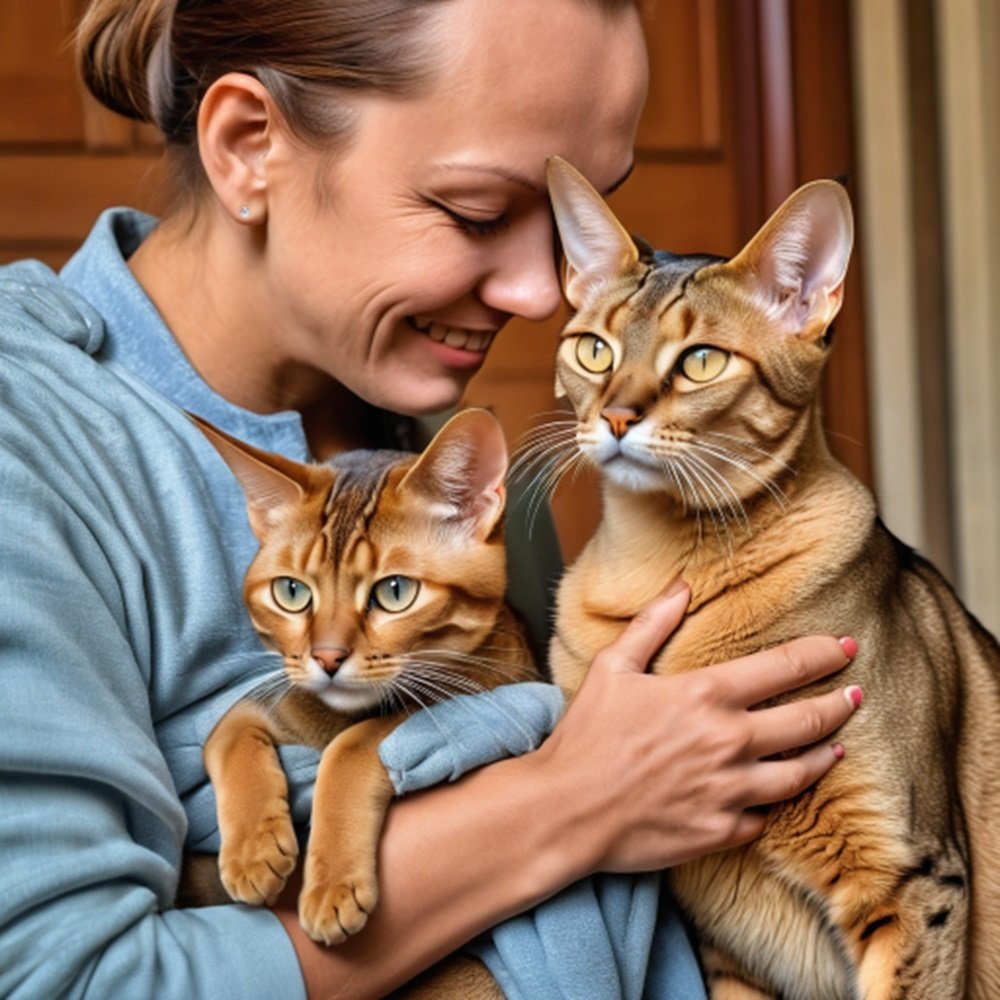
Despite their wild ancestry, Chausies are affectionate and sociable cats that form strong bonds with their human families. They thrive on companionship and enjoy being involved in household activities.
Energy Levels
Due to their high energy levels, Chausie cats require plenty of physical and mental stimulation to stay happy and healthy. Interactive toys, puzzle feeders, and regular play sessions are essential for keeping them entertained and engaged.
Vocalization
Chausie cats are known for their expressive vocalizations, which they use to communicate with their owners. They may chirp, trill, or meow to express their needs, emotions, or excitement.
Grooming Needs
Chausie cats have low grooming needs due to their short coat, requiring minimal grooming to keep their fur in good condition. Regular brushing can help remove loose hair and reduce shedding.
Trainability
Chausies are highly intelligent and trainable, making them adept at learning tricks and commands. Positive reinforcement techniques, such as clicker training and rewards-based training, work well with this breed.
Socialization
Early socialization is crucial for Chausie kittens to ensure they develop into well-adjusted and confident adults. Exposing them to various people, animals, and environments from a young age can help prevent behavioral issues and ensure they feel comfortable in different situations.
Health Considerations
Overall, Chausies are a healthy and robust breed with few hereditary health issues. However, like all cat breeds, they may be prone to certain health conditions, such as hypertrophic cardiomyopathy (HCM), a common heart condition in cats.
Temperament
Intelligent and Curious
Chausies are renowned for their high intelligence and natural curiosity. They have an insatiable desire to explore their surroundings, investigate new objects, and engage in mentally stimulating activities.
Active and Energetic
With their athletic build and boundless energy, Chausies are a highly active breed. They thrive on physical exercise and mental stimulation, requiring plenty of playtime and interactive toys to keep them entertained.
Affectionate and Sociable
Despite their wild ancestry, Chausie cats are affectionate and enjoy forming strong bonds with their human companions. They are known to be loyal and devoted pets, often seeking out affection and companionship from their owners.
Independent Yet Social
While Chausies are independent by nature, they still enjoy spending time with their families and participating in household activities. They are not overly demanding but appreciate attention and interaction from their human companions.
Expressive Vocalizations
Chausie cats are vocal animals and use a variety of sounds to communicate with their owners. From chirps and trills to meows and purrs, they express their needs, desires, and emotions through vocalizations.
Playful and Mischievous
Chausie cats retain their playful and mischievous nature well into adulthood. They enjoy interactive play sessions, puzzle toys, and games that stimulate their hunting instincts and keep them mentally engaged.
Adaptable and Versatile
Chausies are adaptable to different environments and lifestyles, making them suitable for various living situations. Whether in an urban apartment or a rural farmhouse, they can thrive as long as they receive adequate attention and enrichment.
Diet and Care
Diet
High-Quality Protein
Chausie requires a diet rich in high-quality animal protein to support their active lifestyle and maintain optimal health. Look for cat food formulas with meat or fish listed as the first ingredient to ensure sufficient protein intake.
Moderate Fat Content
While protein is essential, Chausies also need moderate amounts of healthy fats in their diet for energy and overall well-being. Choose cat food with a balanced fat content to prevent obesity while providing essential fatty acids.
Limited Carbohydrates
Chausies have limited carbohydrate requirements and thrive on a diet low in grains and fillers. Opt for cat food with minimal carbohydrate content to prevent digestive issues and maintain a healthy weight.
Hydration
Adequate hydration is crucial for Chausie cats, especially since they are active and may require more water than sedentary breeds. Ensure fresh, clean water is available at all times to promote proper kidney function and overall hydration.
Care
Regular Exercise
Chausies are highly active and require ample opportunities for exercise and play. Engage them in daily interactive play sessions, provide toys that encourage physical activity, and consider investing in a cat tree or climbing tower to satisfy their natural climbing instincts.
Grooming
Chausies have short, dense coats that require minimal grooming. Brushing them once or twice a week helps remove loose hair and prevent matting. Additionally, trim their nails regularly and clean their ears as needed to maintain good hygiene.
Veterinary Care
Schedule regular veterinary check-ups for your Chausie cat to monitor their health and address any potential issues promptly. Stay up-to-date on vaccinations, flea and tick prevention, and dental care to ensure their overall well-being.
Environmental Enrichment
Provide environmental enrichment to keep your Chausie mentally stimulated and prevent boredom. Rotate toys regularly, offer puzzle feeders or treat dispensers, and create vertical spaces for climbing and exploring.
Socialization
Chausie cats are social animals and thrive on companionship and interaction. Spend quality time with your cat, engage in bonding activities, and introduce them to new experiences and environments to prevent behavioral issues.
FAQs
1: Are Chausie cats suitable for families with children?
Yes, Chausie cats are generally good with children, especially if they are socialized from a young age. However, it’s essential to supervise interactions to ensure mutual respect and prevent rough handling.
2: Do Chausie cats get along with other pets?
Chausies can coexist with other pets, including dogs and cats, particularly if introduced gradually and given time to adjust. However, individual temperament and socialization play a significant role in their compatibility with other animals.
3: What type of environment is best for a Chausie cat?
Chausie cats thrive in environments where they have ample space to explore and exercise. A home with access to outdoor areas or plenty of indoor enrichment opportunities, such as climbing structures and interactive toys, is ideal.
4: Do Chausie cats require a lot of grooming?
Chausie cats have short, low-maintenance coats that require minimal grooming. Regular brushing to remove loose hair and occasional nail trimming and ear cleaning are usually sufficient to keep them looking their best.
5: Are Chausie cats prone to any health issues?
While generally healthy, Chausie cats may be predisposed to certain genetic conditions, such as hypertrophic cardiomyopathy (HCM). Regular veterinary check-ups and screening for potential health issues are recommended.
6: How much exercise do Chausie cats need?
Chausie cats are highly active and require plenty of physical and mental stimulation to thrive. Daily interactive play sessions, access to climbing structures, and toys that encourage hunting and chasing are essential for their well-being.
7: What type of diet is best for a Chausie cat?
Chausie cats benefit from a high-protein, moderate-fat diet formulated for their life stage and activity level. Choose quality cat food with meat or fish as the primary ingredients and minimal fillers or artificial additives.
8: At what age do Chausie cats reach maturity?
Chausie cats typically reach physical maturity between 1 to 2 years of age. However, their playful and energetic demeanor may persist well into adulthood.
9: Are Chausie cats vocal?
Chausie cats are known for their expressive vocalizations and may communicate with their owners through meows, chirps, and trills. They enjoy interacting with their human companions and may use vocal cues to express their needs and desires.
10: Do Chausie cats enjoy water?
Many Chausie cats have a fondness for water and may enjoy playing with dripping faucets, splashing in water bowls, or even joining their owners in the shower or bath. However, individual preferences may vary.
References And External Links
The International Cat Association (TICA)
American Association of Professional Cat Trainers (AAPCT)
Chausie Cat Club
Chausie Rescue: