
Welcome to Pet Breed Hub, your go-to destination for all things furry and fabulous! Today, we’re diving into the delightful world of Keeshonds. Buckle up, because we’re about to embark on an adventure filled with fluff, fun, and plenty of tail wags!
Breed Overview
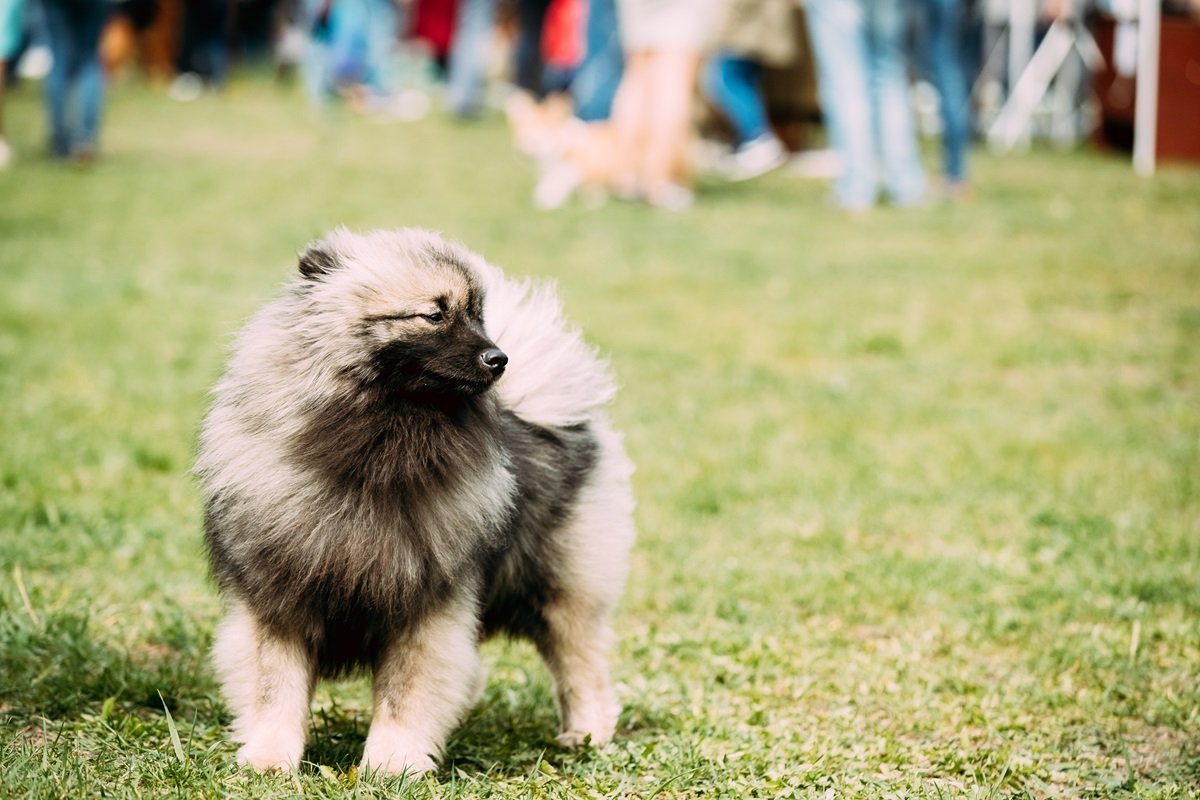
| Characteristic | Description |
|---|---|
| Origin | Netherlands |
| Size | Medium |
| Coat | Double coat, plush and fluffy |
| Colors | Shades of gray, black, and cream |
| Temperament | Friendly, affectionate, intelligent, and alert |
| Lifespan | 12 to 15 years |
| Exercise Needs | Moderate |
| Grooming Needs | Moderate grooming, and regular brushing to prevent matting and shedding |
| Trainability | Highly trainable with positive reinforcement techniques |
| Adaptability | Adaptable to various living environments, including apartments |
| Compatibility | Good with children and other pets, may bark to alert owners of strangers |
| Health Issues | Prone to hip dysplasia, progressive retinal atrophy, and obesity if not provided with enough exercise |
| Famous Owners | President Calvin Coolidge, Queen Victoria |
Origin
The Keeshond, also known as the “Smiling Dutchman” or “Dutch Barge Dog,” hails from the Netherlands, where it has a rich history dating back centuries. This breed’s origins can be traced to the Arctic or Siberian spitz-type dogs, which were brought to the Netherlands by Arctic travelers and seafarers.
During the 17th and 18th centuries, the Keeshond became a beloved companion and watchdog among Dutch canal boat captains, tradesmen, and farmers. They were particularly favored as watchdogs on riverboats, barges, and farms due to their alertness, loyalty, and distinctive bark, which served as an effective deterrent against intruders.
The breed’s name is derived from Cornelis (Kees) de Gyselaer, a Dutch patriot who owned a Keeshond named Kees during the Dutch political upheaval of the late 18th century. The Keeshond quickly became associated with the patriot faction, and their popularity soared among the Dutch working class.
Although the Keeshond’s role as a watchdog on boats diminished with the decline of the Dutch canal system, its popularity as a companion dog continued to thrive. In the early 20th century, dedicated breed enthusiasts worked to preserve and promote the Keeshond’s heritage, leading to the establishment of breed standards and the formation of breed clubs.
Temperament

The Keeshond is renowned for its friendly and affectionate nature, making it an excellent companion for families, singles, and seniors alike. Here are some key temperament traits of the Keeshond:
Affectionate
Keeshonds are known for their deep affection towards their human family members. They form strong bonds and thrive on companionship and attention.
Friendly
With their sociable disposition, Keeshonds are typically outgoing and friendly towards strangers, making them poor guard dogs but excellent welcoming committee members.
Alertness
Despite their friendly nature, Keeshonds are naturally alert and make excellent watchdogs. They will bark to alert their owners to approaching strangers or unusual sounds.
Intelligent
Keeshonds are highly intelligent and eager to please, which makes them relatively easy to train. They excel in obedience training and enjoy mental stimulation activities.
Playful
With their playful and lively demeanor, Keeshonds make wonderful playmates for children and other pets. They enjoy interactive games and activities that engage both their body and mind.
Adaptable
Keeshonds adapt well to various living environments, whether it’s a spacious suburban home or a cozy apartment, as long as they receive plenty of love, attention, and daily exercise.
Independent Thinkers
While they are eager to please, Keeshonds also have an independent streak and may exhibit stubbornness at times. Consistent and positive reinforcement training methods are key to managing this trait.
Loyal
Keeshonds are fiercely loyal to their families and will form a strong bond with their primary caregivers. They thrive on being included in family activities and enjoy spending quality time with their loved ones.
Appearance
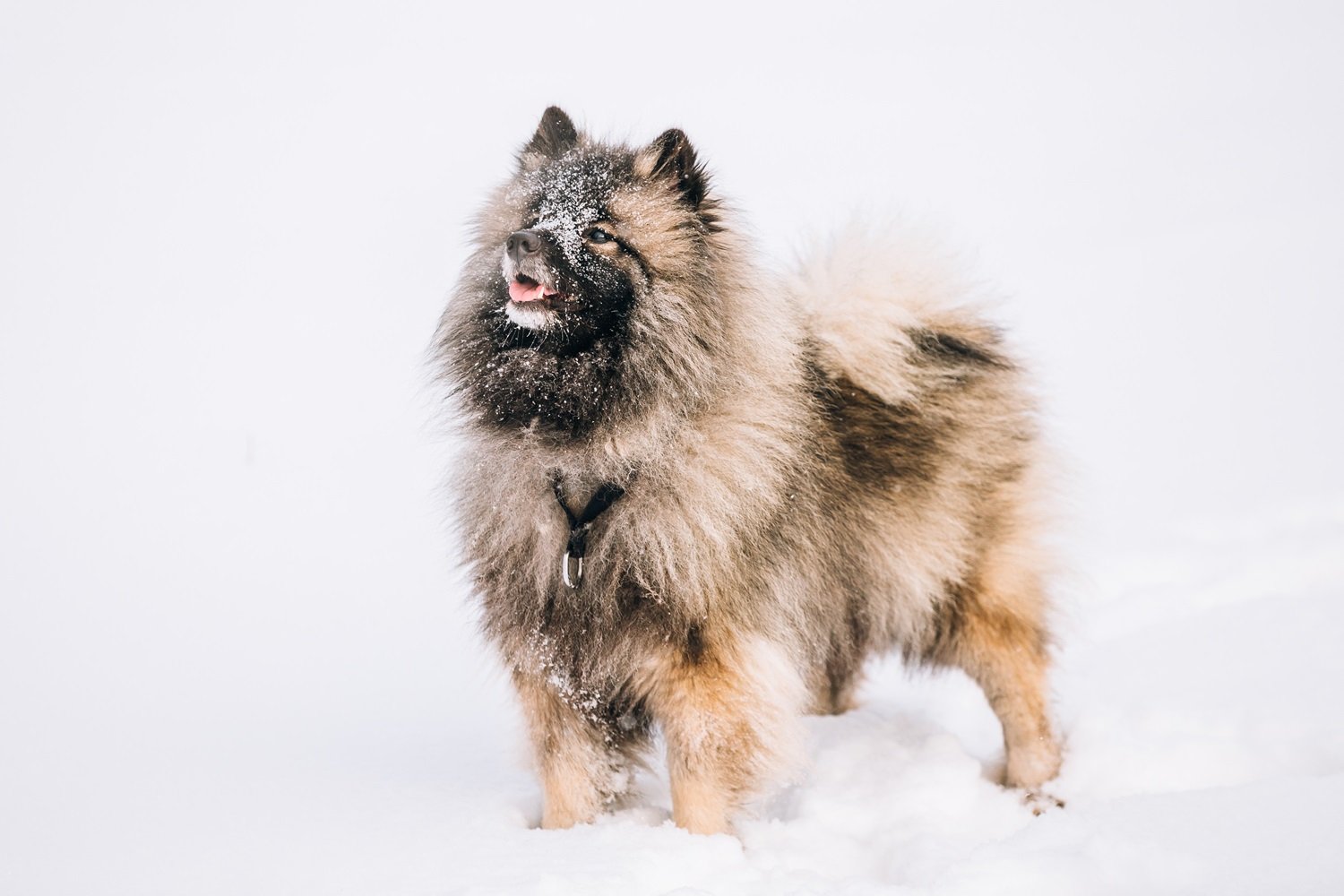
The Keeshond is a distinctive and strikingly beautiful breed known for its plush, double-layered coat and expressive facial features. Here are the key characteristics of the Keeshond’s appearance:
Size
The Keeshond is a medium-sized dog with a sturdy build. Adult males typically stand between 17 to 18 inches tall at the shoulder, while females are slightly smaller, ranging from 16 to 17 inches.
Body
The Keeshond has a well-proportioned body with a square-shaped build. They have a deep chest, a level topline, and a strong, muscular frame that gives them an agile and balanced appearance.
Coat
One of the most distinguishing features of the Keeshond is its luxurious double coat, which consists of a soft, dense undercoat and a longer, harsh-textured outer coat. The coat forms a distinctive mane around the neck and shoulders, giving the breed a majestic appearance.
Color
The Keeshond’s coat is predominantly a mixture of silver and black, with characteristic “spectacles” markings around the eyes and “leggings” on the legs. The breed also typically has cream or pale gray markings on the muzzle, chest, and underside.
Head
The Keeshond has a refined yet expressive head with a distinctive fox-like appearance. They have medium-sized, triangular ears that stand erect and are set high on the head. Their dark, almond-shaped eyes convey intelligence and warmth.
Expression
The Keeshond is known for its friendly and alert expression, characterized by bright, expressive eyes and a well-defined stop. Their facial markings, including the distinctive spectacles and markings on the muzzle, contribute to their engaging and expressive appearance.
Tail
The Keeshond has a distinctive plumed tail that is set high and carried over the back in a graceful curve. The tail is heavily plumed with long, abundant fur, adding to the breed’s overall elegance and charm.
Movement
Keeshonds move with a smooth, effortless gait that reflects their agility and grace. They exhibit a light and buoyant movement, with good reach and drive in the front and rear.
Facts
Ancient Origins
The Keeshond, also known as the Dutch Barge Dog, is a breed with ancient origins, believed to have originated in the Netherlands during the 17th and 18th centuries. They were originally bred to serve as companions and watchdogs on Dutch barges and farms.
Breed Name
The name “Keeshond” is derived from the Dutch patriot Cornelis (Kees) de Gyselaer, who owned a dog named Kees that became a symbol of the Dutch political movement in the late 18th century.
Distinctive Coat
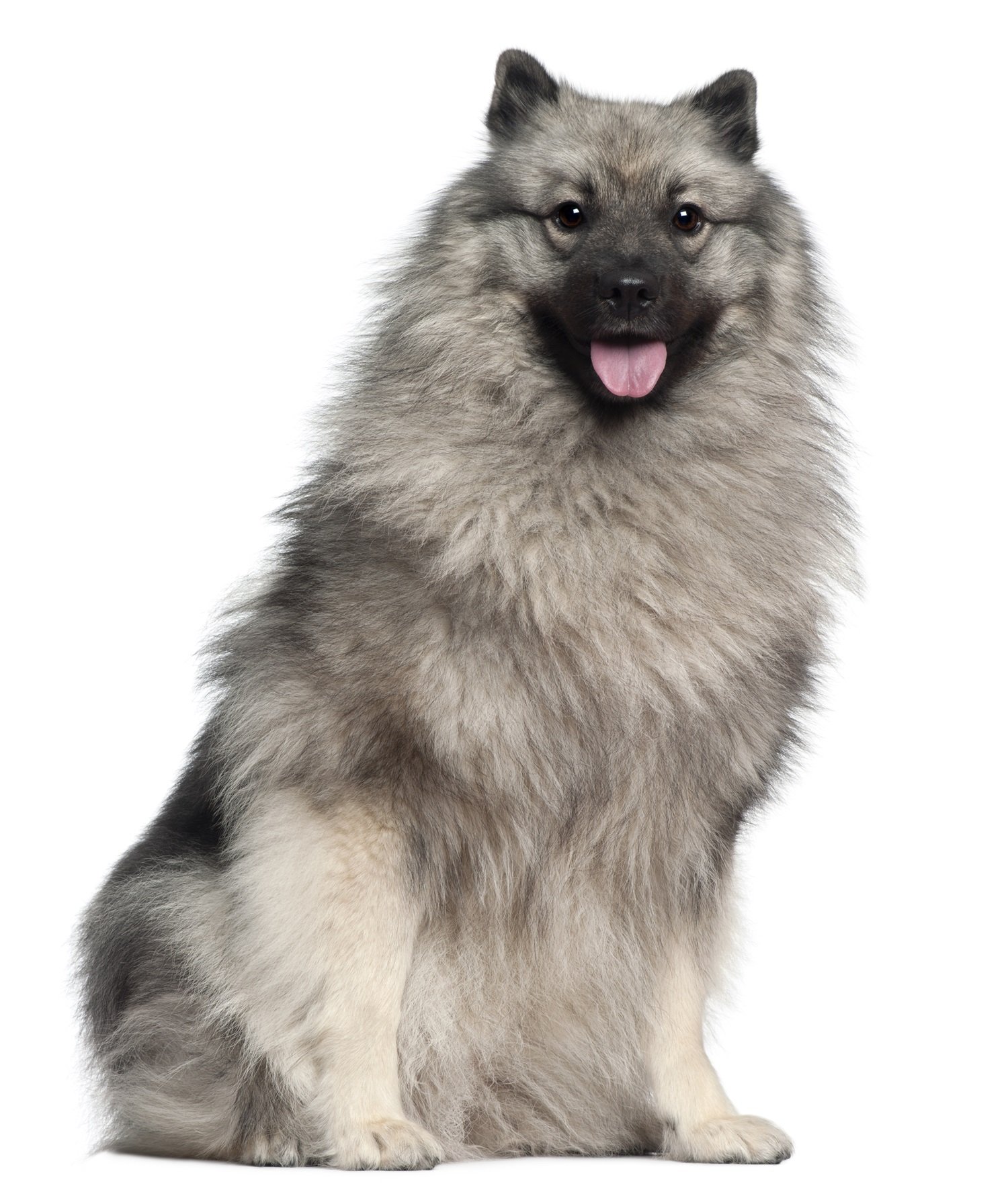
One of the most striking features of the Keeshond is its luxurious double coat, which consists of a soft, dense undercoat and a longer, harsh-textured outer coat. This coat provides insulation and protection from the elements.
Expression and Spectacles
Keeshonds are known for their expressive facial features, including their bright, almond-shaped eyes and distinctive “spectacles” markings around the eyes. These markings contribute to their engaging and friendly expression.
Friendly and Affectionate
Keeshonds are renowned for their friendly and affectionate nature. They are loyal and devoted companions, forming strong bonds with their families. They thrive on human companionship and enjoy being involved in all family activities.
Intelligent and Alert
As a highly intelligent breed, Keeshonds are quick learners and eager to please. They have a natural sense of alertness and make excellent watchdogs, alerting their owners to any potential threats or disturbances.
Good with Children
Keeshonds are known for their gentle and tolerant demeanor, making them excellent family pets, particularly for households with children. They are patient and playful, enjoying the company of children and participating in family play sessions.
Moderate Exercise Needs
While Keeshonds have moderate exercise needs, they enjoy daily walks and playtime to keep them mentally and physically stimulated. They also excel in canine sports such as agility and obedience training.
Socialization
Early socialization is essential for Keeshond puppies to ensure they develop into well-adjusted adults. Exposing them to various people, animals, and environments from a young age helps prevent shyness or fearfulness.
Health Considerations
Like all breeds, Keeshonds may be prone to certain health issues, including hip dysplasia, patellar luxation, and progressive retinal atrophy (PRA). Regular veterinary check-ups, a balanced diet, and proper exercise are essential for maintaining their overall health and well-being.
Frequently Asked Questions
1: Are Keeshonds good family pets?
Yes, they are excellent family pets known for their friendly and affectionate nature. They are gentle with children and form strong bonds with their families.
2: Do Keeshonds require a lot of grooming?
Keeshonds have a thick double coat that requires regular grooming to prevent matting and keep it looking its best. Weekly brushing and occasional baths are recommended.
3: Are Keeshonds easy to train?
Yes, they are intelligent and eager to please, making them relatively easy to train. Positive reinforcement methods and consistency are keys to their successful training.
4: Do Keeshonds bark a lot?
Keeshonds are known to be vocal dogs and may bark to alert their owners of potential threats or to express excitement. Proper training and socialization can help manage excessive barking behavior.
5: Are Keeshonds good with other pets?
With proper socialization, Keeshonds can get along well with other pets in the household, including cats and smaller animals. Early introductions and supervised interactions are recommended.
6: Do Keeshonds have any health problems?
While generally healthy, Keeshonds may be prone to certain health issues such as hip dysplasia, patellar luxation, and progressive retinal atrophy (PRA). Regular veterinary check-ups can help detect and address any health concerns early.
7: How much exercise do Keeshonds need?
Keeshonds have moderate exercise needs and benefit from daily walks and play sessions to keep them mentally and physically stimulated. They also enjoy participating in canine sports and activities.
8: What is the typical lifespan of a Keeshond?
Typically, they live between 12 to 15 years, although some may live longer with proper care and attention to their health needs.
9: Are Keeshonds good watchdogs?
Yes, they make excellent watchdogs due to their natural alertness and tendency to bark when they sense something unusual. They are protective of their families and homes.
10: Do Keeshonds shed a lot?
Yes, it sheds moderately year-round, with heavier shedding occurring during seasonal changes. Regular grooming helps minimize shedding and keeps their coat healthy and shiny.
References And External Links
American Kennel Club. (n.d.). Keeshond. Retrieved from: visit
The Kennel Club. (n.d.). Keeshond. Retrieved from: visit
PetMD. (n.d.). Keeshond. Retrieved from: visit