
The Arctic fox (Vulpes lagopus), also known as the white fox or polar fox, is one of nature’s most resilient creatures. This small but mighty mammal thrives in the harsh, icy tundra of the Arctic. Its remarkable adaptations, unique behaviors, and essential role in its ecosystem make it a fascinating species to explore.
Arctic Fox Breed Overview
| Characteristic | Details |
|---|---|
| Scientific Name | Vulpes lagopus |
| Common Names | Arctic Fox, White Fox, Polar Fox, Snow Fox |
| Class | Mammalia |
| Order | Carnivora |
| Family | Canidae |
| Genus | Vulpes |
| Species | V. lagopus |
| Average Size | Length: 18–27 inches (46–68 cm), excluding tail |
| Tail Length | 12 inches (30 cm) |
| Weight | 6–10 pounds (2.7–4.5 kg) |
| Coat Color | White in winter; brown or gray in summer |
| Lifespan | 3–6 years in the wild; up to 10 years in captivity |
| Habitat | Arctic tundra, coastal areas, and pack ice |
| Diet | Carnivorous: small mammals, birds, fish, carrion |
| Adaptations | Thick fur, compact body, seasonal camouflage |
| Reproductive Season | March-May |
| Litter Size | 5–10 kits |
| IUCN Conservation Status | Least Concern (globally); some populations endangered |
| Geographic Range | Arctic regions of North America, Europe, Asia, and Greenland |
Physical Characteristics of the Arctic Fox
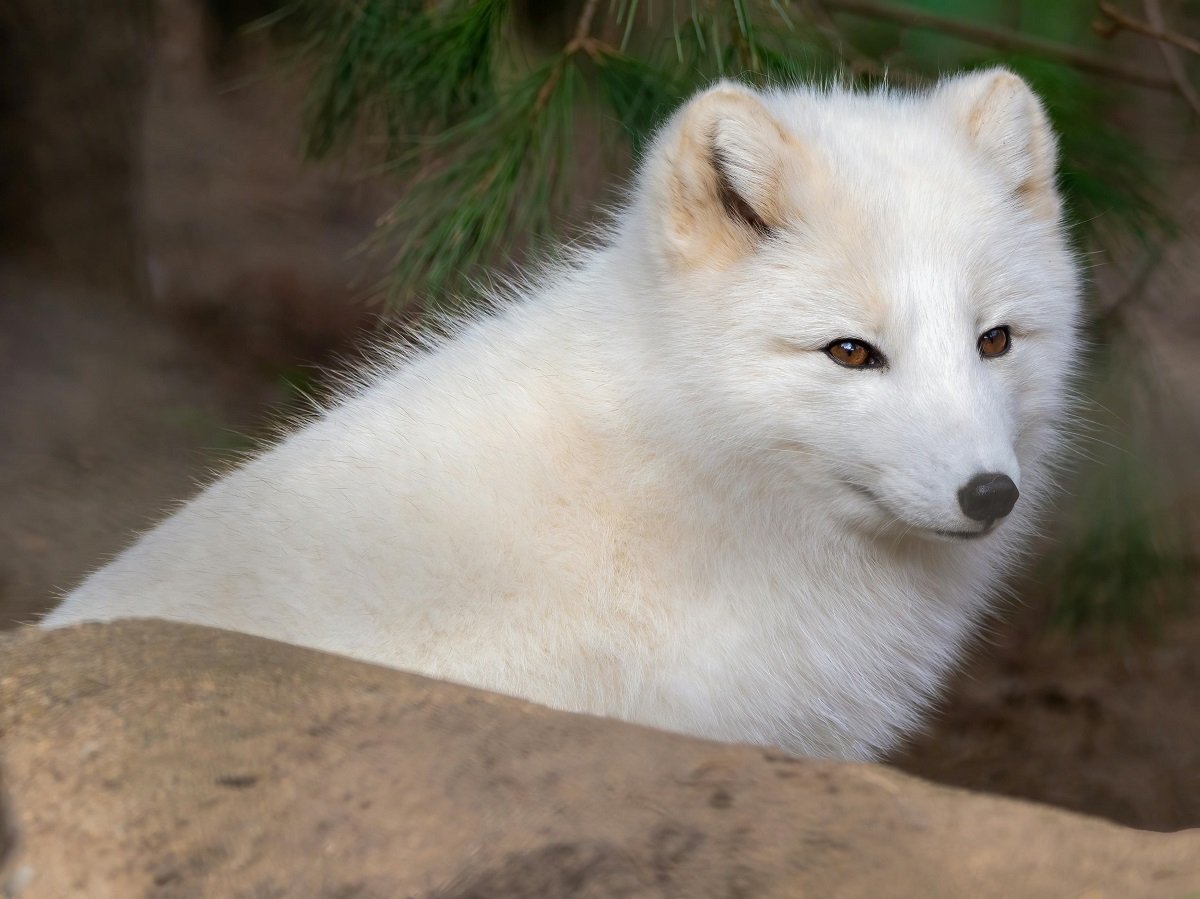
The Arctic fox is a compact animal built to endure extreme cold. Its thick fur coat, which changes color with the seasons, is one of its most distinguishing features. During winter, the fur is a pristine white, allowing the fox to blend seamlessly with the snow and ice. This camouflage helps it avoid predators and sneak up on prey. In summer, the coat turns brown or gray to match the rocky tundra.
Arctic foxes are small, weighing between 6 to 10 pounds (2.7 to 4.5 kilograms) and measuring about 18 to 27 inches (46 to 68 centimeters) in length, excluding their bushy tails. Their tails, or “brushes,” add another 12 inches (30 centimeters) and serve multiple purposes, including providing balance and warmth.
Their rounded ears, short muzzle, and compact body shape minimize heat loss, a vital adaptation to their frigid environment. Even their paws are covered with fur, which acts like built-in snowshoes for walking on ice and snow.
Habitat of the Arctic Fox
Arctic foxes are found in the tundra regions of the Northern Hemisphere, including areas of Canada, Alaska, Greenland, Russia, Norway, and Iceland. These regions are characterized by freezing temperatures, high winds, and limited vegetation.
The foxes make their homes in dens, often digging into the sides of hills or cliffs to provide shelter from the elements. Some dens are centuries old, passed down through generations of fox families. These dens have multiple entrances and chambers, offering protection from predators and harsh weather.
Diet and Hunting Skills
Arctic foxes are opportunistic feeders, meaning they eat whatever is available. Their diet primarily consists of small mammals, such as lemmings and voles, which make up the majority of their food during the summer months.
In winter, when food is scarce, Arctic foxes become scavengers. They follow polar bears and other predators, feeding on leftover carcasses, including seals. They also eat fish, birds, and bird eggs. In times of extreme scarcity, they may consume berries, seaweed, or even their own feces.
One of their most remarkable skills is their ability to locate prey hidden beneath the snow. With their acute sense of hearing, they can detect the movements of small animals. Once they pinpoint the location, they leap into the air and dive into the snow to catch their prey—a behavior known as “mousing.”
Reproduction and Family Life
Arctic foxes are monogamous animals, often mating for life. Breeding season occurs during late winter or early spring. After a gestation period of about 52 days, the female, known as a vixen, gives birth to a litter of 5 to 10 kits.
The kits are born in the safety of the den, where they remain for the first few weeks of their lives. Both parents take part in raising their young, providing food and protection. The kits grow rapidly, learning essential survival skills such as hunting and avoiding predators. By autumn, they are ready to leave the den and fend for themselves.
Adaptations for Survival
The Arctic fox’s ability to survive in such extreme conditions is due to its incredible adaptations:
Thick Fur
Their dense, multilayered fur provides insulation against freezing temperatures. It also repels water, keeping the fox dry in snowy conditions.
Seasonal Camouflage
The color-changing coat helps them remain undetected by predators and prey.
Body Shape
Their compact body minimizes heat loss, while their furry paws provide grip and insulation on icy surfaces.
Behavioral Adaptations
Arctic foxes are known to curl up tightly to conserve body heat, using their bushy tails as a blanket.
Food Storage
During summer, they sometimes store excess food in their dens to consume during the lean winter months.
Predators and Threats
Despite their adaptations, Arctic foxes face numerous threats. Their natural predators include polar bears, wolves, and larger birds of prey such as eagles.
Human activities, such as hunting and habitat encroachment, also pose significant risks. Arctic foxes are hunted for their fur, which is highly valued for its warmth and beauty. Additionally, climate change is drastically altering their environment. Melting ice and changing temperatures are affecting prey availability and increasing competition with red foxes, which are expanding into Arctic regions.
Role in the Ecosystem
Arctic foxes play a vital role in the tundra ecosystem. As predators, they help control populations of small mammals like lemmings, preventing overpopulation and maintaining ecological balance. Their scavenging habits also contribute to nutrient recycling, breaking down carcasses and returning essential nutrients to the soil.
Conservation Status
The Arctic fox is listed as a species of least concern by the International Union for Conservation of Nature (IUCN). However, certain populations, particularly in Scandinavia, are critically endangered due to habitat loss and competition with red foxes.
Conservation efforts include habitat protection, monitoring population trends, and controlling red fox encroachment. Public awareness campaigns also aim to reduce the hunting of Arctic foxes for their fur.
Fun Facts About Arctic Foxes
Arctic foxes can survive temperatures as low as -58°F (-50°C) without shivering.
They have the warmest fur of any mammal, adapted specifically for Arctic conditions.
These foxes are excellent swimmers and can cross icy waters if necessary.
Arctic foxes are known for their playful nature, often seen rolling in the snow or chasing one another.
The species name lagopus means “hare foot,” referring to their fur-covered paws.
Arctic Foxes in Culture
The Arctic fox has inspired countless myths and legends in Arctic communities. Often seen as a symbol of cleverness and resilience, it appears in folklore, art, and storytelling. Its beauty and adaptability continue to capture the imagination of people worldwide.
Unraveling the Mysteries of the Fennec Fox: A Comprehensive Guide
Why Arctic Foxes Matter
The Arctic fox is more than just a symbol of the frozen north. It represents the resilience of life in even the harshest conditions. As an integral part of the Arctic ecosystem, their survival is closely tied to the health of their environment. Protecting the Arctic fox means safeguarding one of the planet’s most fragile and unique ecosystems.