
The goshawk is a bird of prey that belongs to the Accipiter genus. Known for its agility and strength, this bird is a master of the skies and forests. Its scientific name is Accipiter gentilis. It is one of the largest members of the hawk family, and it has fascinated bird watchers and nature lovers for centuries. In this article, we will explore everything about the goshawk, including its habitat, behavior, hunting skills, and its role in the ecosystem.
Breed Overview
| Feature | Details |
|---|---|
| Common Name | Goshawk |
| Scientific Name | Accipiter gentilis |
| Class | Aves |
| Order | Accipitriformes |
| Family | Accipitridae |
| Genus | Accipiter |
| Diet | Carnivore |
| Lifespan | Up to 10 years (wild) |
| Wingspan | 89–127 cm (35–50 in) |
| Length | 46–69 cm (18–27 in) |
| Weight | 0.5–1.4 kg (1.1–3.1 lb) |
| Habitat | Forests and woodlands |
| Global Distribution | North America, Europe, Asia, and parts of Africa |
Physical Appearance
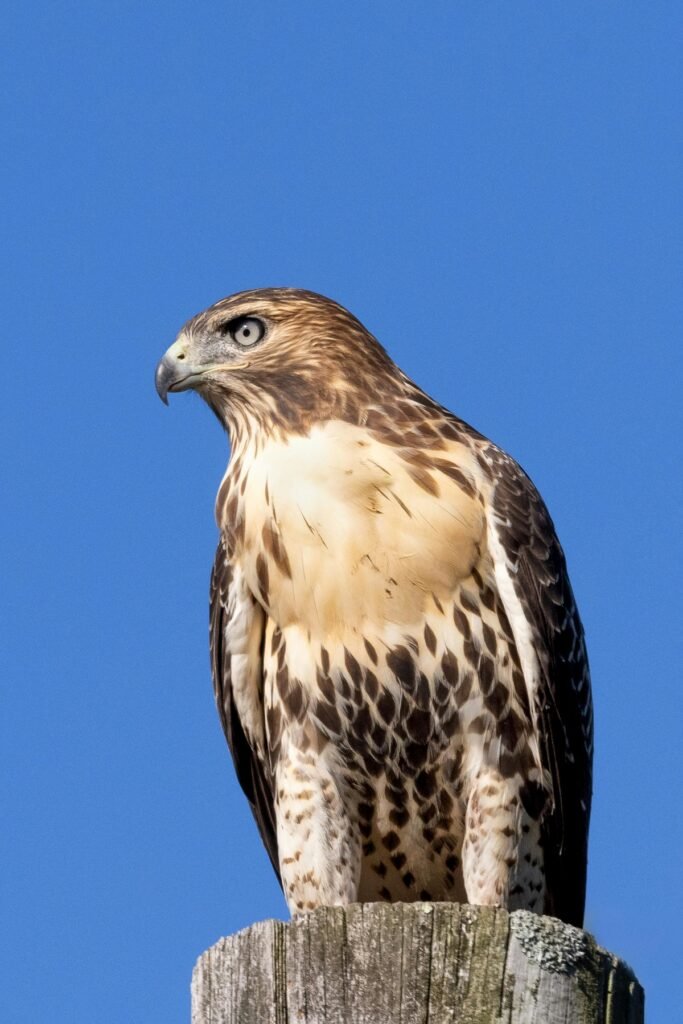
The goshawk is a medium-to-large raptor. Its body is muscular and built for speed and precision. Adult goshawks have slate-gray feathers on their back and wings. Their underside is white with fine gray barring. One of their most striking features is their red or orange eyes, which stand out against their dark gray heads.
Juvenile goshawks look different from adults. They have brown feathers with streaks on their chest and belly. Their eyes are yellow, and they do not turn red until they mature. These physical differences make it easy to identify young goshawks in the wild.
The goshawk’s wings are broad and rounded, while its tail is long. These features allow it to maneuver through dense forests with ease. The bird can quickly change direction while flying, making it an efficient hunter.
Habitat
Goshawks are found in many parts of the world. They live in North America, Europe, Asia, and parts of Africa. These birds prefer forests, especially those with tall trees and open spaces. They use the trees for nesting and as perches when hunting.
In North America, the northern goshawk is commonly found in mountainous regions and large forests. In Europe, it is more widespread, inhabiting woodlands and even some urban parks. These adaptable birds can live in various environments as long as there is enough prey and shelter.
Diet and Hunting Skills
The goshawk is a carnivore. Its diet mainly consists of small mammals and birds. Rabbits, squirrels, pigeons, and grouse are some of its favorite prey. Goshawks are ambush predators. They rely on stealth and speed to catch their food.
When hunting, a goshawk will perch quietly in a tree and scan its surroundings. Once it spots prey, it launches a swift and deadly attack. Using its powerful wings, it can fly at incredible speeds, even through dense forests. Its sharp talons and hooked beak are perfect for catching and killing prey.
Goshawks are known for their determination during a hunt. They will chase their prey over long distances if needed. Their ability to weave through trees at high speed gives them an advantage over many other predators. necessary, and their
Behavior and Communication
Goshawks are solitary birds. They are territorial and will defend their nesting area fiercely. During the breeding season, males and females work together to protect their nests and young.
These birds communicate through calls and body language. Their calls are sharp and piercing, especially during the breeding season. They use these sounds to warn intruders or to communicate with their mates.
Breeding and Nesting
Goshawks usually mate for life. The breeding season begins in early spring. The male performs aerial displays to attract the female. Once paired, the birds work together to build a nest.
The nest is often located high in a tree. It is made of sticks and lined with softer materials like leaves and bark. The female lays two to four eggs, and she incubates them for about 30 to 35 days. During this time, the male hunts and brings food to the nest. and
When the chicks hatch, they are covered in white down feathers. Both parents take care of them, feeding them until they are strong enough to leave the nest. The young goshawks, or fledglings, start flying at around five to six weeks old. They stay with their parents for a few more weeks before becoming independent.
Interesting Facts About Goshawks
Name Origin: The name “goshawk” comes from the Old English word “gōs-hafoc,” which means “goose hawk.”
Incredible Speed: Goshawks can reach up to 40 miles per hour when chasing prey.
Silent Hunters: Their feathers are specially designed to reduce noise during flight, making them stealthy predators.
Symbolism: In some cultures, the goshawk symbolizes strength, focus, and determination.
Long Lifespan: In the wild, goshawks can live up to 10 years, but in captivity, they may live even longer.
Falconry: Goshawks have been used in falconry for centuries. Their hunting skills and intelligence make them prized birds among falconers.
How to Spot a Goshawk in the Wild
If you want to see a goshawk, you need patience and a keen eye. These birds are shy and avoid human activity. Early morning and late afternoon are the best times to spot them, as this is when they are most active.
Look for them in forests with tall trees. Please pay attention to their sharp calls and look for signs of hunting activity. A goshawk’s flight is distinct; it involves quick wingbeats followed by short glides. If you see a bird flying low and fast through the trees, it might be a goshawk.
Conclusion
The goshawk is a fascinating bird of prey. Its agility, strength, and intelligence make it one of nature’s most skilled hunters. Despite its challenges, the goshawk continues to thrive in many parts of the world. By learning more about these incredible birds and supporting conservation efforts, we can help protect them and the ecosystems they call home.