
Unveiling the World of Leopard Gecko Morphs 🎨
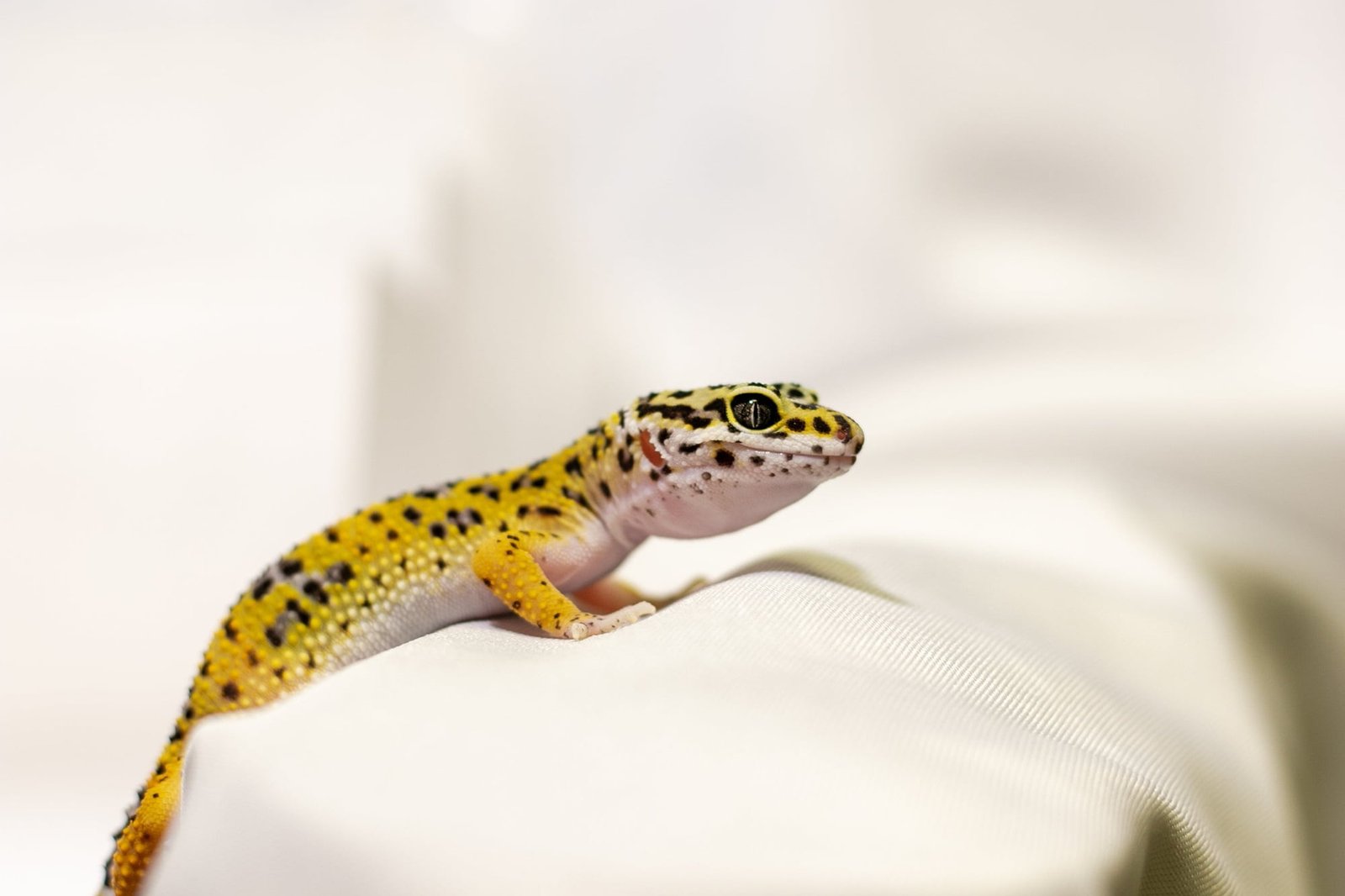
Leopard geckos, those charismatic little reptiles, aren’t just your average pets. They come in a spectacular array of colors and patterns, known as morphs. Each morph is unique, turning your pet into a living, crawling work of art!

The Magic of Morphs 🌟
What’s a Morph?: It’s all about genetics! Different combinations create various colors, patterns, and even eye colors.
Why Morphs Matter: Aside from being eye candy, morphs can tell you about your gecko’s health and behavior.

Popular Leopard Gecko Morphs 🏆
| Morph Name | Description | Coloration | Unique Features |
|---|---|---|---|
| Normal | Wild-type, original appearance. | Yellow with black spots | Traditional, natural look. |
| Albino | Lacks melanin, sensitive to light. | Light yellow or pinkish | Three types: Tremper, Rainwater, Bell. |
| Blizzard | Patternless, can have slight markings. | White to light yellow | Sometimes features subtle patterns. |
| Leucistic | Reduced pattern and pigmentation. | White with faint yellow tint | May have slightly darker head. |
| Hypoallergenic | Fewer spots, enhanced color. | Bright yellow or orange | Increased vibrancy and reduced spotting. |
| Tangerine | Rich, deep orange coloration. | Deep orange to red | Intense color, often with spots or stripes. |
| Super Giant | Larger than typical geckos. | Varies | Significantly larger in size. |
| Enigma | Unique, irregular patterns. | Varies | Known for neurological issues. |
| Eclipse | Solid colored eyes, variable body. | Varies, often dark | Notable for their distinctive eyes. |
| Patternless | Completely lacks patterns. | Solid color, often green or yellow | Uniform color throughout the body. |
Rare and Exotic Morphs 💎
Super Giant: The big boys of the gecko world.
Enigma: Sporting a unique pattern, but with some special care needs.
Eclipse: Known for their striking, solid black eyes.
Patternless: As minimalist as it gets – one solid color.

Leopard Gecko Diet Essentials 🍴
What’s on the Menu?
Leopard geckos have specific dietary needs that are crucial for their health. Here’s a bite-sized rundown:
Main Courses:
Insects are a staple of their diet. Think crickets, mealworms, and waxworms.
Gut-Loading: Feed their food! Insects should be nutrient-rich, having feasted on healthy foods before becoming gecko grubs.
Snack Time:
Treats: Variety is the spice of life – occasional waxworms or hornworms make for a delightful treat.
Supplements:
Calcium is a must-have. Dust their meals with calcium powder to prevent bone diseases.
Vitamin D3: If your gecko isn’t getting natural sunlight, this supplement is vital alongside calcium.
Multivitamins: A sprinkle here and there ensures a well-rounded diet.
Hydration Station:
Water: Always have fresh water available in a shallow dish for easy access.
Feeding Schedule:
Babies (0–4 months): daily feasting.
Juveniles (4–12 months): Every other day.
Adults (12+ months): 2-3 times a week; staying lean is key.
Pro Tips:
No Overfeeding: Gecko’s belly shouldn’t be wider than its neck; keep it trim!
Live Prey: Movement entices geckos to eat, so live insects are better than dead ones.
What’s a No-Go?
Fruits and vegetables: They’re insectivores, not herbivores or omnivores.
Fireflies: Toxic to geckos, a definite no.
Wild-caught insects could carry diseases or pesticides; it’s a risk.
Leopard Gecko Care: A Mini Guide 🌿
Leopard geckos are delightful pets, but they require specific care to thrive. Here’s a quick-care guide to ensure your gecko lives its best life:
Habitat Matters 🏡
Enclosure: A 10–20 gallon tank is perfect.
Substrate: Use non-loose substrates like reptile carpets or paper towels.
Temperature: Maintain a warm side (90°F) and a cool side (70–75°F).
Lighting: Provide a low-wattage, UVB light for 10–12 hours a day.
Hideouts: Offer hiding spots on both the warm and cool sides.
Dining with Style 🍴
Insects: crickets, mealworms, waxworms—all are on the menu.
Gut Loading: Feed insects with nutritious foods before serving them to your gecko.
Supplements: Dust insects with calcium and vitamin D3.
Water: Fresh and clean water should always be available.
Handling and Bonding 🤝
Gentle Handling: Start slow and be patient to build trust.
Avoid the Tail: Handle them gently, and avoid pulling or touching the tail.
Frequency: Handling for 10-15 minutes a few times a week is ideal.
Health Check 🏥
Regular Vet Visits: Annual check-ups are a must.
Watch for signs: lethargy, loss of appetite, or skin issues should be addressed promptly.
Shedding Skin 🦴
Shedding Cycle: Geckos shed their skin every 4–8 weeks.
Provide a Moist Hide: A moist hide helps with shedding.
Breeding Considerations 🐣
Breeding is complex. If you plan to breed, research thoroughly.
Separate Sexes: Keep males and females apart if not breeding.
Pro Tips
Clean Regularly: Keep the enclosure clean to prevent health issues.
Use Thermostats: Ensure temperature regulation with thermostats.
Variety in Diet: Offer a variety of insects to meet nutritional needs.
FAQS
1: What is the ideal temperature for my Leopard Gecko’s enclosure?
Leopard geckos thrive in temperatures of 90°F (32°C) on the warm side and 70–75°F (21–24°C) on the cool side.
2: How often should I feed my Leopard Gecko?
For young geckos (0–4 months old), daily feeding is recommended. Juveniles (4–12 months) can be fed every other day, and adults (12+ months) should be fed 2-3 times a week.
3: Do Leopard Geckos require UVB lighting?
Yes, Leopard Geckos benefit from low-wattage UVB lighting for 10–12 hours a day to aid in calcium absorption.
4: Can Leopard Geckos be housed together?
It’s best to keep Leopard Geckos separate, as they can be territorial and may fight if housed together.
5: What should I do if my Leopard Gecko is shedding its skin?
Provide a moist hide in the enclosure to help with shedding. Avoid handling them during this time.
6: Do Leopard Geckos need a water dish in their enclosure?
Yes, always provide a shallow dish of fresh, clean water for your gecko to drink from.
7: Can Leopard Geckos be trained to do tricks?
Leopard geckos are not known for performing tricks like dogs. However, they do have individual personalities and can become comfortable handling them over time.
8: How often do I need to clean my gecko’s enclosure?
Regular cleaning is essential to prevent health issues. Clean the enclosure as needed, removing waste and soiled substrate.
9: What is the average lifespan of a Leopard Gecko?
With proper care, leopard geckos can live up to 20 years or more in captivity.
10: Can I feed my gecko fruits and vegetables?
No, leopard geckos are insectivores and should primarily be fed a diet of insects. They do not require fruits or vegetables in their diet.
Conclusion
Leopard Gecko morphs offer a fascinating dive into genetics and beauty in the reptile world. Whether you’re drawn to the classic wild type or the rare Eclipse, each morph brings its own charm and personality.