Sat. May 2nd, 2026
lavender leopard gecko morphs

Unveiling the World of Leopard Gecko Morphs 🎨

Leopard geckos, those charismatic little reptiles, aren’t just your average pets. They come in a spectacular array of colors and patterns, known as morphs. Each morph is unique, turning your pet into a living, crawling work of art!


different leopard gecko morphs

The Magic of Morphs 🌟

What’s a Morph?: It’s all about genetics! Different combinations create various colors, patterns, and even eye colors.

Why Morphs Matter: Aside from being eye candy, morphs can tell you about your gecko’s health and behavior.


leopard gecko morphs chart

Popular Leopard Gecko Morphs 🏆

Morph Name Description Coloration Unique Features
Normal Wild-type, original appearance. Yellow with black spots Traditional, natural look.
Albino Lacks melanin, sensitive to light. Light yellow or pinkish Three types: Tremper, Rainwater, Bell.
Blizzard Patternless, can have slight markings. White to light yellow Sometimes features subtle patterns.
Leucistic Reduced pattern and pigmentation. White with faint yellow tint May have slightly darker head.
Hypoallergenic Fewer spots, enhanced color. Bright yellow or orange Increased vibrancy and reduced spotting.
Tangerine Rich, deep orange coloration. Deep orange to red Intense color, often with spots or stripes.
Super Giant Larger than typical geckos. Varies Significantly larger in size.
Enigma Unique, irregular patterns. Varies Known for neurological issues.
Eclipse Solid colored eyes, variable body. Varies, often dark Notable for their distinctive eyes.
Patternless Completely lacks patterns. Solid color, often green or yellow Uniform color throughout the body.

Rare and Exotic Morphs 💎

Super Giant: The big boys of the gecko world.

Enigma: Sporting a unique pattern, but with some special care needs.

Eclipse: Known for their striking, solid black eyes.

Patternless: As minimalist as it gets – one solid color.


Setting Up Your Gecko’s Crib 🏠

Choose the Right Enclosure 🏠

Select a 10-20 gallon tank as your gecko’s home. Ensure it has a secure lid to prevent escapes. Leopard Geckos are ground-dwellers, so a horizontal tank is ideal.

Substrate Selection 🌾

Opt for a non-loose substrate like reptile carpet, paper towels, or ceramic tiles. Loose substrates like sand can lead to impaction if ingested.

Temperature and Lighting ☀️

Maintain a temperature gradient within the enclosure. Place a heat mat or heat lamp on one side to create a warm basking spot (around 90°F or 32°C). The other side should be cooler (70–75°F or 21–24°C). Use a low-wattage UVB light for 10–12 hours a day to aid in calcium absorption.

Hideouts for Privacy 🏰

Leopard geckos appreciate hiding spots. Provide at least one hide on the warm side and one on the cool side. These can be caves, half-logs, or commercially available hides.

Furnish with Accessories 🌿

Add some environmental enrichment with fake plants, branches, and rocks. These not only make the enclosure visually appealing but also provide opportunities for climbing and exploration.

Water Dish 💧

Place a shallow water dish in the enclosure and ensure it’s always filled with fresh, clean water. Make sure the dish is shallow to prevent drowning.

Calcium Dish 🥄

Include a small dish of calcium powder in the enclosure. Your gecko may occasionally lick it to supplement its calcium intake.

Thermometers and Hygrometers 🌡️

Use digital thermometers and hygrometers to monitor temperature and humidity levels. This ensures the environment is within the ideal range for your gecko.

Feeding Area 🍴

Designate an area for feeding. You can use a small dish for feeding insects, making it easier to remove uneaten prey.

Maintenance and Cleaning 🧽

Regularly clean the enclosure to prevent the buildup of waste and bacteria. Remove uneaten insects promptly. Replace substrate as needed.


leopard gecko morphs diets chart

Leopard Gecko Diet Essentials 🍴

What’s on the Menu?

Leopard geckos have specific dietary needs that are crucial for their health. Here’s a bite-sized rundown:

Main Courses:

Insects are a staple of their diet. Think crickets, mealworms, and waxworms.

Gut-Loading: Feed their food! Insects should be nutrient-rich, having feasted on healthy foods before becoming gecko grubs.

Snack Time:

Treats: Variety is the spice of life – occasional waxworms or hornworms make for a delightful treat.

Supplements:

Calcium is a must-have. Dust their meals with calcium powder to prevent bone diseases.

Vitamin D3: If your gecko isn’t getting natural sunlight, this supplement is vital alongside calcium.

Multivitamins: A sprinkle here and there ensures a well-rounded diet.

Hydration Station:

Water: Always have fresh water available in a shallow dish for easy access.

Feeding Schedule:

Babies (0–4 months): daily feasting.

Juveniles (4–12 months): Every other day.

Adults (12+ months): 2-3 times a week; staying lean is key.

Pro Tips:

No Overfeeding: Gecko’s belly shouldn’t be wider than its neck; keep it trim!

Live Prey: Movement entices geckos to eat, so live insects are better than dead ones.

What’s a No-Go?

Fruits and vegetables: They’re insectivores, not herbivores or omnivores.

Fireflies: Toxic to geckos, a definite no.

Wild-caught insects could carry diseases or pesticides; it’s a risk.


Leopard Gecko Care: A Mini Guide 🌿

Leopard geckos are delightful pets, but they require specific care to thrive. Here’s a quick-care guide to ensure your gecko lives its best life:

Habitat Matters 🏡

Enclosure: A 10–20 gallon tank is perfect.

Substrate: Use non-loose substrates like reptile carpets or paper towels.

Temperature: Maintain a warm side (90°F) and a cool side (70–75°F).

Lighting: Provide a low-wattage, UVB light for 10–12 hours a day.

Hideouts: Offer hiding spots on both the warm and cool sides.

Dining with Style 🍴

Insects: crickets, mealworms, waxworms—all are on the menu.

Gut Loading: Feed insects with nutritious foods before serving them to your gecko.

Supplements: Dust insects with calcium and vitamin D3.

Water: Fresh and clean water should always be available.

Handling and Bonding 🤝

Gentle Handling: Start slow and be patient to build trust.

Avoid the Tail: Handle them gently, and avoid pulling or touching the tail.

Frequency: Handling for 10-15 minutes a few times a week is ideal.

Health Check 🏥

Regular Vet Visits: Annual check-ups are a must.

Watch for signs: lethargy, loss of appetite, or skin issues should be addressed promptly.

Shedding Skin 🦴

Shedding Cycle: Geckos shed their skin every 4–8 weeks.

Provide a Moist Hide: A moist hide helps with shedding.

Breeding Considerations 🐣

Breeding is complex. If you plan to breed, research thoroughly.

Separate Sexes: Keep males and females apart if not breeding.

Pro Tips

Clean Regularly: Keep the enclosure clean to prevent health issues.

Use Thermostats: Ensure temperature regulation with thermostats.

Variety in Diet: Offer a variety of insects to meet nutritional needs.
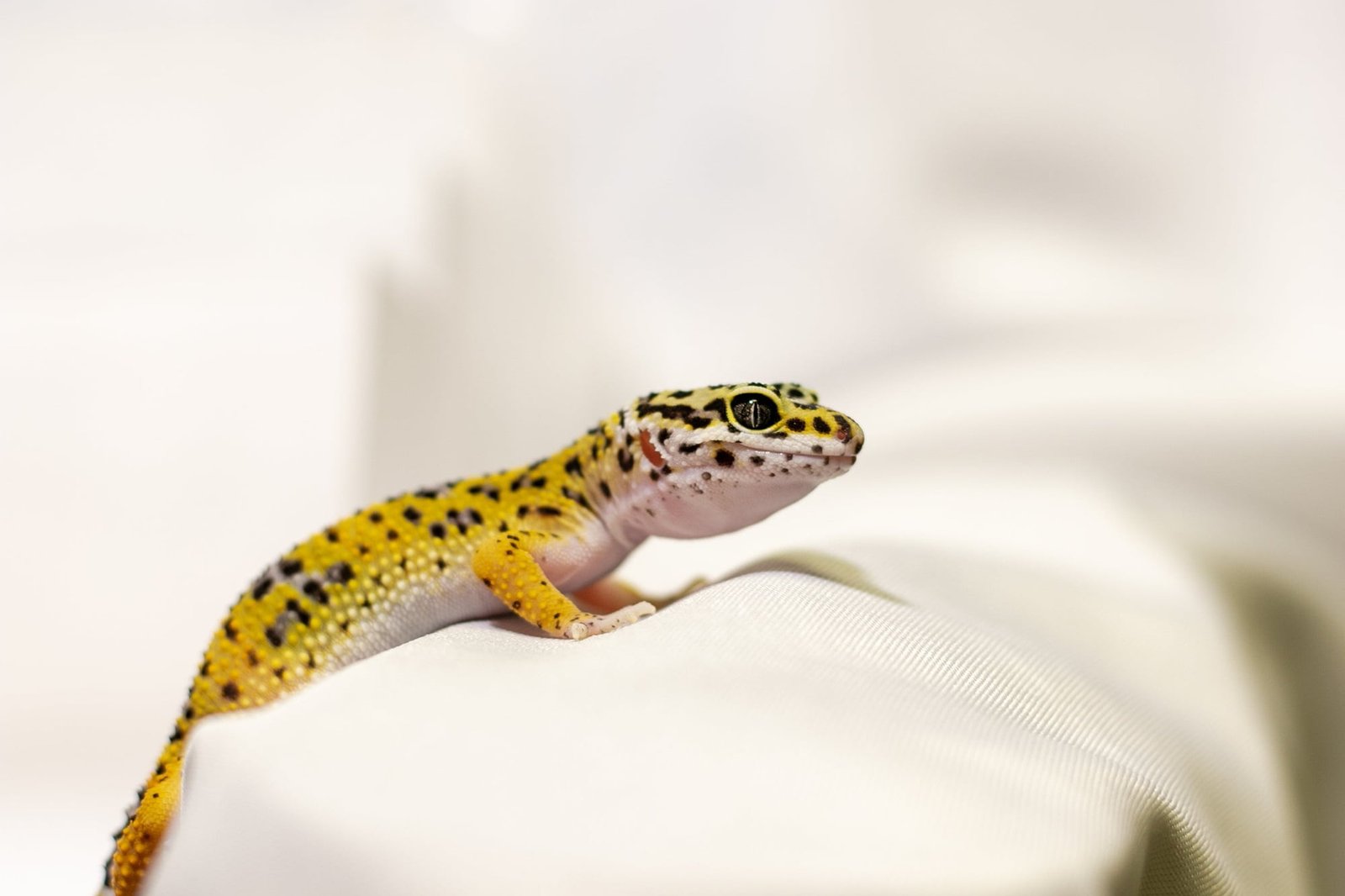
leopard gecko morph

FAQS 

1: What is the ideal temperature for my Leopard Gecko’s enclosure?

Leopard geckos thrive in temperatures of 90°F (32°C) on the warm side and 70–75°F (21–24°C) on the cool side.

2: How often should I feed my Leopard Gecko?

For young geckos (0–4 months old), daily feeding is recommended. Juveniles (4–12 months) can be fed every other day, and adults (12+ months) should be fed 2-3 times a week.

3: Do Leopard Geckos require UVB lighting?

Yes, Leopard Geckos benefit from low-wattage UVB lighting for 10–12 hours a day to aid in calcium absorption.

4: Can Leopard Geckos be housed together?

It’s best to keep Leopard Geckos separate, as they can be territorial and may fight if housed together.

5: What should I do if my Leopard Gecko is shedding its skin?

Provide a moist hide in the enclosure to help with shedding. Avoid handling them during this time.

6: Do Leopard Geckos need a water dish in their enclosure?

Yes, always provide a shallow dish of fresh, clean water for your gecko to drink from.

7: Can Leopard Geckos be trained to do tricks?

Leopard geckos are not known for performing tricks like dogs. However, they do have individual personalities and can become comfortable handling them over time.

8: How often do I need to clean my gecko’s enclosure?

Regular cleaning is essential to prevent health issues. Clean the enclosure as needed, removing waste and soiled substrate.

9: What is the average lifespan of a Leopard Gecko?

With proper care, leopard geckos can live up to 20 years or more in captivity.

10: Can I feed my gecko fruits and vegetables?

No, leopard geckos are insectivores and should primarily be fed a diet of insects. They do not require fruits or vegetables in their diet.


Conclusion

Leopard Gecko morphs offer a fascinating dive into genetics and beauty in the reptile world. Whether you’re drawn to the classic wild type or the rare Eclipse, each morph brings its own charm and personality.

References and External Links

Leopard Gecko Care

Feeding Your Gecko

Terrarium Tips

By admin

Leave a Reply

Your email address will not be published. Required fields are marked *

We use cookies to personalise content and ads, to provide social media features and to analyse our traffic. We also share information about your use of our site with our social media, advertising and analytics partners. View more
Cookies settings
Accept
Privacy & Cookie policy
Privacy & Cookies policy
Cookie name Active

Privacy Policy for Pet Breed Hub
At Pet Breed Hub, accessible from toppetbreeds.com/, one of our main priorities is the privacy of our visitors. This Privacy Policy document contains types of information that are collected and recorded by Pet Breed Hub and how we use it.

If you have additional questions or require more information about our Privacy Policy, do not hesitate to contact us.

This Privacy Policy applies only to our online activities and is valid for visitors to our website with regard to the information that they share and/or collect in Pet Breed Hub. This policy is not applicable to any information collected offline or via channels other than this website.

Consent
By using our website, you hereby consent to our Privacy Policy and agree to its terms.

Information we collect
The personal information that you are asked to provide, and the reasons why you are asked to provide it, will be made clear to you at the point we ask you to provide your personal information.

If you contact us directly, we may receive additional information about you such as your name, email address, phone number, the contents of the message and/or attachments you may send us, and any other information you may choose to provide.

When you register for an Account, we may ask for your contact information, including items such as name, company name, address, email address, and telephone number.

How we use your information
We use the information we collect in various ways, including:

Provide, operate, and maintain our website
Improve, personalize, and expand our website
Understand and analyze how you use our website
Develop new products, services, features, and functionality
Communicate with you, either directly or through one of our partners, including for customer service, to provide you with updates and other information relating to the website, and for marketing and promotional purposes
Send you emails
Find and prevent fraud
Log Files
Pet Breed Hub follows a standard procedure of using log files. These files log visitors when they visit websites. All hosting companies do this and are a part of hosting services' analytics. The information collected by log files includes internet protocol (IP) addresses, browser type, Internet Service Provider (ISP), date and time stamp, referring/exit pages, and possibly the number of clicks. These are not linked to any information that is personally identifiable. The purpose of the information is to analyze trends, administer the site, track users' movement on the website, and gather demographic information.

Google DoubleClick DART Cookie
Google is one of the third-party vendors on our site. It also uses cookies, known as DART cookies, to serve ads to our site visitors based upon their visit to www.website.com and other sites on the internet. However, visitors may choose to decline the use of DART cookies by visiting the Google ad and content network Privacy Policy at the following URL – https://policies.google.com/technologies/ads

Our Advertising Partners
Some of the advertisers on our site may use cookies and web beacons. Our advertising partners are listed below. Each of our advertising partners has its own Privacy Policy for their policies on user data. For easier access, we hyperlinked to their Privacy Policies below.

Google

https://policies.google.com/technologies/ads

Third Party Privacy Policies
Pet Breed Hub's Privacy Policy does not apply to other advertisers or websites. Thus, we are advising you to consult the respective Privacy Policies of these third-party ad servers for more detailed information. It may include their practices and instructions about how to opt out of certain options.

You can choose to disable cookies through your individual browser options. More detailed information about cookie management with specific web browsers can be found at the browsers' respective websites.

CCPA Privacy Rights (Do Not Sell My Personal Information)
Under the CCPA, among other rights, California consumers have the right to:

Request that a business that collects a consumer's personal data disclose the categories and specific pieces of personal data that a business has collected about consumers.

Request that a business delete any personal data about the consumer that a business has collected.

Request that a business that sells a consumer's personal data, not sell the consumer's personal data.

If you make a request, we have one month to respond to you. If you would like to exercise any of these rights, please contact us.

GDPR Data Protection Rights
We would like to make sure you are fully aware of all of your data protection rights. Every user is entitled to the following:

The right to access – You have the right to request copies of your personal data. We may charge you a small fee for this service.

The right to rectification – You have the right to request that we correct any information you believe is inaccurate. You also have the right to request that we complete the information you believe is incomplete.

The right to erasure – You have the right to request that we erase your personal data, under certain conditions.

The right to restrict processing – You have the right to request that we restrict the processing of your personal data, under certain conditions.

The right to object to processing – You have the right to object to our processing of your personal data, under certain conditions.

The right to data portability – You have the right to request that we transfer the data that we have collected to another organization, or directly to you, under certain conditions.

If you make a request, we have one month to respond to you. If you would like to exercise any of these rights, please contact us.

Children's Information
Another part of our priority is adding protection for children while using the internet. We encourage parents and guardians to observe, participate in, and/or monitor and guide their online activity.

Pet Breed Hub does not knowingly collect any Personal Identifiable Information from children under the age of 13. If you think that your child provided this kind of information on our website, we strongly encourage you to contact us immediately and we will do our best efforts to promptly remove such information from our records.

Save settings
Cookies settings