
Welcome to the Pet Breed Hub! We’re taking you on a unique journey to explore the magnificent Norwegian Forest Cat, a breed that combines mystery, charm, and a rich history. Let’s dive into the world of this fascinating feline.
The Enchanting History of the Norwegian Forest Cat
Viking Companions: A Legendary Beginning
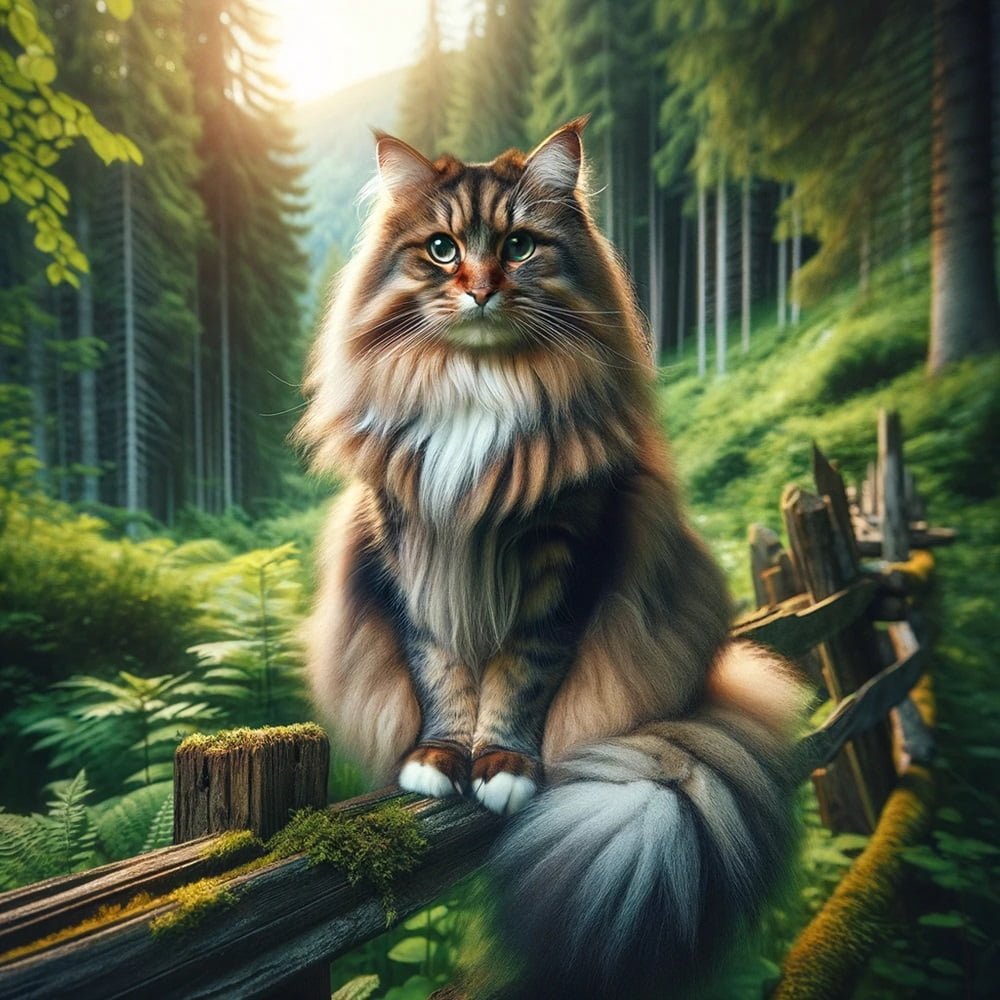
The Norwegian Forest Cat, often called a “Wegie,” isn’t just a breed; it’s a piece of living history. These majestic cats are believed to have been the companions and shipmates of Vikings. Picture these robust felines centuries ago, sailing across harsh seas, keeping Viking ships free of rodents, and providing companionship to seafaring warriors.
Mythical Mousers: Ties to Norse Mythology
Their history is also intertwined with Norse mythology. It’s said that the goddess Freya’s chariot was drawn by these formidable cats, symbolizing their divine status. This mythical connection highlights their importance in ancient Scandinavian culture, not just as pets but as revered animals.
Survival and Evolution: Adapting to Harsh Climates
Through centuries, Norwegian Forest Cats adapted to Norway’s severe winters. Their thick, water-resistant coats, bushy tails, and sturdy builds are nature’s response to the cold, rugged landscapes of Scandinavia. These adaptations not only helped them survive in the wild but also made them skilled hunters in snowy terrain.
Recognition and Preservation: From Forests to Fame
It wasn’t until the 20th century that these cats were formally recognized as a breed. In Norway, they are known as ‘Norsk Skogkatt’ or ‘Skaukatt’. Efforts to preserve their lineage began in the 1930s, gaining momentum post-World War II when they were nearly lost due to crossbreeding. The Norwegian Forest Cat Club, formed in 1975, played a pivotal role in preserving these cats’ pure breed status.
A Breed Apart: Global Recognition
Today, the Norwegian Forest Cat is recognized and admired worldwide. Their journey from the forests of Norway to homes around the globe is a testament to their adaptability, resilience, and enduring charm.
Temperament of the Norwegian Forest Cat
The Norwegian Forest Cat, with its majestic appearance, is equally renowned for its distinctive temperament. Let’s explore the personality traits that make these felines such cherished companions.
Affectionate Yet Independent
One of the most endearing qualities of the Norwegian Forest Cat is its perfect balance between affection and independence. These cats form strong bonds with their families, often showing affection and loyalty. However, they also value their independence, showcasing a self-sufficient side that isn’t overly demanding of attention.
Playful and Intelligent
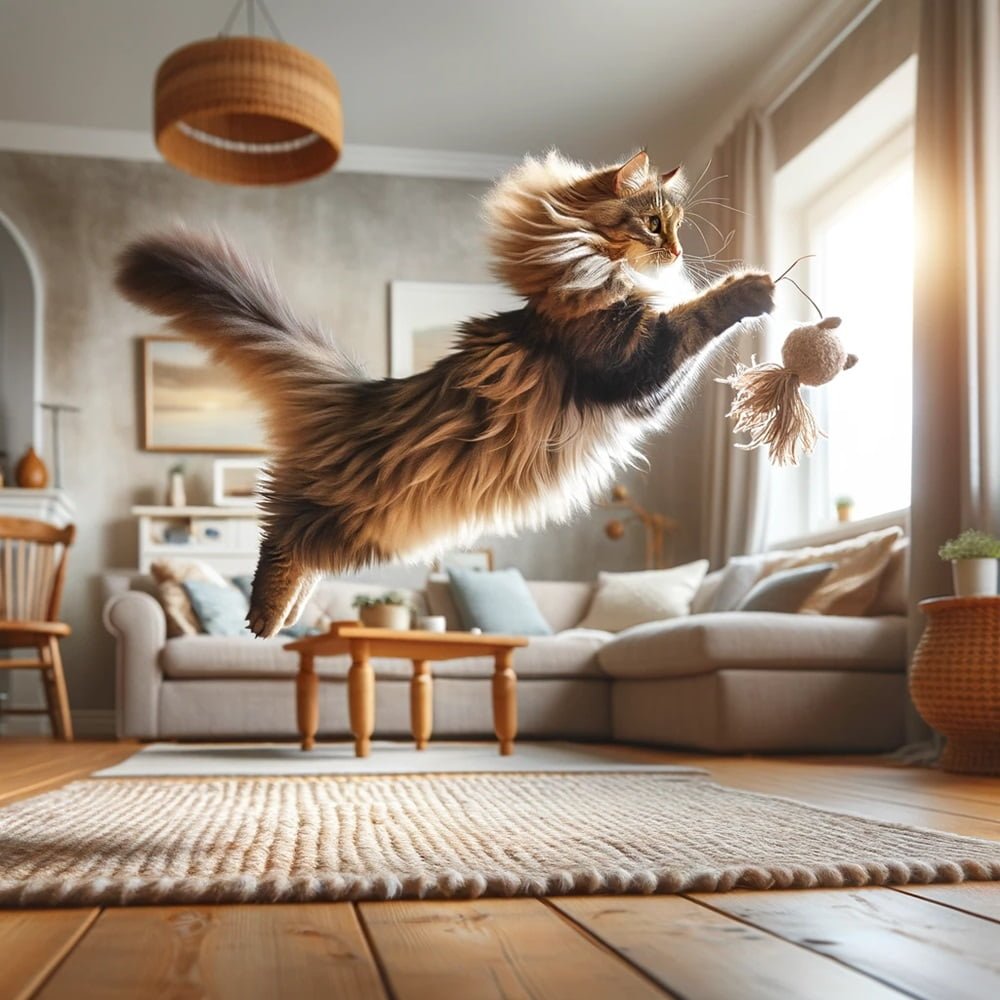
Don’t let their size fool you; Norwegian Forest Cats are playful and energetic. Their intelligence shines through in their playful behaviors. They are curious and enjoy interactive games, showing a keen interest in their environment. This breed loves to climb and explore, making climbing trees or high perches a must-have in their living space.
Social and Friendly
These cats are known for their social nature. They generally get along well with other pets and children, making them a great addition to families. Their friendly disposition means they often greet guests with curiosity rather than shyness or aggression.
Quiet Demeanor
Unlike some other cat breeds, Norwegian Forest Cats are not overly vocal. They have a calm and quiet demeanor, often communicating their needs in subtle ways. When they do vocalize, it’s usually a soft meow or chirp, endearing them even more to their human companions.
Adaptability
Another remarkable trait of the Norwegian Forest Cat is its adaptability. They can adjust to various living situations, whether it’s a bustling family home or a quieter apartment setting. However, they do appreciate having space to roam and explore.
Caring for a Norwegian Forest Cat
Caring for a Norwegian Forest Cat involves specific considerations to ensure they lead a healthy, happy life. Here’s a concise guide on how to care for these majestic felines.
Grooming: Managing Their Luxurious Coat
Regular Brushing: Their thick, double coat needs regular brushing to prevent mats and tangles, especially during the shedding seasons.
Bathing: Occasional baths can help keep their coat clean and reduce shedding, although their coat is naturally water-resistant.
Diet and Nutrition: Fueling Their Robust Physique
High-Quality Diet: A diet rich in proteins is essential to maintaining muscle mass and energy levels.
Hydration: Ensure they have access to fresh water at all times, as hydration is crucial for their health.
Exercise: Keeping the Adventurer Active
Physical Activity: They need regular exercise to stay fit. Provide climbing trees, interactive toys, and playtime.
Mental Stimulation: puzzle feeders and toys that challenge their intelligence help keep their minds active.
Healthcare: Regular Check-Ups and Preventive Care
Veterinary Visits: Regular check-ups are vital to monitor their health, including vaccinations and routine screenings.
Dental Hygiene: Dental care is essential; consider dental treats and regular teeth brushing.
Environment: A Safe and Stimulating Space
Safe Outdoor Access: If possible, provide a safe, enclosed outdoor space for them to explore.
Indoor Enrichment: Ensure they have a stimulating indoor environment with access to windows, perches, and safe toys.
Social Interaction: Bonding and Companionship
Quality Time: Spend quality time with your Norwegian Forest Cat. They enjoy companionship, even if they are independent.
Socialization: Early socialization is important, especially if they will be around other pets or children.
Conclusion
The Norwegian Forest Cat is more than just a pet; it’s a piece of history, a fluffy companion with a story. Its majestic appearance, playful personality, and mythical origins make it a unique addition to any family.
References and External Links
For further reading and resources on Norwegian forest cats, the following references and external links provide valuable information:
The International Cat Association (TICA) – Norwegian Forest Cat Breed
TICA offers comprehensive details on the breed standard, history, and characteristics of the Norwegian Forest Cat.
Cat Fanciers’ Association (CFA) – Norwegian Forest Cat Profile
The CFA provides a detailed profile of the breed, including physical attributes, personality, and grooming needs.
PawCulture – Caring for a Norwegian Forest Cat
PawCulture offers practical advice on caring for Norwegian Forest Cats, including diet, exercise, and grooming tips.
Vetstreet – Norwegian Forest Cat Health
Vetstreet provides information on the health aspects of Norwegian Forest Cats, highlighting common health issues and preventive care.
PetMD – Norwegian Forest Cat: Breed Profile
PetMD features an in-depth breed profile covering aspects like behavior, health, and care for Norwegian Forest Cats.
The Spruce Pets – Norwegian Forest Cats as Pets
The Spruce Pets offers insights into what it’s like to live with a Norwegian Forest Cat, including temperament and lifestyle fit.
“The History of Norwegian Forest Cats”: Top Pet Breed