
Welcome to the Pet Breed Hub, your go-to guide for everything about pet breeds. Today, we’re diving deep into the world of the Russian Tortoise. Get ready for a unique take on this adorable shelled friend!
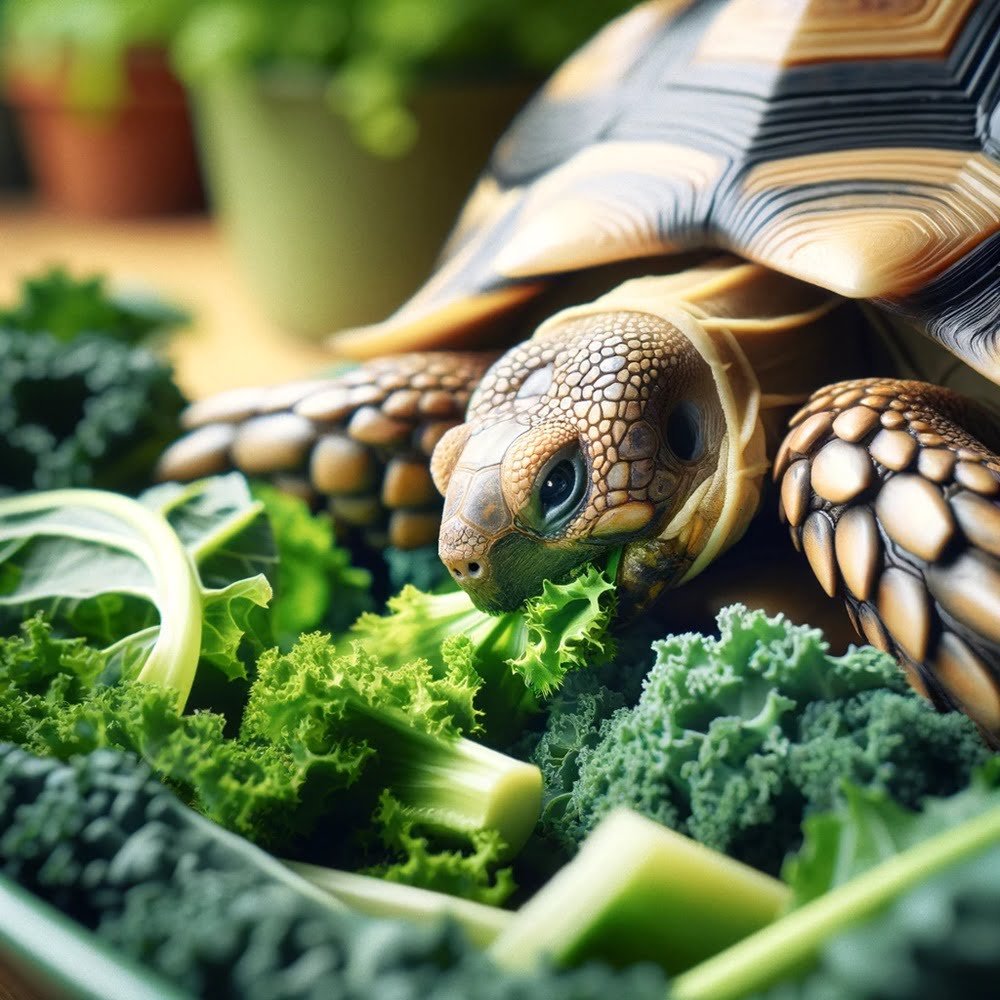
Russian Tortoise: Your New Shelled Pal! 🐢
Introduction
Discover the Russian Tortoise! These small, hardy reptiles are more than just pets; they’re lifelong companions for those who appreciate their unique personalities and care requirements. Native to Central Asia, Russian Tortoises are well-suited to a variety of environments, making them a popular choice for both beginners and experienced reptile enthusiasts.
Why a Russian Tortoise?
Compact Size: Unlike some of their larger cousins, Russian Tortoises are relatively small, usually measuring between 8-10 inches. This makes them manageable for most pet owners.
Long Lifespan: These tortoises are known for their impressive lifespans, living up to 50 years or more with proper care. They’re a long-term commitment, offering decades of companionship.
Distinct Personality: Each tortoise has its unique character. They are generally known to be friendly, curious, and enjoy interacting with their environment.
Resilience: Adapted to harsh climates, Russian Tortoises are robust and can thrive in a variety of settings, making them a great choice for those new to reptile care.
Russian Tortoise: Creating the Perfect Home 🏡🐢
Habitat Setup
Crafting the Ideal Environment for Your Russian Tortoise
A proper habitat is crucial for the health and happiness of your Russian Tortoise. These creatures thrive in environments that mimic their natural habitat, so let’s explore how to create a space that feels like home for them.
Outdoor Enclosure: A Touch of Nature
Space Requirements: Start with a spacious enclosure, a minimum of 5×5 feet. Russian Tortoises enjoy roaming, so the bigger, the better.
Safe Fencing: Ensure the enclosure is escape-proof with solid fencing. These tortoises can be surprisingly good climbers and diggers.
Flooring: Mix soil and sand to create a substrate that mimics their natural environment. It should be deep enough for burrowing.
Temperature Control: Install a heating lamp to maintain a temperature between 70-90°F during the day, with a cooler area for them to retreat to. At night, temperatures can drop to around 50°F.
UVB Lighting: Essential for their health, UVB lighting helps synthesize vitamin D3, aiding in calcium absorption for a healthy shell.
Hideouts and Shelters: Provide hideouts for shade and privacy, like wooden boxes or dense plants. This helps them feel secure and manage their body temperature.
Water Source: Include a shallow water dish for them to drink and occasionally bathe in. Ensure it’s shallow to prevent drowning risks.
Indoor Enclosure: When Outdoor Isn’t an Option
Terrarium Size: At least 4×2 feet, but bigger is always better.
Substrate: Use a mix of soil and sand or commercially available tortoise bedding.
Heating and Lighting: UVB lighting and a basking lamp are must-haves. Maintain similar temperature gradients as in outdoor setups.
Enrichment: Add rocks, logs, and plants for exploration and exercise.
Diet Station: Create a designated eating area with a shallow feeding dish.
Russian Tortoise: Nourishing Your Shelled Friend 🥬🐢
Diet and Nutrition
Feeding Your Russian Tortoise Right
A balanced diet is key to keeping your Russian Tortoise healthy and happy. They are herbivores, so their diet consists mainly of vegetables and fruits. Here’s how to provide a nutritious and varied diet for your shelled buddy.
The Greens: A Tortoise’s Delight
Leafy Greens: The backbone of their diet. Offer a variety of leafy greens like kale, dandelion greens, and romaine lettuce. These are rich in vitamins and minerals.
Moderation in Fruits: While fruits like apples and berries can be a tasty treat, they should be given sparingly due to their high sugar content.
Avoiding Toxic Foods: Some foods are harmful to Russian Tortoises. Avoid feeding them rhubarb, potatoes, and tomatoes.
Calcium Supplement: Sprinkle calcium powder on their food a couple of times a week to help maintain a strong shell.
Hydration: The Essence of Life
Fresh Water Daily: Ensure they always have access to fresh, clean water in a shallow dish. They may not drink often, but it’s vital for their health.
Soaking: Regular soaking in shallow water can help with hydration and shell cleanliness.
The Right Amount: Balancing the Diet
Daily Feeding: Young tortoises should be fed daily, while adults can be fed every other day due to their slower metabolism.
Portion Size: A good rule of thumb is to provide an amount of food that is roughly the size of their shell.

Russian Tortoise: Ensuring a Healthy and Happy Life 🐢
Health and Care
Keeping Your Russian Tortoise in Top Shape
Caring for a Russian Tortoise involves more than just providing food and shelter; it’s about creating an environment that promotes their overall well-being. Here’s your guide to keeping them healthy and content.
Regular Health Check-Ups
Veterinary Visits: Annual check-ups with a vet experienced in reptiles are crucial. They can monitor growth, shell condition, and general health.
Weight Monitoring: Keeping track of their weight helps identify any health issues early. Sudden weight loss or gain should be a prompt for a vet visit.
Shell Care: The Armor of Health
Regular Inspection: Check their shell for cracks, soft spots, or discoloration. These can be signs of injury or illness.
Proper Lighting: UVB lighting is vital for shell health, aiding in the synthesis of vitamin D3 for calcium absorption.
Humidity Control: Especially important for young tortoises, maintaining appropriate humidity helps prevent shell deformities.
Diet: The Cornerstone of Health
Balanced Nutrition: As discussed in the Diet and Nutrition section, a balanced diet rich in leafy greens, with the occasional fruit treat and calcium supplements, is essential.
Exercise and Mental Health
Space to Roam: Ensure they have ample space to move around, both indoors and outdoors. This promotes physical health and mental stimulation.
Enrichment: Incorporate changes in their environment to stimulate exploration and prevent boredom.
Hibernation: A Natural Process
Understanding Hibernation: Some Russian Tortoises Hibernate. If you choose to allow this, it’s vital to do it safely and under veterinary guidance.
Health Before Hibernation: Only healthy tortoises should undergo hibernation. A pre-hibernation health check is essential.
FAQs About Russian Tortoises
1. What is the ideal temperature for a Russian Tortoise habitat?
The ideal temperature for the basking area is between 90-100°F, while the rest of the habitat should range from 70 to 85°F during the day. Nighttime temperatures can drop to around 60–70 °F.
2. How often should Russian Tortoises be fed?
Juveniles should be fed daily, while adults can be fed every other day. This can vary depending on the tortoise’s size, age, and health.
3. Do Russian Tortoises need companions?
They are generally solitary creatures. If you decide to have more than one, it’s important to monitor their interactions to prevent aggression.
4. Can Russian Tortoises eat meat?
No, they are strict herbivores. Their diet should consist of various leafy greens, vegetables, and occasional fruits.
5. How much space do Russian Tortoises need?
A single Russian Tortoise should have an enclosure that’s at least 5×5 feet. If you can provide more space, that’s even better.
6. How do you bathe a Russian Tortoise?
Place them in shallow, lukewarm water for 15–30 minutes, allowing them to soak. Always supervise to prevent drowning.
7. What are common health problems in Russian Tortoises?
Respiratory infections, shell rot, and nutritional deficiencies are common. Prevent these with proper care and regular vet visits.
8. How can you tell if a Russian Tortoise is male or female?
Males typically have longer tails and concave plastrons, while females have shorter tails and flatter plastrons.
9. Do Russian Tortoises need UVB lighting?
Absolutely. UVB lighting is essential for them to metabolize calcium and maintain a healthy shell and bones.
10. Can Russian Tortoises live indoors?
Yes, they can live indoors if provided with a spacious enclosure and proper UVB lighting, though they also thrive outdoors when the climate is suitable.
Conclusion
Russian Tortoises: Great for Dedicated Pet Owners! They’re not just pets; they’re lifelong companions. Ideal for those ready for a long-term commitment to care and love.
References
“Russian Tortoise (Testudo horsfieldii).” The Tortoise Trust, www.tortoisetrust.org.
“Russian Tortoise Care.” Reptile Magazine, www.reptilesmagazine.com.
“Russian Tortoise Care Sheet.” World Chelonian Trust, www.chelonia.org.
External Links
Tortoise Trust – A comprehensive resource for Russian Tortoise care, offering in-depth information on habitat setup, diet, and health.
Reptile Magazine – Explore articles and guides on Russian Tortoise care and other reptile-related topics.
World Chelonian Trust – Access additional care sheets and resources for Russian Tortoises and other chelonian species.