
Welcome to the Pet Breed Hub! Today, we’re diving deep into the world of the Sulcata Tortoise, a remarkable creature that’s both a pet lover’s dream and an ecological marvel. Let’s get started!
Sulcata Tortoise Basics: A Peek into Their World
Origin and Habitat
Where They’re From Originating from the Sahara Desert, Sulcata tortoises are built for arid, tough environments.
A Glimpse of Their Home: Imagine vast, dry savannas and semi-arid regions. That’s where they thrive!
Size and Growth
They’re Huge!: Among the largest tortoises globally, your Sulcata friend can grow pretty big.
Growth Spurt: They start small but can grow up to 2-3 feet in length and weigh 100–200 pounds!
Appearance
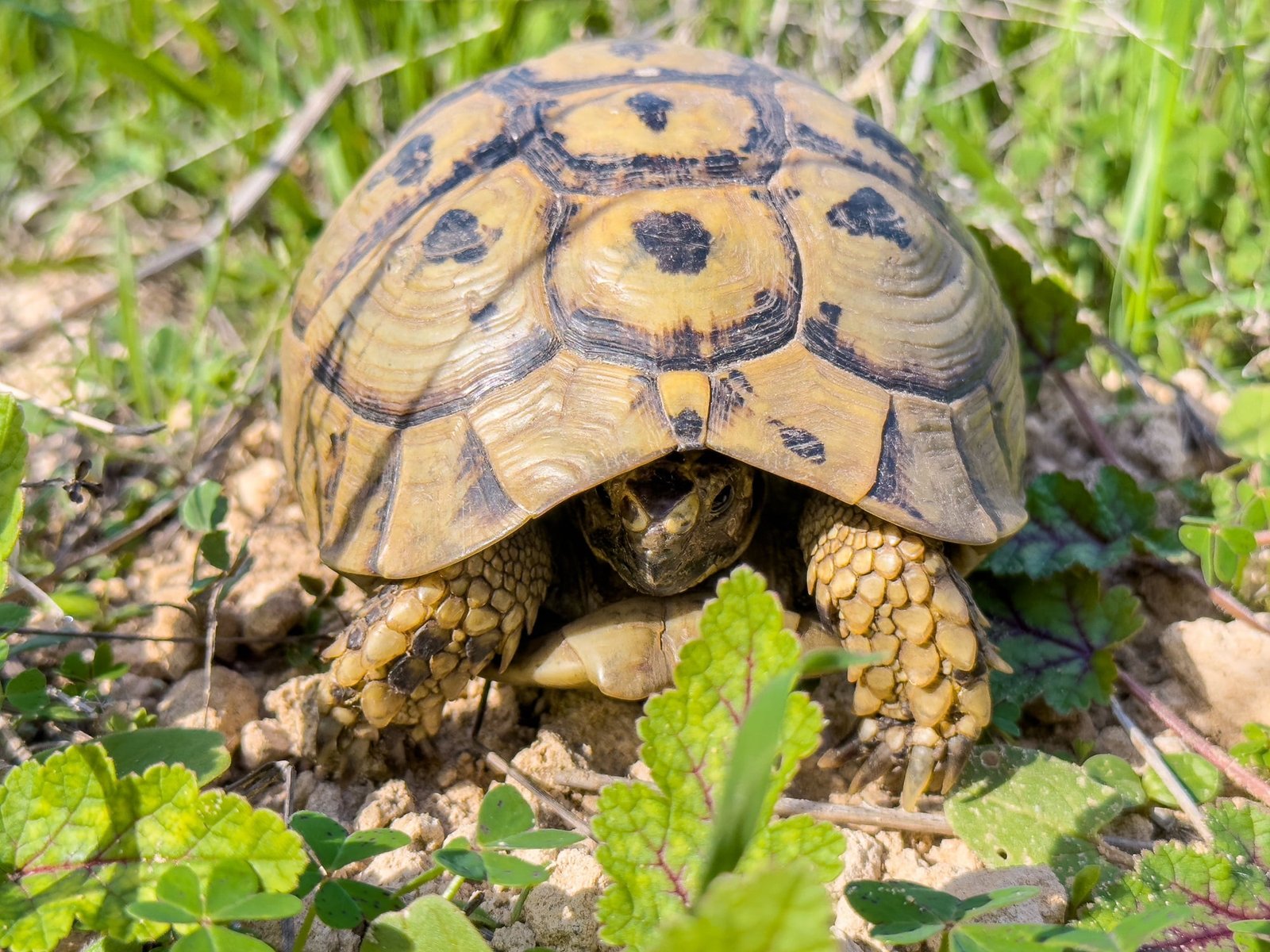
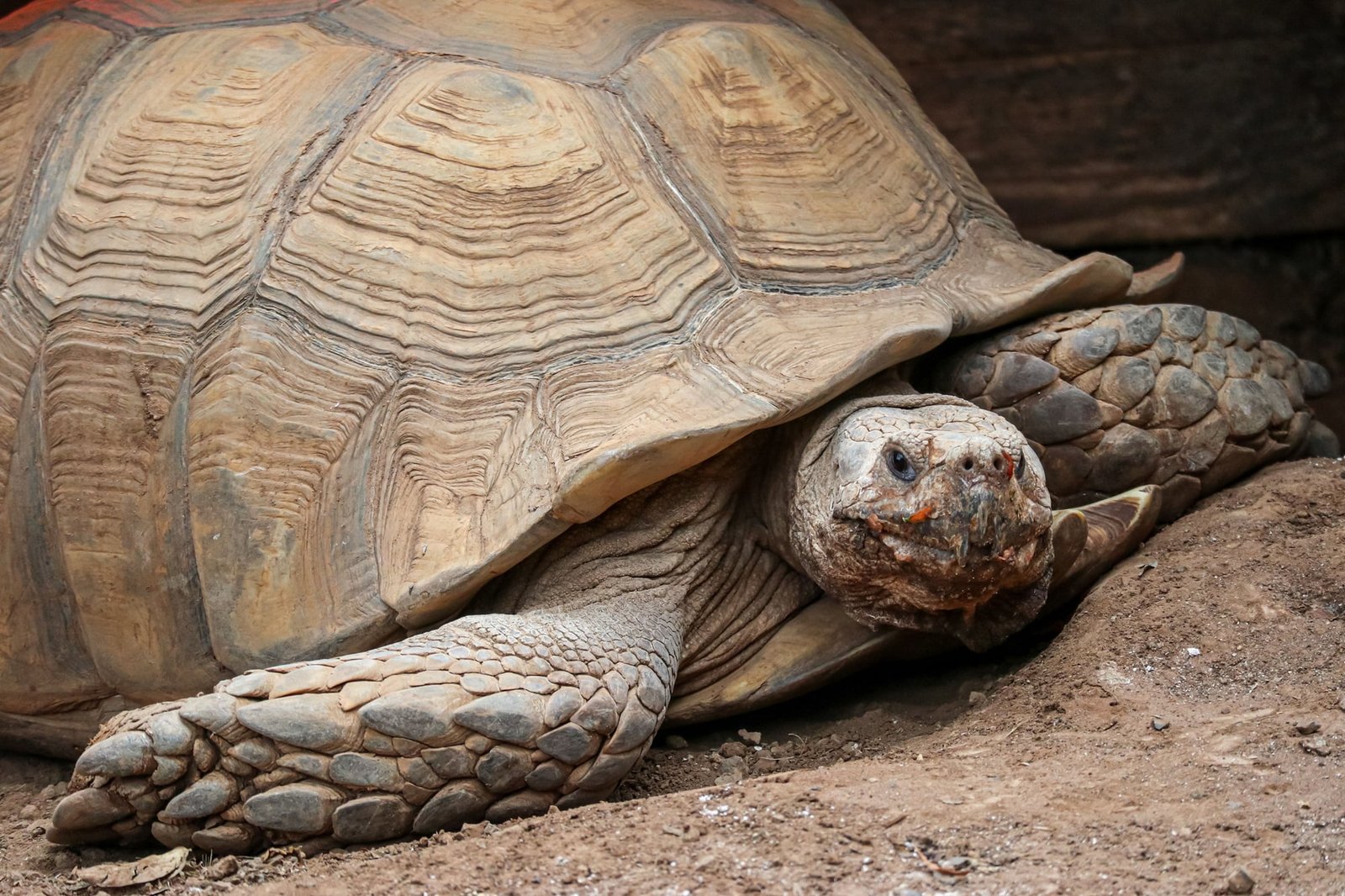
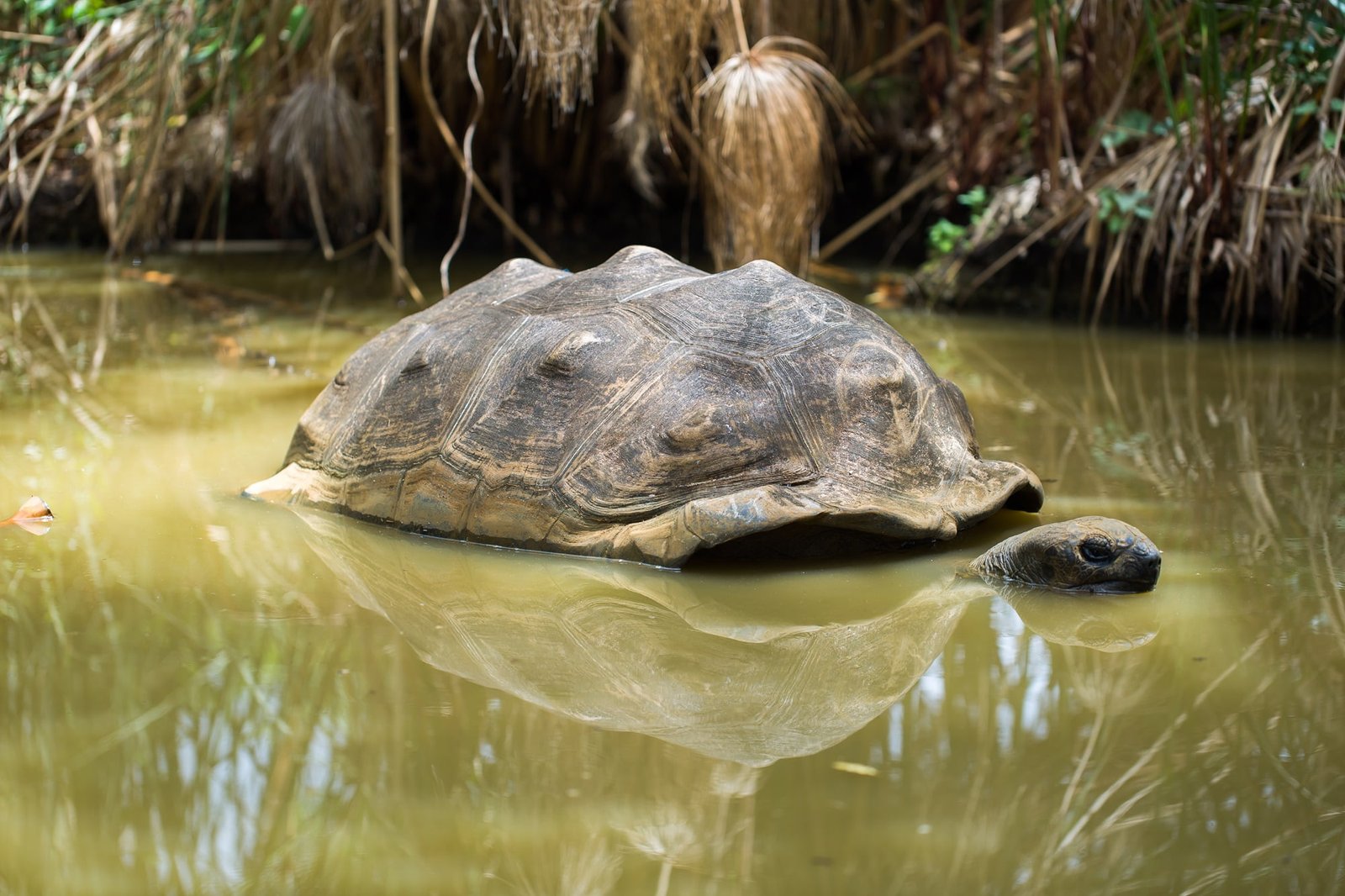
Shell Story: Sporting a high-domed, sandy-colored shell, they carry their home with style.
Markings and Features: Look for distinctive growth rings on each scute (shell segment).
Lifespan
Long-Term Buddies: With proper care, these tortoises can be your companion for up to 70 years, sometimes even more.
Personality Traits
Gentle Giants: Known for their docile and calm demeanor, they’re like the wise old sage in a tortoise’s body.
Curious Creatures: You’ll often find them exploring their surroundings with keen interest.
Unique Characteristics
Adaptability: They’re tough cookies, adapting to various environments.
Cool Factor: Their ability to dig extensive burrows is like having a mini-engineer at home.
Care and Maintenance of Sulcata Tortoises
Housing Needs
Space is key. Given their size, sulcatas require ample space. Think large, sturdy enclosures.
Indoor Housing: If kept indoors, ensure their space is roomy with secure, high walls.
Outdoor Housing: A fenced, grassy yard where they can roam is ideal. Remember, they can dig!
Temperature Control
Heat Lamps: Sulcatas love warmth. Use heat lamps to maintain the right temperature, especially in cooler climates.
Basking Area: Set up a warm spot where they can bask under a heat source.
Substrate and Bedding
Choose Wisely: Use a substrate like grass, hay, or straw. Avoid cedar or pine shavings.
Comfort Matters: Ensure the bedding is comfortable for them to rest and burrow.
Exercise and Enrichment
Daily Roaming: Regular exercise is crucial. Allow them space to walk and explore daily.
Enrichment Activities: Offer objects they can interact with, like sturdy plants and rocks.
Handling and Interaction
Gentle Handling: Handle your Sulcata with care. Support their entire body when lifting.
Social Interaction: While not overly social, they do appreciate gentle interaction with their human friends.
Cleaning and Hygiene
Regular Cleaning: Clean their habitat regularly to prevent the build-up of waste and bacteria.
Shell Care: Regularly check their shell for any signs of damage or disease.
RELATED ARTICLES
Russian Tortoise: A Shell of a Good Time!
Diet and Nutrition for Sulcata Tortoises
Main Diet: Greens and Grasses
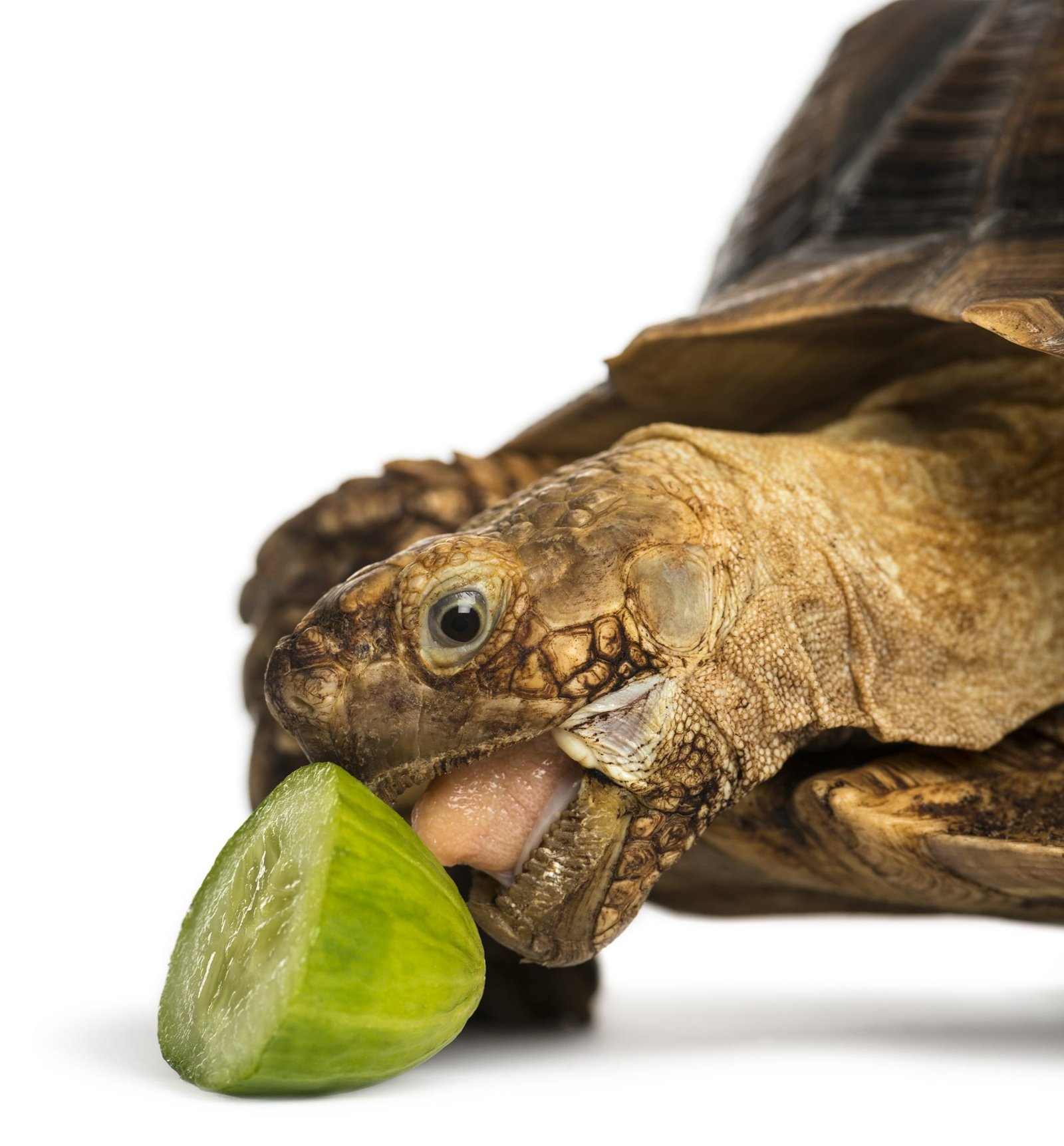
Fiber-Rich Foods: Their diet should mainly consist of grasses and leafy greens.
Variety is Vital: Offer a mix of hays, grasses, dandelions, and other safe leafy greens.
Occasional Treats: Vegetables like carrots and squash can be given sparingly.
Calcium and Vitamin Supplements
Importance of Calcium: Essential for shell and bone health. Consider calcium supplements, especially for indoor tortoises.
Vitamin D3: If they’re not getting enough natural sunlight, a Vitamin D3 supplement may be necessary.
Avoiding Harmful Foods
Fruits in Moderation: Fruits should be an occasional treat due to their sugar content.
No to Animal Protein: Avoid feeding them animal protein as it can harm their health.
Hydration
Access to Water: Always provide fresh, clean water for drinking.
Hydrating Through Food: They also receive a significant amount of water from their diet.
Feeding Schedule and Portion Control
Regular Feeding: Stick to a consistent feeding schedule.
Watch the Portions: Overfeeding can lead to health issues, so be mindful of portion sizes.
| Food Type | Examples | Frequency/Notes |
|---|---|---|
| Primary Diet (80–90%) | Grasses and Hay | Daily. Timothy hay, orchard grass, Bermuda grass. |
| Leafy Greens | Mustard greens, dandelion greens, and turnip greens. | |
| Vegetables (10-20%) | Carrots, Squash, and pumpkin | 2-3 times a week. Offer it in moderation. |
| Bell Peppers, Zucchini | Good for variety; avoid overfeeding. | |
| Fruits | Apples, Berries, and Melon | Once a month. High in sugar, only as occasional treats. |
| Calcium Supplements | Cuttlebone, Calcium Powder | Sprinkle on food 2-3 times a week. Essential for shell health. |
| Water | Fresh Water | Always available. Change daily. |
Key Points to Remember:
High Fiber, Low Protein: Sulcatas require a high-fiber, low-protein diet.
Limited Fruits and Sugary Vegetables: Due to their sugar content, fruits should be given sparingly.
Avoid Animal Protein and Grains: These can cause health problems and are not part of their natural diet.
Calcium is Crucial: To prevent shell and bone issues, ensure adequate calcium intake.
Fresh Water: Always provide access to clean, fresh water.
Habitat Requirements for Sulcata Tortoises
Size of the Enclosure
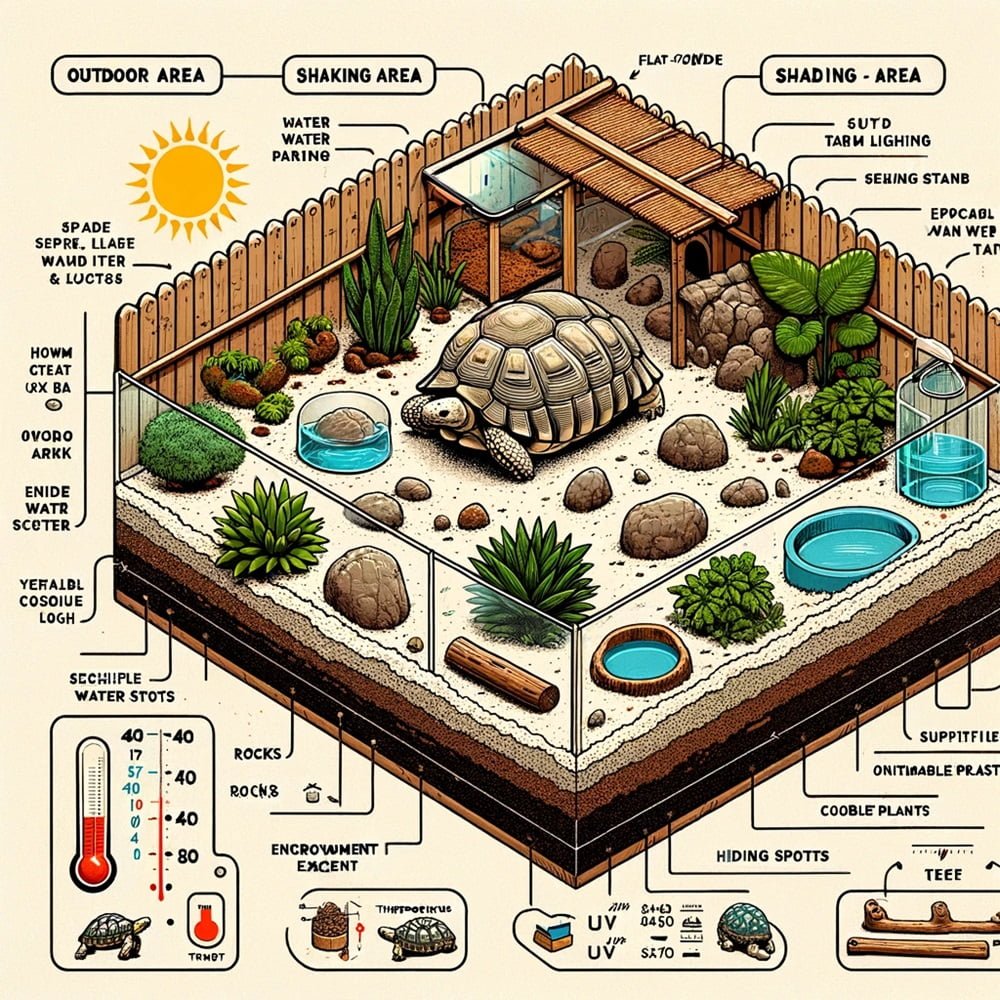
Room to Roam: Sulcata Tortoises need plenty of space due to their large size. Outdoor enclosures are ideal.
Minimum Dimensions: For adults, a space measuring at least 10×10 feet is recommended, but bigger is always better.
Substrate and Bedding
Safe Substrate: Use a substrate that mimics their natural environment, like grass, hay, or specially-made tortoise bedding.
Avoid Harmful Materials: Steer clear of cedar or pine shavings, as they can be toxic to tortoises.
Temperature and Lighting
Warm Environment: Maintain a temperature gradient from 75 to 95 degrees Fahrenheit.
Basking Area: Provide a warmer basking spot around 95 to 100 degrees.
UVB Lighting: Essential for indoor tortoises to help them metabolize calcium and prevent shell deformities.
Humidity
Moderate Humidity: Aim for a humidity level of around 40-60%, which is crucial for their shell health.
Enrichment and Exercise
Space for Activity: Ensure they have enough room for walking and mild exercise.
Enrichment Elements: Add rocks, logs, and non-toxic plants to encourage natural behaviors.
Security and Safety
Strong Fencing: These tortoises are known for their digging and climbing abilities, so secure fencing is a must.
Protection from Predators: If outdoors, ensure the enclosure is safe from potential predators, including domestic animals.
Access to Water
Water Bowl: Provide a shallow water dish for them to drink from and occasionally soak in.
Health and Wellness of Sulcata Tortoises
Regular Veterinary Care
Annual Check-Ups: Regular vet visits are crucial for monitoring their health.
Specialized Vet: Choose a veterinarian experienced with tortoises or exotic pets.
Shell Health
Shell Inspections: Regularly check their shell for any cracks, soft spots, or signs of infection.
Avoiding Pyramiding: Ensure a balanced diet and proper humidity to prevent shell deformities like pyramiding.
Diet and Nutrition
Balanced Diet: Provide a diet high in fiber and low in protein and sugars.
Supplements: Calcium and vitamin D supplements are important, especially for indoor tortoises.
Exercise and Activity
Regular Movement: Ensure they have enough space for daily exercise to maintain healthy weight and muscle tone.
Enrichment: Provide environmental enrichment to encourage natural behaviors.
Monitoring Weight and Growth
Healthy Weight: Keep track of their weight regularly to ensure they are not under or overweight.
Growth Rate: Monitor their growth rate, especially in the first few years.
Hydration
Access to Water: Always provide clean, fresh water for drinking and soaking.
Soaking Sessions: Regular soaking helps with hydration and bowel movements.
Recognizing Signs of Illness
Alert to Changes: Be vigilant for any changes in behavior, appetite, or shell appearance.
Respiratory Issues: Watch for symptoms like wheezing or nasal discharge, which could indicate respiratory problems.
Fun Facts About Sulcata Tortoises
Third Largest Tortoise Species
Giant Status: Sulcata Tortoises are the third-largest species of tortoise in the world, after the Galapagos and Aldabra giant tortoises.
Impressive Burrowers
Underground Architects: They are excellent diggers, capable of creating burrows or tunnels several feet deep to escape the heat and maintain humidity.
Long Lifespan
Century-Old Companions?: With proper care, these tortoises can live for 50-70 years, and some have been known to live over 100 years!
Strong and Hefty
Heavyweight Champions: Adult Sulcata Tortoises can weigh between 100 to 200 pounds, making them quite the hefty pet.
Vegetation Transformers
Ecosystem Engineers: In their natural habitat, their grazing habits play a crucial role in shaping the vegetation and landscape.
Unique Shell Design
Growth Rings Tell Stories: Each scute (shell segment) on their shell has growth rings, much like a tree, which can help indicate their age.
Surprisingly Fast
Speedy for Their Size: Despite their heavy build, Sulcata Tortoises can move faster than you might expect, especially when it’s feeding time!
Social Interaction
Not the Loners You’d Think: They can be quite social with other tortoises and are known to have recognition capabilities, acknowledging their caregivers.
Temperature Regulators
Desert Adapted: Their thick, bony shells are not just for protection; they also help regulate body temperature in extreme climates.
Symbol of Wisdom
Cultural Icons: In many cultures, tortoises are seen as symbols of wisdom, longevity, and patience.
Is a sulcata tortoise a good pet?
A Sulcata Tortoise can be a good pet, but it’s important to consider several factors before deciding if it’s the right choice for you. Here are some key points to think about:
Pros
Long Lifespan: With a lifespan of 50-70 years, and sometimes over 100, they can be lifelong companions.
Gentle Nature: They are generally docile and known for their calm demeanor.
Low-Maintenance Diet: Their diet mainly consists of grasses and leafy greens, which are relatively easy to provide.
Interesting Pets: They offer a unique experience compared to traditional pets, and their size and behavior can be fascinating.
Cons
Large Size: Sulcata Tortoises can grow very large (up to 2-3 feet in length and 100-200 pounds), requiring significant space.
Specialized Habitat Needs: They need a specific environment that mimics their natural habitat, including warm temperatures and UVB lighting.
Long-Term Commitment: Their long lifespan means a commitment of several decades.
Potential for Destructive Behavior: Their natural behavior includes digging, which can be destructive in a home or garden setting.
Veterinary Care: Finding a vet who specializes in exotic pets like tortoises can be challenging and potentially expensive.
Considerations
Space: Do you have enough space for a large enclosure?
Time and Resources: Are you prepared for the long-term commitment and the costs associated with their care?
Legal Aspects: Ensure that owning a Sulcata Tortoise is legal in your area, as some regions have restrictions on exotic pets.
Are Sulcata tortoises hard to care for?
Caring for a Sulcata Tortoise can be challenging, particularly due to their specific needs and long lifespan. Here’s a breakdown of what makes them a more demanding pet:
Space Requirements
Large Enclosures: Sulcatas are one of the largest tortoise species, requiring ample space to roam and exercise, which can be a significant commitment in terms of space and enclosure setup.
Diet and Nutrition
Specialized Diet: They primarily eat grasses and leafy greens, and their diet must be carefully managed to prevent health issues. Overfeeding and improper diet can lead to shell deformities and other health problems.
Temperature and Environment Control
Warm Climate Needs: Being native to the Sahara, they require a warm environment. If you live in a cooler climate, providing consistent, appropriate temperatures with heating devices can be challenging.
UVB Lighting: For indoor tortoises, UVB lighting is essential for their shell and bone health.
Longevity
Long-Term Commitment: With a lifespan of 50-70 years and sometimes over 100 years, caring for a Sulcata is a lifelong commitment.
Veterinary Care
Specialized Veterinary Care: Access to a veterinarian who specializes in exotic pets like tortoises is necessary and can sometimes be difficult to find.
Physical Strength
Handling: As they grow, they become heavy and difficult to move or transport, requiring physical strength and often more than one person.
Behavioral Considerations
Digging Behavior: Their natural tendency to dig can be challenging to manage, especially if they are kept in a yard or garden.
Social Needs
Interaction: While they are not as socially demanding as some pets, they do require some level of interaction and stimulation.
How big will a sulcata tortoise get?
Sulcata tortoises, also known as African spurred tortoises, are known for being one of the largest species of tortoise in the world. They can grow to a considerable size, with the following characteristics:
Adult Size: An adult Sulcata tortoise can reach lengths of 2 to 3 feet (60 to 90 centimeters).
Weight: They are also quite heavy, with adults typically weighing between 100 to 200 pounds (45 to 90 kilograms). In some cases, they can even exceed this range.
Growth Rate: They grow rapidly for the first 5-10 years of their life. After reaching adulthood, their growth slows down but continues throughout their life.
Shell Size: Their shells are not only long but also quite tall and wide, contributing to their overall bulky appearance.
Conclusion
The Sulcata tortoise is a gentle, fascinating pet that brings a piece of the wild into your home. With proper care, they can be a lifelong companion.
References and External Links for Sulcata Tortoises
Tortoise Trust: www.tortoisetrust.org
A comprehensive resource for tortoise care, including detailed articles on health, diet, and habitat requirements.
The Tortoise Table: www.thetortoisetable.org.uk
Offers extensive information on suitable diets and plants for tortoises, including Sulcatas.
World Chelonian Trust: www.chelonia.org
A great resource for conservation and care information related to all species of turtles and tortoises.
Reptiles Magazine – Sulcata Tortoise Care Sheet: www.reptilesmagazine.com
Provides a concise care sheet specifically for Sulcata Tortoises, covering the basics of their care.
Association of Reptilian and Amphibian Veterinarians (ARAV): www.arav.org
A professional organization that can help locate a vet with expertise in reptiles and amphibians, including tortoises.
ExoticDirect: www.exoticdirect.co.uk
Offers insurance options for exotic pets, including tortoises, and provides care tips.
The California Turtle & Tortoise Club: www.tortoise.org
A resource for tortoise conservation and care, with specific information pertinent to Sulcata Tortoises.
PetMD-Sulcata Tortoise: www.petmd.com
Provides an overview of the Sulcata Tortoise, including its diet, habitat, and health concerns.