





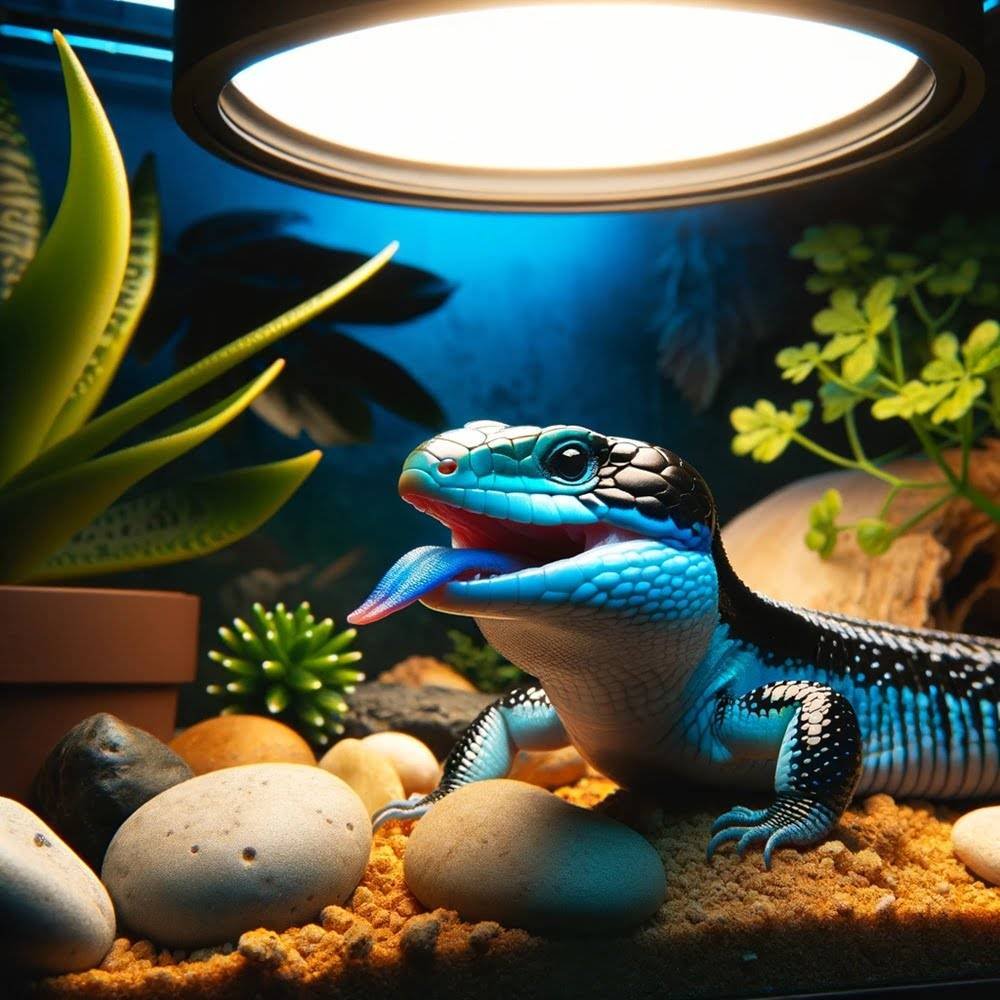
Welcome to the Pet Breed Hub! Today, we’re diving into the world of Blue Tongue Skinks, unique reptiles with personalities as vibrant as their tongues. Let’s explore these fascinating creatures in a fun, easy-to-understand way. Perfect for our young reptile enthusiasts!
Distinct Feature of the Blue Tongue Skink
The Blue Tongue Skink is most famous for one striking feature: its vividly blue tongue. This unique trait isn’t just for show; it plays a key role in the skink’s survival and behavior.
Why So Blue? A Defense Mechanism
Startling Predators: When threatened, the skink flashes its blue tongue. The sudden burst of unexpected color can startle predators, giving the skink a chance to escape.
Mimicking Toxic Animals: The bright blue may mimic the coloration of toxic animals, deterring predators who associate bright colors with danger.
Communication Tool
Social Signals: In addition to defense, the blue tongue is thought to be used in social interactions with other skinks, possibly playing a role in mating or territorial displays.
A Contrasting Display
Accentuating the Threat: The skink’s otherwise camouflaged body creates a stark contrast when the tongue is displayed, making the blue appear even more vibrant.
Habits of the Blue Tongue Skink
Blue tongue skinks have intriguing habits that reflect their unique adaptations and lifestyles. Understanding these habits can enhance the experience of caring for them.
Sun Basking: Seeking Warmth
Love for Warmth: They enjoy basking under heat lamps. It’s crucial for their digestion and overall health.
Regulating Body Temperature: As cold-blooded animals, they regulate their body temperature externally, moving between warm and cool areas.
Burrowing: A Natural Instinct
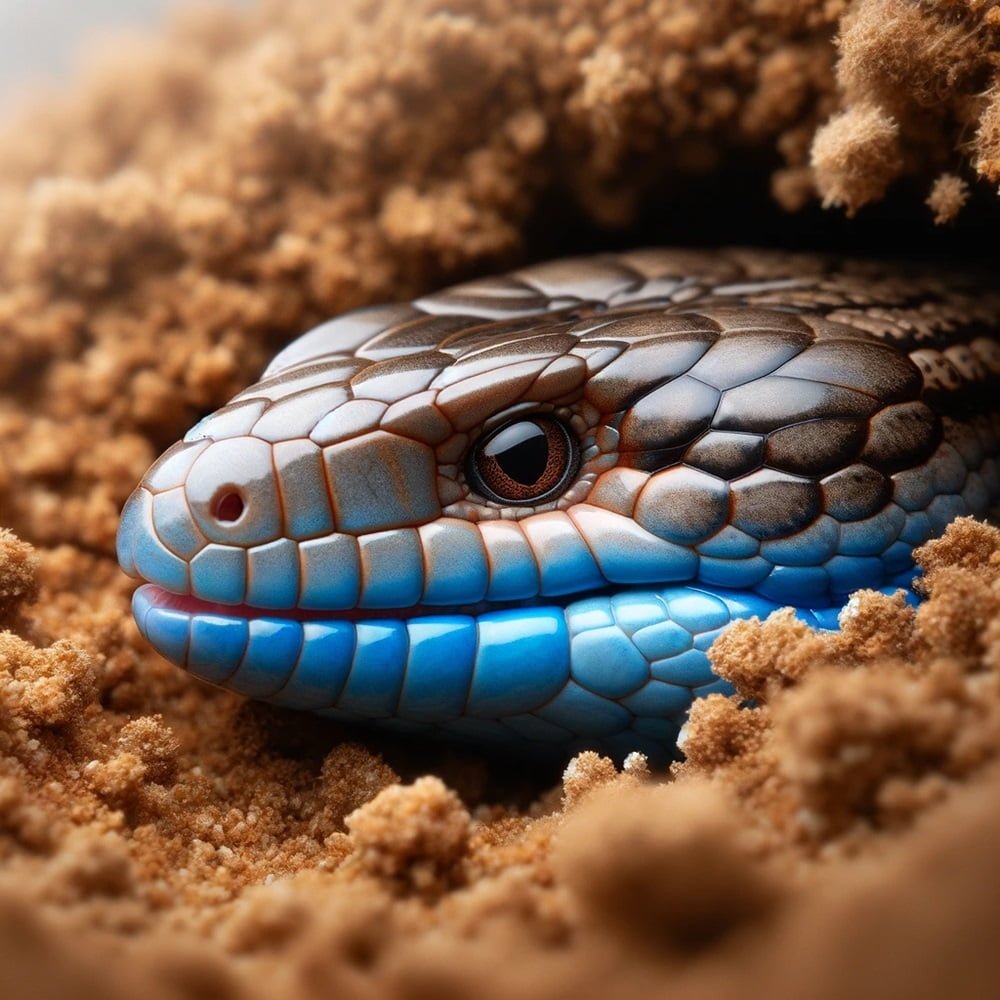
Seeking Security: Blue tongue skinks often burrow to feel secure and rest. Providing a substrate for burrowing mimics their natural environment.
Hiding Spots: They appreciate having hiding spots in their enclosure to retreat to.
Feeding: Omnivorous Diet
Eating Habits: They eat a variety of foods, including plants and proteins, typically during the daytime.
Adaptable Feeders: In the wild, they adapt their diet based on availability, eating insects, flowers, fruits, and occasionally small animals.
Activity: Curious and Exploratory
Daytime Activity: They are diurnal, meaning they are most active during the day.
Exploring Their Surroundings: In captivity, they enjoy exploring their enclosure and can be quite interactive with their environment.
Shedding: Regular Skin Renewal
Periodic Shedding: Like many reptiles, Blue-Tongue Skinks shed their skin as they grow. Providing a humid environment helps facilitate this process.
Caring for Your Blue Tongue Skink
Caring for a Blue Tongue Skink is an enjoyable and rewarding experience. Here’s a simple guide to help you keep your skin happy and healthy.
Habitat Setup: Creating a Comfortable Home
Tank Size: A minimum 40-gallon tank for ample space.
Temperature Control: Maintain a warm side (around 95°F) and a cooler side (75°F) in the tank.
Lighting: UVB lighting is essential for their health.
Substrate: Use a substrate like aspen shavings or newspaper for easy cleaning.
Diet: What to Feed Your Skink
Balanced Diet: A mix of vegetables, fruits, and proteins.
Protein Sources: Offer cooked meats, boiled eggs, and high-quality cat food.
Fresh Produce: Leafy greens, carrots, and fruits like apples and bananas.
Supplements: Calcium and vitamin supplements to prevent nutritional deficiencies.
Handling and Interaction: Bonding with Your Skink
Gentle Handling: Regular, careful handling helps build trust.
Supervised Playtime: Allow supervised exploration outside the tank in a safe environment.
Health Care: Keeping an Eye on Their Well-being
Regular Check-ups: Annual visits to a reptile-savvy veterinarian.
Signs of Illness: Watch for lethargy, appetite loss, or skin issues.
Environmental Enrichment: Keeping Them Engaged
Hiding Spots: Offer places to hide for a sense of security.
Climbing Structures: Provide logs or rocks for climbing and basking.

Conclusion
Blue tongue skinks are not just unique for their blue tongues; they are interactive, easy to care for, and make great companions. Their distinct characteristics and behavior make them exciting pets for reptile lovers.
References and External Links
Reptiles Magazine – Blue-Tongue Skink Care Sheet
Offers comprehensive care instructions for Blue-Tongue Skinks, including habitat setup, diet, and health concerns.
Australian Museum – Blue-Tongue Lizard Facts
Provides in-depth information about Blue-Tongue Skinks in their natural habitat, including behavior and ecology.
The Spruce Pets – Blue-Tongue Skinks as Pets
Features practical advice on keeping Blue-Tongue Skinks as pets, covering topics from daily care to common health issues.
Animal Diversity Web – Tiliqua Scincoides
Offers scientific information on the species, including taxonomy, geographic range, and physical characteristics.
“All About Blue-Tongue Skinks”: Top Pet Breed