




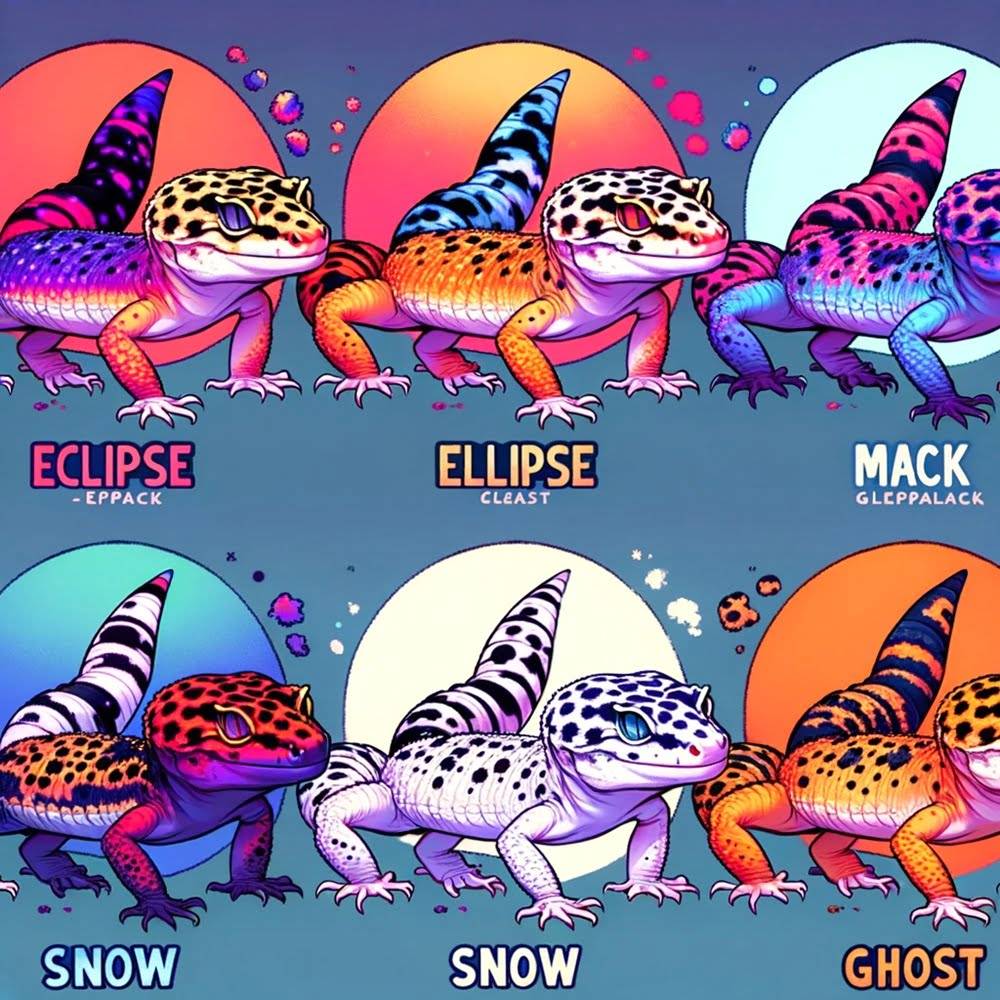
Leopard geckos (Eublepharis macularius) are one of the most popular reptiles in the pet trade, known for their docile nature, ease of care, and, notably, their wide variety of color and pattern variations known as morphs. These morphs are the result of selective breeding and natural genetic mutations.

1: What is a Leopard Gecko Morph?
A morph in leopard geckos refers to a specific genetic mutation that affects their color, pattern, or scale texture.
2: How Many Leopard Gecko Morphs Are There?
There are over 100 different leopard gecko morphs, ranging from common to extremely rare patterns and color variations.
3: What is the Difference Between Albino and Non-Albino Morphs?
Albino morphs lack melanin, resulting in reduced pigmentation and sensitivity to light, whereas non-albino morphs have normal pigmentation.
4: Can Different Morphs Be Bred Together?
Yes, different morphs can be bred together, but it’s important to understand genetics to predict the offspring’s appearance and to avoid genetic issues.
5: What is the Rarest Leopard Gecko Morph?
The rarity of morphs changes over time, but morphs like the Black Pearl are considered quite rare.
6: How Do I Care for a Leopard Gecko Morph?
Care for morphs is similar to standard leopard geckos, including appropriate habitat, diet, and temperature, but some morphs may have specific needs.
7: Are There Any Health Concerns with Certain Morphs?
Some morphs, like Enigmas, may have neurological issues, while others might have increased sensitivity or other specific health concerns.
8: What is a Designer Morph?
Designer morphs are created by breeding two or more different morphs to produce a new, often unique, pattern or coloration.
9: How Do I Identify the Morph of My Leopard Gecko?
Identification can be done by comparing your gecko’s traits to known morph characteristics, but it can be complex and sometimes requires expert advice.
10: Are Leopard Gecko Morphs More Expensive?
The price of morphs varies widely, from relatively affordable to very expensive, depending on rarity and demand.
11: What is a Super Giant Leopard Gecko?
Super Giants are a larger variety of leopard geckos, bred for their size, which can reach up to 12 inches in length.
12: What Determines the Color and Pattern of a Leopard Gecko Morph?
Genetics plays a crucial role in determining the color and pattern, with certain genes being dominant, recessive, or co-dominant.
13: Can Leopard Gecko Morphs Change Color Over Time?
Yes, some morphs may change color as they age, often becoming more vibrant or changing pattern intensity.
14: How Can I Breed for a Specific Leopard Gecko Morph?
Breeding for specific morphs requires an understanding of genetics, and knowing the traits of the parent geckos, and often involves trial and error.
15: Is the Temperament of a Leopard Gecko Affected by Its Morph?
Generally, the morph does not affect a leopard gecko’s temperament, which is more influenced by individual personality and handling.
16: What is a Tangerine Leopard Gecko?
Tangerine leopard geckos are characterized by their bright orange coloration, which can vary in intensity.
17: Are Some Morphs More Prone to Health Issues Than Others?
Yes, some morphs have specific health concerns. For example, Enigma morphs are known for neurological issues, and albinos can have light sensitivity.
18: What is the Difference Between a High and Low Expression Morph?
High expression morphs show more pronounced traits of the morph, while low expression may have subtler characteristics.
19: How Do You Care for a Baby Leopard Gecko Morph?
Care involves a warm and humid environment, smaller food items, and careful handling, similar to adult leopard geckos but with some extra precautions.
20: What is a Hypo Leopard Gecko?
“Hypo” refers to “hypomelanistic,” meaning these geckos have less melanin, resulting in lighter coloration.
21: Can Leopard Gecko Morphs Affect Lifespan?
Most morphs do not significantly affect lifespan, with proper care, leopard geckos can live up to 20 years or more, regardless of morph.
22: What is a Blizzard Leopard Gecko?
Blizzard morphs are characterized by a lack of pattern and can range in color from white to purple or yellowish tones.
23: How Do You Sex Leopard Gecko Morphs?
Sexing is done by looking for physical traits such as pre-anal pores and hemipenal bulges in males, which are not present in females.
24: What is an Eclipse Leopard Gecko?
Eclipse morphs have solid-colored eyes, often lacking the usual leopard gecko eye patterns.
25: How to Differentiate Between Wild Type and Morph Leopard Geckos?
Wild types have the natural patterning and coloration found in the wild, while morphs exhibit variations due to selective breeding.
26: What Are the Legal Considerations in Breeding Leopard Gecko Morphs?
It’s important to check local wildlife regulations and laws regarding breeding and selling leopard geckos, as rules can vary by region.
27: How Can I Tell if My Leopard Gecko Morph is Healthy?
Signs of a healthy leopard gecko include clear eyes, regular eating and shedding, active behavior, and a well-rounded tail.
28: Do Leopard Gecko Morphs Require Special Lighting?
While UVB lighting isn’t a necessity for leopard geckos, it can benefit their overall health, especially for certain morphs.
29: What is a Mack Snow Leopard Gecko?
The Mack Snow morph is known for its pale, snowy appearance with distinct patterns that darken as the gecko matures.
30: How Does Temperature Affect Leopard Gecko Morphs?
Temperature affects their metabolism, digestion, and overall health; specific temperature ranges are essential for their habitat.
31: What Should I Feed My Leopard Gecko Morph?
A diet of live insects like crickets, mealworms, and occasional treats like waxworms is recommended, with careful attention to nutritional balance.
32: How to Prepare a Habitat for a Leopard Gecko Morph?
The habitat should include a warm side and a cool side, hiding spots, a moisture hide for shedding, and a safe substrate.
33: Can Leopard Gecko Morphs Coexist with Other Pets?
While they generally should not be housed with other species, careful supervision is required during any interaction with other pets.
34:What is a Ghost Leopard Gecko?
Ghost morphs have a reduced pattern and faded colors, giving them a “ghostly” appearance.
35: How to Handle a Leopard Gecko Morph Safely?
Handle with gentle, slow movements, supporting their body, and never grab them by the tail as it can detach.
36: What are the Breeding Seasons for Leopard Gecko Morphs?
The breeding season typically runs from spring to summer, though it can vary depending on environmental conditions.
37: How to Identify Genetic Issues in Leopard Gecko Morphs?
Genetic issues can manifest as physical deformities, neurological problems, or health complications, often requiring veterinary consultation.
38: What is the Best Substrate for Leopard Gecko Morphs?
Safe options include reptile carpets, tile, or paper towels. Loose substrates like sand are generally discouraged due to impaction risks.
39: How Often Should Leopard Gecko Morphs Be Fed?
Feeding frequency depends on age; juveniles require daily feeding, while adults can be fed every other day.
40: What is a Bold Stripe Leopard Gecko?
This morph is characterized by thick, dark stripes running down the length of the body on a lighter background.
41: Can Leopard Gecko Morphs Be Trained or Tamed?
With regular, gentle handling, they can become accustomed to human interaction, but training in the traditional sense is limited.
42: What is the Lifespan of Leopard Gecko Morphs in Captivity?
With proper care, they can live for 15-20 years, and in some cases even longer.
43: How to Ensure Proper Hydration for Leopard Gecko Morphs?
Providing a shallow water dish and maintaining appropriate humidity levels in their habitat are key.
44: What are the Signs of Stress in Leopard Gecko Morphs?
Signs include excessive hiding, refusal to eat, aggressive behavior, and abnormal feces.
45: How to Breed for a Specific Color in Leopard Gecko Morphs?
This involves understanding genetic inheritance and selectively breeding individuals with desired color traits.
References And External Links
For those interested in Leopard Gecko Morphs, here are several informative resources that delve into the various aspects of these unique creatures:
Reptile Advisor’s Guide to Leopard Gecko Morphs:
This comprehensive guide explores many existing leopard gecko morphs and even some that are still being developed. It highlights the extensive variety and combinations available, emphasizing the virtually endless potential in leopard gecko morphs.
Reptile.Guide’s Ultimate Guide to Leopard Gecko Morphs:
This resource provides an in-depth look at leopard gecko morphs, highlighting the continuous emergence of new and exciting genetic mutations and hereditary traits each year. It’s a great place to learn about the latest developments in leopard gecko breeding
Everything Reptiles’ Best 50 Leopard Gecko Morphs:
For a more visual guide, this resource lists 50 of the best leopard gecko morphs, complete with pictures. It includes information about specific morphs like the Giant Leopard Gecko, which is larger than the typical species and known for its calm and docile nature
Reptile-Guide’s Ultimate Color Guide to 30+ Leopard Gecko Morphs:
This guide offers insight into some of the most popular leopard gecko morphs, including albino, tangerine, and lavender. It also touches on how morphs can affect the gecko’s size and shape and the importance of understanding genetics in breeding leopard gecko morphs
Terrarium Quest’s Guide to Leopard Gecko Morphs and Genetics:
This guide provides an extensive look into the world of leopard gecko morphs and their genetics. It discusses the historical context of how wild-caught leopard geckos initially captivated reptile hobbyists and how their breeding has evolved over time