
Horses capture the spirit of adventure and freedom. Among them, the Gypsy Vanner Horse stands out with its distinctive looks and gentle nature. Welcome to a unique exploration of these magnificent creatures.
Gypsy Vanner Horse: A Brief History

The Gypsy Vanner Horse, an enchanting symbol of strength and beauty, carries a history as rich and colorful as its distinctive coat. Originally from the British Isles, this breed’s journey began with the Romani people, known for their nomadic lifestyle and profound horse-trading knowledge.
Roots in Romani Culture
Early Beginnings: The Romani sought a horse that was strong enough to pull their ornate caravans yet gentle enough to be around their families.
Selective Breeding: Over centuries, they meticulously bred horses, combining the power of draft horses with the elegance of lighter breeds.
Characteristics They Cherished
Strength and Stamina: Essential for long travels and pulling heavy loads.
Temperament: A calm and friendly nature was prized, reflecting the breed’s role as a family companion.
The Horse of the People
Names and Recognition: Known by various names like Irish Cob or Tinker Horse, it wasn’t until 1996 that the term ‘Gypsy Vanner Horse’ was coined in the United States, recognizing its unique heritage and characteristics.
Spread and Popularity: Initially bred by a small, insular community, the Gypsy Vanner gained worldwide admiration for its striking looks and versatile nature.
Characteristics
Scientific name: Equus caballus
Size: Typically stands 13 to 15 hands tall.
Coat: Lush, flowing manes and tails with distinct feathering on the legs.
Color: Commonly piebald or skewbald, but comes in all colors.
Gypsy Vanner Horse Temperament
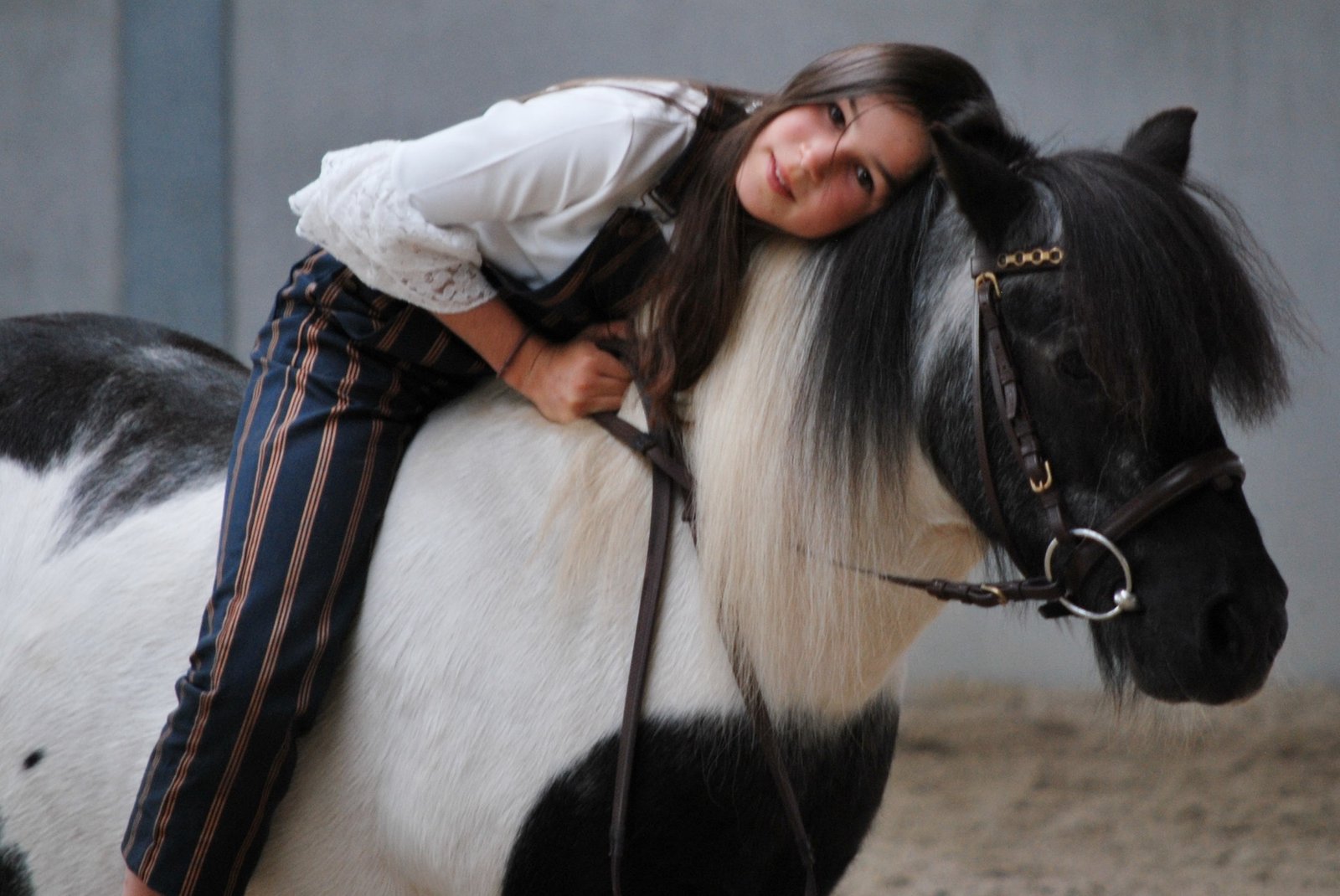
The Gypsy Vanner Horse, with its striking presence and flowing mane, doesn’t just captivate with looks; it’s their temperament that truly endears them to enthusiasts worldwide.
Gentle Giants
Calm Nature: These horses are renowned for their serene and gentle disposition, making them excellent companions for all ages.
Family-Friendly: Their patience and docile temperament make them particularly suitable for families and novice riders.
Intelligent and Trainable
Eager Learners: Gypsy Vanners show an eagerness to learn and please their handlers, making training a rewarding experience.
Sociable: They enjoy human company and often form strong, affectionate bonds with their owners.
Versatility in Roles
Adaptability: Their calm demeanor makes them suitable for various roles, from therapy animals to family pets and show horses.
Work Ethic: Despite their gentle nature, they possess a strong work ethic and perform well in different disciplines.
Diverse Uses and Roles
The Gypsy Vanner Horse, with its robust build and gentle nature, serves various roles that extend far beyond its captivating appearance.
Traditional and Modern Uses
Caravan Companion: Traditionally bred to pull the Romani caravans, they possess the strength and endurance needed for long journeys.
Riding: Their calm temperament and steady gait make them excellent for leisurely rides and beginner riders.
Competitive and Recreational Activities
Show Ring: With their striking looks, they are stars in the show ring, excelling in categories like dressage and driving.
Trail Riding: Their sturdy build and calm demeanor make them perfect companions for exploring trails.
Therapeutic and Educational
Therapy Animals: Their gentle nature makes them ideal for therapeutic riding programs, helping individuals with physical, emotional, and developmental challenges.
Learning Tools: Used in educational programs, they help teach responsibility and care for animals.
Gypsy Vanner Horse: Essentials of Care
Caring for a Gypsy Vanner Horse involves understanding their specific needs to ensure they lead a healthy, happy life.
Nutrition and Diet
Balanced Diet: Provide a mix of quality hay, grains, and pasture to meet their nutritional requirements.
Regular Feeding: Consistent feeding times help maintain their digestive health.
Grooming and Hygiene
Coat Care: Regular brushing keeps their long mane and tail smooth and free from tangles.
Feather Maintenance: Pay special attention to their leg feathers to prevent matting and skin issues.
Health and Veterinary Care
Routine Check-ups: Regular visits from a veterinarian help monitor their health and prevent common equine diseases.
Hoof Care: Regular trimming and, if necessary, shoeing by a farrier are essential to prevent hoof problems.
Exercise and Space
Regular Exercise: Ensure they have enough space and time for daily exercise to maintain their physical health and prevent boredom.
Mental Stimulation: Interaction with humans or other horses can provide the mental engagement they need.
Gypsy Vanner Horse: A Palette of Colors
The Gypsy Vanner Horse isn’t just known for its robust build and gentle nature; its variety of colors adds to its enchanting appeal.
Common Color Patterns
Piebald: Black and white patches are perhaps the most recognized coloration in Gypsy Vanners.
Skewbald: Combining white with any color other than black, such as chestnut or bay.
Solid and Other Colors
Solid Colors: While less common, you can find Gypsy Vanners in solid hues like black, bay, or chestnut.
Unique Markings: Many have distinct, unique markings that add to their charm.
Color Genetics
The fascinating color patterns of Gypsy Vanners are a result of complex genetic combinations, reflecting their diverse ancestry.
FAQs
1: What is the average lifespan of a Gypsy Vanner Horse?
Gypsy Vanners typically live around 20–25 years with proper care.
2: Are Gypsy Vanner Horses suitable for beginner riders?
Yes, their calm and gentle nature makes them an excellent choice for beginners.
3: How much does a Gypsy Vanner Horse cost?
Prices vary widely based on lineage, training, and color, ranging from a few thousand to tens of thousands of dollars.
4: What are the common health concerns for Gypsy Vanners?
They are generally healthy, but watch for equine issues like hoof problems and obesity.
5: Can Gypsy Vanner Horses be kept with other breeds?
Their sociable nature allows them to integrate well with other horses.
6: What types of activities are Gypsy Vanners suitable for?
They excel in various disciplines, from dressage to trail riding and even therapeutic riding.
7: How often do Gypsy Vanner Horses need grooming?
Regular grooming is crucial, especially for maintaining their long mane, tail, and feathering.
8: What should a Gypsy Vanner Horse eat?
A balanced diet of quality forage, grains, and supplements is ideal.
9: Are Gypsy Vanner Horses good with children?
Yes, their gentle and patient demeanor makes them great companions for kids.
10: How can I adopt or purchase a Gypsy Vanner Horse?
Research reputable breeders or rescue organizations, and always visit and assess the horse in person before making a decision.
Conclusion
Embracing a Gypsy Vanner Horse means welcoming a blend of beauty, grace, and companionship into your life. Their story is not just about appearance; it’s about the bond they form with those who care for them. For more insights into the world of pets, visit Top Pet Breed.
References and External Links
Gypsy Vanner Horse Society: Offers detailed information on breed standards, history, and care. Visit the GVHS Website
The Horse Magazine: Provides extensive articles on horse health, management, and training. Explore The Horse Magazine
LexLin Gypsy Ranch: A reputable breeder with a focus on ethical practices. Discover LexLin Gypsy Ranch
Gypsy Gold Horse Farm: Known for its educational tours and breeding program. Learn More at Gypsy Gold
Equusite.com: Offers a broad range of horse-related resources and forums. Visit Equusite