





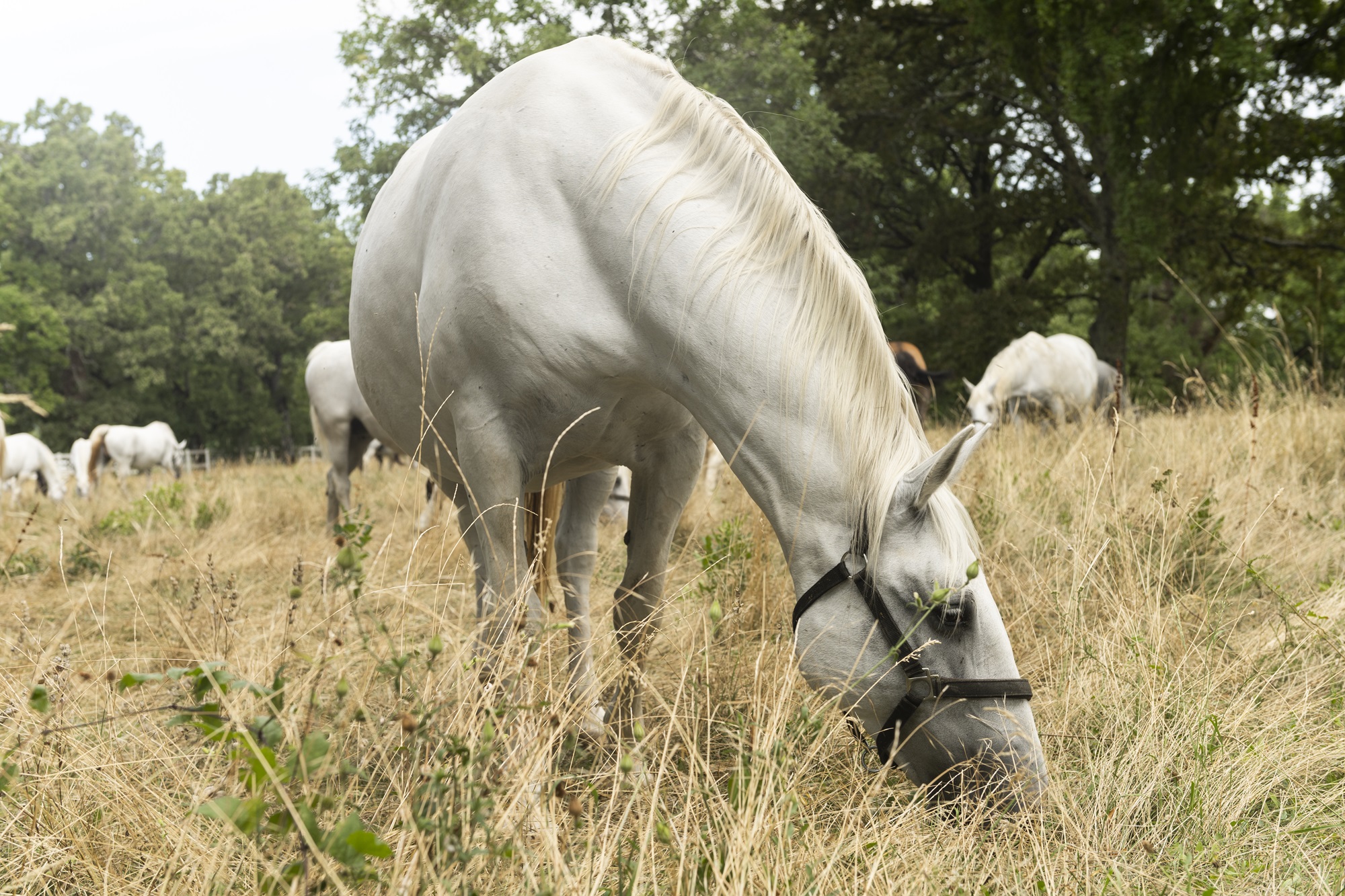
Welcome to the Pet Breed Hub, your go-to guide for all things pet! Today, we’re galloping into the elegant world of the Lipizzaner horses, a breed renowned for its majestic movements and royal lineage. Get ready to leap into a journey of discovery!
| Trait | Description |
|---|---|
| Lifespan | Approximately 20–30 years |
| Temperament | Intelligent, willing, and easy to train |
| Uses | Dressage, riding, and ceremonial purposes |
What is so special about Lipizzaner stallions?
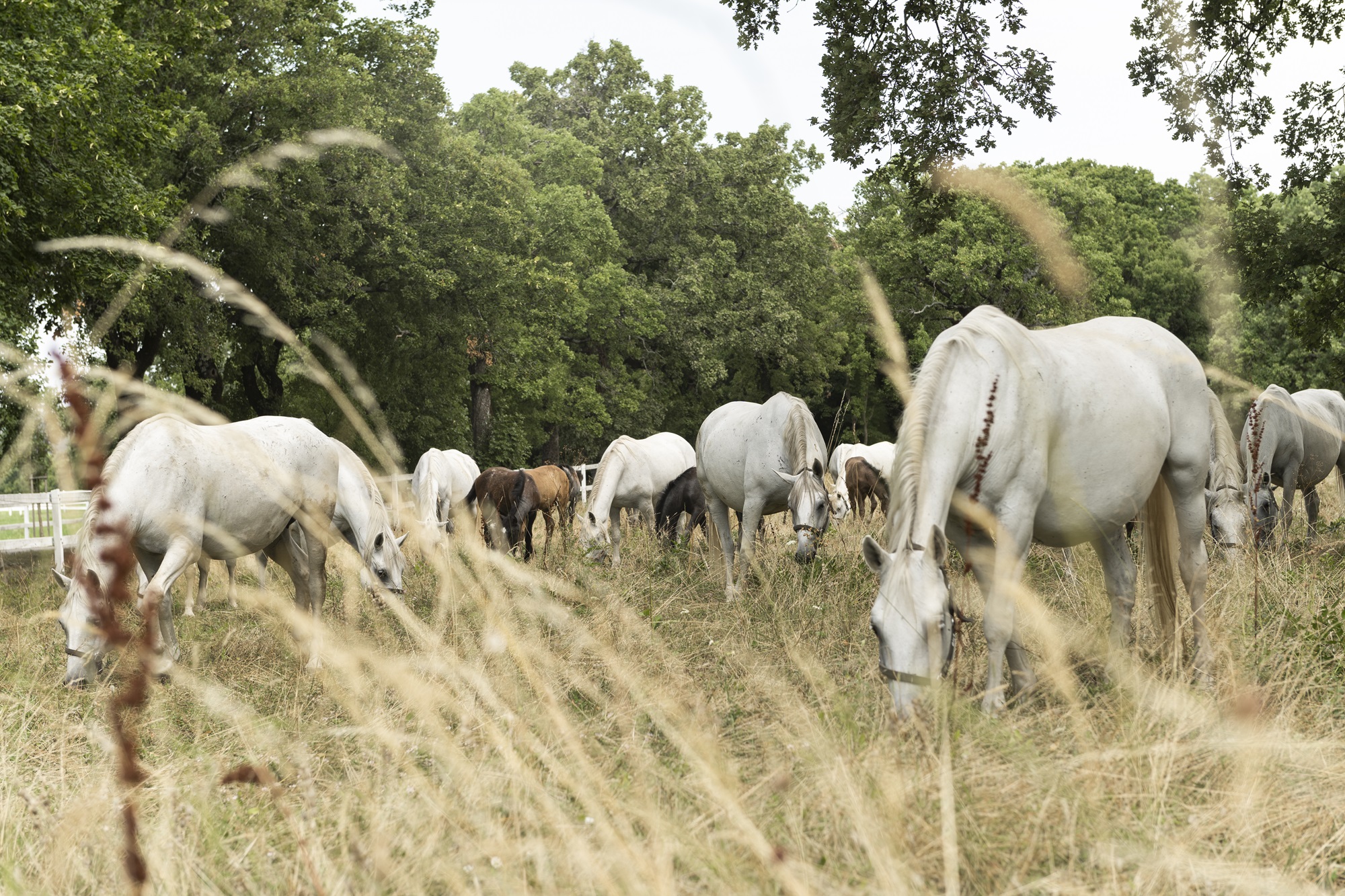
Performance in Classical Dressage: Lipizzaner stallions are best known for their ability to perform classical dressage, including highly controlled, elegant movements and the famous “airs above the ground” maneuvers, such as the levade, capriole, and courbette. These are advanced moves that require a high degree of training, strength, and coordination, and Lipizzaner stallions excel in them.
Historical and Cultural Significance: They have a storied history dating back to the 16th century, closely tied to European nobility and the Spanish Riding School in Vienna, Austria. Their historical lineage and continued presence in traditional ceremonies and performances give them a revered status.
Longevity and Maturity: Lipizzaner stallions often have longer training and performance careers compared to other horse breeds. They mature slowly, which allows for a gradual and thorough training process, and they can perform well into their 20s.
Unique Coloring Process: Unlike most horse breeds, Lipizzaners are known for their distinctive color transformation. Born with darker coats, they gradually turn to the iconic white or light gray as they mature, usually by the age of 6 to 10 years.
Intelligence and Temperament: They are highly intelligent and known for their willingness to learn and work with humans. Their temperament is well-suited to the demands of dressage: they are calm, patient, and responsive, making them ideal for the detailed and precise work required.
Selective Breeding: The breed has been carefully cultivated over centuries, with a focus on maintaining their health, temperament, and abilities. The selective breeding and careful preservation efforts contribute to the special status of Lipizzaner stallions.
Lipizzaner Origin: A Royal Beginning
Lipizzaners are a gleaming gem in the equine world, with a history as fascinating as their elegant movements. Let’s gallop through the origins of this noble breed:
Historical Roots: The story of the Lipizzaner begins in the 16th century, born from the desire for a superb military and court horse. This quest led to the creation of an equine breed that epitomizes grace and strength.
Geographical Cradle: The breed was developed during the Habsburg Monarchy, specifically within modern-day Slovenia. The stud farm in Lipica (hence the name Lipizzaner) was established in 1580, laying the foundation for the breed’s evolution.
Breeding Brilliance: The ancestors of the Lipizzaner were Spanish, Arabian, and Berber horses. This selective breeding aimed to create a horse that excelled in the art of classical dressage and was resilient enough for military use.
Royal Association: Lipizzaners quickly became associated with the Habsburg nobility, serving as symbols of royal power and prestige. Their regal demeanor and exceptional abilities made them favorites among emperors and kings.
Cultural Icon: Over the centuries, the Lipizzaner has transcended its role as merely a horse breed, becoming a cultural icon representing artistry, history, and equestrian excellence.
The Rich History of the Lipizzaner Horse
The Lipizzaner breed boasts a storied and intricate history, intertwining with European nobility and enduring tumultuous historical events. Here’s a brief glimpse into their fascinating past:
Renaissance Origins: The Lipizzaner’s story began in the late Renaissance period. The breed was established in 1580 when Habsburg Archduke Charles II established a stud farm in Lipica (now in modern-day Slovenia). The aim was to create a versatile, noble horse for both military and courtly use.
Breeding Excellence: The initial breeding stock came from Spanish, Barb, and Arabian horses. The Habsburgs’ extensive empire enabled them to procure the finest horses from across Europe and North Africa, focusing on strength, intelligence, and agility.
War and Preservation: Despite the turmoil of wars, especially the threats posed during the Napoleonic Wars and World Wars I and II, dedicated efforts were made to preserve the breed. The horses were moved from stud farm to stud farm to avoid the conflict zones, showcasing the high value placed on these equine treasures.
Cultural Significance: Beyond their role in war and ceremony, Lipizzaners became cultural icons due to their association with the Spanish Riding School in Vienna. Founded in 1572, the school is famed for its classical dressage training, with Lipizzaners as the stars of the show.
Modern Era: Today, while they are no longer bred for war, Lipizzaners continue to captivate audiences with their grace and athleticism in dressage and shows. They remain a symbol of equestrian artistry and historical heritage, with stud farms across Europe dedicated to preserving their pure lineage and celebrated characteristics.
The Temperament of Lipizzaner Horses
Lipizzaner horses are renowned not only for their physical elegance and strength but also for their remarkable temperament. Here are key aspects of their disposition:
Intelligence: Lipizzaners are highly intelligent horses, capable of learning complex dressage moves and responding to subtle cues from their riders. This intelligence makes them excellent at problem-solving and adapting to new situations.
Docility: Despite their strength and agility, Lipizzaners are known for their gentle and docile nature. They are usually calm and composed, which makes them suitable for the intricate and disciplined movements required in classical dressage.
Willingness to Work: These horses are known for their strong work ethic. They are eager to please and form close bonds with their trainers, making them cooperative and willing participants in their training and performance.
Sensitivity: Lipizzaners are sensitive to their environment and to the humans who work with them. They require a patient and consistent training approach, responding best to positive reinforcement and a calm demeanor.
Endurance and Strength: While not overly temperamental, Lipizzaners possess a robust spirit and stamina, a trait necessary for the demanding performances and training they undergo.
The Distinctive Colors of Lipizzaner Horses
Lipizzaner horses are often recognized for their striking, almost ethereal color, which is predominantly white. However, the journey to their distinctive coat is as fascinating as the breed itself. Here are some insights into the colors of Lipizzaner horses:
Birth Color: Lipizzaners are not born white. Instead, they come into the world with coats of darker shades, such as black, brown, or gray. This initial color gradually fades as it matures.
Transition to White: As Lipizzaners age, they undergo a process known as graying. This usually starts at the age of 4 to 10 years. Over time, their dark hairs are replaced with white ones, resulting in the magnificent white coat that Lipizzaners are famous for.
Mature Color: By the time they reach 6 to 10 years old, most Lipizzaners will have developed their characteristic white or light gray coats. However, the exact age when the transformation is complete can vary from horse to horse.
Rare Colors: While the majority of Lipizzaner horses are white or gray, there are rare instances of horses retaining their darker coat or being born with other colors. These instances are quite unusual but they add to the breed’s diversity.
The symbolism of White: The white color of Lipizzaners is not just visually striking; it has also been historically symbolic, representing nobility, purity, and strength, which aligns with the breed’s royal heritage and distinguished history.
Grooming the Lipizzaner Horse
Grooming is an essential aspect of Lipizzaner care, reflecting not only in their majestic appearance but also in their health and well-being. Here are some key points about grooming these noble steeds:
Routine Cleaning: Regular brushing is vital to keep the Lipizzaner’s coat shiny and clean. Their predominantly white color can make dirt quite visible, so daily grooming is recommended to maintain their stunning appearance.
Bathing: Lipizzaners, with their light coats, may require frequent bathing, especially before shows or performances. However, it’s important to use gentle shampoos and to thoroughly rinse to prevent skin irritation.
Mane and Tail Care: Their mane and tail require regular combing to prevent tangles and to keep them looking neat. Some trainers and riders prefer to keep the mane short and neatly trimmed to accentuate the horse’s elegant neck and head.
Hoof Care: Regular hoof cleaning and maintenance are crucial. The hooves should be picked clean of debris and checked for any signs of disease or injury. Trimming and shoeing by a professional farrier is also important to maintain the horse’s balance and gait.
Skin Checks: While grooming, it’s a good opportunity to check for any skin issues, lumps, or injuries. Early detection of problems can prevent them from becoming serious.
Bonding Time: Grooming is not just about cleanliness; it’s also a time for bonding. Lipizzaners are known for their close connections with their caregivers, and grooming provides an opportunity for developing trust and understanding.
FAQs About Lipizzaner Horses
1: What is a Lipizzaner?
A Lipizzaner is a European breed of horse known for its classical dressage abilities, distinctive white coat, and historical association with European royalty.
2: Where did Lipizzaners originate?
Lipizzaners originated in the 16th century in the Habsburg Monarchy. The breed was developed at the Lipica stud farm in modern-day Slovenia.
3: Are all Lipizzaners white?
While adult Lipizzaners are predominantly white or light gray, they are usually born with darker coats and gradually lighten as they mature.
4: How long do Lipizzaners live?
Lipizzaners typically have a lifespan of 20 to 30 years, with proper care and management.
5: What are Lipizzaners used for?
Lipizzaners are primarily used for classical dressage, including performances at the Spanish Riding School. They are also used for riding, ceremonial purposes, and as a symbol of cultural heritage.
6: Can Lipizzaners perform unique movements?
Yes, Lipizzaners are famous for their ability to perform “airs above the ground” movements in classical dressage, such as the levade, capriole, and courbette.
7: What is the temperament of a Lipizzaner like?
Lipizzaners are known for their intelligence, willingness to learn, gentle nature, and strong work ethic, making them suitable for the disciplined demands of dressage.
8: How tall are Lipizzaners?
Lipizzaners typically stand between 14.2 and 15.2 hands (58 to 62 inches) tall at the withers.
9: Are Lipizzaners rare?
While not extremely rare, Lipizzaners are considered a relatively less common horse breed, with careful breeding practices to maintain their lineage and characteristics.
10: How do I care for a Lipizzaner?
Caring for a Lipizzaner involves regular grooming, proper nutrition, routine veterinary checkups, adequate exercise, and specialized training, especially if involved in dressage.
Conclusion
Lipizzaners captivate us with their ethereal beauty and athletic prowess. As we conclude our journey, remember that these horses are more than just a breed; they are a testament to the history and artistry of the equine world.
References And External Links
Lipizzan International Federation (LIF): The federation is dedicated to the Lipizzan breed, providing comprehensive information on the breed’s standards, history, and studbooks. Lipizzan International Federation
United States Lipizzan Federation: An organization dedicated to the promotion and preservation of Lipizzan horses in the United States, providing resources on breeders, training, and events. United States Lipizzan Federation
The Lipizzan Association of North America (LANA): Offers a comprehensive resource on Lipizzan history, breeders, and events in North America. The Lipizzan Association of North America