




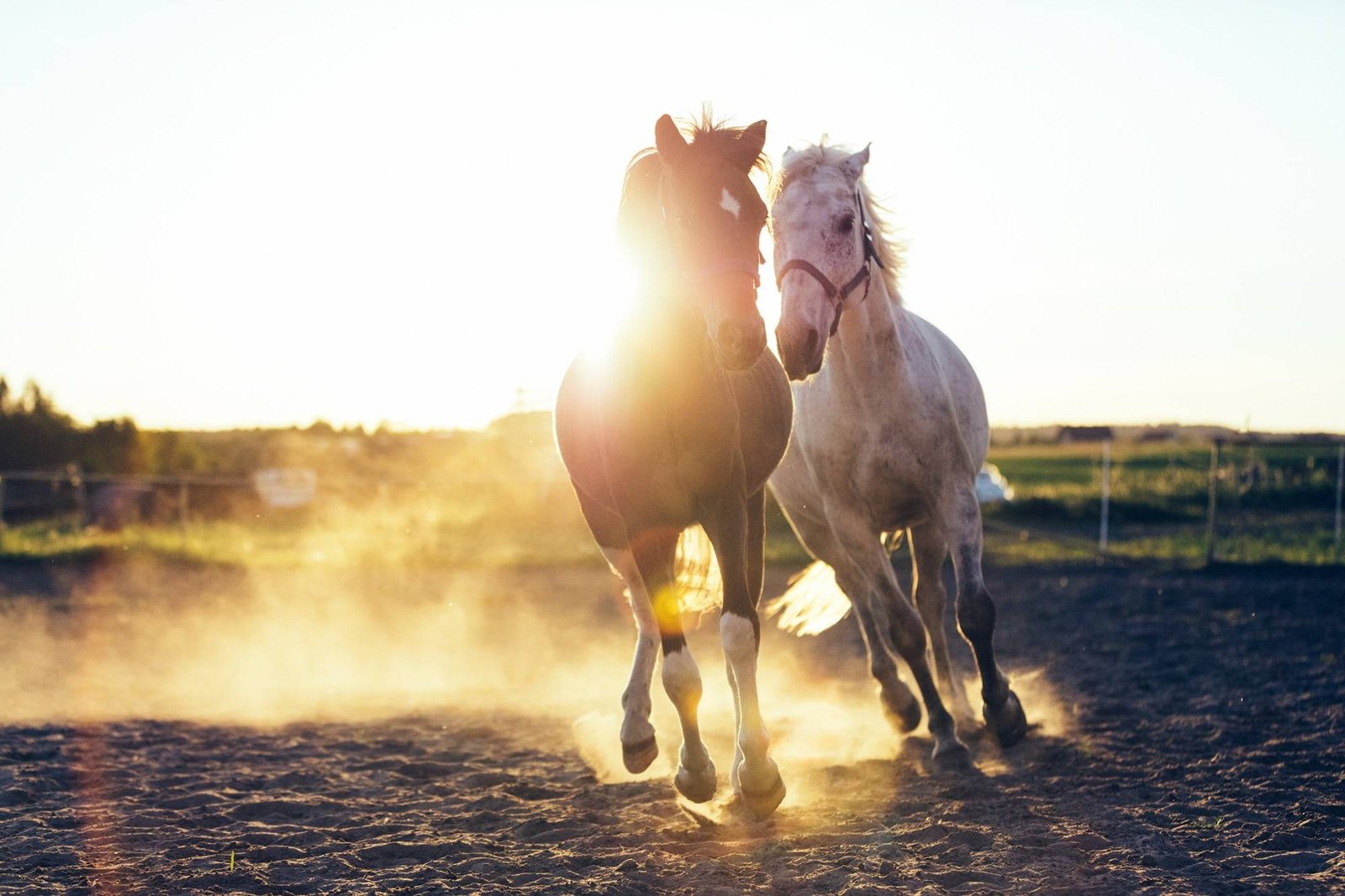
Welcome to Pet Breed Hub, your go-to source for everything pet-related! Today, we’re galloping into the fascinating world of the Mustang horse, an American icon. We’re doing things differently here, with snappy sentences, engaging visuals, and a format that’ll keep you hooked till the end. Ready? Let’s ride!
History and Origin
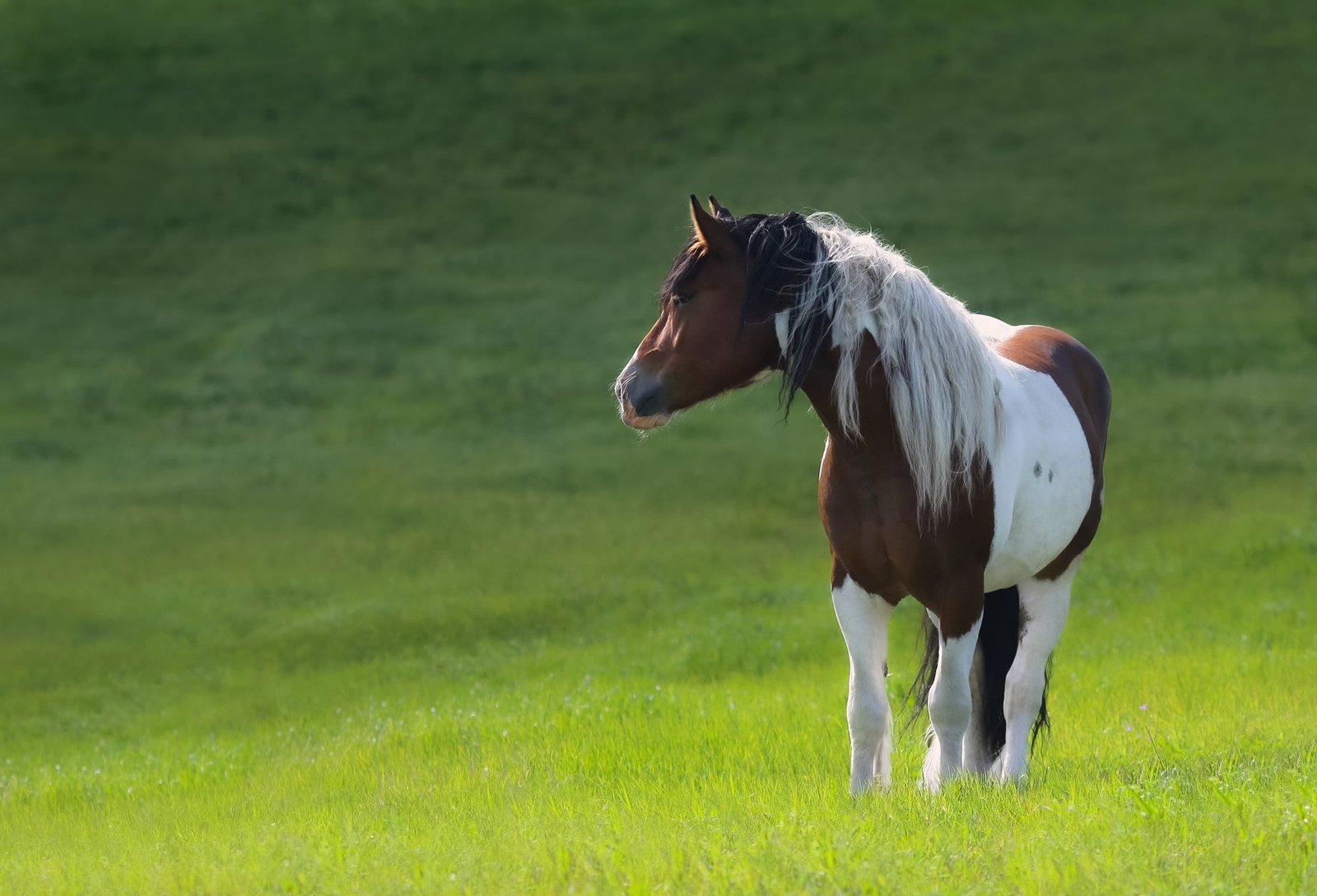
Spanish Beginnings: Mustang Horse trace their roots back to the Iberian Peninsula. Brought to the Americas by Spanish explorers in the 16th century, these horses were the seeds of today’s Mustang herds.
Wild Transformation: Escaped or released, these Spanish horses adapted to the diverse and challenging landscapes of North America. Over the centuries, they evolved into the resilient and robust Mustangs we know today.
Cultural Tapestry: Mustang Horse quickly became intertwined with Native American cultures. They revolutionized indigenous transport, hunting, and warfare, becoming integral to many tribes.
Symbol of the West: In the 19th century, as the American frontier expanded, Mustangs became synonymous with the wild, untamed spirit of the West.
Survival Against Odds: Despite facing challenges like habitat loss and competition for resources, Mustangs have survived and thrived. Their story is one of resilience in the face of adversity.
Interesting Tidbit: The word “Mustang” comes from the Spanish word “mestengo,” meaning wild or stray. It perfectly captures the essence of these untamed beauties!
Physical Characteristics
Robust Build: Mustangs, known for their sturdy and compact frames, are the epitome of strength. Typically standing between 14 to 15 hands (56 to 60 inches) tall, they possess a muscular build that’s a testament to their wild origins.
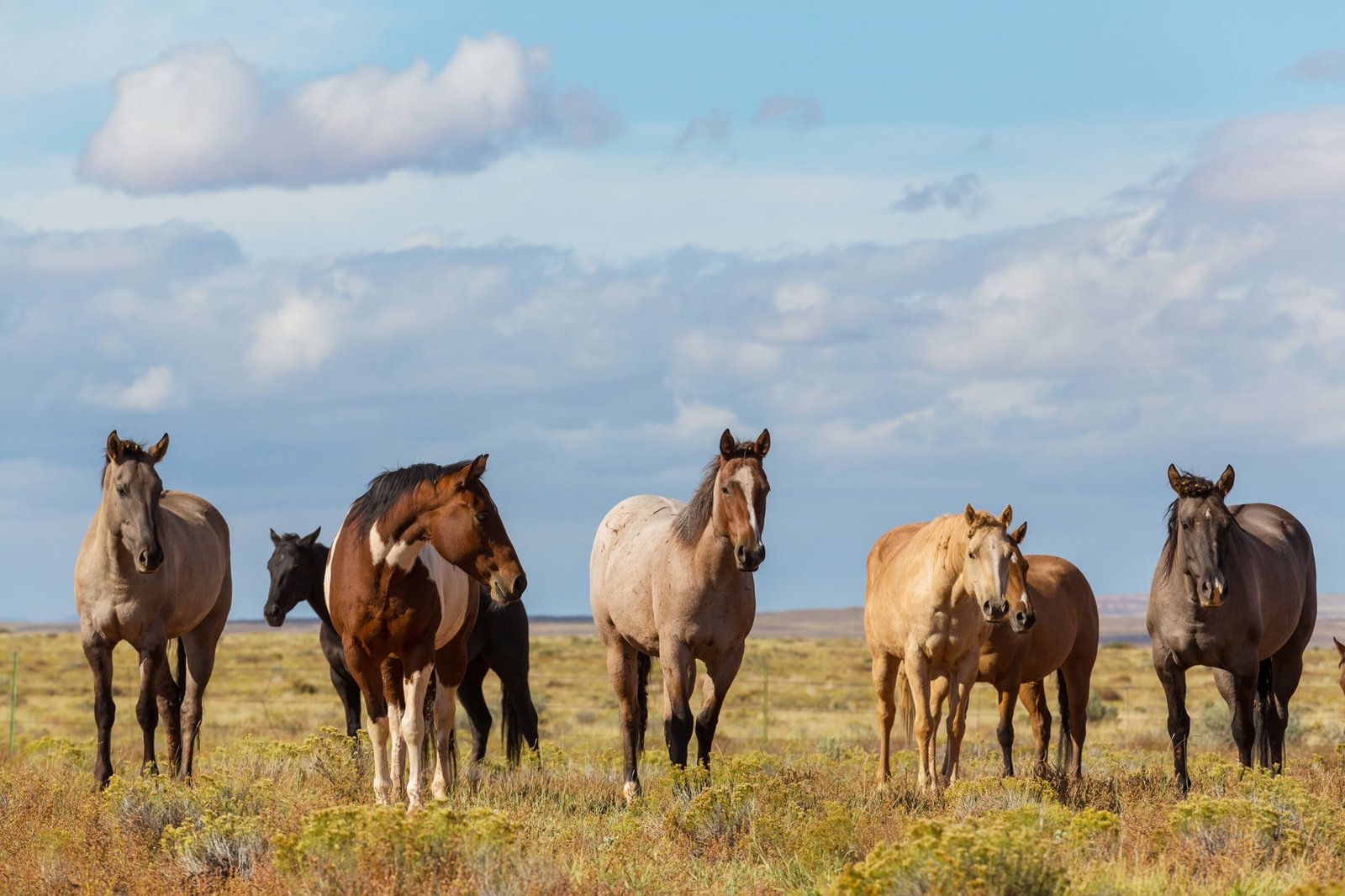
Diverse Coat Colors: The coat of a Mustang can be as varied as the American landscape itself. From the deep blacks to the rich bays and even stunning palominos, their colors are a canvas of nature’s artistry.
Hardy Hooves: Their hooves are a marvel of natural engineering. Strong and well-shaped, they are adapted to traverse varied terrains, from rocky mountains to sandy plains.
Mane and Tail: The mane and tail of a Mustang are often thick and flowing, adding to their majestic appearance. These features not only enhance their wild beauty but also provide protection against the elements.
Adaptable Physique: Reflecting their history of survival in diverse environments, Mustangs have a physique that’s adaptable to various climates. From the cold winters to the scorching summers, they maintain their vigor and vitality.
Did You Know? The physical adaptability of Mustangs is not just about survival; it’s a living showcase of evolution in action, molded by the diverse landscapes of North America.
Behavior and Temperament
Independent and Intelligent: Mustangs, born and bred in the wild, exhibit a high level of independence. This independence is coupled with a sharp intelligence that has helped them survive in varied and often harsh environments.
Social Animals: Despite their independent nature, Mustang horses are incredibly social creatures. They thrive in herd dynamics, demonstrating complex social behaviors and forming tight-knit bonds within their groups.
Adaptability: One of the most remarkable traits of Mustangs is their adaptability. They are known to adjust to different situations and environments, a trait honed by their wild upbringing.
Sensitivity and Awareness: Mustangs possess a heightened sense of awareness, a necessary survival trait in the wild. This makes them responsive and perceptive, qualities that can be an asset in training and handling.
Loyalty and Affection: Once trust is established, Mustangs can be incredibly loyal and affectionate companions. Their wild heart does not preclude the formation of deep bonds with their human caretakers.
Fun Fact: The Mustang’s instinctual behaviors, shaped by their life in the wild, offer a glimpse into the ancestral behaviors of horses, a window into the past that continues to intrigue and inspire horse enthusiasts.
Habitat and Lifestyle
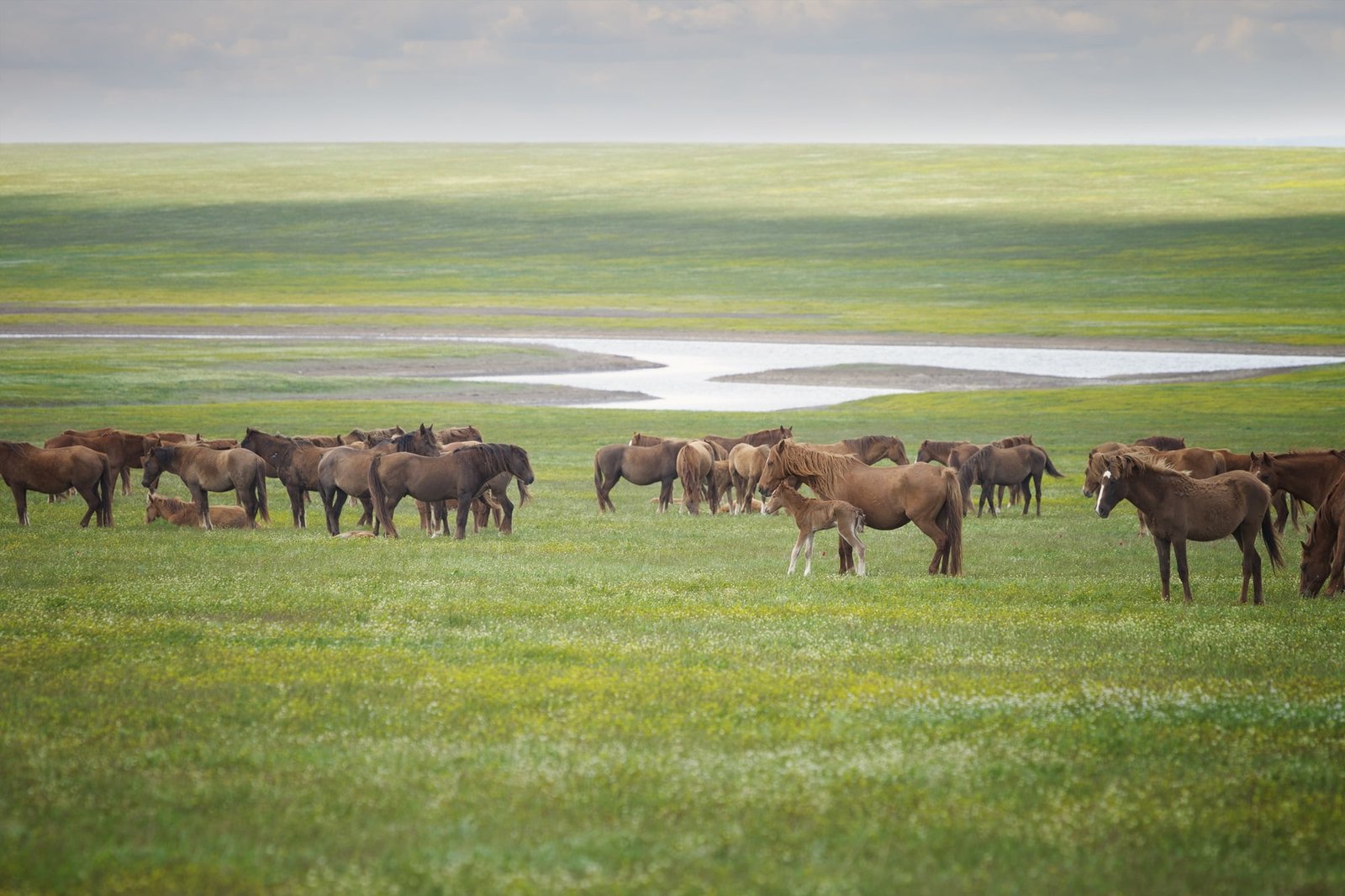
Natural Habitats: Mustangs are synonymous with the vast, open ranges of the American West. They predominantly roam in regions like Nevada, Wyoming, and Oregon, thriving in environments ranging from arid deserts to grassy plains.
Adaptation to Environments: Their ability to adapt to different terrains is remarkable. Whether it’s the rocky foothills or the sparse desert landscapes, Mustangs have evolved to make the most of their surroundings.
Grazing Patterns: As grazers, Mustangs spend a significant part of their day foraging for grasses and plants. Their diet changes with the seasons, showing their flexibility in adapting to available resources.
Herd Behavior: Mustangs live in herds, usually led by a dominant stallion. This social structure is crucial for their survival, providing safety in numbers and a framework for breeding and rearing young.
Migration and Movement: While not migratory in the traditional sense, Mustangs do move across large areas in search of food and water, especially in response to seasonal changes.
Insight: The lifestyle of Mustangs, shaped by the need to survive in the wild, highlights their resilience and resourcefulness, traits that have enabled these majestic creatures to endure through the centuries.
Care and Management
Understanding Their Needs: Caring for a Mustang requires a deep understanding of their nature as wild animals. They have unique needs compared to domesticated horses, stemming from their life in the wild.
Environment Adaptation: When kept in captivity, it’s crucial to provide an environment that mimics their natural habitat as much as possible. This includes ample space for roaming, grazing, and social interaction with other horses.
Diet and Nutrition: Mustangs are used to foraging for their food, so their diet should be as natural and varied as possible. High-quality hay, grass, and occasional grains can ensure they receive the nutrients they need.
Routine Health Checks: Regular veterinary care is essential. This includes vaccinations, deworming, and hoof care. Their hooves, in particular, require regular trimming and maintenance, as they’re not as naturally worn down as they would be in the wild.
Training and Socialization: Mustangs can be trained, but it requires patience, consistency, and a gentle approach. Positive reinforcement techniques are more effective than traditional methods, respecting their independent spirit.
Conservation and Protection: Beyond individual care, it’s important to support conservation efforts. Advocating for the protection of wild Mustang populations and their natural habitats is vital for their long-term survival.
Note of Caution: Mustangs, while majestic, are not for every horse enthusiast. Their care demands respect for their wild origins and an understanding of their unique behavioral traits.
Mustang Horse Colors
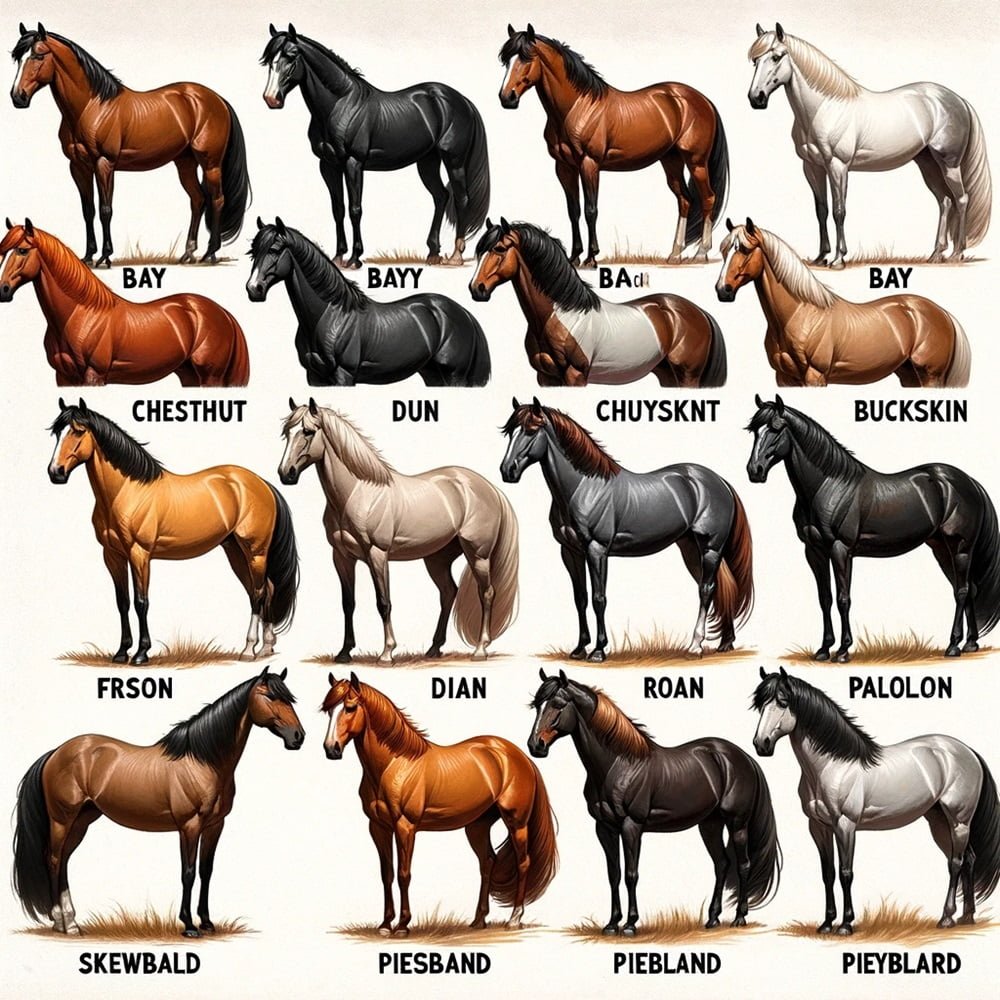
Bay: A rich, reddish-brown body with a black mane, tail, and lower legs.
Black: A deep, solid black coat, mane, and tail.
Chestnut: A range of reddish body colors, without black points. The mane and tail can be the same or lighter than the body.
Dun: A golden or tan body with primitive markings, like a dorsal stripe and sometimes leg barring.
Buckskin: A creamy tan body with black points (mane, tail, and lower legs).
Gray: Can vary from almost white to a dark steel gray. These horses are born darker and lighten as they age.
Roan: A mix of colored and white hairs on the body, with a solid-colored head and lower legs. Can be blue (black and white hairs), red (chestnut and white hairs), or bay roan.
Palomino: A golden body with a white or cream mane and tail.
Piebald: Black and white spotted pattern
Skewbald: Any other color (like chestnut, bay, etc.) combined with white in a spotted pattern.
Frequently Asked Questions About Mustang Horse
1: What is a Mustang horse?
A Mustang is a free-roaming horse of the American West, descended from horses brought by Spanish explorers. They are known for their resilience, intelligence, and wild nature.
2: Are Mustangs wild horses?
Yes, Mustangs are considered wild horses. They have lived in the wild for centuries and have adapted to various environments across North America.
3: Can you legally own a Mustang?
Yes, you can legally own a Mustang. Many are available for adoption through programs like the Bureau of Land Management’s Wild Horse and Burro Program.
4: How much does it cost to adopt a Mustang?
The cost to adopt a Mustang can vary, often starting as low as $25. The Bureau of Land Management often holds auctions and adoptions with different pricing.
5: Are Mustangs good for beginner riders?
Mustangs, due to their wild nature, may not be the best choice for beginner riders. They require an experienced handler who understands their unique temperament and needs.
6: How long do Mustang horses live?
Mustangs can live up to 25–30 years, depending on factors like environment, diet, and healthcare.
7: What do Mustangs eat?
In the wild, Mustangs primarily graze on grass. In captivity, their diet should consist of high-quality hay and grass, with occasional grains as recommended by a veterinarian.
8: Do Mustangs require special care?
While Mustangs are hardy, they require regular veterinary care, a proper diet, and hoof maintenance. Understanding their wild nature is also crucial for their care.
9: How big do Mustangs get?
Mustangs typically stand about 14 to 15 hands (56 to 60 inches) tall at the shoulder and have a sturdy, muscular build.
10: Can Mustangs be trained?
Yes, Mustangs can be trained, but it requires patience, consistency, and a gentle approach. Training should respect their intelligence and independent spirit.
Conclusion
In the world of pet breeds, the Mustang horse stands out as a majestic and resilient creature. From their rich history to their adaptable nature, Mustangs are not just pets; they’re a journey into America’s heart.
References and External Links
Bureau of Land Management—Wild Horse and Burro Program: An authoritative source for information on wild Mustangs, including details on adoption and management practices. Visit Site
Mustang Heritage Foundation: A non-profit organization dedicated to the preservation of America’s Mustangs, offering insights into their history and conservation efforts. Visit Site
American Mustang Guidebook: A comprehensive guide to Mustangs, covering their history, behavior, and care. Available for purchase or at local libraries.
National Geographic: Wild Horses of the American West: An informative article providing a deep dive into the life and habitat of wild Mustangs Read the Article
Horse Illustrated: Mustang Horse Breed Profile: An extensive profile on the Mustang breed, offering information on their characteristics, temperament, and care needs. Read More
Adopt a Mustang: Information on how to adopt a Mustang Horse, including upcoming adoption events and requirements Learn More
The Humane Society: Protecting Wild Horses: An Advocacy Page for the Protection and Humane Treatment of Wild Mustangs Get Involved
Smithsonian Magazine: The History of the Mustang: An Engaging Article Exploring the Rich History of Mustangs in America Explore History
Equine Heritage Institute: Mustangs: educational resources and historical context about Mustangs, perfect for students and educators. Visit Educational Resource
Wild Horse Education: A resource dedicated to the legal and humane treatment of America’s wild horses and burros, with updates on current advocacy efforts. Discover More