
Introduction
Hey there, Pet Breed Hub readers! Ready to dive into the world of Siberian huskies? These dogs aren’t just about stunning blue eyes and fluffy coats. They’re a bundle of energy, loyalty, and mystery. Let’s embark on this husky adventure together!
The Enthralling History of the Siberian Husky
Origin in the Snowy Wilderness
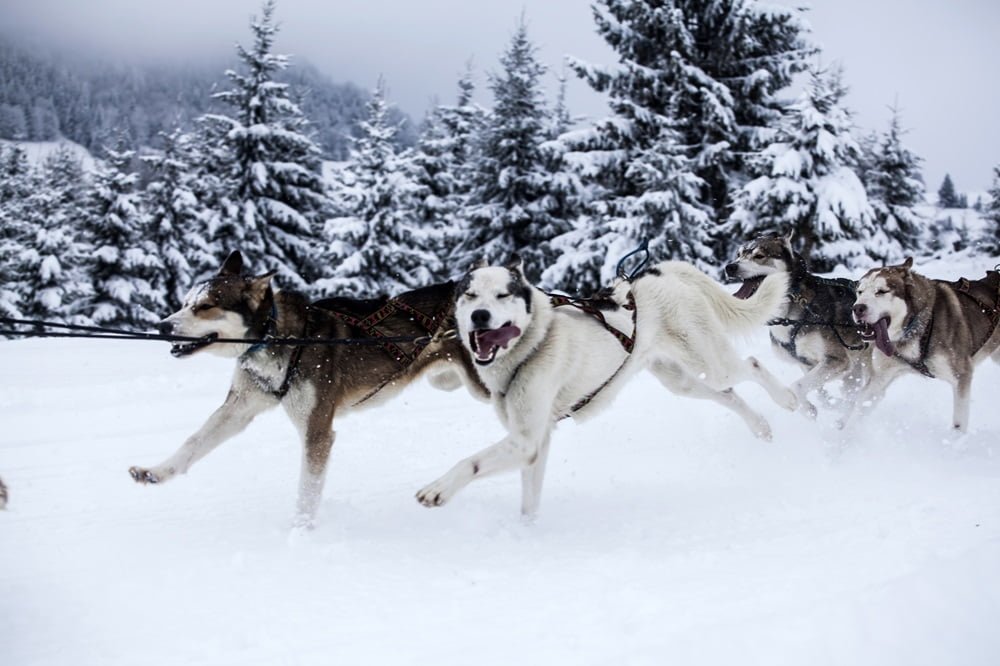
Siberian Roots: The story of the Siberian husky begins in Northeast Asia, where they were bred by the Chukchi people.
Purpose: Initially, these sturdy dogs were used as sled dogs, capable of enduring harsh Arctic conditions.
Journey to Alaska
Alaskan Introduction: In the early 20th century, Siberian Huskies were brought to Alaska for sled-dog racing.
Fame: They gained widespread recognition after a famous 1925 serum run to Nome, where they helped deliver life-saving medicine.
Breed Recognition
AKC Recognition: The American Kennel Club recognized the Siberian Husky as a breed in 1930.
Evolution of the Breed: Over time, the breed has maintained its endurance and versatility, though now more often seen in homes than on sled trails.
Modern-Day Companions
Today’s Role: While they still excel in sled racing, Siberian Huskies are primarily loved as energetic and loyal companions.
 Temperament of the Siberian Husky
Energetic and Playful
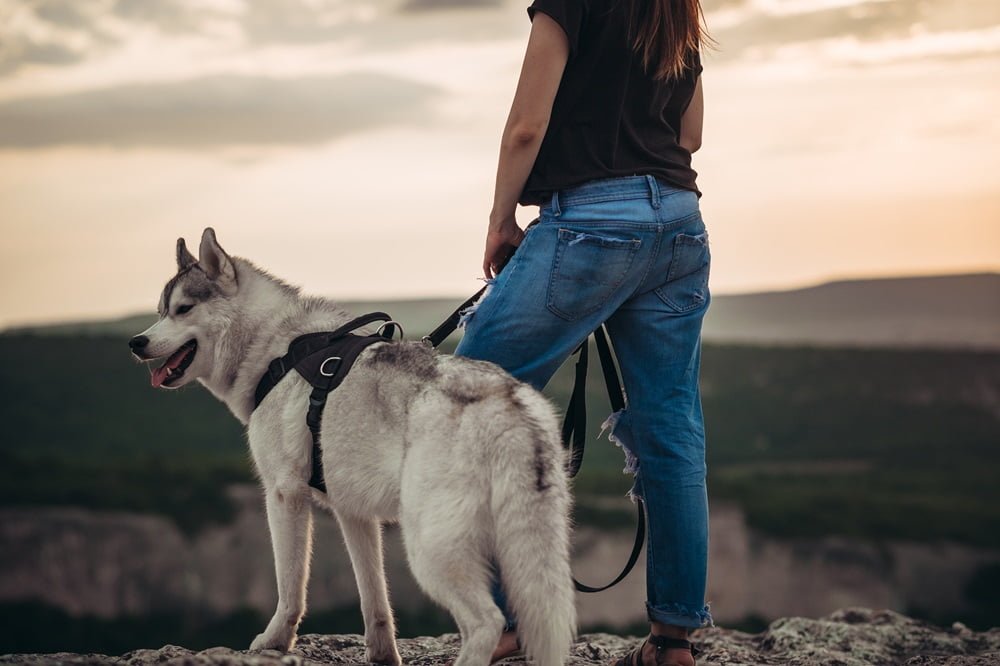
High Energy: Siberian Huskies are known for their boundless energy, always ready for an adventure.
Playfulness: Their playful nature makes them a joy for families, especially those with active lifestyles.
Friendly and Sociable
Affectionate Nature: These dogs are known for their friendly and affectionate demeanor towards both humans and other dogs.
Not a Guard Dog: Unlike some breeds, Huskies are more likely to greet strangers with a wagging tail than a bark.
Intelligent but Independent
Smart Dogs: Siberian huskies are intelligent and capable of learning quickly.
Independent Streak: However, their intelligence comes with an independent spirit, which can sometimes be mistaken for stubbornness.
Strong Pack Mentality
Love of Companionship: They thrive in the company of other dogs and humans, owing to their pack-oriented nature.
Separation Anxiety: Being left alone for long periods can be hard for them, leading to potential anxiety.
Vocal Communicators
Howling Over Barking: Huskies are known for their distinctive howling, which is often used as a means of communication.
The Diverse Palette of Siberian Husky Coats
A Spectrum of Shades
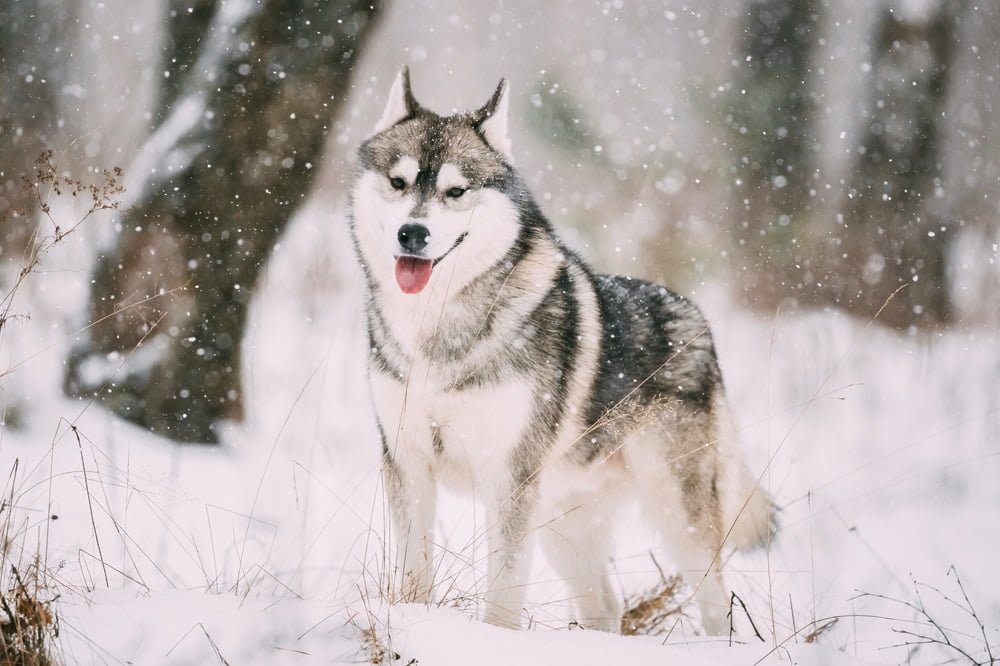
Classic Colors: Siberian huskies are well-known for their striking coat colors, which range from black to pure white.
Unique Patterns: Their fur can showcase a variety of patterns, including agouti, piebald, and pinto.
Eye-Catching Eye Colors
Mesmerizing Eyes: Besides their coats, Siberian Huskies are famous for their distinctive eye colors—bright blue, deep brown, or even one of each!
Heterochromia: It’s not uncommon for a Siberian Husky to have one blue eye and one brown eye, a condition known as heterochromia, adding to their unique allure.
Seasonal Changes
Shedding Seasons: Their coat colors can appear to change slightly as they shed their undercoats during the spring and fall.
Genetic Diversity
Hereditary Traits: The wide range of coat colors in Siberian huskies is due to their diverse genetic background.
Essential Care Tips for Your Siberian Husky
Exercise is Key
Daily Exercise: Siberian huskies are high-energy dogs and need plenty of exercise. Activities like running, hiking, or playing fetch are great.
Mental stimulation: Along with physical exercise, mental games and training keep them sharp and engaged.
Grooming Needs
Brushing: Their thick double coat requires regular brushing, especially during shedding seasons.
Bathing: Bathe them only as needed, as frequent washing can strip natural oils from their coat.
Nutrition and Diet
Balanced Diet: Feed them high-quality dog food that’s appropriate for their age, size, and activity level.
Regular Meals: Stick to a feeding schedule and avoid overfeeding to prevent obesity.
Health Check-ups
Veterinary Visits: Regular check-ups with a vet are crucial to monitoring their health.
Preventative Care: Keep up with vaccinations and parasite control.
Training and Socialization
Early Training: Start training early to manage their independent streak.
Socialization: Expose them to different people, animals, and environments to develop well-rounded behavior.
Safe Environment
Secure Fencing: Huskies are known escape artists, so ensure your yard is securely fenced.
Weather Protection: Provide them with shade and water in hot weather and a warm shelter in the cold.
FAQs about Siberian Huskies
1: What colors can Siberian Huskies be?
Siberian Huskies come in various colors, like black, grey, red, and even pure white. Their coat patterns can be quite unique!
2: How much do Siberian Huskies usually weigh?
They typically weigh between 35 to 60 pounds. Males are usually heavier than females.
3: Do Siberian Huskies need a lot of exercise?
Yes! They are super energetic and love to run and play. Daily exercise is important for them.
4: Can Siberian Huskies live in hot climates?
They can, but they prefer cooler temperatures. If they live in a hot area, they need shade, water, and air conditioning to stay cool.
5: Are Siberian Huskies good family pets?
Absolutely! They are friendly and love being part of a family. They’re great with kids, too.
6: Do Siberian Huskies bark a lot?
Instead of barking, they often howl, which can be quite musical! But they don’t howl all the time.
7: How long do Siberian Huskies live?
They usually live for about 12 to 15 years. With good care, they can be happy and healthy for a long time.
8: Do Siberian Huskies have a lot of energy?
Yes, they are super energetic! They were originally bred to pull sleds over long distances, so they have lots of stamina.
9: Are Siberian Huskies easy to train?
They can be a bit independent, so training might be a challenge. But with patience and positive reinforcement, they learn well.
10: How often do Siberian Huskies shed their fur?
They shed a lot, especially during spring and fall. Regular brushing helps to keep their shedding under control.
Conclusion: The Husky, A Loyal Companion
Siberian huskies aren’t just beautiful; they’re agile, loving, and full of personality. Perfect for active families, they bring energy and joy wherever they go. Remember, a happy husky is an active, well-loved one!
References and External Links
- Siberian Husky Club of America: SHCA
- American Kennel Club, Siberian Husky: AKC
- Husky Training Tips: YourSiberianHusky.com
- Husky Health and Care: TheHappyPuppySite