


Introduction
Welcome to Pet Breed Hub, your go-to source for all things pet breeds! Today, we’re galloping into the majestic world of the Friesian horse. Known for their elegance and power, these horses are a sight to behold. Let’s dive in!
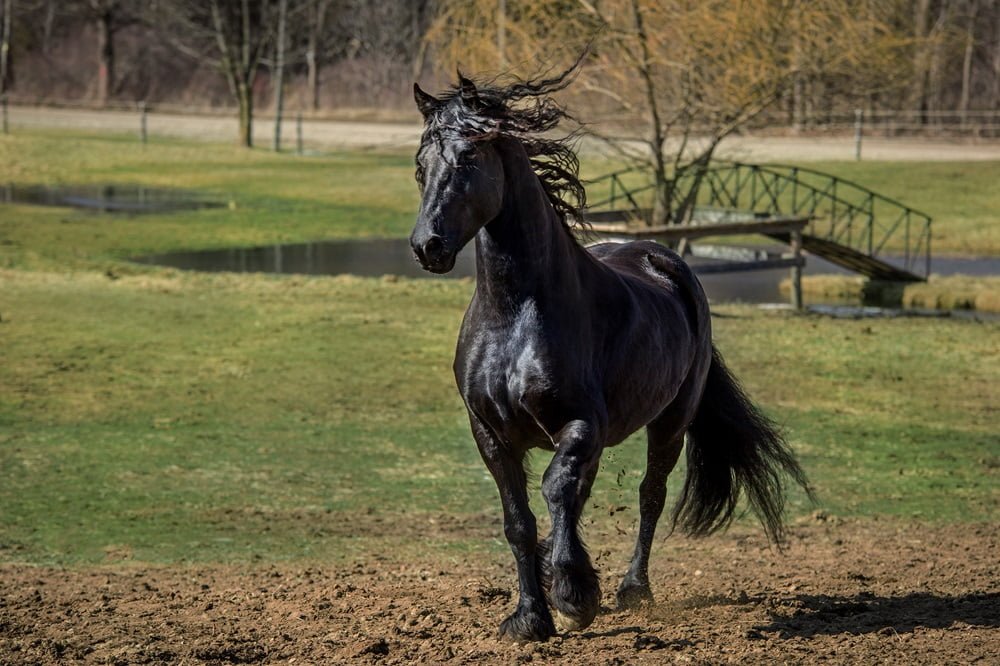
The Friesian Horse: A Journey Through History
Welcome to the Pet Breed Hub! Today, we’re stepping back in time to explore the rich history of the Friesian horse, a breed that combines elegance and strength like no other. Let’s unravel the story behind these majestic creatures.
Originating from Friesland
Land of Origin: Friesland, in the Netherlands.
Early Roles: Initially, these horses were esteemed war mounts, prized by knights in medieval Europe for their strength and agility.
Evolution: Over centuries, their roles shifted from war horses to status symbols of European nobility.
The Friesian Horse in Medieval Times
Knight’s Companion: Their size and power made them ideal for carrying armored knights.
Renaissance Influence: As warfare evolved, so did the breed, transitioning towards a more refined, lighter carriage horse.
Preservation and Renaissance
19th Century Decline: The advent of machinery led to a decline in their numbers.
20th Century Revival: Efforts in the 20th century focused on reviving the breed, emphasizing its unique characteristics.
Modern-day Legacy
Symbol of Grace: Today, Friesians are celebrated for their beauty in shows and parades.
Cultural Icon: They remain a symbol of Dutch heritage and equestrian elegance.
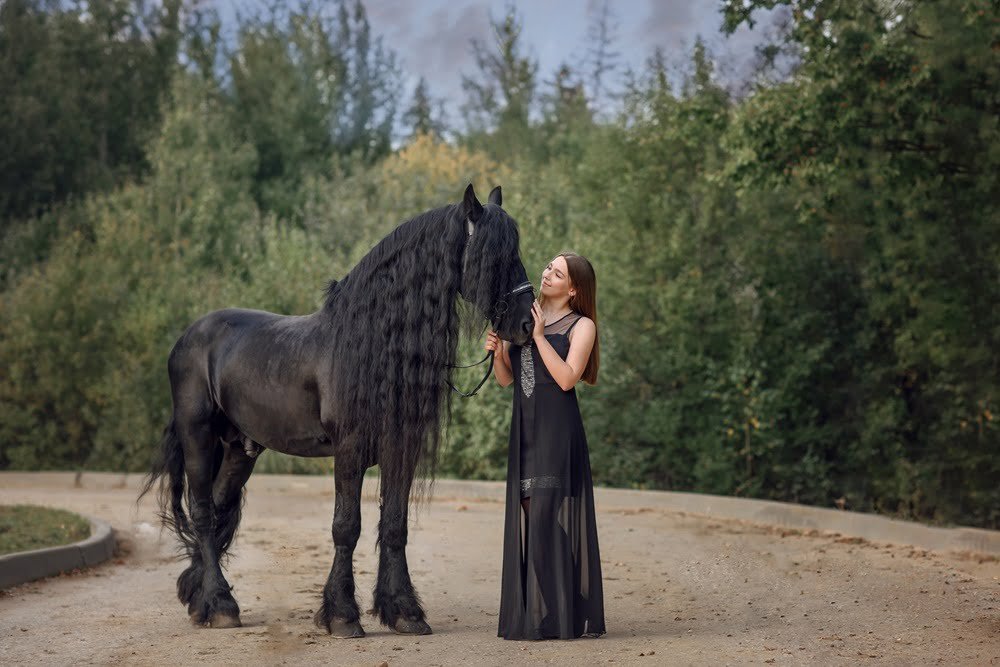
The Unique Palette of the Friesian Horse
The Classic Black Beauty
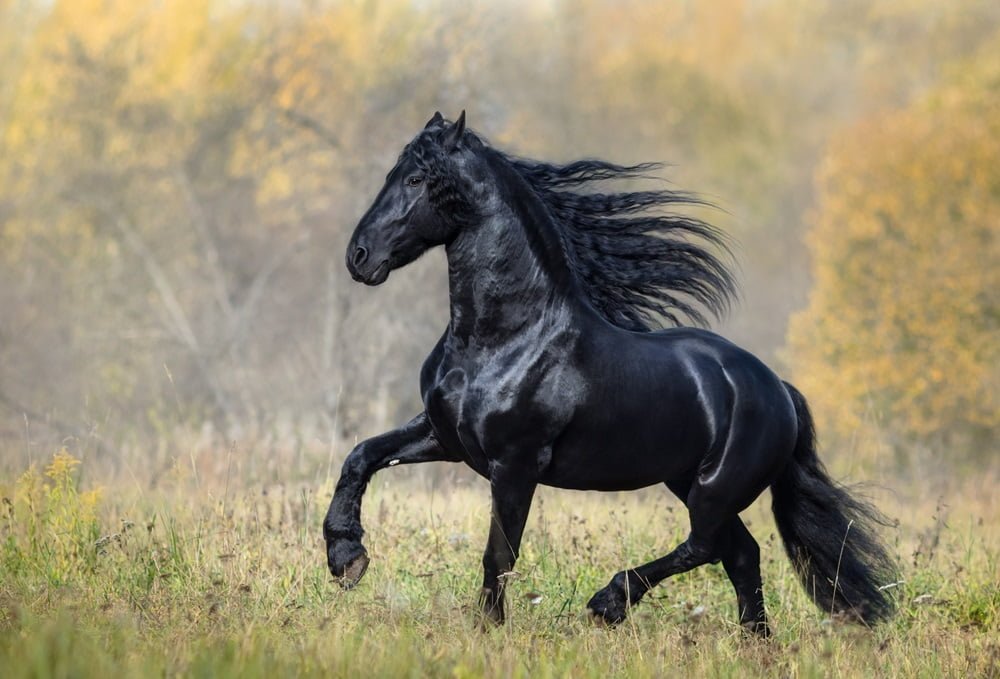
Dominant Hue: Friesians are renowned for their luxurious, jet-black coats.
Symbol of Elegance: This deep, rich color contributes to their majestic appearance and is a defining characteristic of the breed.
Rare Exceptions
Chestnut Friesians: Though extremely rare, chestnut-colored Friesians do exist, making them a unique find in the equestrian world.
The Role of Genetics
Genetic Influence: The black coloration in Friesians is largely due to a dominant gene.
Breed Standards: Strict breed standards often favor the traditional black color, adding to the breed’s mystique.
Grooming the Black Coat
Maintaining Sheen: Regular grooming is essential to maintaining the lustrous sheen of their coat.
Highlighting Features: The right care accentuates their striking appearance, especially during shows and competitions.
Exploring the Temperament of the Friesian Horse
Gentle Giants
Nature: Friesian horses are known for their calm and gentle demeanor, earning them the affectionate nickname ‘gentle giants’.
Suitability: This makes them excellent choices for riders of all levels, including beginners.
Intelligence and Trainability
Learning Capability: These horses are not only calm but also highly intelligent, making them quick learners.
Training Ease: Their willingness to learn makes training a smoother and more enjoyable process for both horse and trainer.
Social Behavior
Interaction with Humans: Friesian horses are known for their friendly disposition towards humans, making them great companions.
Behavior with Other Horses: They also exhibit good social behavior with other horses, adaptable to various herd dynamics.
Emotional Sensitivity
Responsive Nature: Friesians are sensitive to their environment and the emotions of their handlers, which helps in building a strong bond.
Care Requirement: Understanding and respecting their sensitivity is key to maintaining their well-being.
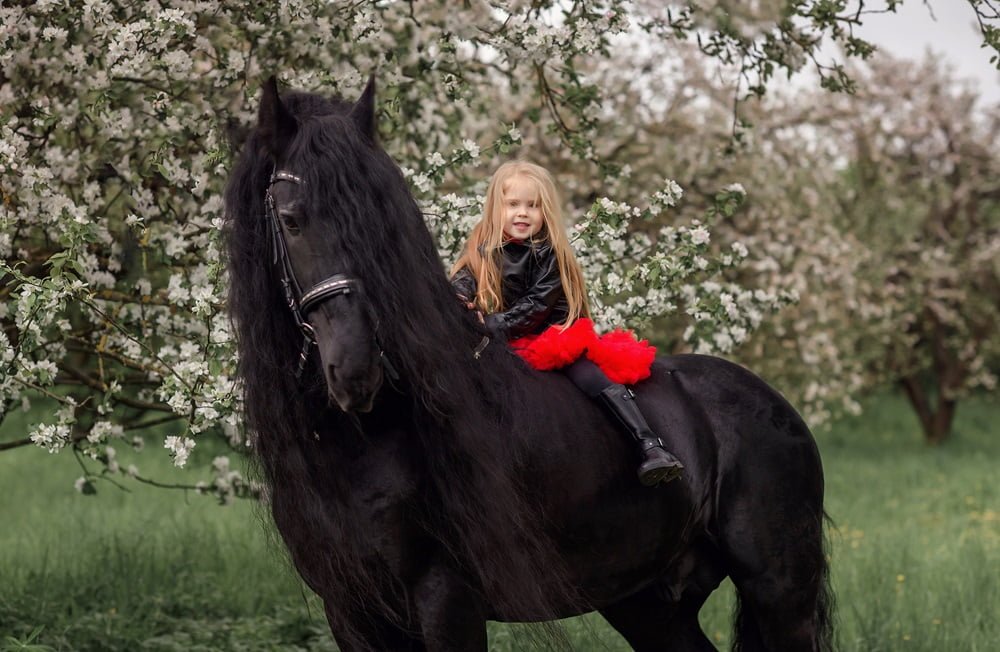
FAQs About Friesian Horses
1: How tall are Friesian horses?
They typically stand at about 15 to 17 hands.
2: Can Friesian horses be other colors than black?
They are almost always black, but on rare occasions, they can be chestnut.
3: Are they suitable for beginners?
Yes, due to their calm temperament.
4: What kind of diet do they need?
A balanced diet with quality hay, grains, and regular access to freshwater
5: How much exercise do they need?
Regular exercise is important for their physical and mental health.
6: Are they good with children?
Generally, yes, due to their gentle nature.
7: How much does a Friesian horse cost?
Prices vary widely based on age, training, and lineage.
8: What are the common health issues?
They can be prone to skin conditions and have a higher risk of a genetic disorder called dwarfism.
9: Can they be kept with other horses?
Yes, they are known to be social with other horses.
10: Do they require special grooming?
Regular grooming is essential to maintain their coat and avoid skin issues.
Conclusion: Why Choose a Friesian Horse?
Friesian horses are not just beautiful; they are intelligent, versatile, and have a wonderful temperament. They can be a joy for equestrian enthusiasts and casual riders alike. Remember, regular care and attention are key to keeping these magnificent creatures healthy and happy.
References and External Links
Friesian Horse Association of North America (FHANA):
Explore detailed breed information and temperament characteristics at FHANA.
International Friesian Show Horse Association (IFSHA):
Gain insights into the aspects and behavioral traits of Friesians at IFSHA.
‘The Friesian Horse’: A Comprehensive Guide (Book):
For an in-depth understanding, consider reading ‘The Friesian Horse: A Comprehensive Guide’. Available at major book retailers.
Equine Behavior Research Studies:
Academic papers on equine behavior provide a scientific perspective on the temperament of breeds like the Friesian. Access these studies through educational portals like ScienceDirect.
Equestrian Blogs and Forums:
Blogs and forums such as HorseForum.com often have firsthand accounts from Friesian horse owners and riders, offering a practical view of their temperament.
YouTube Channels on Equestrian Training:
Watch Friesian horses in action and learn about their behavior through channels like YourRidingSuccess.
Social Media Groups:
Join Facebook groups or Instagram communities focused on Friesian horses for updates and interactions with fellow enthusiasts.
Online Equestrian Courses:
Websites offering equestrian courses, like Equine Guelph, often cover breed-specific behavior and management.
Veterinary Resources:
Veterinary websites such as TheHorse.com provide expert advice on the health and well-being aspects related to the temperament of horses.
Local Equestrian Clubs and Societies:
Connect with local clubs for firsthand experiences and advice. Find a club near you through directories like EquineNow.