



Introduction
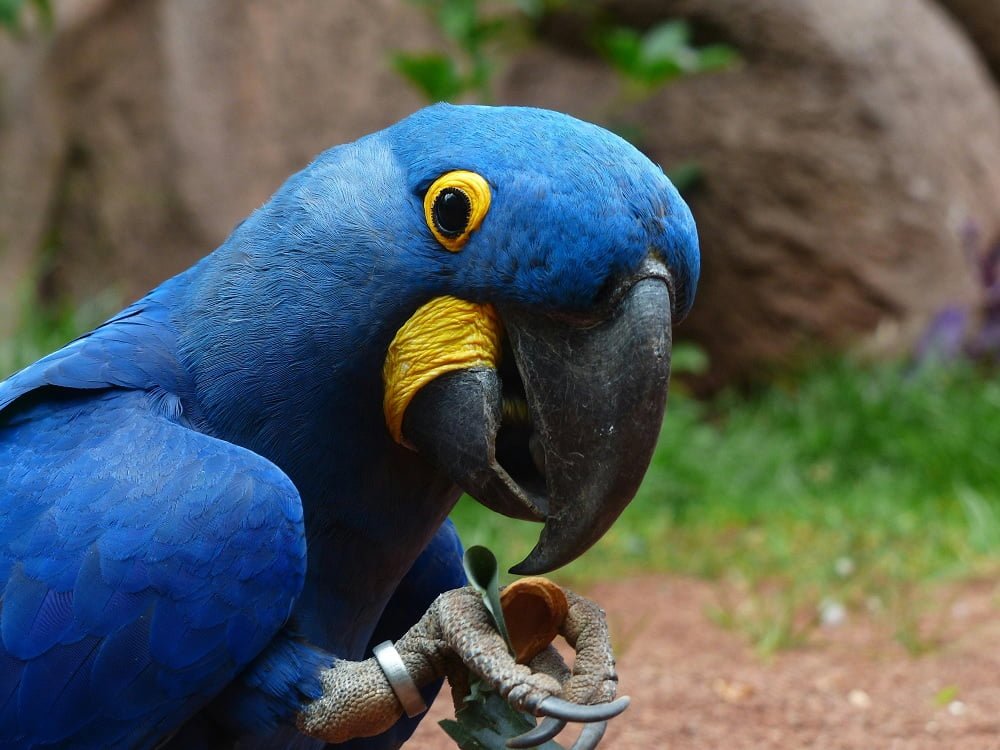
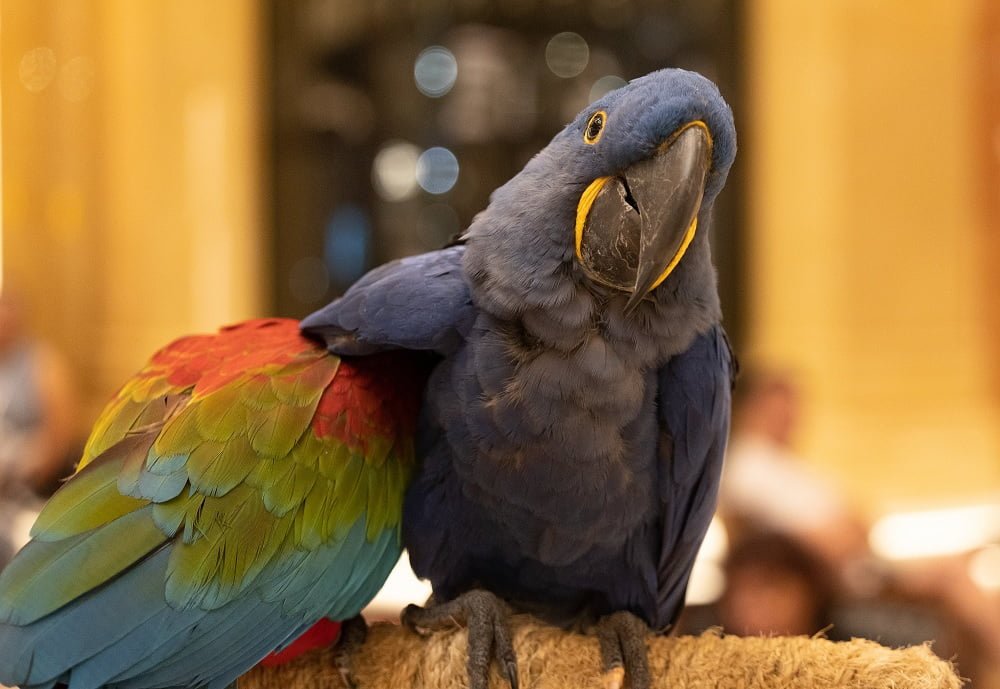
The Hyacinth Macaw, with its striking cobalt blue plumage and vibrant yellow rings around its eyes and beak, is not just the largest species of flying parrot but also one of the most captivating birds in the avian kingdom. Native to central and eastern South America, this magnificent bird has captured the hearts of bird enthusiasts worldwide. However, beneath its beauty lies the tale of a species grappling with the challenges of survival and conservation.
Natural History and Characteristics
The Hyacinth Macaw, scientifically known as Anodorhynchus hyacinthinus, can reach up to 40 inches in length and weigh around 2.5 to 3.5 pounds. Their powerful beaks, capable of cracking even the toughest nuts, are a marvel of nature. The bird’s natural habitat spans across the open areas of northern Brazil, eastern Bolivia, and northeastern Paraguay, typically in regions with abundant palm trees.
These macaws have a life cycle that’s as grand as their appearance. With a potential lifespan of over 50 years, they are a long-term commitment for anyone considering them as a pet. Their strong monogamous bonds mean that they mate for life, showcasing an emotional depth that adds to their appeal.
Behavior and Social Structure
Hyacinth Macaws are known for their sociable and affectionate nature. They form strong pair bonds and are often seen in small groups or pairs. In the wild, their days are spent foraging for food, such as nuts from native palms, and flying across vast distances.
Their communication involves a range of vocalizations, each serving different purposes, from signaling danger to strengthening social bonds. Observing these birds in their natural habitat, one can’t help but be awed by their complex social interactions and emotional intelligence.
Hyacinth Macaw Diet: Key Highlights
Natural Diet: In the wild, Hyacinth Macaws primarily feed on a variety of nuts from native palms, especially the Brazil nut, along with seeds and fruits.
Nutritional Needs: Their diet must be rich in fat but balanced with adequate amounts of protein, vitamins, and minerals.
Feeding in Captivity: A diet for captive Hyacinth Macaws should include high-quality macaw pellets, a variety of nuts (like walnuts, almonds, and hazelnuts), fresh fruits, and vegetables.
Supplementation: Occasional supplements of calcium and vitamin A can be beneficial, especially for breeding females and young birds.
Hydration: Fresh, clean water should always be available for drinking and bathing.
Avoid Toxic Foods: Certain foods like avocado, chocolate, and caffeine are toxic to macaws and should be strictly avoided.
Breeding and Reproduction
Breeding Hyacinth Macaws in their natural habitat involves the selection of a suitable tree hollow, where the female lays her eggs. The parents then jointly take on the responsibility of nurturing and protecting their young. In captivity, breeding these macaws requires a deep understanding of their needs, including a spacious and secure nesting area.
Conservation Status
The beauty of the Hyacinth Macaw has unfortunately played a role in its decline. Habitat loss due to deforestation and the illegal pet trade has significantly impacted their populations. They are currently listed as ‘Vulnerable’ by the IUCN Red List. Conservation efforts include habitat preservation, legal protection, and breeding programs. These efforts aim not just to increase their numbers but also to maintain the genetic diversity crucial for the species’ long-term survival.
Hyacinth Macaws as Pets
Owning a Hyacinth Macaw is a significant commitment. Prospective owners must consider the legal implications as well as the ethical considerations of keeping a wild animal as a pet. They require a large living space, a diet rich in specific nutrients, regular social interaction, and mental stimulation.
Hyacinth Macaw Lifespan: Quick Overview
- Average Lifespan: Hyacinth Macaws can live for about 50–60 years in captivity, with some individuals even reaching up to 70 years under optimal care conditions.
- Factors Influencing Lifespan: Genetics, diet, environment, and the quality of veterinary care play significant roles in determining their lifespan.
- Wild vs. Captivity: In the wild, their lifespan tends to be shorter due to predation, habitat loss, and other natural challenges.
FAQS
1: What is the average lifespan of a Hyacinth Macaw?
In captivity, Hyacinth Macaws can live for 50–60 years, and sometimes longer with optimal care.
2: What do Hyacinth Macaws eat?
Their diet mainly consists of nuts, seeds, fruits, and occasionally insects. In captivity, a balanced diet includes macaw pellets, nuts, fresh fruits, and vegetables.
3: Are Hyacinth Macaws endangered?
Yes, they are currently listed as ‘Vulnerable’ on the IUCN Red List due to habitat loss and illegal trade.
4: How large can Hyacinth Macaws grow?
They can reach up to 40 inches in length from the beak to the tip of the tail feathers.
5: Can Hyacinth Macaws talk like other parrots?
While they can mimic sounds and some words, they are not as proficient in talking as some other parrot species.
6: Is it legal to own a Hyacinth Macaw as a pet?
Legality varies by region and often requires specific permits. Potential owners must check local wildlife laws and regulations.
7: How much does a Hyacinth Macaw cost?
They are among the more expensive parrots, with prices ranging significantly depending on the breeder and location.
8: What kind of habitat do they need in captivity?
A large, sturdy cage with plenty of space to move, along with perches, toys for mental stimulation, and a consistent environment that mimics their natural habitat
9: How social are Hyacinth Macaws?
They are very social and bond strongly with their human caretakers. They require regular interaction and socialization.
10: What are the common health issues in Hyacinth Macaws?
They can suffer from nutritional deficiencies, respiratory problems, and feather plucking due to stress or boredom.
Conclusion
The Hyacinth Macaw is a testament to nature’s splendor. Their intelligence, beauty, and social nature make them fascinating creatures, but they also remind us of our responsibility towards the conservation of such magnificent species. As we continue to marvel at their grandeur, let us also commit to their preservation for generations to come.
References and External Links
The World Parrot Trust is an organization dedicated to the conservation and welfare of parrots worldwide, including the Hyacinth Macaw. Their website offers extensive information on conservation efforts. Visit World Parrot Trust
Cornell Lab of Ornithology: All About Birds: A Comprehensive Resource for Bird Information The Hyacinth Macaw page offers detailed insights into their behavior, diet, and habitat. Explore Cornell’s Hyacinth Macaw Page
BirdLife International: They provide a detailed species factsheet on the Hyacinth Macaw, covering aspects like habitat, threats, and conservation status. Visit BirdLife International
IUCN Red List of Threatened Species: Offers the official conservation status of the Hyacinth Macaw, including population trends and threats. Check the IUCN Red List
Animal Diversity Web (University of Michigan): Provides academic-level information on various animal species, including the Hyacinth Macaw. Visit the Animal Diversity Web
ARKive offers images and videos of the Hyacinth Macaw, showcasing them in their natural habitat. Explore ARKive
The Macaw Society is a research and conservation group focusing on macaws, including the Hyacinth Macaw. Learn from The Macaw Society